Note: This article is written for web publication in original American English and synthesizes real product, brand, material, and interior-design information without inserting source links.
The Materia Designs’s Ulmus Coffee Table is the kind of furniture piece that does not shout across the room. It gives the room a raised eyebrow instead. Low, sculptural, and quietly confident, the Ulmus Coffee Table captures what makes Materia Designs so appealing to people who like their interiors with a little soul, a little restraint, and absolutely zero “flat-pack mystery screw” energy.
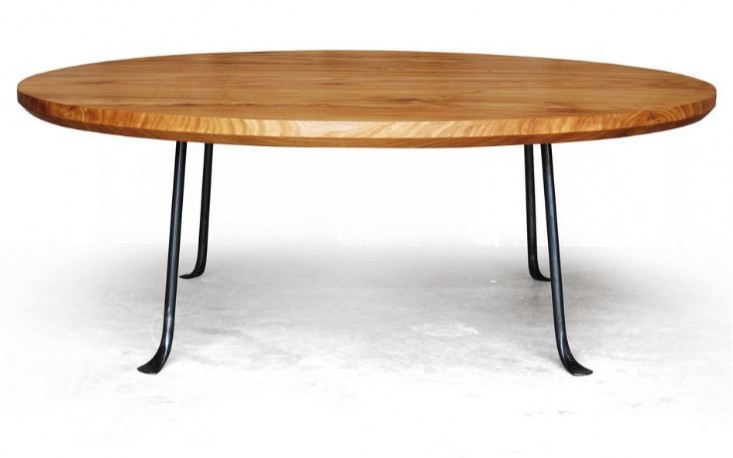
Designed by Materia Designs, the Ulmus Coffee Table has been described as an elegant, low-profile coffee table made to sit beautifully in front of a low-slung sofa. Its ovoid top, double-beveled edge, rare American elm surface, and hand-forged steel base give it a profile that feels both modern and earthy. It is not merely a place to park a mug. It is a small architectural event happening in the middle of the living room.
What Is the Materia Designs’s Ulmus Coffee Table?
The Ulmus Coffee Table is a luxury artisan coffee table associated with Materia Designs, a furniture, lighting, and objects studio known for raw materials, handcrafted details, and refined silhouettes. The name “Ulmus” points naturally toward elm, and the table’s most memorable version has been shown in rare American elm with hand-forged steel. That combination is central to the piece’s personality: warm wood above, strong metal below, softness and structure politely negotiating like two designers at a very tasteful dinner party.
At first glance, the table appears simple. That is part of its charm. But simple furniture is often the hardest to do well. A basic coffee table can hide behind storage drawers, chunky legs, or decorative tricks. The Ulmus Coffee Table has fewer places to hide. Its success depends on proportion, edge detail, material quality, and the relationship between the tabletop and the base. In other words, it has to be good from every angle, including the angle from which you are lying on the sofa pretending to read while actually scrolling your phone.
The Materia Designs Philosophy Behind the Table
Materia Designs has built its identity around furniture, lighting, and objects that emphasize the inherent beauty of natural materials such as stone, brass, parchment, calfskin, steel, porcelain, and wood. The studio was founded in 2009 and is associated with a hands-on approach to making, collaboration with artisans, and a design language that feels organic yet disciplined.
The company’s founders, Megan Sommerville and Matt Ensner, bring backgrounds that help explain the brand’s unusual mix of movement, materiality, and craft. Their work often feels less like conventional product design and more like a conversation between sculpture, interiors, and daily use. The Ulmus Coffee Table fits that conversation perfectly. It is functional, but it is also expressive. It supports books, bowls, remotes, flowers, and the occasional emergency snack plate, yet it still reads as a carefully composed object.
Design Details: Low Profile, Ovoid Shape, Double-Beveled Edge
A Low Coffee Table for Low-Slung Living
The Ulmus Coffee Table was designed as a low-profile piece, which makes it especially compatible with low-slung sofas, modern lounge seating, and relaxed living rooms. Low tables help create a horizontal visual line, making the room feel calmer and wider. They also avoid the awkward “table as barricade” effect that happens when a coffee table sits too high in front of deep seating.
In modern interiors, a low coffee table can make a space feel more architectural. It encourages the eye to travel across the room rather than crashing into a bulky object in the center. When paired with linen upholstery, black walnut, leather, stone, or plaster walls, a low table like Ulmus can create a grounded, almost gallery-like atmosphere without making the room feel cold.
The Ovoid Top: Softer Than a Rectangle, Smarter Than a Circle
The ovoid tabletop is one of the Ulmus Coffee Table’s strongest design decisions. An oval-like form works beautifully in living rooms because it softens circulation. People can move around it without catching their shins on sharp corners. Parents, pet owners, and anyone who has ever performed the midnight walk from sofa to kitchen in the dark can appreciate this.
Unlike a perfect circle, an ovoid table still has directional presence. It can align with a sofa, stretch across a seating arrangement, and provide practical surface area. Unlike a rectangle, it feels more fluid and sculptural. That balance is what gives the Ulmus Coffee Table its quiet intelligence: it understands that a living room should look composed but still allow humans to behave like humans.
The Double-Beveled Edge
The double-beveled edge is a small detail with a large impact. Beveling reduces visual heaviness, allowing the tabletop to appear lighter and more refined. A double bevel adds shadow, contour, and a sense of craftsmanship. It catches light differently as you move around the room, creating a profile that feels considered rather than generic.
That edge is also what separates a luxury artisan coffee table from a slab with legs. With Ulmus, the edge becomes part of the silhouette. It turns the tabletop into an object with depth and movement. The result is subtle, but subtlety is often where the expensive-looking things live.
Why American Elm Matters
American elm is a distinctive hardwood with a recognizable grain pattern. It is often valued for its interlocked grain, which can make the wood resistant to splitting and visually active. Elm can display warm brown tones, pale sapwood contrast, and dramatic movement across the surface. For a coffee table, this matters because the tabletop is the main stage. Every cup, candle, art book, and ceramic bowl sits against that wood grain.
Using rare American elm gives the Ulmus Coffee Table a sense of individuality. No two elm boards look exactly alike, and that is the point. In a world full of identical furniture pretending to be “curated,” a table with real grain variation brings back the good kind of unpredictability. It reminds the room that nature did not come from a catalog.
Elm also pairs especially well with darker metals and hand-forged details. The wood offers warmth, while steel adds tension and strength. Together, they create a material contrast that feels rooted, durable, and modern.
The Role of Hand-Forged Steel
The hand-forged steel base gives the Ulmus Coffee Table a sense of permanence. Steel introduces a structural counterpoint to the organic tabletop. Where the elm is grainy, warm, and expressive, the steel is controlled, dark, and quietly muscular. It is the design equivalent of a tailored black jacket over a linen shirt.
Hand-forged steel also supports the broader Materia Designs language. The studio often gravitates toward materials that show craft and age well. Steel can feel industrial, but in this context it is not cold. It grounds the table, provides visual weight, and adds a handmade quality that keeps the piece from feeling overly polished.
How the Ulmus Coffee Table Fits Into Real Interiors
The Ulmus Coffee Table has been featured in a lived-in design context, including a Hudson Valley home associated with Materia Designs. In that setting, it appeared with a low sofa, black walnut, linen, calfskin, vintage chairs, and other textured materials. That combination says a lot about how the table works best. It does not need a sterile showroom. It thrives in rooms with patina, books, art, textiles, and objects collected over time.
This is not a coffee table that demands everything around it be brand new. In fact, it may look better when paired with a mix: an antique chair, a contemporary sofa, a handmade lamp, a wool rug, a stack of design books, and a slightly imperfect ceramic vessel. The Ulmus Coffee Table has enough confidence to hold the center without forcing the whole room to become a showroom display.
Best Decor Styles for Materia Designs’s Ulmus Coffee Table
Organic Modern
Organic modern interiors are a natural home for the Ulmus Coffee Table. The elm top brings warmth and natural grain, while the steel base adds architectural discipline. Pair it with a cream sofa, textured rug, plaster walls, and sculptural lighting for a room that feels calm but not sleepy.
Rustic Minimalism
Rustic minimalism avoids clutter but keeps character. The Ulmus Coffee Table suits this style because it has strong material presence without needing excessive decoration. Add a black ceramic bowl, one oversized art book, and a branch arrangement. Congratulations, your living room now looks like it knows a gallery owner.
Industrial Refined
Because of its steel component, the table also works in refined industrial interiors. Think exposed beams, concrete floors, leather seating, and warm wood cabinetry. The table softens the hard edges of industrial design while keeping the overall mood grounded.
Hudson Valley Modern
Materia Designs has deep associations with the Hudson Valley design world, where old houses, handmade objects, natural materials, and modern forms often meet. The Ulmus Coffee Table feels especially right in that environment. It has the honesty of craft and the restraint of contemporary design.
How to Style the Ulmus Coffee Table
Because the tabletop itself is visually rich, styling should be edited rather than crowded. The goal is to let the elm breathe. A good styling formula might include one stack of books, one low vessel, one functional tray, and one organic object such as a branch, stone, or handmade bowl.
For an ovoid table, avoid lining everything up like a tiny furniture parade. Instead, create a loose triangular arrangement. Place the tallest object slightly off-center, keep books low, and leave negative space. Negative space is not emptiness; it is the table saying, “I am expensive enough to not need a souvenir snow globe collection.”
Good styling choices include matte ceramics, linen-covered books, stoneware bowls, brass accents, smoked glass, sculptural candles, and small flower arrangements. Avoid overly shiny accessories that fight the wood grain. Also avoid covering too much of the surface. If you buy a table for its rare American elm top, hiding it under clutter is like wearing a designer coat and then wrapping yourself in a beach towel.
Practical Buying Considerations
When considering the Materia Designs’s Ulmus Coffee Table or a similar artisan coffee table, proportion is crucial. A coffee table usually works best when it is roughly one-half to two-thirds the length of the sofa it faces. The height should feel comfortable with the sofa seat, especially since Ulmus is intentionally low. Leave enough walking space around the table so the living room feels gracious rather than like a furniture obstacle course.
Buyers should also consider lifestyle. A handcrafted elm and steel coffee table is a serious design piece. It can absolutely be used every day, but it deserves basic care. Coasters are wise. Wet glasses should not be left to audition as permanent ring makers. Heavy objects should be placed gently. Children can live with beautiful furniture, but juice boxes and rare hardwood require diplomatic supervision.
Care and Maintenance
For a wood coffee table, care begins with prevention. Use coasters, wipe spills quickly, and avoid harsh chemical cleaners. A soft, dry or slightly damp cloth is usually better than aggressive sprays. Keep the table away from extreme humidity swings when possible, since natural wood expands and contracts with environmental changes.
The steel base should also be treated respectfully. Dust it regularly and avoid abrasive pads that could scratch the finish. If the table has a special finish, always follow the maker’s care instructions. With pieces like this, maintenance is less about fussiness and more about preserving character. A little patina can be beautiful. A sticky soda ring shaped like regret is less beautiful.
Why It Stands Out in the Luxury Coffee Table Category
Luxury coffee tables often fall into two camps: overly decorative showpieces or ultra-minimal objects that look afraid of personality. The Ulmus Coffee Table lands somewhere more interesting. It is sculptural but usable, refined but warm, modern but not sterile. It has enough detail to reward close looking and enough restraint to live with for years.
The combination of rare American elm, hand-forged steel, a low ovoid form, and a double-beveled edge gives the piece a strong identity. It does not rely on trend-driven shapes or novelty finishes. Instead, it depends on proportion, material, and craft. That is why it still feels relevant even as interior trends cycle from beige to greige to “warm mushroom” and back again.
Experience: Living With a Table Like the Ulmus Coffee Table
Living with a coffee table like the Materia Designs’s Ulmus Coffee Table changes the rhythm of a room. At first, you notice the shape. The ovoid top softens the seating area, and the low profile makes the sofa feel more relaxed. Then you notice the material. The elm grain gives the surface movement, which means the table looks different in morning light, afternoon shade, and evening lamplight. It is never just a flat brown surface; it has weather, character, and visual depth.
In daily use, the table encourages a more intentional kind of living room behavior. You become slightly more selective about what stays on top. Instead of allowing mail, cords, and random objects to colonize the surface, you may find yourself editing. A favorite book stays. A ceramic bowl stays. The three receipts from last Tuesday’s errands do not make the final cut. This is one of the underrated benefits of beautiful furniture: it gently bullies you into better habits.
The table also changes how guests interact with the space. People tend to gather around low, sculptural tables naturally. They place drinks, lean forward, flip through books, and comment on the wood. A table with visible craft becomes a conversation starter without needing to perform. It does not say, “Look at me.” It says, “Yes, I am interesting, but please continue your story about the terrible vacation rental.”
In a small living room, the rounded form can make movement easier. Sharp rectangular tables often create pinch points, especially between a sofa and lounge chair. An ovoid table feels more forgiving. It lets the room flow. In a larger space, the Ulmus shape can anchor a seating group without feeling blocky. Add a textured rug underneath, and the whole arrangement becomes more cohesive.
One of the best experiences related to a table like Ulmus is the way it rewards restraint. You do not need to style it heavily. In fact, over-styling can weaken its impact. A low vase, a stack of books, a small tray, and one natural object are enough. The elm provides the pattern. The steel provides the shadow. The shape provides the drama. Your job is mostly to avoid placing a giant plastic remote-control basket in the middle of it.
There is also an emotional quality to handmade furniture. A mass-produced coffee table may function perfectly well, but it rarely creates attachment. A piece built around rare wood and forged steel feels more permanent. It becomes part of the household story. It is where coffee is served, flowers are arranged, board games are negotiated, and snacks mysteriously disappear during movies. Over time, the table collects memories along with minor signs of use.
That is the real appeal of the Materia Designs’s Ulmus Coffee Table. It is not only about design credentials or premium materials. It is about the everyday pleasure of using something that was thoughtfully conceived. The table makes ordinary rituals feel slightly elevated: setting down a cup, opening a book, arranging a vase, gathering with friends. It brings craft into the center of the room, where life actually happens.
Conclusion
The Materia Designs’s Ulmus Coffee Table is a refined example of how a coffee table can be both useful and deeply expressive. With its low profile, ovoid top, double-beveled edge, rare American elm, and hand-forged steel, it reflects Materia Designs’s broader commitment to handcrafted furniture and honest materials. It works best in interiors that value texture, proportion, and quiet drama.
For homeowners, designers, and collectors looking for an artisan coffee table with warmth and sculptural presence, Ulmus offers a compelling blueprint. It proves that the most memorable furniture does not always need to be loud. Sometimes it just needs beautiful wood, strong lines, and the confidence to sit low.