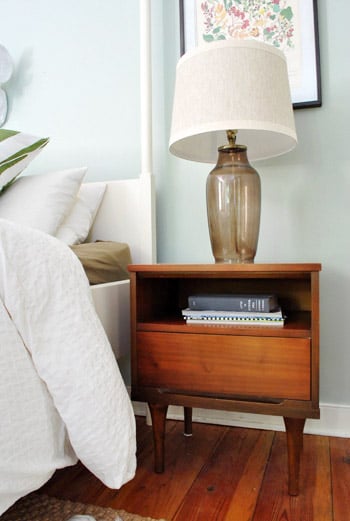
A bedroom does not need a dramatic renovation, a designer budget, or a mysterious “statement chair” that no human actually sits in to feel fresh again. Often, the most effective bedroom updates are small, simple, and surprisingly satisfying: a better lamp, cleaner bedding, a calmer color palette, a decluttered nightstand, or curtains that finally look like they belong in the room instead of apologizing from the window.
The beauty of small and simple bedroom updates is that they work for almost every space: tiny apartments, guest rooms, primary bedrooms, rental homes, dorm-style setups, and that one room where laundry mysteriously breeds overnight. With smart choices, you can make a bedroom feel larger, cozier, cleaner, and more personal without replacing every piece of furniture.
This guide covers practical bedroom refresh ideas that improve comfort, storage, lighting, style, and sleep quality. Think of it as a low-stress makeover plan: no demolition, no panic shopping, and no need to explain to your wallet that “it was for the aesthetic.”
Why Small Bedroom Updates Can Make a Big Difference
Bedrooms are emotional spaces. They are where you start the day, end the day, fold laundry with heroic optimism, and sometimes stare at the ceiling while remembering a mildly embarrassing thing from 2012. Because the room is tied so closely to rest and routine, even minor changes can shift how it feels.
A small bedroom update works because it changes what your eyes, body, and brain experience every day. A brighter lamp can make the room more useful. Better storage can reduce visual clutter. Soft bedding can make sleep feel more inviting. A mirror can bounce light and make the room appear more open. None of these changes require a full remodel, but together they can make the space feel thoughtfully designed.
Start With a Clear Bedroom Reset
Before buying anything, begin with the least glamorous but most powerful bedroom update: clearing what does not belong. This is not a moral judgment against the chair covered in clothes. The chair has served bravely. But clutter makes a bedroom feel smaller, busier, and less restful.
Remove the “Almost Useful” Items
Walk through the room and remove items that do not support sleeping, dressing, relaxing, or storing essentials. Old packaging, broken chargers, unread paperwork, random cups, and mystery objects from pockets should leave immediately. If something has been sitting in the room for months “just in case,” it may be time to escort it out with dignity.
Create Three Simple Zones
A bedroom works better when it has clear zones: a sleep zone, a clothing zone, and a small personal zone. The sleep zone includes the bed, nightstand, lighting, and bedding. The clothing zone includes closets, dressers, hampers, and under-bed storage. The personal zone might be a reading corner, vanity, desk, or wall shelf. Defining these areas helps prevent every surface from becoming a storage experiment.
Update Bedding for an Instant Bedroom Refresh
Bedding is one of the fastest ways to change the entire mood of a bedroom. Since the bed is usually the largest visual element in the room, fresh sheets, a new duvet cover, a textured throw, or better pillows can make the space feel redesigned in a single afternoon.
Choose Comfortable, Breathable Materials
For a simple bedroom refresh, focus on comfort first. Cotton, linen, bamboo blends, and other breathable fabrics can help the bed feel cooler and more inviting. If your room runs warm, avoid heavy layers that trap heat. If your room feels chilly, add a quilt or throw blanket that can be removed easily.
Use Layers Without Creating a Bedding Mountain
A styled bed does not need twelve pillows and a blanket arranged at a mathematically suspicious angle. Try a fitted sheet, flat sheet or duvet, two sleeping pillows, two decorative pillows, and one throw. That is enough to look finished without turning bedtime into a nightly excavation project.
Refresh Colors Seasonally
Changing bedding colors is a budget-friendly way to update the room. Light neutrals, soft blues, warm whites, sage green, and muted earth tones create a calm feel. For fall and winter, add warmer shades such as camel, rust, olive, or deep plum. For spring and summer, try crisp white, pale gray, soft beige, or airy blue.
Improve Bedroom Lighting Without Rewiring Anything
Lighting can make a bedroom feel calm, cozy, expensive, or like an interrogation room. The goal is layered lighting: different light sources for different moments. A single overhead bulb rarely creates the soft, restful atmosphere most people want in a bedroom.
Add a Better Bedside Lamp
A good bedside lamp should be practical and pleasant. Choose a lamp with a warm bulb, a shade that diffuses light, and a size that fits the nightstand. If the table is small, try a wall-mounted plug-in sconce or a compact lamp with a narrow base. This frees up surface space while still giving you light for reading or winding down.
Use Dimmers, Smart Bulbs, or Warm LEDs
Warm LED bulbs are energy-efficient and comfortable for evening use. Dimmers or smart bulbs can help lower brightness at night, making the room feel more relaxing. Bright light is useful when cleaning or getting dressed, but softer light is better when your brain needs a polite hint that the day is ending.
Do Not Forget Task Lighting
If your bedroom includes a desk, vanity, or reading chair, add focused lighting there. A small task lamp can prevent eye strain and keep the rest of the room calm. This is especially helpful in small bedrooms where one space may serve several functions.
Make a Small Bedroom Feel Bigger
Small bedrooms can feel charming and cozy, but they can also feel crowded if every inch is fighting for attention. The trick is not to make the room empty; it is to make it feel intentional.
Use Light, Cohesive Colors
Light colors reflect more light and can make a compact bedroom feel more open. White, cream, pale gray, muted blue, and soft beige are reliable choices. A monochromatic color scheme, where walls, bedding, and furniture stay in the same general color family, can reduce visual breaks and help the room feel calmer.
Hang Curtains Higher
One of the easiest bedroom updates is raising the curtain rod closer to the ceiling and letting curtains fall toward the floor. This draws the eye upward and makes the ceiling feel taller. Choose lightweight fabric if you want an airy look, or blackout curtains if you need better light control for sleep.
Add a Mirror Strategically
A mirror can reflect natural light and make a small bedroom feel more spacious. Place it across from or near a window when possible. A full-length mirror on a closet door or wall also adds function without taking up much space.
Upgrade Storage Without Adding Bulk
Good bedroom storage should quietly support your life. It should not require a complicated labeling system, a rolling ladder, or the emotional discipline of a professional organizer. The best simple storage updates are easy to use every day.
Use Under-Bed Storage
Under-bed storage is ideal for off-season clothes, extra bedding, shoes, or rarely used items. Choose low-profile bins with lids to keep dust away. Matching containers look cleaner and prevent the under-bed area from resembling a tiny garage sale.
Choose Nightstands With Drawers
An open nightstand can look stylish, but a nightstand with drawers hides the small items that create visual clutter: chargers, lip balm, notebooks, medicine, reading glasses, and that one receipt you are afraid to throw away. Closed storage is a small update with a big calming effect.
Go Vertical With Shelves
When floor space is limited, walls are your best friend. Floating shelves can hold books, small plants, framed art, or baskets. Keep them edited, though. A floating shelf should not become a floating junk drawer with better posture.
Refresh the Walls Without a Major Paint Project
Walls set the tone for the bedroom, but you do not always need to paint the entire room. Small wall updates can add personality and polish without requiring a weekend of taping, priming, and questioning your life choices.
Create a Simple Accent Wall
An accent wall behind the bed can make the room feel finished. You can use paint, peel-and-stick wallpaper, wood trim, or a large textile. In a small bedroom, keep the pattern or color connected to the rest of the room so it feels intentional rather than loud.
Use Large Art Instead of Many Tiny Pieces
One large piece of art often looks cleaner than a cluster of small frames. It creates a focal point and reduces visual clutter. If you prefer a gallery wall, keep the frames consistent or choose a tight color palette.
Try Removable Decor for Rentals
Renters can use removable wallpaper, adhesive hooks, plug-in sconces, framed prints, and fabric panels to personalize a bedroom without upsetting the security deposit gods. Always test removable products in a hidden spot first, because “removable” should not mean “removes paint with enthusiasm.”
Rearrange Furniture for Better Flow
Sometimes the best bedroom update costs nothing. Rearranging furniture can improve movement, balance, and function. Start by looking at pathways. You should be able to enter the room, reach the closet, and get into bed without performing a sideways shuffle.
Pick the Right Bed Placement
In many bedrooms, the bed works best against the longest wall or centered on the main wall. If space allows, leave room on both sides for easier access. In very small bedrooms, placing one side of the bed against a wall may be necessary, especially for a child’s room, guest room, or studio apartment.
Use Furniture That Works Twice
Small bedrooms benefit from multi-purpose pieces. A storage bench can hold blankets. A desk can double as a nightstand. A dresser can serve as a vanity with a mirror above it. A bed with drawers can reduce the need for extra furniture. The goal is to make every piece earn its square footage.
Add Texture for a Cozy, Finished Look
Texture makes a bedroom feel layered and comfortable. Even a simple neutral room can feel rich when it includes varied materials: cotton sheets, a woven basket, a knit throw, a wood nightstand, a linen curtain, or a soft rug.
Bring in a Rug
A rug adds warmth, especially if the room has hardwood, laminate, or tile floors. In a small bedroom, choose a rug large enough to extend beyond the sides of the bed, or place runners along each side. The first step out of bed should feel pleasant, not like a cold handshake from the floor.
Mix Soft and Natural Materials
Try pairing soft bedding with natural textures such as wood, rattan, woven baskets, or ceramic lamps. This makes the bedroom feel more relaxed and less flat. You do not need many pieces; two or three textures can be enough.
Make the Bedroom Better for Sleep
A bedroom should look good, but it should also help you sleep. Design choices such as light control, temperature, noise, and bedding comfort can influence how restful the room feels.
Control Light at Night
Darkness supports better sleep, so consider blackout curtains, a sleep mask, or turning bright digital clocks away from the bed. If you need a night-light, choose a soft, warm one rather than a bright white light.
Keep the Room Cool and Comfortable
Many sleep experts recommend a cool bedroom, often around 60 to 67 degrees Fahrenheit, though personal comfort matters. Breathable bedding, a fan, lighter pajamas, or seasonal blankets can help regulate temperature. The goal is comfort, not pretending you are camping in the Arctic.
Reduce Noise and Visual Stress
If noise is an issue, try a fan, white noise machine, heavy curtains, or a rug to soften sound. Visual stress matters too. A cluttered room can make it harder to relax, so keep the nightstand simple and avoid storing work documents beside the bed if possible.
Simple Budget Bedroom Updates Under $100
A bedroom refresh does not have to be expensive. Some of the best updates are affordable, easy, and quick enough to finish before motivation disappears.
Try These Low-Cost Ideas
- Replace old pillow covers with textured or patterned ones.
- Add a warm LED bulb or dimmable bedside lamp.
- Buy matching storage bins for under the bed or closet.
- Hang curtains higher and wider than the window frame.
- Frame affordable prints or personal photos.
- Add a washable rug beside the bed.
- Switch to a new duvet cover instead of buying all-new bedding.
- Use peel-and-stick wallpaper behind the headboard.
- Declutter and style the nightstand with only three essentials.
- Add a plant, faux greenery, or fresh flowers for life and color.
Small Bedroom Updates for Renters
Renters often need updates that are reversible. Fortunately, simple bedroom updates can still make a rental feel personal and polished.
Use Temporary Style Solutions
Peel-and-stick wallpaper, removable hooks, tension rods, plug-in wall sconces, and freestanding shelves can add personality without permanent changes. A stylish headboard, large art, or bold bedding can also transform the room without touching the walls.
Upgrade What You Can Take With You
Invest in portable pieces: lamps, bedding, curtains, rugs, baskets, mirrors, and art. These items can move with you, which makes them smarter purchases than custom updates that must stay behind.
Personal Experience: What Small Bedroom Updates Really Feel Like
The most surprising thing about small and simple bedroom updates is how quickly they can change your relationship with the room. A bedroom can become background noise over time. You stop noticing the mismatched lamp, the too-short curtains, the pile of books on the floor, or the nightstand that looks like it is preparing for a yard sale. Then one weekend, you make a few updates, and suddenly the room feels awake again.
One of the most effective updates is starting with the bed. Fresh bedding instantly changes the room because the bed takes up so much visual space. Even replacing a tired comforter with a clean duvet cover can make the entire bedroom feel more intentional. Add two good pillows, fold a throw at the foot of the bed, and the room begins to look like someone planned it instead of simply surviving in it.
Lighting is another update that feels small but works like magic. A warm bedside lamp can make a bedroom feel peaceful at night, especially compared with harsh overhead lighting. The difference is dramatic. Overhead lighting says, “We are looking for a lost contact lens.” Soft bedside lighting says, “Read a chapter, relax, and stop checking your email.” That shift matters.
Storage updates can also change daily habits. A drawer in the nightstand, a basket for extra blankets, and a bin under the bed may not sound exciting, but they reduce friction. When things have an obvious place to go, the room stays cleaner with less effort. That is the secret: the best bedroom organization system is not the prettiest one; it is the one you will actually use on a tired Tuesday.
Another helpful experience is updating curtains. Many bedrooms have curtains that are hung too low, too narrow, or too short. Raising the curtain rod and using longer panels can make the room feel taller and more finished. It is one of those design tricks that feels almost suspiciously easy. You do not change the window, but the window suddenly looks more important.
Wall decor is where personality enters the room. A bedroom should not feel like a furniture showroom unless your personal style is “model home no one has emotionally moved into.” A large print, a framed textile, a small gallery wall, or even a favorite photo can make the space feel connected to your life. The key is not to cover every wall. Leave some breathing room so the room feels calm.
Finally, the biggest lesson from small bedroom updates is that comfort beats perfection. A bedroom does not need to follow every trend. It does not need a designer label or a color palette named after a coastal grandmother’s vacation home. It needs to support your routines, help you rest, and make you feel good when you walk in. If a small change makes the room cleaner, softer, easier to use, or more relaxing, it is a successful update.
Conclusion
Small and simple bedroom updates can completely change how a room looks and feels without requiring a major renovation. Start by clearing clutter, improving bedding, layering lighting, using smarter storage, and making the space more sleep-friendly. Then add personality through texture, art, curtains, rugs, and color. The best bedroom refresh is not about copying a showroom. It is about creating a room that feels calm, useful, beautiful, and genuinely yours.
Whether you live in a tiny apartment, a rental, a family home, or a guest room that doubles as storage headquarters, thoughtful changes can make the space feel bigger and better. Start with one update today. Your bedroom does not need a makeover meltdown. It just needs a few smart moves and maybe one less pile of laundry pretending to be furniture.