If steak cuts had a high school yearbook, ribeye would win Best Smile, filet mignon would take Most Likely to Be Overordered, and New York strip would somehow end up class president. Meanwhile, the truly fun kids would be hanging out behind the butcher counter: hanger steak, bavette, Denver steak, picanha, tri-tip, and a few other under-the-radar gems that rarely get the spotlight they deserve.
These are the cuts that make meat lovers sound suspiciously smug at dinner parties. They are flavorful, often more affordable than the headline steaks, and packed with personality. Some are deeply beefy and loose-textured. Some are tender enough to make you wonder why you paid ribeye prices last weekend. Some have regional fame but national mystery status. All of them reward a little curiosity and a little technique.
This guide breaks down the unfamiliar favorite butcher’s cuts worth knowing, how to buy them, how to cook them, and why they keep showing up in the “I know a guy at the meat counter” category of food bragging. In other words, this is your permission slip to stop living the same old steak life.
What Exactly Is a Butcher’s Cut?
A butcher’s cut usually refers to a lesser-known cut that delivers excellent flavor, good value, or limited availability. These cuts may not be displayed front and center like ribeye or tenderloin, but butchers and experienced cooks often love them because they offer serious payoff when handled properly.
That last part matters. Many butcher’s cuts are not difficult, but they are specific. They may need a quick marinade, a hard sear, a careful rest, or slicing against the grain. Treat them like a ribeye and you might still get dinner. Treat them like themselves and you get dinner plus a small ego boost.
Why Lesser-Known Beef Cuts Are Suddenly So Appealing
There are a few reasons unfamiliar steak cuts have become favorites among home cooks, chefs, and local butchers. First, people want flavor. And some of these cuts bring a more robust, mineral, intensely beefy character than milder luxury steaks. Second, shoppers are more value-conscious than ever, which makes alternatives to premium-priced steakhouse cuts especially attractive. Third, more cooks are willing to ask questions at the butcher counter instead of pretending they totally know what bavette means. Growth.
Another reason is simple: American eating habits are broadening. A cut like picanha, long associated with Brazilian-style grilling, now shows up on more home grills. Tri-tip, once strongly tied to California barbecue culture, is much easier to find nationwide. Denver steak and shoulder petite tender have also become more familiar as retailers and butchers spotlight “innovative” or emerging cuts.
7 Unfamiliar Favorite Butcher’s Cuts Worth Asking For
1. Hanger Steak
Hanger steak is one of the most famous “secret” cuts, which is funny because it is not actually secret anymore. It comes from the plate area near the diaphragm and is often nicknamed the butcher’s steak. The flavor is bold, rich, and slightly mineral in the best possible way. If ribeye is a luxury sedan, hanger steak is a vintage muscle car with no interest in subtlety.
Its texture is loose and its grain is obvious, which means slicing matters. Cook it hot and fast, let it rest, then slice it thinly across the grain. A quick marinade works beautifully, but it does not need a gallon of sauce to be interesting. Hanger steak is excellent with chimichurri, shallot butter, peppery greens, or simply salt, pepper, and a blisteringly hot skillet.
The catch? There is only one hanger steak per animal, so availability can be limited. If your butcher has it, act casual, then buy it immediately.
2. Bavette Steak, Also Called Sirloin Flap
Bavette sounds elegant because it is French, and French words make almost anything feel like it should be served with candles. In practice, bavette is a hardworking, incredibly flavorful cut from the bottom sirloin. It is also commonly called flap steak or sirloin flap.
Bavette has a hearty texture and a very open grain, which makes it excellent for marinades and fast, high-heat cooking. It is one of the best steak cuts for people who want big flavor without paying premium steakhouse prices. Think fajitas, steak salads, grain bowls, sandwiches, or sliced steak with roasted vegetables. It also handles bold seasonings well, so garlic, soy, herbs, chiles, citrus, and black pepper all play nicely here.
The key is not to overcook it into sadness. Medium-rare to medium is the sweet spot for most home cooks, followed by thin slices against the grain. Done right, bavette tastes like the kind of cut you “discovered” on vacation and now won’t shut up about.
3. Denver Steak
Denver steak is one of those cuts that makes people say, “Wait, this came from chuck?” Yes. It is cut from the under blade section of the chuck and is prized for good marbling, tenderness, and deep beef flavor. That combination is exactly why Denver steak has won over chefs and butchers.
Because it is relatively tender, Denver steak can be cooked like a true steak rather than treated as a braising project. Grill it, pan-sear it, or broil it over high heat. It is especially good for weeknight cooking because it feels special without demanding a three-act cooking drama.
If you like a steak that balances richness and chew without turning your jaw into a gym membership, Denver is worth knowing. It is less famous than flat iron, but it absolutely deserves a place in the underrated-steak hall of fame.
4. Flat Iron Steak
Flat iron is probably the gateway cut into the world of butcher favorites. It is cut from the top blade in the chuck and has earned a loyal following because it is tender, well-marbled, and straightforward to cook. It feels like the cut that convinces skeptical shoppers that lesser-known steaks are not a culinary prank.
Its shape is convenient, its flavor is excellent, and its versatility is hard to beat. Grill it whole, sear it in cast iron, slice it over salads, or pair it with compound butter if you are feeling fancy. It is also one of the more approachable cuts for first-timers because it behaves like a steak you already understand.
If you see flat iron and hanger steak side by side, think of flat iron as the friendlier introduction and hanger as the louder, beefier follow-up. Both are great. One just arrives with less attitude.
5. Picanha, Also Called Coulotte or Sirloin Cap
Picanha has become a darling among grill enthusiasts for good reason. Cut from the top sirloin cap, it is recognizable by its fat cap, which helps baste the meat as it cooks and adds a ton of flavor. In Brazilian-style cooking, picanha is often grilled on skewers, but it also works beautifully roasted whole or cut into thick steaks.
This cut delivers a wonderful contrast: rich flavor from the fat cap and a leaner interior with satisfying bite. It is not as buttery as ribeye, but it is more interesting than many people expect from sirloin-adjacent territory. Simple seasoning works best here. Salt, pepper, fire, confidence.
Ask your butcher for picanha, coulotte, sirloin cap, or top sirloin cap. If you get a blank stare, try another butcher. Not because they are wrong, but because your dinner plans deserve momentum.
6. Shoulder Petite Tender, Also Called Teres Major
Shoulder petite tender sounds like a yoga pose, but it is actually one of the best sleeper cuts in the case. It comes from the shoulder and is also known as teres major or chuck shoulder tender. Despite its shoulder origin, it is surprisingly tender and often compared to a smaller, more affordable alternative to tenderloin.
This cut is leaner than some of the other butcher favorites, which means it benefits from careful cooking. Grill it whole, roast it gently, or slice it into medallions for fast searing. Because it is small, it is excellent for date-night dinners, steak salads, or any meal where you want steakhouse energy without a steakhouse invoice.
If you usually reach for filet mignon because you value tenderness above all else, petite tender is worth a test drive. It may not fully replace filet in your heart, but it can absolutely earn a permanent place in your rotation.
7. Tri-Tip
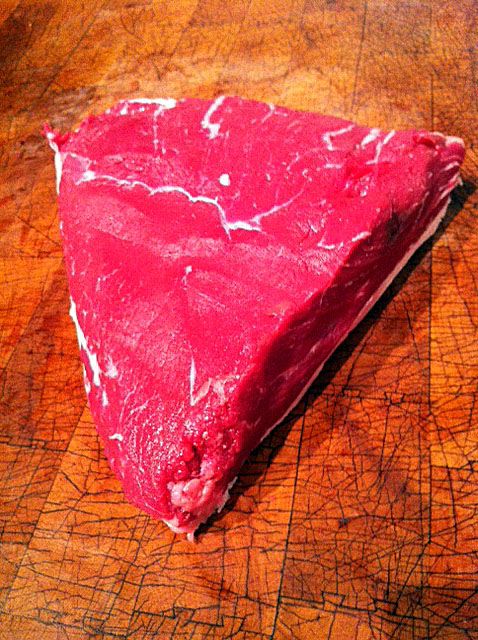
Tri-tip sits in the bottom sirloin and has a triangular shape that gives it its name. It has long been beloved in California barbecue, but many shoppers elsewhere are still only vaguely aware of it, which is a shame because tri-tip is flavorful, versatile, and often a strong value.
It can be cooked as a roast or cut into steaks, and it shines on the grill or in the oven. Tri-tip has enough marbling to stay juicy when cooked properly, but it is leaner than ribeye, so overcooking it is a fast path to regret. It also has changing grain directions across the cut, which means slicing correctly is especially important. Cut it the wrong way and it can seem chewy. Cut it correctly and it becomes one of the most satisfying beef cuts in the house.
For anyone who likes beefy flavor, leftovers for sandwiches, and a cut that feels a little regional and a little insider-ish, tri-tip is a terrific pick.
How to Buy These Cuts Without Looking Intimidated
The easiest way to buy unfamiliar butcher’s cuts is to stop relying on labels alone. Many of these cuts go by multiple names, and regional naming differences can make the same steak sound like three separate personalities. Bavette may be labeled sirloin flap. Picanha may be coulotte or sirloin cap. Shoulder petite tender may show up as teres major.
Ask the butcher these simple questions:
- What is your best lesser-known steak for grilling?
- What cut would you recommend if I want ribeye-level flavor for less money?
- Which cut should I slice thinly against the grain?
- Can you trim or portion this for me?
You do not need to sound like a cattle anatomist. You just need to sound interested. Good butchers love that.
How to Cook Butcher’s Cuts So They Actually Taste Great
Respect the Grain
This is the big one. Cuts like hanger, bavette, skirt, flank, and tri-tip often have visible muscle fibers. Slice with the grain and you will chew for what feels like an entire podcast episode. Slice against it and the meat becomes dramatically more tender.
Use High Heat for Tender Cuts
Flat iron, Denver steak, hanger steak, and many bavette preparations do best with a hot grill or ripping-hot skillet. You want a good crust and a juicy interior, not a gray, steamed identity crisis.
Be Careful With Leaner Cuts
Shoulder petite tender and tri-tip can be fantastic, but they do not love being overcooked. Use a thermometer, pay attention, and pull them before they cross into dry-territory drama.
Let the Meat Rest
Resting matters for flavor, juiciness, and cleaner slicing. A few minutes on the cutting board gives the juices time to redistribute instead of flooding your plate like a tiny beef emergency. For food safety, USDA recommends cooking whole beef steaks and roasts to 145°F and allowing a 3-minute rest. If a product is mechanically tenderized, follow the package directions carefully and use a thermometer.
Keep Seasoning Simple at First
One of the joys of unfamiliar butcher’s cuts is that they often have enough flavor to stand on their own. Salt and pepper may be all you need for picanha, flat iron, or Denver steak. Marinades shine especially well on cuts with open grain, such as hanger and bavette, but they should support the beef, not bury it.
Why These Cuts Feel Like Hidden Gems
Part of the appeal is economics, sure. But part of it is emotional. Ordering a ribeye feels safe. Ordering bavette feels like you know something. Asking for teres major feels like you have either watched too many food shows or evolved into the person you were always meant to become.
These cuts also reconnect people to the craft of butchery. Instead of shopping by habit, you start shopping by muscle structure, cooking style, and flavor profile. That makes dinner more interesting. It also makes the butcher counter feel less like a display case and more like a conversation.
Conclusion
The best steak in the butcher case is not always the one with the flashiest reputation. Sometimes it is hanger steak with its bold, beefy swagger. Sometimes it is bavette, soaking up marinade like a champion. Sometimes it is Denver steak quietly waiting to outperform expectations, or picanha showing off that glorious fat cap like it knows exactly how good it is.
If you want more flavor, better value, and a little more fun in your cooking routine, unfamiliar favorite butcher’s cuts are absolutely worth exploring. Start with one. Ask questions. Learn how to slice it. Cook it with confidence. Then casually mention it at dinner as if you have been doing this forever. That is part of the flavor too.
Kitchen Experiences With Unfamiliar Favorite Butcher’s Cuts
The first time many people cook an unfamiliar butcher’s cut, there is a tiny moment of doubt. You stare at the package, notice the odd shape, and wonder whether you accidentally bought a delicious mistake. Hanger steak looks different from the tidy steakhouse cuts most people grow up recognizing. Bavette can seem floppy and uneven. Picanha has that dramatic fat cap that practically winks at you from the cutting board. Tri-tip has an angle and grain pattern that suggests it came with homework. Then the cooking starts, and suddenly everything makes sense.
One of the most memorable things about these cuts is how alive they feel in the kitchen. Hanger steak hits a hot pan and smells intensely beefy almost immediately, like it has been waiting its whole life for this moment. Bavette loves a marinade and browns fast, taking on a crust that looks far more expensive than it is. Flat iron is the reliable overachiever of the group. It cooks evenly, slices beautifully, and tends to make people at the table say, “Wait, what cut is this?” in the tone usually reserved for pleasant surprises and extremely good pie.
Picanha delivers a different experience. It feels dramatic before you even taste it. Scoring the fat cap, salting it generously, and letting it roast or grill until the edges sizzle gives the whole meal a sense of ceremony. Then you slice into it and get that mix of juicy beef and rendered fat, and the table gets quiet in a very respectful way. It is the kind of cut that makes a backyard dinner feel just a little bit international, a little bit festive, and a lot more impressive than the amount of effort you actually spent.
Tri-tip is deeply satisfying in a different way. It is the cut that teaches patience. You season it, cook it carefully, rest it properly, then pay attention when slicing because the grain changes direction. It asks a little more from the cook, but it pays that effort back in flavor and versatility. One meal becomes sliced steak for dinner, then leftovers for sandwiches the next day, maybe even steak and eggs if you are feeling ambitious or simply unwilling to let good beef go to waste.
Then there is the butcher-counter experience itself, which is part of the fun. Asking for Denver steak or shoulder petite tender often changes the conversation. Instead of the usual “How many ribeyes?” you get recommendations, alternate names, and occasionally a little enthusiastic lecture from someone who is clearly thrilled you asked. That interaction can make shopping feel less transactional and more like being let in on a neighborhood secret.
In the end, these cuts are memorable not just because they taste good, but because they make cooking feel more curious and more personal. They reward attention without requiring culinary acrobatics. They turn ordinary steak night into something with a bit of story, a bit of experimentation, and a lot of flavor. Once you have had a great hanger steak sliced properly, or a juicy tri-tip carved the right way, or picanha with that gorgeous fat cap doing exactly what it was born to do, it is hard to go back to shopping on autopilot. You realize the butcher’s case has been full of possibilities all along. You just needed to meet the weirdly named stars.