Learning how to speak basic Pashto is a little like opening a door with a very old, very beautiful key. The language sounds warm, expressive, and musical, but it can feel mysterious at first if you are used to English. Good news: you do not need to memorize a whole dictionary before saying something useful. A handful of Pashto greetings, polite expressions, travel phrases, numbers, and everyday questions can help you start real conversations.
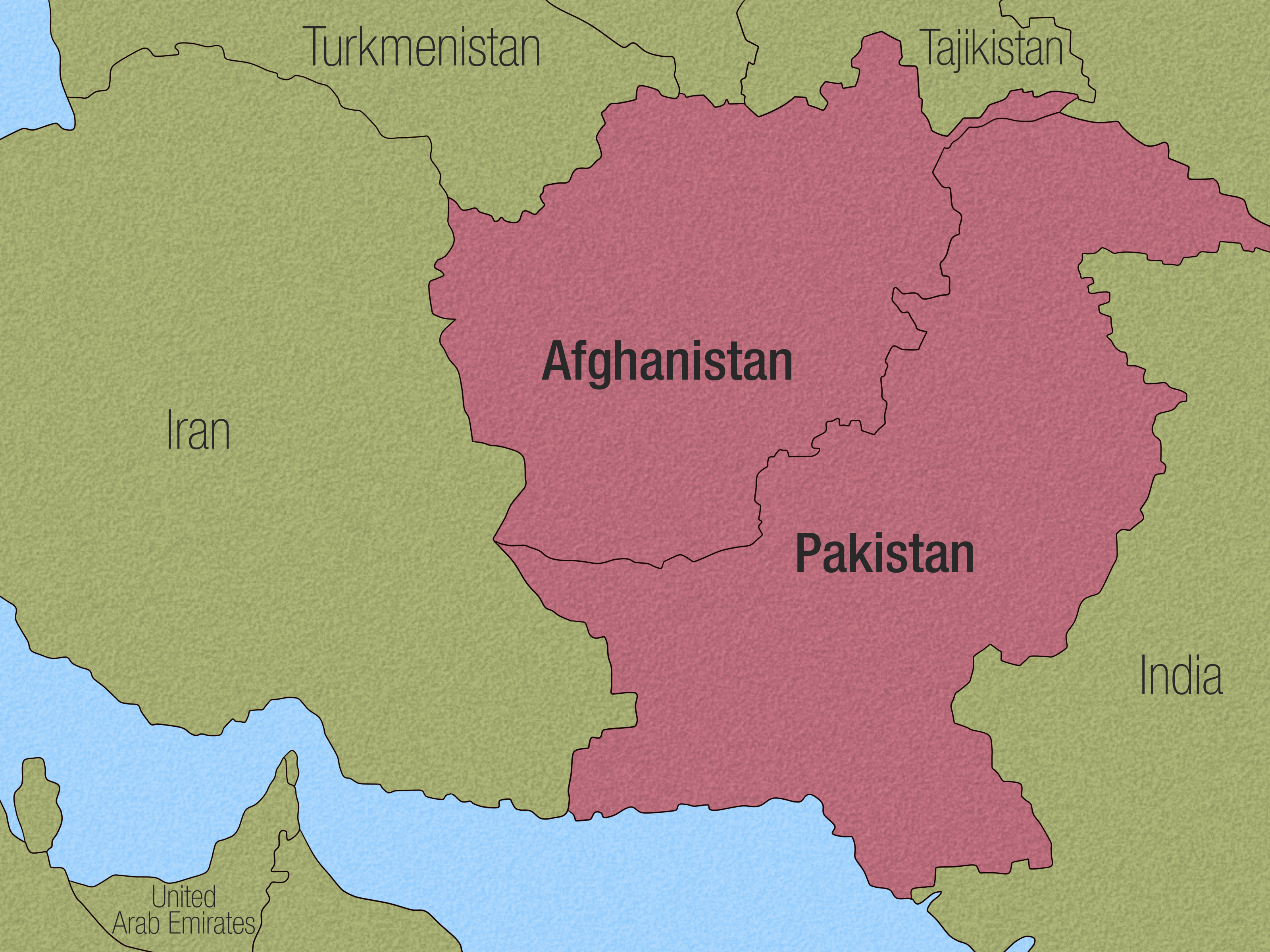
Pashto, also spelled Pushto or Pakhto, is an Indo-Iranian language spoken mainly in Afghanistan and Pakistan. It is one of Afghanistan’s official languages and has several dialects, including varieties commonly associated with Kabul, Kandahar, Peshawar, and other regions. That means one phrase may sound slightly different from place to place. Think of it like American English, British English, and Australian English meeting at a tea table and politely disagreeing about vowels.
This guide focuses on practical, beginner-friendly Pashto words and phrases. You will learn how to greet people, introduce yourself, ask simple questions, shop, travel, and handle basic situations with confidence. The goal is not to sound like a poetry professor on day one. The goal is to be understood, be respectful, and maybe earn a smile for trying.
Why Learn Basic Pashto?
Basic Pashto is useful for travelers, aid workers, journalists, students, language lovers, military personnel, interpreters-in-training, and anyone communicating with Pashto-speaking friends, neighbors, or colleagues. Even a few phrases can make an interaction feel more personal. Saying “thank you” in someone’s language is a small gesture, but it often lands with the emotional force of bringing cookies.
Pashto is also deeply connected to culture. Greetings are important. Respectful speech matters. Hospitality is valued. Learning simple Pashto phrases is not just about vocabulary; it is about showing that you care enough to step halfway across the bridge.
Pashto Pronunciation Basics for English Speakers
Before jumping into phrases, it helps to know that Pashto uses sounds that may not exist in English. Do not panic. Nobody expects you to pronounce everything perfectly at first. Your first job is to speak clearly and listen carefully.
Pashto Script and Transliteration
Pashto is written in a modified Arabic script, but beginners often start with transliteration, which means writing Pashto sounds using English letters. For example, “thank you” is often written as manana. Transliteration varies, so you may see the same phrase spelled in different ways. That does not always mean one version is wrong; it may reflect dialect, pronunciation, or the writer’s system.
Sounds to Watch
Some Pashto sounds are pronounced farther back in the throat than English sounds. You may also hear stronger “kh” and “gh” sounds. The “kh” sound is similar to the sound in the Scottish word “loch” or the German “Bach.” If that sound feels dramatic, imagine clearing your throat very politely at a fancy dinner.
Stress also matters. In many words, one syllable is emphasized more strongly. When learning from audio, repeat the rhythm, not just the letters. Pashto has music in it, and rhythm helps people understand you.
Essential Pashto Greetings
Greetings are the best place to begin because Pashto-speaking communities often value polite openings. Do not rush straight into business. Start with hello, ask how the person is, and let the conversation breathe.
Common Greetings
- Hello: Salaam
- Peace be upon you: As-salaamu alaykum
- Response: Wa alaykum salaam
- Welcome: Pa khair
- Good morning: Sahar mo pa khair
- Good night: Shpa de pa khair
Salaam is simple, widely understood, and friendly. If you learn only one Pashto greeting, make it this one. As-salaamu alaykum is also widely used and has religious and cultural importance in Muslim communities. The response, wa alaykum salaam, means “and peace be upon you.”
Asking “How Are You?” in Pashto
- How are you? Ta sanga ye?
- I am fine. Za kha yam.
- I am fine, thank you. Za kha yam, manana.
- And you? Ta sanga ye?
A simple exchange might sound like this:
Person A: Salaam. Ta sanga ye?
Person B: Za kha yam, manana. Ta sanga ye?
Translation: “Hello. How are you?” “I am fine, thank you. How are you?” Congratulations, you have just entered the world of Pashto small talk, where manners are not optional accessories.
Polite Pashto Words Everyone Should Know
Politeness is your best travel insurance. It will not replace your passport, but it may save you from sounding like a confused robot with a backpack.
- Please: Mehrabani
- Thank you: Manana
- Thank you very much: Dera manana
- You are welcome: Har kala rasha or Dera manana
- Excuse me / sorry: Obakhsha
- Yes: Ho
- No: Na
Manana is one of the most useful Pashto words you can learn. It is short, friendly, and works in many situations. If someone gives you directions, tea, help, or a patient smile after your third attempt at a phrase, manana is your friend.
How to Introduce Yourself in Pashto
Introductions are another high-value language skill. You can use them in casual meetings, community events, classrooms, and travel situations.
Basic Introduction Phrases
- What is your name? Sta num tsa de?
- My name is ___. Zama num ___ de.
- Nice to meet you. Pa ledo de khushala shum.
- I am from America. Za da Amreeka yam.
- I am a student. Za zedekoonkay yam.
- I am learning Pashto. Za Pashto zdam kawom.
Here is a simple example:
Salaam. Zama num Alex de. Za Pashto zdam kawom.
That means: “Hello. My name is Alex. I am learning Pashto.” It is simple, useful, and honest. Also, saying you are learning usually makes people more patient. It is the language learner’s equivalent of wearing a sign that says, “Please be kind; my grammar is still under construction.”
Useful Pashto Questions for Beginners
Questions help you survive real conversations. They let you ask for names, places, prices, help, and clarification. Start with these essential Pashto questions.
- What is this? Da tsa de?
- Where is ___? ___ cherta de?
- How much is this? Da so de?
- Do you speak English? Ta English waye?
- I do not understand. Za na poheegum.
- Please speak slowly. Mehrabani, karaara khabara oka.
- Can you help me? Ta ma sara madad kawalay she?
The phrase Za na poheegum is extremely useful. It means “I do not understand.” Use it freely. It is better than nodding confidently and accidentally agreeing to buy twelve goats, a carpet, and someone’s cousin’s old bicycle.
Basic Pashto Words for Everyday Conversation
Once you know greetings and questions, build your vocabulary with everyday words. These words appear often in basic conversation and help you understand context.
People and Family
- Man: Saray
- Woman: Khaza
- Child: Mashoom
- Friend: Malgaray
- Father: Plar
- Mother: Mor
- Brother: Wror
- Sister: Khor
Common Objects
- Water: Oba
- Food: Khwara
- Tea: Chai
- Bread: Dodai
- House: Kor
- Car: Motor
- Book: Ketab
- Phone: Telefon
Helpful Describing Words
- Good: Kha
- Bad: Bad
- Big: Loy
- Small: Worokay
- New: Nawey
- Old: Zor
- Hot: Tod
- Cold: Yakh
Pashto Numbers from 1 to 10
Numbers are essential for shopping, transportation, addresses, phone numbers, and basic conversation. Start with one to ten, then expand gradually.
- 1: Yaw
- 2: Dwa
- 3: Dre
- 4: Salor
- 5: Pinza
- 6: Shpag
- 7: Owa
- 8: Ata
- 9: Naha
- 10: Las
Practice counting objects around you: one cup, two books, three chairs. It may feel childish, but it works. Children are language-learning champions because they repeat simple things without worrying about looking silly. Adults could learn from that, though we usually prefer to pretend we are “studying vocabulary acquisition strategies.”
Pashto Travel Phrases
If you are traveling in a Pashto-speaking area, practical phrases are your toolkit. Learn how to ask where something is, how much something costs, and whether someone can help you.
Getting Around
- Where is the hotel? Hotel cherta de?
- Where is the market? Bazaar cherta de?
- Where is the bathroom? Tashnab cherta de?
- I need a taxi. Za taxi ta zaroorat laram.
- Stop here, please. Mehrabani, dalta wudregha.
- Go straight. Negh lar sha.
- Turn right. Rast ta wagarza.
- Turn left. Chap ta wagarza.
Shopping and Money
- How much is this? Da so de?
- It is too expensive. Da der qeemat de.
- Can you make it cheaper? Arzanawalay she?
- I want this. Za da ghwaram.
- I do not want this. Za da na ghwaram.
- Do you have water? Oba lary?
Shopping phrases are especially helpful because markets can be lively, fast, and full of friendly negotiation. A smile, a polite tone, and manana can go a long way.
Pashto Food and Drink Phrases
Food is one of the happiest reasons to learn a language. Pashto-speaking cultures are known for hospitality, and you may hear offers of tea, bread, rice, meat, or sweets. Learn these phrases before your stomach starts making translation requests.
- I am hungry. Za wugay yam.
- I am thirsty. Za tigay yam.
- I want water. Za oba ghwaram.
- I want tea. Za chai ghwaram.
- This is delicious. Da der khwandawar de.
- No meat, please. Mehrabani, ghosha na.
- I am full. Za moor yam.
If someone serves you tea, saying dera manana is always a good idea. If the food is delicious, say so. Complimenting food is a universal language, but saying it in Pashto adds extra seasoning.
Emergency and Safety Phrases in Pashto
Nobody wants to need emergency phrases, but learning them is smart. These expressions can help in stressful situations.
- Help! Madad!
- I need a doctor. Za doctor ta zaroorat laram.
- I am sick. Za najor yam.
- Where is the hospital? Roghton cherta de?
- Call the police. Police ta zang oka.
- I am lost. Za lara wraka kare da.
- Please help me. Mehrabani, ma sara madad oka.
For serious situations, use any language available, gestures, written addresses, maps, or translation apps. Your goal is not perfect grammar; your goal is clear communication.
Simple Pashto Grammar Tips for Beginners
You can learn many phrases by memory, but a little grammar helps you create your own sentences. Pashto grammar is more complex than English in some areas, especially gender, verb forms, and sentence structure. Still, beginners can start with a few simple patterns.
Word Order
Pashto often uses a subject-object-verb structure. English says, “I water want.” Wait, no, English says, “I want water.” Pashto structure may feel different because the verb often comes near the end. For example:
Za oba ghwaram. = I water want. = I want water.
Once you notice this pattern, many basic sentences become easier to understand.
Useful Sentence Pattern: “I Want…”
- I want tea. Za chai ghwaram.
- I want food. Za khwara ghwaram.
- I want this. Za da ghwaram.
Useful Sentence Pattern: “I Need…”
- I need help. Za madad ta zaroorat laram.
- I need a taxi. Za taxi ta zaroorat laram.
- I need a doctor. Za doctor ta zaroorat laram.
These patterns are practical because you can swap in new words as you learn them. Language learning becomes less like memorizing a brick wall and more like building with blocks.
Common Mistakes When Learning Basic Pashto
Depending Too Much on English Spelling
Transliteration is helpful, but it is not perfect. The same Pashto word may be written several ways in English letters. Use audio whenever possible. Listen to native speakers and copy their sound, not just the spelling.
Ignoring Dialects
Pashto dialects can differ in pronunciation and vocabulary. A phrase learned from one source may sound slightly different in another region. This is normal. When in doubt, ask a native speaker, “How do you say this here?” That question is linguistic gold.
Skipping Politeness
Do not underestimate polite phrases. Words like mehrabani, manana, and obakhsha soften your speech and show respect. A beginner with manners often communicates better than an advanced learner with the charm of a parking ticket.
How to Practice Speaking Basic Pashto
The fastest way to improve is to practice a little every day. Ten focused minutes daily usually beats one heroic three-hour session followed by two weeks of guilt.
Practice Out Loud
Reading silently helps recognition, but speaking builds confidence. Say each phrase out loud. Record yourself. Compare your pronunciation with native audio. Yes, hearing your own voice may feel strange. Everyone sounds like a confused documentary narrator at first.
Use Flashcards
Create flashcards for greetings, numbers, food words, and travel phrases. Put the English phrase on one side and the Pashto phrase on the other. Review them in short bursts.
Practice Mini Dialogues
Instead of memorizing isolated words, practice short conversations. For example:
A: Salaam. Sta num tsa de?
B: Zama num Sarah de. Ta sanga ye?
A: Za kha yam, manana.
This kind of practice trains your brain to respond naturally.
Label Your Environment
Put sticky notes on objects: ketab for book, oba for water, telefon for phone. Your home may start looking like a language classroom exploded, but the method works.
of Experience: What Learning Basic Pashto Feels Like in Real Life
Learning basic Pashto is not just an academic exercise; it is an experience in patience, humility, and human connection. The first thing many learners notice is that Pashto rewards bravery. You may hesitate before saying your first salaam, worrying that your accent will sound awkward. Then someone responds warmly, and suddenly the language feels less like a mountain and more like a path.
One of the most useful experiences is practicing greetings in real conversations. A beginner may spend a week memorizing ta sanga ye?, but the first time someone answers quickly, the brain may briefly leave the building. That is normal. Real speech is faster than textbook speech. Native speakers connect words, change tones, and use regional pronunciation. The solution is not to quit; it is to keep listening. Over time, familiar phrases begin to pop out of conversations like friendly landmarks.
Another common experience is discovering that politeness carries real power. A simple manana can change the mood of an interaction. People often appreciate the effort, especially when they can tell you are not just collecting phrases like souvenirs but genuinely trying to communicate. In many Pashto-speaking settings, respect and hospitality are deeply valued, so a polite beginner may be welcomed with encouragement, corrections, and possibly tea. Very possibly tea. Tea has a way of appearing in language learning stories.
Pronunciation can be challenging at first. The “kh” sound may feel strange, and some letters do not match English habits. Learners sometimes overthink every syllable and become afraid to speak. A better approach is to aim for steady improvement, not instant perfection. If people understand you, you are succeeding. If they correct you, you are also succeeding. Corrections are not insults; they are free upgrades.
Using Pashto in practical situations also teaches you which phrases matter most. You may think you need complicated grammar, but in daily life, phrases like da tsa de?, cherta de?, za na poheegum, and mehrabani become the real heroes. They help you ask what something is, find places, admit confusion, and stay polite. These phrases are small, but they carry a lot of weight.
The best experience comes when you stop treating Pashto as a list and start treating it as a living language. Listen to songs, watch short videos, repeat phrases, ask native speakers for help, and celebrate tiny wins. The first time you understand a greeting without translating it in your head, that is progress. The first time you introduce yourself smoothly, that is progress. The first time you make a mistake and laugh instead of freezing, that may be the biggest progress of all.
Conclusion
Learning how to speak basic Pashto begins with useful words, respectful greetings, and practical phrases you can use right away. Start with salaam, manana, ta sanga ye?, and za na poheegum. Then build your skills with introductions, numbers, food phrases, travel questions, and simple sentence patterns. Pashto may feel challenging at first, especially because of pronunciation and dialect differences, but every phrase you learn gives you another bridge to real communication.
The secret is simple: practice out loud, listen carefully, use polite expressions often, and do not wait until you are perfect to speak. Nobody becomes confident by silently staring at vocabulary lists forever. Open your mouth, make a friendly mistake, say manana, and keep going.
Note: Pashto pronunciation and word choice can vary by region and dialect, so learners should use native audio and local guidance whenever possible.