A garbage disposal is supposed to make kitchen cleanup easier, not turn your sink into a tiny haunted swamp. Yet sooner or later, many homeowners lean over the sink and wonder, “Why does my garbage disposal smell like last week’s dinner is staging a comeback?” The good news is that most garbage disposal smells are not mysterious, expensive, or permanent. They usually come from trapped food particles, grease buildup, a dirty splash guard, poor flushing, or drain residue hiding where your sponge cannot reach.
Learning how to get rid of garbage disposal smells is less about fancy products and more about smart habits: clean the rubber baffle, flush with enough water, use baking soda and vinegar correctly, grind ice to knock loose residue, and stop feeding the disposal things it was never designed to handle. Think of your disposal as a helpful kitchen assistant, not a garbage-eating dragon. It can handle small scraps, but it does not want grease, coffee grounds, pasta mountains, onion skins, or your entire Thanksgiving prep pile.
This guide explains why garbage disposals smell, how to clean them step by step, what natural deodorizers actually help, when to use commercial disposal cleaners, and how to keep odors from coming back. By the end, your kitchen sink should smell less like “science project” and more like a normal, civilized place where dishes go to become clean.
Why Does a Garbage Disposal Smell Bad?
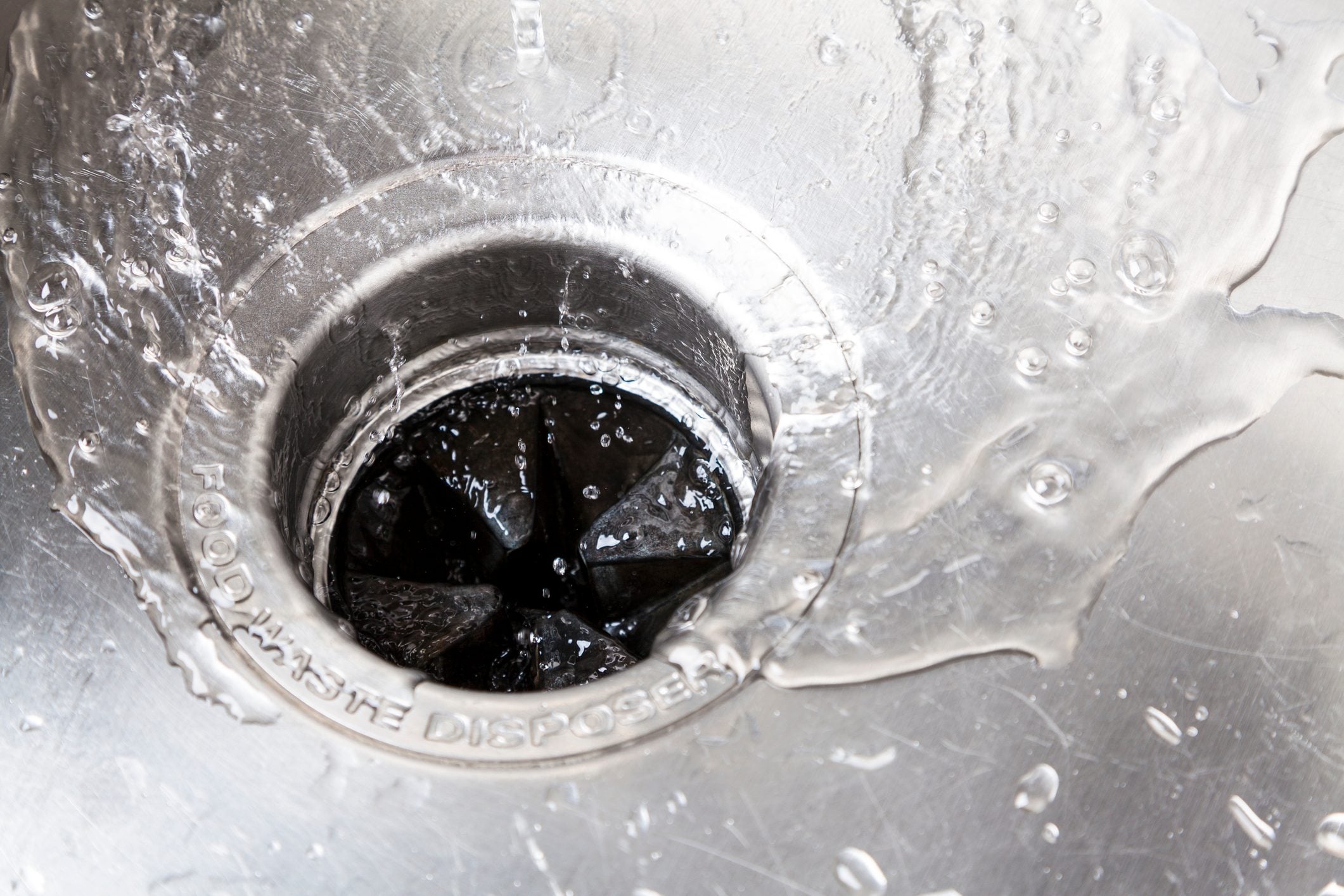
The most common cause of a smelly garbage disposal is decomposing food residue. Tiny bits of food can stick to the grinding chamber, the underside of the rubber splash guard, the drain opening, or the pipe just beyond the disposal. Over time, bacteria break down that organic matter and create foul odors. In plain English: old food plus moisture plus darkness equals stink.
Another common issue is not using enough water. When you run the disposal without a strong stream of water, food particles may not fully rinse through the drain line. They can cling to the sides, collect grease, and build a funky little odor apartment. Slow drainage makes the problem worse because food sludge sits longer inside the disposal and pipes.
Common odor culprits include:
- Food particles stuck under the splash guard
- Grease, oil, or fat coating the drain line
- Coffee grounds, eggshells, pasta, or rice forming sludge
- Fibrous scraps like celery, corn husks, and onion skins
- Not enough cold water before, during, and after grinding
- A dirty P-trap or drain line beyond the disposal
- A disposal that is rarely used or poorly maintained
Before you blame the whole appliance, remember that the smell may not be coming from the grinding chamber alone. Sometimes the drain, splash guard, dishwasher connection, or P-trap is the real villain. That is why a good cleaning routine should target more than just the visible opening.
Safety First: What To Do Before Cleaning
Before you clean a garbage disposal, treat it with respect. It may be small, but it is still a powered appliance connected to sharp grinding components. Never put your hand into the disposal. If you need to remove visible debris, turn off the disposal, cut power if possible, and use tongs or pliers instead of fingers.
If your disposal has a removable splash guard, turn off the power before removing or scrubbing it. Some splash guards lift out easily; others are fixed in place. Check your owner’s manual if you are unsure. When in doubt, clean around the guard carefully with a brush rather than forcing parts out.
Do not mix cleaners
This matters. Do not mix bleach with vinegar, ammonia, drain cleaner, or other household cleaners. Mixing cleaning products can release dangerous fumes. If you choose to use a disinfecting product or disposal cleaner, follow the label exactly and use one product at a time. Your sink does not need a chemistry experiment with dramatic consequences.
Step-by-Step: How To Get Rid of Garbage Disposal Smells
The best way to remove garbage disposal odor is to clean in layers. Start with the simple rinse, scrub the splash guard, loosen residue with ice, deodorize with baking soda, and finish with citrus or a commercial cleaner if needed.
Step 1: Flush the disposal with cold water and dish soap
Start with the easiest fix. Turn on a strong stream of cold water, add a few drops of dish soap into the disposal, then run the unit for 30 to 60 seconds. Let the cold water continue for another 15 to 30 seconds after turning the disposal off. This helps wash loosened food particles through the drain.
Cold water is usually best when grinding food waste because it keeps fats and grease more solid, making them easier to chop and flush away. Hot water can melt grease temporarily, but that grease may cool and harden farther down the pipe. That is how a small odor problem becomes a plumbing problem with a bill attached.
Step 2: Scrub the splash guard
If your garbage disposal still smells after a basic rinse, the rubber splash guard may be the problem. This flexible black flap catches splashes, but it also catches food slime. Lift the flaps and look underneath with a flashlight. If you see grayish gunk, mystery paste, or anything that makes you regret owning a nose, clean it.
Use an old toothbrush, bottle brush, or small scrub brush with warm soapy water. Scrub the underside of the flaps, the drain rim, and the visible top of the grinding chamber. Rinse thoroughly. If the splash guard is removable, wash it in hot, soapy water and let it dry before replacing it. This one step often solves stubborn odors because the smell is sitting right at sink level.
Step 3: Grind ice cubes to loosen stuck residue
Next, add two cups of ice cubes to the disposal. Turn on cold water, then run the disposal until the ice is crushed. Ice helps knock loose food residue from the grinding chamber and can clean areas that a brush cannot easily reach. For extra scrubbing power, add a small handful of coarse salt with the ice.
The disposal may sound loud during this process. That is normal. It is basically chewing frozen rocks, so do not expect spa music. Keep the water running and let the ice fully grind down.
Step 4: Use baking soda and vinegar for deodorizing
Baking soda is excellent for absorbing odors, while vinegar helps loosen grime and mineral residue. Pour half a cup of baking soda into the disposal. Follow with one cup of white vinegar. The mixture will fizz, which is satisfying in the way only harmless kitchen volcanoes can be.
Let it sit for 10 to 15 minutes. Then flush the drain with hot water for cleaning, or use very warm water if your plumbing is older and you prefer a gentler rinse. Do not run the disposal while the mixture is sitting. The goal is to let the fizzing action reach residue around the drain and disposal chamber.
Step 5: Freshen with citrus peels
After cleaning, grind a few small pieces of lemon, lime, orange, or grapefruit peel with cold running water. Citrus peels can help freshen the smell and provide light scrubbing action. Use small pieces, not half a fruit. Your disposal wants a citrus snack, not a fruit salad.
Citrus is best used as a finishing touch, not the main cleaning method. Lemon peels can make the sink smell nice, but they will not remove heavy sludge hiding under the splash guard or deep in the drain line. Clean first, perfume later.
Step 6: Try an enzyme-based disposal cleaner
If the odor keeps returning, an enzyme-based disposal or drain cleaner may help. These products are designed to break down organic residue such as food particles, fats, and biofilm. Follow the label directions carefully, and do not mix them with bleach, vinegar, or other cleaners.
Foaming disposal tablets can also be useful because they expand inside the chamber and reach the walls, baffle, and drain opening. They are especially handy for regular maintenance when you want something quick and pre-measured.
Natural Ways To Deodorize a Garbage Disposal
If you prefer simple household ingredients, you have several good options. Natural methods work best when used regularly, before the disposal becomes truly disgusting. Once thick grease or heavy drain buildup forms, you may need deeper cleaning or professional help.
Baking soda
Pour half a cup of baking soda into the disposal and let it sit for 10 minutes before rinsing. Baking soda helps absorb odors and provides mild abrasion. It is inexpensive, easy to find, and less dramatic than pouring mystery chemicals down the drain.
White vinegar
White vinegar helps cut residue and neutralize some odors. Use it with baking soda for a fizzing deodorizing treatment, or freeze vinegar in ice cube trays and grind a few cubes with cold water. Do not use vinegar right before or after bleach or another chemical cleaner.
Ice and salt
Ice and coarse salt make a simple scrubbing combo. The ice knocks debris loose while the salt adds grit. This method is useful when your disposal smells stale but is still draining normally.
Citrus peels
Lemon, orange, lime, and grapefruit peels can refresh a disposal after cleaning. Cut peels into small strips and run them with plenty of cold water. Avoid large chunks because they can jam weaker units or strain older disposals.
What Not To Put Down a Garbage Disposal
Prevention is the secret to a fresh-smelling disposal. Many odors begin because the disposal is forced to process foods that create sludge, clogs, or stubborn residue. Even powerful models have limits.
Avoid these odor-causing troublemakers:
- Grease, oil, and fat: They coat pipes and harden as they cool.
- Coffee grounds: They clump into dense sludge instead of rinsing away cleanly.
- Eggshells: The tiny particles can stick to greasy residue and contribute to buildup.
- Pasta and rice: These expand with water and can form sticky clogs.
- Potato peels: They can create a starchy paste inside the disposal.
- Celery, corn husks, and onion skins: Fibrous scraps can wrap around grinding parts.
- Bones and seafood shells: Hard items can damage or jam the disposal.
- Large amounts of food: A disposal is not a trash can with electricity.
When in doubt, scrape food into the trash or compost bin first. Use the disposal only for small scraps that accidentally remain after scraping plates. This habit alone can reduce odors, clogs, and awkward conversations with plumbers.
Daily Habits That Keep Garbage Disposal Smells Away
A fresh disposal depends on small routines. You do not need to deep-clean it every day, but you do need to use it correctly.
Run plenty of cold water
Turn on cold water before starting the disposal. Keep it running while the disposal grinds, then continue running water for 15 to 30 seconds after turning the unit off. This helps move food particles through the drain instead of leaving them behind to rot.
Feed scraps slowly
Add food gradually. Overloading the disposal can leave chunks behind, slow drainage, and create odor. Small batches are easier for the unit to grind and flush.
Use the disposal regularly
A disposal that sits unused can develop stagnant odors. Running it with cold water and a little dish soap once or twice a week helps keep the chamber rinsed and moving.
Clean weekly, deep-clean monthly
For many households, a quick weekly cleaning with dish soap, cold water, and ice is enough. Once a month, clean the splash guard and use baking soda and vinegar or a disposal cleaner. If you cook frequently, clean more often. If your kitchen is mostly used for coffee and takeout containers, you may need less maintenance, though coffee grounds still belong in the trash.
Why the Smell Comes Back After Cleaning
If your garbage disposal smells better for a day and then returns to swamp mode, the source may be outside the grinding chamber. Check for slow drainage, standing water, or a clogged P-trap. A dirty P-trap can hold decomposing food and grease even after the disposal itself is clean.
The dishwasher drain connection can also contribute to odors. Many dishwashers drain through the garbage disposal. If the dishwasher hose is installed incorrectly or food residue backs up, the sink area may smell even when the disposal looks clean. In that case, inspect the hose, air gap if you have one, and dishwasher filter.
Another possibility is a dry or dirty drain line. If the sink is rarely used, water in the trap can evaporate and allow sewer gases to enter the kitchen. Running water may solve this quickly. If you notice a strong rotten egg or sewage smell, persistent slow drainage, gurgling, or backups, call a plumber.
Can You Use Bleach in a Garbage Disposal?
Bleach is sometimes recommended in very diluted amounts for odor-causing bacteria, but it should be used carefully. Never pour bleach into the disposal with vinegar, ammonia, dish products containing ammonia, drain cleaners, or other chemicals. Use proper ventilation and follow product instructions.
For routine odor control, gentler methods are usually enough: dish soap, cold water, ice, baking soda, vinegar used separately from bleach, citrus peels, or an enzyme cleaner. Harsh drain chemicals are generally not the first choice for garbage disposals because they may damage components or create safety risks if misused.
When To Call a Professional
Most garbage disposal smells can be fixed with cleaning, but not all. Call a plumber or appliance professional if you notice:
- Odor that smells like sewage or rotten eggs
- Slow drainage after cleaning
- Water backing up into the sink
- Frequent clogs
- Leaks under the sink
- A disposal that hums but does not grind
- A burning smell or electrical odor
- Bad smells coming from both sink and dishwasher
A persistent smell may come from a clogged drain line, dirty P-trap, improper dishwasher connection, failing disposal, or plumbing vent issue. Cleaning the disposal is helpful, but it cannot fix a drain problem hiding farther down the system.
Quick Cleaning Routine for a Fresh-Smelling Disposal
Here is a simple routine you can use when your garbage disposal smells bad but still drains normally:
- Run cold water and dish soap through the disposal for one minute.
- Turn off the disposal and scrub the splash guard with a brush.
- Grind two cups of ice with cold water.
- Add half a cup of baking soda and one cup of white vinegar.
- Let it fizz for 10 to 15 minutes.
- Flush with warm water.
- Grind a few small citrus peels with cold water for freshness.
This method covers the most common odor zones: surface grime, stuck food, drain residue, and lingering smell. It is simple, affordable, and does not require turning your kitchen into a cleaning product laboratory.
Extra Experiences: Real-Life Lessons From Smelly Garbage Disposals
Anyone who has lived with a garbage disposal long enough eventually learns that smells usually come from habits, not bad luck. One common experience is the “I ran lemon peels, why does it still stink?” problem. Citrus peels make the sink smell fresh for a short time, but they do not remove the sticky layer under the rubber splash guard. It is like spraying cologne on gym socks. Better? Briefly. Fixed? Absolutely not.
Another familiar situation happens after a big dinner. You rinse plates, run the disposal, and assume everything is gone. The next morning, the sink smells like a buffet had a nervous breakdown. Usually, the disposal was overloaded. Too many scraps went in at once, water did not run long enough, and food bits remained trapped inside. Feeding scraps slowly and flushing longer after grinding makes a huge difference.
Grease is another lesson people often learn the hard way. Bacon fat, pan drippings, melted butter, and oily sauces may look harmless when warm. Down the drain, they cool, thicken, and cling to pipe walls. Then tiny food particles stick to the grease, and suddenly the disposal smells like a forgotten takeout container. The better habit is simple: let grease cool, wipe it into the trash, and rinse pans before washing.
Coffee grounds are sneaky too. Many people think they clean or sharpen the disposal because they smell pleasant and feel gritty. In reality, grounds can collect like wet sand in the drain. If you drink coffee every day and send the grounds down the sink, the odor may come from sludge forming beyond the disposal. Compost them, trash them, or use them in the garden if appropriate, but do not make your drain drink espresso.
The splash guard deserves special mention because it is the part most people ignore. From above, the sink may look clean. Under the rubber flaps, however, there can be a sticky ring of food residue. Cleaning it is not glamorous, but it is often the “wow, that was the smell” moment. A toothbrush, dish soap, and five minutes can do more than three rounds of lemon peels.
In homes with dishwashers, disposal smells can be confusing. You clean the disposal, but the odor returns after running the dishwasher. That may point to the dishwasher filter, drain hose, or air gap. Cleaning the dishwasher filter and checking for backed-up food residue can solve what seemed like a disposal problem. Kitchen plumbing is connected, so odor detective work sometimes needs a wider search area.
The best long-term experience is creating a mini routine. Once a week, run cold water, add dish soap, grind ice, and rinse. Once a month, scrub the splash guard and use baking soda and vinegar. After cooking greasy meals, be extra careful about wiping pans and flushing the drain. These small habits prevent the dramatic “what died in the sink?” moment that always seems to happen when guests are ten minutes away.
The final lesson is that a garbage disposal should never be used as a substitute for the trash can. It is helpful for small scraps, not heroic food disposal. Treat it gently, clean it regularly, and it will return the favor by staying quiet, useful, and mostly odor-free. That is all anyone really wants from a kitchen appliance: do the job, do not smell weird, and please do not create a plumbing emergency on a Sunday.
Conclusion
Getting rid of garbage disposal smells starts with understanding the cause. Most odors come from trapped food, dirty splash guards, grease buildup, poor flushing, or drain residue. The fix is usually straightforward: run cold water and dish soap, scrub the splash guard, grind ice, deodorize with baking soda and vinegar, and finish with small citrus peels for freshness.
To keep smells from returning, avoid grease, coffee grounds, eggshells, pasta, rice, potato peels, fibrous vegetables, bones, and large food loads. Run plenty of cold water before, during, and after using the disposal. Clean weekly and deep-clean monthly. If odor persists despite cleaning, check the drain line, P-trap, dishwasher connection, or call a professional.
A fresh garbage disposal does not require magic. It requires water, cleaning, good food-scrap habits, and the courage to scrub under the splash guard. Your nose will thank you. Your pipes probably will too.