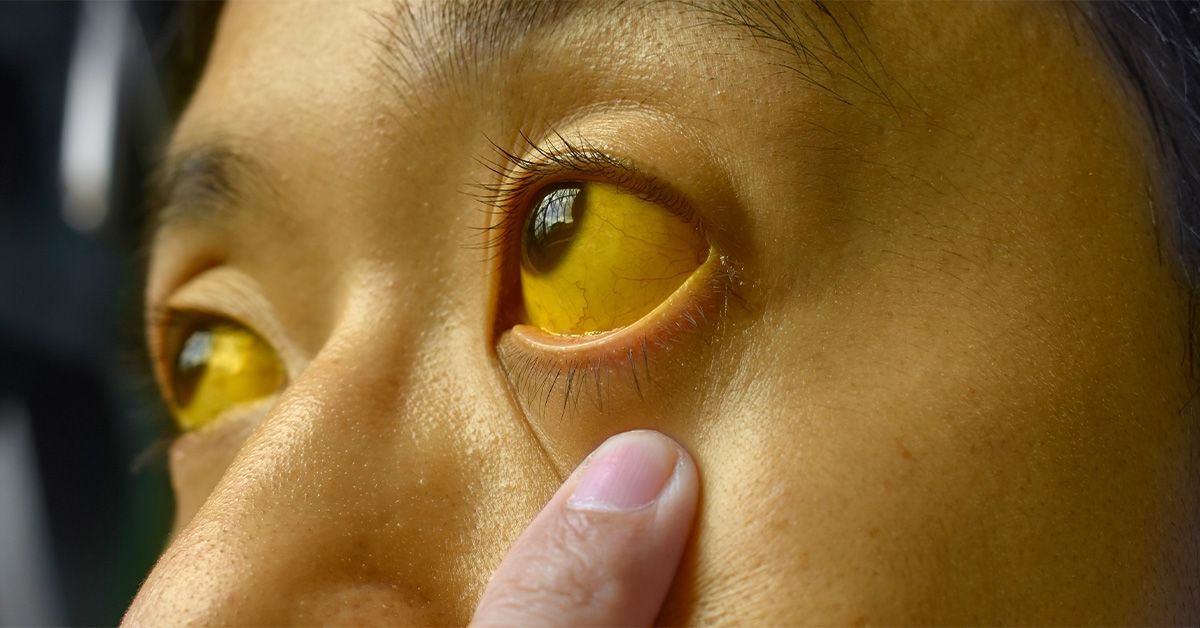
Jaundice is one of those health signs that is hard to ignore once you notice it. The skin may look yellow, the whites of the eyes may turn golden, urine may become dark, and suddenly your body seems to be sending a very bright, very yellow memo: something needs attention.
But jaundice is not a disease by itself. It is a visible sign that too much bilirubin has built up in the body. Bilirubin is a yellow pigment produced when old red blood cells break down. Normally, the liver processes bilirubin, bile carries it through the digestive system, and the body removes it in stool and urine. When that system slows down, gets blocked, or becomes overwhelmed, bilirubin can accumulate and cause the classic yellow color.
The important thing to understand is this: jaundice can be mild and temporary, especially in many newborns, but in adults it may point to liver disease, gallstones, hepatitis, pancreatic problems, medication reactions, or blood disorders. In other words, jaundice is not a “wait three months and see” kind of symptom. It deserves a proper medical evaluation.
What Is Jaundice?
Jaundice, also called icterus, occurs when bilirubin levels rise high enough to tint body tissues yellow. The change is often easiest to spot in the whites of the eyes, called the sclera. Skin changes may be more obvious in lighter skin tones, while in darker skin tones yellowing may be easier to notice in the eyes, inside the mouth, palms, or soles.
Bilirubin begins with the normal breakdown of red blood cells. These cells do not live forever; after about 120 days, the body recycles them like a very efficient warehouse manager. Hemoglobin from old red blood cells is broken down, bilirubin is formed, and the liver prepares it for removal. When the liver cannot process bilirubin properly, when bile ducts are blocked, or when red blood cells break down too quickly, bilirubin builds up.
Common Symptoms of Jaundice
The most recognizable symptom of jaundice is yellowing of the skin and eyes. However, jaundice often travels with other clues that help doctors determine what is causing the problem.
Visible Yellowing
Yellowing may start subtly. A person may look “a little off,” tired, or unusually warm-toned before the color becomes obvious. The whites of the eyes often provide the clearest early clue. In newborns, jaundice commonly begins on the face and may spread downward to the chest, belly, legs, and feet if bilirubin rises.
Dark Urine
Dark yellow, brown, tea-colored, or cola-colored urine can happen when bilirubin is being excreted through urine. If you are drinking enough water and your urine still looks unusually dark, your body may be waving a small red flag with a yellow highlighter.
Pale or Clay-Colored Stool
Normal stool gets much of its brown color from bile. If bile cannot reach the intestines because of a blockage, stool may become pale, gray, or clay-colored. This can be especially concerning when paired with dark urine and yellow eyes.
Itchy Skin
Some people with jaundice experience intense itching, also called pruritus. It may be mild or maddening. When bile flow is blocked, substances that normally leave through bile may build up and irritate the skin.
Fatigue, Nausea, and Poor Appetite
Jaundice caused by liver inflammation, infection, or chronic liver disease may come with tiredness, nausea, vomiting, loss of appetite, abdominal discomfort, or unexpected weight loss. These symptoms are not specific to jaundice, but together they help paint the medical picture.
Abdominal Pain or Swelling
Pain in the upper right side of the abdomen may suggest liver, gallbladder, or bile duct problems. Severe abdominal pain, fever, confusion, vomiting blood, black stools, or easy bruising should be treated as urgent warning signs.
Main Causes of Jaundice
Doctors often think about jaundice in three broad categories: problems before bilirubin reaches the liver, problems inside the liver, and problems after bilirubin leaves the liver. That may sound like a traffic report, but it is actually a useful way to understand what is happening.
1. Pre-Hepatic Jaundice: Too Much Bilirubin Production
Pre-hepatic jaundice happens before bilirubin reaches the liver. The liver may be healthy, but it receives more bilirubin than it can handle. This often happens when red blood cells are destroyed too quickly, a process called hemolysis.
Possible causes include hemolytic anemia, certain inherited blood disorders, reactions to medications, autoimmune conditions, infections, or complications from blood transfusions. In these cases, the problem is not that the liver forgot how to do its job; it is that the bilirubin workload suddenly became a mountain instead of a molehill.
2. Hepatic Jaundice: Liver Cell Damage or Dysfunction
Hepatic jaundice happens when the liver itself cannot properly process bilirubin. This may occur because liver cells are inflamed, scarred, infected, overloaded, or injured.
Common liver-related causes include viral hepatitis, alcohol-associated liver disease, fatty liver disease, cirrhosis, autoimmune liver disease, genetic conditions such as Gilbert syndrome, and drug-induced liver injury. Some medications, supplements, and toxins can irritate or damage the liver. Acetaminophen overdose, for example, can be especially dangerous and requires emergency care.
Hepatitis A, B, and C can all affect the liver, though they spread in different ways and require different prevention and treatment strategies. Cirrhosis, or advanced liver scarring, can develop after long-term injury from alcohol use, chronic viral hepatitis, metabolic disease, or other conditions. As liver function worsens, jaundice may appear alongside swelling, bruising, confusion, and severe fatigue.
3. Post-Hepatic Jaundice: Blocked Bile Flow
Post-hepatic jaundice, also called obstructive jaundice, happens after the liver has processed bilirubin but bile cannot flow normally into the intestines. Think of it as a plumbing problem in the bile ducts.
Gallstones are a common cause. A stone can leave the gallbladder and block a bile duct, leading to pain, jaundice, dark urine, pale stool, and sometimes fever. Other causes include inflammation of the bile ducts, narrowing of the ducts, pancreatic cancer, bile duct cancer, liver tumors, or pancreatitis.
Obstructive jaundice is important because it may require imaging, endoscopic procedures, or surgery. When a blockage is paired with infection, fever, chills, and severe abdominal pain, urgent treatment is needed.
Jaundice in Newborns
Newborn jaundice is common, especially during the first week of life. Babies have a higher turnover of red blood cells, and their young livers may not yet process bilirubin quickly. In many healthy newborns, mild jaundice improves as feeding increases and the liver matures.
Still, newborn jaundice must be monitored. Very high bilirubin levels can be dangerous because bilirubin can affect the brain in rare severe cases. Parents should contact a pediatrician if a baby becomes more yellow, is very sleepy, feeds poorly, has fewer wet diapers, has a fever, cries in a high-pitched way, or seems unusually floppy or hard to wake.
Treatment for newborn jaundice may include more frequent feeding, careful bilirubin monitoring, phototherapy with special light, and rarely more intensive treatments such as exchange transfusion. The goal is simple: lower bilirubin safely before it causes harm.
How Doctors Diagnose Jaundice
Because jaundice is a sign, not a final diagnosis, the medical detective work matters. A healthcare provider will usually start with a health history and physical exam. They may ask when yellowing began, whether urine or stool color changed, what medicines or supplements you take, how much alcohol you drink, whether you have abdominal pain, and whether you have risk factors for hepatitis.
Blood Tests
Blood tests often include total and direct bilirubin, liver enzymes such as ALT and AST, alkaline phosphatase, gamma-glutamyl transferase, albumin, prothrombin time or INR, and a complete blood count. These tests help determine whether the pattern looks like liver cell injury, bile duct obstruction, blood cell breakdown, or reduced liver function.
Urine Tests
Urine testing can detect bilirubin and other signs of illness. The presence or absence of bilirubin in urine may help distinguish between different types of jaundice.
Imaging Tests
If a blockage is suspected, imaging may be needed. Ultrasound is commonly used to look at the liver, gallbladder, and bile ducts. Depending on the situation, doctors may order CT scans, MRI, MRCP, or specialized procedures such as ERCP, which can diagnose and sometimes treat bile duct blockages.
Liver Biopsy or Specialized Testing
In some cases, additional tests are needed to check for autoimmune liver disease, genetic conditions, viral hepatitis, metabolic disorders, or cancer. A liver biopsy may be considered when the diagnosis remains unclear or when doctors need to assess the degree of liver damage.
Treatments for Jaundice
There is no single treatment for jaundice because the correct treatment depends on the cause. Treating jaundice without finding the cause would be like mopping the floor while the sink is still overflowing. The yellow color improves when the underlying problem improves.
Treating Liver Inflammation or Infection
If viral hepatitis is responsible, treatment depends on the type. Hepatitis A usually requires supportive care, rest, hydration, and monitoring. Hepatitis B and C may require antiviral medications. Autoimmune liver diseases may need immune-suppressing medicines. Drug-induced liver injury requires stopping the harmful medication under medical supervision.
Treating Gallstones or Bile Duct Blockage
When jaundice is caused by gallstones or blocked bile ducts, treatment may involve removing the blockage. ERCP can sometimes remove stones from the bile duct. Gallbladder surgery may be recommended if gallstones are causing repeated problems. Tumors or strictures may require stents, surgery, chemotherapy, radiation, or specialist care.
Treating Blood Disorders
If jaundice results from rapid red blood cell breakdown, treatment focuses on the cause of hemolysis. This may involve medications, treating infections, managing autoimmune disease, or addressing inherited blood conditions.
Lifestyle and Supportive Care
For liver-related causes, lifestyle changes can be powerful. Avoiding alcohol, maintaining a healthy weight, managing diabetes, eating a balanced diet, staying hydrated, and using medications only as directed can support liver health. However, lifestyle changes should not replace medical care when jaundice is present.
Phototherapy for Newborns
Phototherapy is a common treatment for newborn jaundice. Special blue light helps change bilirubin into a form the baby can eliminate more easily. It is safe, widely used, and often very effective.
When to Seek Medical Help
Adults with new jaundice should contact a healthcare provider promptly. Jaundice can point to conditions that need quick diagnosis and treatment, including hepatitis, blocked bile ducts, severe liver injury, or cancer.
Seek urgent care immediately if jaundice appears with severe abdominal pain, fever, confusion, extreme sleepiness, vomiting blood, black or bloody stool, fainting, severe weakness, easy bruising, or swelling of the abdomen. These symptoms may suggest infection, liver failure, internal bleeding, or another serious condition.
Parents should call a pediatrician if a newborn’s yellowing worsens, spreads below the chest, affects the eyes strongly, or comes with poor feeding, unusual sleepiness, fever, irritability, or fewer wet diapers.
Can Jaundice Be Prevented?
Not every case of jaundice can be prevented, but many risks can be reduced. Vaccination can help prevent hepatitis A and B. Safer sex practices, avoiding shared needles, and careful handling of blood exposure can lower hepatitis risk. Drinking alcohol moderately or not at all reduces the chance of alcohol-related liver disease. Maintaining a healthy weight can lower the risk of fatty liver disease.
It is also wise to use medications responsibly. Follow dosing instructions, avoid mixing alcohol with medicines that stress the liver, and talk to a healthcare provider before taking multiple supplements. “Natural” does not automatically mean “liver-friendly.” Your liver reads chemistry, not marketing labels.
Living Through Jaundice: Real-World Experiences and Practical Lessons
People who experience jaundice often describe the first signs as confusing rather than dramatic. One person may notice that their eyes look yellow in the bathroom mirror under bright light. Another may hear a family member say, “You look a little yellow,” which is not exactly the compliment anyone hopes for at breakfast. Others first notice dark urine and assume they are dehydrated, only to realize the color does not improve after drinking water.
A common experience is delayed recognition. Jaundice can creep in slowly, especially when related to liver disease. Someone may feel tired for weeks, lose their appetite, and blame stress, work, or a busy schedule. Then the yellowing appears, and suddenly the scattered symptoms connect. This is why paying attention to patterns matters. Fatigue alone is common. Nausea alone is common. Dark urine alone might be dehydration. But fatigue plus yellow eyes plus pale stool is a very different story.
Another real-life lesson is that jaundice can create anxiety. Seeing your eyes turn yellow can feel alarming because it is visible proof that something internal is happening. Many people immediately fear the worst. While jaundice should be taken seriously, it does not always mean a life-threatening illness. Some causes are treatable, such as gallstones blocking a bile duct. Others, such as viral hepatitis or medication-related liver irritation, may improve with the right care. The key is not panic; the key is prompt evaluation.
Families of newborns often have a different experience. New parents may feel frightened when their baby’s skin looks yellow, especially because newborns are tiny, precious, and unfortunately not delivered with an owner’s manual. Pediatric follow-up is essential because many newborns have mild jaundice that clears with feeding and time, but some babies need bilirubin testing and phototherapy. Parents often describe relief when they understand that phototherapy is common and that treatment is designed to prevent complications before they occur.
For adults recovering from jaundice, the experience may involve more than medical treatment. It may require changing daily habits: stopping alcohol, adjusting medications, improving diet, losing weight, or following up with specialists. Some people discover an underlying condition they did not know they had, such as hepatitis, fatty liver disease, gallstones, or Gilbert syndrome. Others learn the hard way that ignoring symptoms does not make them cheaper, easier, or less yellow.
The most practical takeaway is simple: do not self-diagnose jaundice based on internet photos or home guesses. Take a picture if the color seems to change, write down symptoms, list medications and supplements, and seek medical care. Bring details about stool color, urine color, pain, fever, travel, alcohol use, and recent illnesses. These details help doctors move faster from “you look yellow” to “here is why, and here is what we do next.”
Conclusion
Jaundice is the body’s yellow warning light. It happens when bilirubin builds up, often because of liver disease, bile duct blockage, blood disorders, medications, infections, or normal newborn adjustment. The color change may be obvious, but the cause is not always simple. That is why proper testing matters.
In adults, new jaundice should be evaluated promptly, especially when it comes with dark urine, pale stool, abdominal pain, fever, confusion, easy bruising, or severe fatigue. In newborns, jaundice is common but still needs monitoring because very high bilirubin can be dangerous. Treatments may include supportive care, medication, stopping a harmful drug, removing a bile duct blockage, surgery, phototherapy, or specialist treatment for liver disease.
The good news is that many causes of jaundice can be treated effectively when caught early. Listen to your body, do not ignore yellow eyes, and remember: your liver works hard every day without asking for applause. When it sends a bright yellow signal, it has earned your attention.