If you have an old lampshade sitting in a closet like a retired Broadway prop, congratulations: you may already own the skeleton of your cat’s next favorite hideout. A lampshade upcycle into cat wigwam/teepee is exactly what it sounds liketurning an unused lampshade frame into a cozy, stylish, washable, cat-approved mini retreat. It is part DIY pet bed, part home décor project, and part “why did I ever think my cat would prefer the expensive bed?” experiment.
Cats love small, enclosed spaces because they offer warmth, privacy, and a sense of security. That is why a cardboard box can defeat a luxury cat condo in a fair fight. A lampshade frame, especially a tapered wire frame, already has the cone-like shape of a tiny teepee. Add fabric, a soft cushion, a safe entrance, and a little design flair, and suddenly that dusty shade becomes a boutique cat wigwam without the boutique price tag.
This guide walks through how to choose the right lampshade, prepare it safely, cover it with fabric, style it for your home, and keep it comfortable for your cat. We will also cover real-world experience tips, because cats are honest reviewers with whiskers. If the entrance is too small, they will not politely email customer service. They will simply ignore your masterpiece and sleep on your laundry.
Why Turn a Lampshade Into a Cat Wigwam?
The best DIY projects solve more than one problem. This one checks several boxes: it saves an old household item from the trash, creates a cozy cat hideaway, and gives your room a decorative piece that does not scream “pet furniture aisle.” A lampshade frame is lightweight, easy to wrap, and usually strong enough to hold fabric without complicated carpentry.
Traditional cat teepees often require dowels, drilling, sewing patterns, or a little patience from the craft gods. A lampshade frame skips much of that work because the structure is already built. The circular base keeps the tent open, the top ring creates height, and the angled ribs naturally form a wigwam shape. It is basically a tiny architectural gift from your old reading lamp.
The Cat Logic Behind the Project
From a cat’s point of view, a good hideaway should feel protected but not trapped. A soft interior, stable base, and open doorway help make the space inviting. This is especially helpful for shy cats, newly adopted cats, multi-cat homes, or any feline who wants a quiet place to judge household activity from a tasteful distance.
The cat wigwam also supports environmental enrichment. Indoor cats benefit from varied resting places, textures, and cozy zones. A DIY cat teepee can become a nap station, a reading-corner companion, or a stress-reducing retreat during vacuuming, guests, or other dramatic household eventsalso known as “Tuesday,” if your cat is sensitive.
Best Lampshades for a Cat Teepee Upcycle
Not every lampshade deserves a second life as feline real estate. The best candidate is a wire-frame shade with a wide bottom opening and a narrower top. Drum shades can work, but tapered empire shades and bell-shaped shades usually create a more natural teepee silhouette.
Look for These Features
Choose a lampshade frame that is sturdy, rust-free, and large enough for your cat to enter, turn around, and loaf dramatically. For most average cats, a bottom diameter of at least 14 to 18 inches works well. Larger cats may need more room. If your cat is built like a decorative throw pillow with legs, size up.
A metal wire frame is usually better than a shade made from brittle plastic or cardboard. You will remove or cover the old lampshade material, leaving the frame as the structure. If the frame has sharp welds, loose wires, rust, or wobbly rings, repair those issues or choose another shade. A cat hideout should be cozy, not a tiny obstacle course.
What to Avoid
Avoid lampshades with peeling paint, exposed staples, heavy fringe, glass pieces, beads, loose tassels, or unknown vintage coatings. Cats may chew, paw, rub, or squeeze through the structure, so the finished piece must be smooth and secure. Also skip shades that smell strongly of smoke, mildew, perfume, or old attic mystery. Cats have sensitive noses, and they are not fans of “haunted basement chic.”
Materials You Will Need
This project can be simple or fancy depending on your comfort level. A no-sew version is perfectly possible. A sewn version looks cleaner and lasts longer, but your cat will not request French seams. Your goal is safety, comfort, and stability.
Basic Supply List
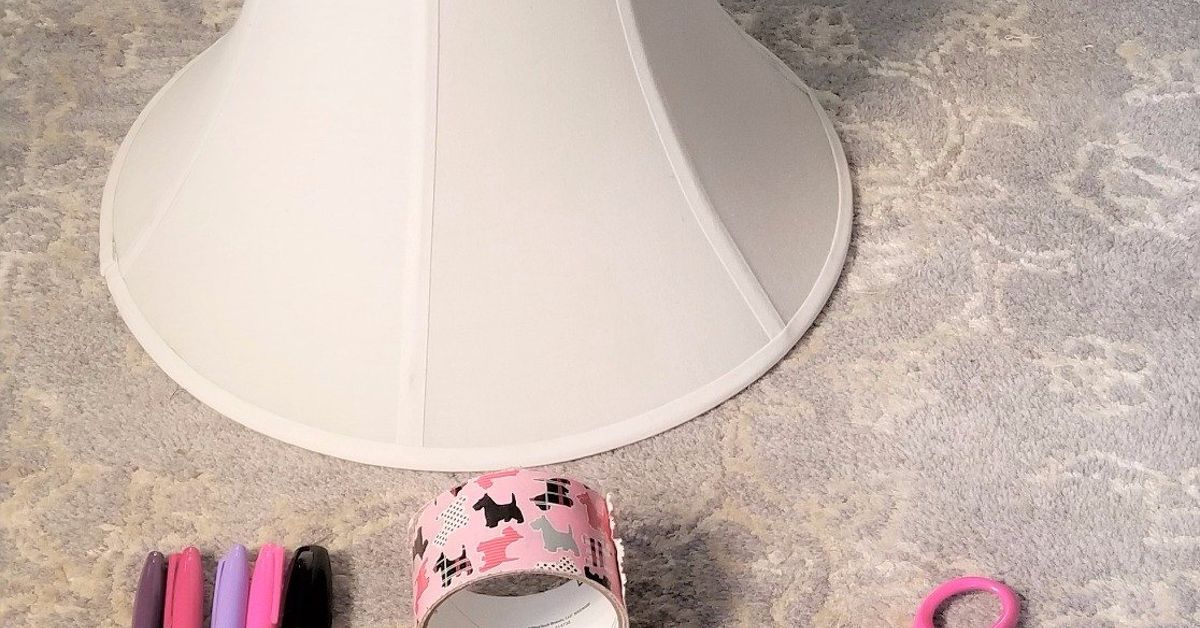
- One clean wire lampshade frame
- Washable cotton, canvas, fleece, or upholstery-weight fabric
- Soft cushion, small pet pillow, folded towel, or washable insert
- Scissors or fabric shears
- Measuring tape
- Needle and thread, fabric glue, or hook-and-loop strips
- Binder clips or sewing clips for temporary fitting
- Optional: non-slip mat for the bottom
- Optional: bias tape, trim, or fabric ties for a decorative doorway
For fabric, washable materials are your friend. Cats shed, cushions collect fur, and somebody will eventually drag a toy mouse inside like a trophy. Cotton canvas is durable, fleece is cozy, and old curtains or sheets can work if they are clean and not treated with anything irritating.
Step-by-Step: Lampshade Upcycle Into Cat Wigwam/TeePee
The process is straightforward: clean the frame, create a fabric cover, secure it safely, add a cushion, and introduce it to your cat without acting too excited. Cats can smell desperation.
Step 1: Strip and Inspect the Lampshade
Remove the old lampshade fabric carefully. Some shades are glued, stitched, or clipped to the wire frame. Work slowly so you do not bend the frame. Once the fabric is off, inspect every ring and rib. Run your hand along the frame to feel for sharp points. If anything scratches your skin, it can scratch your cat.
Clean the frame with a damp cloth and mild soap if needed. Dry it completely to prevent rust. If the frame has small rough spots, cover them with fabric tape, bias tape, or tightly wrapped cloth. Do not leave exposed wire ends.
Step 2: Decide the Orientation
Most lampshade frames work best upside down, with the wider ring on the floor and the narrow ring at the top. This creates a stable base and a classic teepee profile. Place the frame on the floor and gently press around the bottom. If it rocks, adjust the frame or add a non-slip mat underneath later.
Now choose the doorway. The entrance should be wide enough for your cat’s shoulders and whiskers. A practical opening is usually 6 to 8 inches wide for average cats, but larger cats need more space. The entrance should start at floor level so the cat can walk in easily rather than squeezing under fabric like a burglar in a fur coat.
Step 3: Measure and Cut the Fabric
Wrap your fabric around the outside of the frame to estimate coverage. Leave extra fabric for overlap, hems, or fastening. If you want a fitted cover, you can create panels between the ribs. If you want the easy version, wrap one large piece around the frame and secure it at the back.
For a charming teepee look, let the front fabric overlap slightly like tent flaps. You can tie the flaps back with short, thick fabric tabs. Avoid long dangling strings, thin yarn, or loose cords. Cats are famously interested in string-like objects, and swallowed string can become a serious medical emergency. Cute is good; emergency vet visit is not the aesthetic.
Step 4: Attach the Fabric Securely
For a no-sew cat wigwam, use hook-and-loop strips, fabric glue, or hand stitches to secure the cover around the frame. Place fasteners on the outside where your cat is less likely to chew them. If using glue, allow it to cure fully before your cat goes near the teepee. The finished project should not smell strongly of adhesive.
If sewing, create a simple sleeve or tabs that wrap around the top and bottom rings. This makes the cover removable for washing. Removable fabric is a major upgrade because cat furniture lives a glamorous life involving fur, dust, and the occasional mystery crumb.
Step 5: Create a Cozy Interior
Add a cushion, folded blanket, or small round pet bed inside. The cushion should fit the base without bunching up. Washable covers are ideal. A thin non-slip mat beneath the cushion can help keep everything in place, especially if your cat enters with the enthusiasm of a tiny furry linebacker.
Do not overstuff the interior. Cats like cozy spaces, but they also like control. If the inside feels cramped or unstable, your cat may reject it. Leave enough headroom for sitting and enough floor space for curling up.
Step 6: Add Style Without Adding Hazards
Decorative touches can make the cat teepee look polished. Try a contrasting doorway trim, a washable mini cushion, or a neutral fabric that matches your living room. Boho cotton, simple linen-look fabric, buffalo check, soft sherpa, or canvas can all work beautifully.
Skip dangling beads, bells, feathers, buttons, glued-on gems, long ribbons, or anything your cat could chew off. The safest cat furniture is boring in the places cats can bite and stylish in the places humans can admire.
Safety Checklist Before Your Cat Uses It
Before the grand opening, test the teepee as though your cat is a tiny building inspector with no respect for your feelings. Push gently on the sides. Lift the front. Wiggle the frame. The structure should not collapse easily, tip over, or expose sharp edges.
- All wire ends are covered or smoothed.
- The frame is stable and does not roll.
- Fabric is attached firmly.
- No long strings, loose yarn, or chewable trim are accessible.
- The cushion is washable and not overstuffed.
- The entrance is large enough for easy entry and exit.
- The teepee is placed away from heaters, candles, cords, and heavy foot traffic.
For multi-cat households, consider adding more than one hideaway or placing the teepee where one cat cannot block another from leaving. Cats enjoy privacy, but nobody enjoys being trapped in a tiny fabric conference room by a bossy roommate.
Where to Place the Cat Wigwam
Location matters. A cat teepee placed in the middle of a loud hallway may be ignored. Put it somewhere quiet but socially useful, such as near a window, beside your desk, in a bedroom corner, or next to a favorite sofa. Cats often like being near their humans while still pretending they are independent wilderness creatures.
A sunny spot can make the wigwam extra appealing, but avoid placing it where it overheats. If your cat likes watching birds, a window-adjacent location can turn the teepee into a private theater. Add a washable blanket with your scent if your cat is nervous or newly adopted.
How to Encourage Your Cat to Use It
Do not pick up your cat and shove them inside. That is a great way to teach them the teepee is suspicious. Instead, let curiosity do the work. Place a familiar blanket inside, sprinkle a little catnip if your cat responds to it, or toss a favorite toy near the entrance.
Give the project time. Some cats investigate immediately. Others wait three days, walk past it 42 times, then suddenly declare it their royal chamber. This is normal. Cats prefer to believe all decisions are their own.
Design Ideas for Different Home Styles
Boho Cat Teepee
Use cream canvas, textured cotton, or a muted Southwestern-style fabric. Add short fabric tabs at the front and a flat cushion in a warm neutral shade. Keep trims minimal and securely stitched.
Modern Minimalist Wigwam
Choose solid gray, beige, black, or white fabric. A clean doorway with no fringe gives the teepee a polished look. This version works well in apartments, offices, and living rooms where pet furniture needs to blend in.
Cottagecore Cat Hideaway
Use soft floral cotton, gingham, or repurposed curtain fabric. Add a plush washable cushion and place the wigwam near a bookshelf or sunny window. Your cat will look like they are waiting for tea and gossip.
Thrifted Patchwork Version
Combine fabric scraps into panels for a colorful handmade look. This is especially useful if the lampshade frame has visible ribs. Each section can become a different panel, turning the structure into a cheerful upcycled cat tent.
Cleaning and Maintenance
A good DIY cat teepee should be easy to clean. Vacuum or lint-roll the exterior regularly. Shake out the cushion, wash the cover when needed, and inspect the frame every few weeks. If you used hook-and-loop fasteners, check that they are still attached. If your cat scratches or chews the fabric, repair it quickly before loose threads become tempting.
For fabric lampshade materials, dry dusting and gentle spot cleaning are usually safer than soaking. If you created a removable fabric cover, washing becomes much easier. Let all pieces dry completely before reassembling the wigwam. A damp enclosed cat bed is not cozy; it is a mildew invitation wearing a cute hat.
Common Mistakes to Avoid
The first mistake is making the entrance too small. Cats are flexible, yes, but they prefer dignity. The second mistake is using fabric that is too stiff, slippery, or heavily perfumed. The third is decorating with dangling cords. The fourth is placing the teepee in a chaotic spot and wondering why the cat refuses to use it.
Another common issue is forgetting stability. A lampshade frame is light, which is great for crafting but less great if your cat charges into it. A slightly weighted cushion, non-slip pad, or wider base can help. Never use loose heavy objects that could shift or fall inside.
Budget Breakdown
If you already have a lampshade and fabric scraps, this project can cost almost nothing. A thrifted lampshade might cost a few dollars. Fabric can come from old curtains, pillowcases, sheets, or leftover craft material. A cushion can be made from a folded towel or small washable pillow.
Even if you buy fabric and fasteners, the project is usually cheaper than many commercial cat teepees. More importantly, you can customize the size, fabric, and cleaning method. Your cat gets a hideaway, your home gets a conversation piece, and your old lampshade gets a plot twist.
Experience Notes: What Actually Happens When You Make One
The first lesson of making a lampshade upcycle into cat wigwam/teepee is that the cat may not respect your project timeline. You can measure carefully, trim the fabric, smooth every edge, and step back proudlyonly for your cat to sit in the pile of scraps instead. Do not take it personally. Scrap inspection is part of the official feline approval process.
In real use, the best version is usually the simplest. A clean frame, soft washable fabric, and a cushion beat elaborate decorations almost every time. Cats care more about smell, texture, stability, and escape routes than whether the fabric matches the throw pillows. However, humans live here too, so choosing a fabric that looks good in your room makes the project feel less like a pet hack and more like intentional décor.
One practical experience tip is to test the teepee with a towel before cutting your final fabric. Drape the towel over the frame, create a doorway, and see whether your cat shows interest. If your cat sniffs, steps inside, or loafs nearby, you have a good sign. If your cat avoids it, try moving it to a better location before blaming the design. Cats are location critics. A teepee beside a sunny window may become premium property, while the same teepee near the laundry machine may be treated like a haunted cave.
Another lesson is that removable covers are worth the extra effort. Even a basic hand-sewn sleeve or hook-and-loop closure makes cleaning much easier. Cat hair has a way of becoming part of the architecture. If the cover cannot be removed, you will spend more time lint-rolling and spot-cleaning. That is fine, but washable parts make the project more practical long term.
Stability is also more important than expected. Some cats enter gently, like librarians. Others launch themselves into small spaces as if they are testing emergency equipment. If your lampshade frame is very light, add a non-slip mat under the base or choose a cushion that fills the bottom evenly. The teepee should stay put when your cat turns around inside. A wobbling hideout can scare a cautious cat away permanently.
Fabric choice changes the mood of the whole project. Fleece feels cozy but may collect hair quickly. Canvas is durable and holds shape well. Cotton is easy to wash and comes in endless patterns. Upholstery fabric looks beautiful but can be harder to sew. If you are repurposing old fabric, wash it first and avoid anything treated with strong fragrances. Cats often prefer familiar, neutral smells over “fresh linen mountain breeze explosion.”
The funniest part is how the cat eventually claims it. Some cats step inside while you are still adjusting the doorway, as if they commissioned the build. Others ignore it for a week and then suddenly sleep in it every afternoon. A few will use it only when you are not looking. The key is patience. Place it somewhere appealing, keep it clean, and let the cat decide.
Over time, the teepee may become more than a cute DIY object. It can be a safe retreat during noisy chores, a nap nook during the day, or a comfort zone for a cat who likes enclosed spaces. It is also easy to refresh. Swap the cushion seasonally, change the outer cover, or move it to a new corner when your cat gets bored. The lampshade frame gives you a reusable base, and the design can evolve with your home.
The most satisfying part of the project is the transformation. Something outdated and forgotten becomes useful again. Instead of buying another mass-produced pet bed, you create a small piece of furniture with personality. It is sustainable, budget-friendly, and surprisingly charming. And when your cat finally curls up inside, blinking slowly like royalty in a fabric palace, the whole project feels completely worth it.
Conclusion
A lampshade upcycle into cat wigwam/teepee is a clever DIY project for anyone who loves cats, cozy décor, and giving old household items a second chance. The lampshade frame provides the structure, fabric creates the tent, and a soft cushion turns it into a private feline retreat. With safe materials, secure construction, and a smart location, this upcycled cat teepee can become your pet’s new favorite nap spot.
The secret is to think like a cat: stable base, easy entrance, soft interior, no scary smells, and no dangerous dangling bits. Keep the design washable, inspect it regularly, and let your cat explore at their own pace. You may start with an old lampshade, but you end with something far bettera tiny hideaway that looks adorable in your home and makes your cat feel like the mysterious woodland creature they clearly believe they are.