Note: This original article is written in standard American English for web publication and is based on publicly reported information from reputable U.S. entertainment and official media sources.
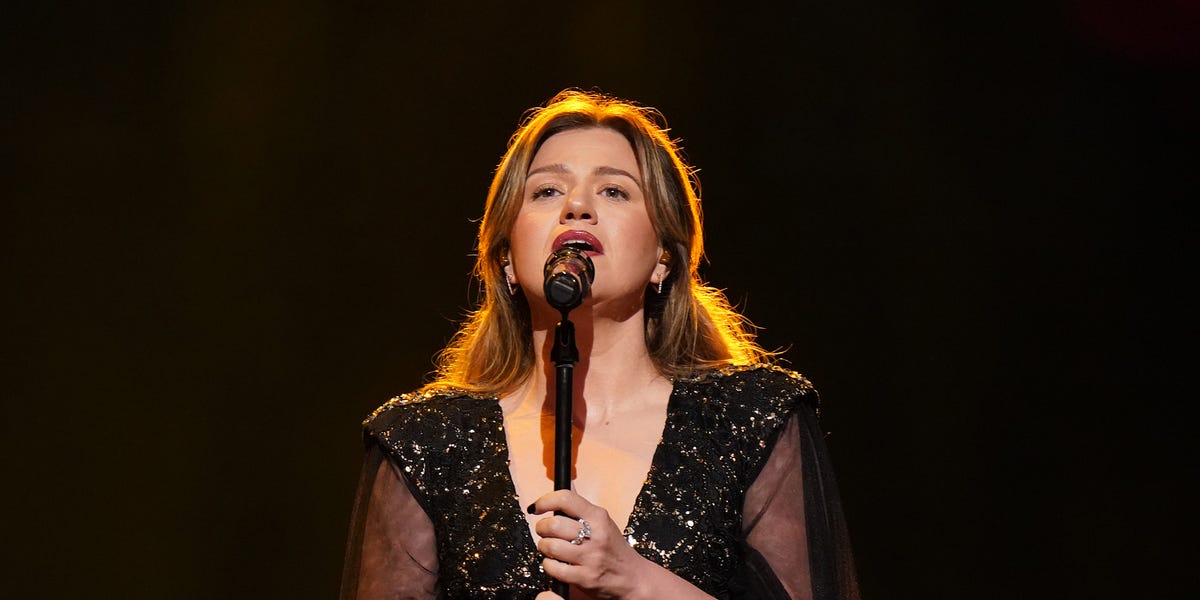
Some artists return to a familiar stage and politely wave. Kelly Clarkson returns to The Voice and reminds everyone why the microphone probably gets nervous before she touches it. Her stunning performance on the show was more than a celebrity guest spot; it was a full-circle moment for a singer who has spent more than two decades proving that powerhouse vocals, emotional honesty, and a little Texas-sized charm never go out of style.
With her performance of “Where Have You Been,” Clarkson did what she has always done best: she turned a song into a conversation. Not the awkward elevator kind, either. The big, heart-opening kind. The kind where every lyric feels like it has a passport stamp from heartbreak, healing, and hard-won self-awareness. For longtime fans of The Voice, seeing Kelly Clarkson back on that stage carried extra meaning. She was not just visiting the set; she was stepping into a room where she had coached, mentored, laughed, cried, celebrated contestants, and built one of the most respected coaching records in the show’s history.
Kelly Clarkson’s Return to The Voice Felt Personal
Kelly Clarkson has never been a “just sing the notes” kind of performer. That would be like calling a fireworks show “some sparks.” Her return to The Voice stage worked because the performance felt lived-in. “Where Have You Been” is not merely a glossy pop single with a big chorus; it carries the emotional weight of someone who has been through disappointment and still somehow believes in possibility. That balance is very Clarkson: tender without becoming fragile, strong without becoming stiff.
The song arrived during an important chapter in her career. After years with major labels, Clarkson began releasing music through her own label, High Road Records. That detail matters because it adds another layer to the performance. She was not simply promoting a new track. She was presenting a piece of her independent artistic future on a stage that helped define her modern television identity.
For viewers, the moment had the pleasant shock of seeing an old friend walk into the room looking refreshed, confident, and ready to hit a note so clean it could probably pass a white-glove inspection. The staging was polished, the vocal delivery was controlled, and the emotion was direct. Clarkson did not need elaborate tricks to command attention. Her voice did the heavy lifting, and as usual, it did not complain about overtime.
Why “Where Have You Been” Was the Right Song for the Moment
“Where Have You Been” fits Clarkson’s current artistic era because it sounds both vulnerable and victorious. The song explores longing, rediscovery, and the strange beauty of realizing that love, hope, or even a better version of yourself may still be waiting around the corner. It is the kind of theme that works beautifully on The Voice, a show built on second chances, big reveals, and the emotional electricity of someone finally being heard.
Clarkson has explained that the inspiration behind the song came from a moving moment in Only Murders in the Building, involving Martin Short’s character and the sense of awe that can appear when someone unexpectedly touches your heart. That origin story gives the song a cinematic quality. It is not just about romance; it is about recognition. It is about looking at something beautiful and thinking, “Oh. There you are.”
On The Voice, that message landed naturally. The show is full of contestants searching for the person, sound, or opportunity that makes everything click. Clarkson, once a young singer chasing her own breakthrough, knows that feeling better than most. Her performance became a reminder that fame may change the size of the stage, but the emotional job of a singer remains the same: make people feel something real before the commercial break.
A Voice Built for Big Television Moments
Kelly Clarkson’s vocal reputation is not internet hype dressed in glitter. It is earned. Since winning the first season of American Idol in 2002, she has built a career on versatility, stamina, and emotional clarity. She can belt pop-rock anthems like “Since U Been Gone,” deliver emotional ballads like “Because of You,” and still turn a casual cover into a viral moment on her talk show. That range makes her especially effective on a competition stage.
What separates Clarkson from many technically gifted singers is her ability to make control sound spontaneous. During a performance like “Where Have You Been,” she can move from a soft, almost conversational phrase into a soaring chorus without making the transition feel like a vocal exercise. There is no visible “now I shall impress you” switch. The power rises because the feeling rises.
That is why her Voice performance felt so satisfying. It had polish, but it did not feel plastic. It had vocal fireworks, but they served the song instead of hijacking it. In an era when many performances are built for 15-second clips, Clarkson still performs like she believes in the full emotional arc. Imagine that: a singer treating a song like a story instead of a ringtone with ambition.
From Contest Winner to Trusted Mentor
Part of the reason Kelly Clarkson shines so brightly on The Voice is that her career mirrors the dream many contestants are chasing. She knows what it feels like to stand in front of cameras, judges, voters, and a future that could change overnight. She also knows what comes after the confetti: touring, recording, criticism, reinvention, exhaustion, and the pressure to keep proving yourself after the “winner” label fades.
As a coach, Clarkson became known for being emotionally invested without turning the show into a dramatic thunderstorm every five minutes. She could give practical vocal advice, talk about song choice, and connect with contestants as real people. Her coaching success on The Voice includes multiple wins, and her teams often reflected her own musical strengths: big voices, emotional storytelling, and the courage to take familiar songs somewhere personal.
That coaching history added depth to her guest performance. Viewers were not watching a random celebrity drop by. They were watching someone who had helped define the show’s modern personality. Her return felt like a reminder that she belongs in the Voice universe not only because she can sing, but because she understands what the show is supposed to celebrate.
The Performance Worked Because It Was Honest
One reason Kelly Clarkson remains so beloved is that she rarely feels over-managed. Even when the styling is glamorous and the lights are perfect, there is still a sense that a real person is standing there, not a brand wearing eyelashes. That authenticity gave “Where Have You Been” its emotional punch.
The lyrics of the song carry a hopeful ache. Clarkson performed them with the perspective of someone who has not floated through life untouched by disappointment. That matters. Audiences can hear the difference between a singer performing sadness as decoration and a singer who understands how hope can feel risky after pain. Clarkson’s delivery had that second quality. It felt seasoned, not staged.
Her phrasing also gave the song room to breathe. She did not rush toward the biggest notes. Instead, she let the verses build, allowing the chorus to arrive with emotional logic. That kind of pacing is one of the quiet skills of great live performance. Anyone can sing loudly. Fewer singers know when not to.
How The Voice Stage Amplified the Moment
The Voice is designed for musical drama: red chairs, bright lights, sweeping camera moves, and contestants whose lives may shift with one button press. But the show’s stage can also expose a performer. If the voice is not strong, the production cannot hide it for long. Clarkson has the opposite problem. The production has to keep up with her.
Her appearance worked because the environment already had emotional history. She had sat in the red chair. She had fought for contestants. She had joked with fellow coaches, celebrated wins, and reacted with the same wide-open enthusiasm that made fans love her in the first place. Returning as a performer allowed her to occupy a different role while carrying all that history with her.
The result was not simply “Kelly Clarkson sings on TV.” It was “Kelly Clarkson returns to a place where her expertise, humor, and musical instincts became part of the show’s DNA.” That distinction is why the performance generated excitement beyond the song itself.
Fan Reaction: Why Viewers Still Root for Kelly
Fans respond to Kelly Clarkson because she combines elite talent with an approachable personality. She can sing a roof into early retirement, then turn around and make a self-deprecating joke like your funniest friend at brunch. That combination is rare. Many stars are either polished to the point of distance or relatable to the point of losing mystique. Clarkson manages to be both impressive and human.
Her Voice performance tapped into years of goodwill. Fans who discovered her on American Idol have watched her grow from a young powerhouse into a Grammy-winning artist, talk show host, coach, mother, and independent label owner. Newer viewers may know her from The Kelly Clarkson Show or her viral “Kellyoke” covers. Either way, her return to The Voice felt like an event because different audiences share the same basic conclusion: Kelly can flat-out sing.
That sounds simple, but in celebrity culture, simplicity can be refreshing. No complicated explanation required. No ten-part documentary needed. Put Kelly Clarkson on stage, hand her a microphone, and the argument is usually over by the first chorus.
The Career Context Behind the Shine
Clarkson’s career has lasted because she has adapted without abandoning her core identity. Her early pop-rock hits gave her radio dominance. Her ballads proved she could handle emotional storytelling. Her talk show introduced her warmth and quick wit to daytime audiences. Her work on The Voice showed that she could translate personal experience into useful mentorship. Now, her independent music chapter suggests a performer interested in ownership and creative freedom.
That journey gives her current performances extra resonance. “Where Have You Been” is not only about searching for love or meaning; it also reflects an artist stepping into a more self-directed phase. When Clarkson sings with that mix of longing and confidence, the subtext is hard to miss. She is not asking for permission to be heard. She already knows the answer.
This is why the performance feels like a career snapshot. It contains the young singer who won America’s first major reality-TV music crown, the experienced vocalist who has survived the industry, the coach who understands other singers’ nerves, and the grown woman who can turn personal reflection into a public anthem.
What Other Artists Can Learn From Kelly Clarkson’s Performance
Clarkson’s appearance on The Voice offered a quiet masterclass for performers. First, choose material that matches the moment. “Where Have You Been” worked because it connected to her current life and career chapter. Second, let emotion guide technique, not the other way around. Clarkson’s vocal choices felt powerful because they were rooted in meaning. Third, trust the audience. She did not need to over-explain the song. She delivered it clearly and allowed viewers to meet it emotionally.
There is also a lesson in longevity. Clarkson does not perform like someone trying to recreate 2002 or chase every new trend. She honors the voice fans love while allowing her artistry to mature. That is a difficult balance. Lean too hard on nostalgia and an artist becomes a museum exhibit. Chase trends too desperately and the result can look like a parent using teen slang at the dinner table. Clarkson avoids both traps by staying grounded in what she does best.
Why Kelly Clarkson Still Matters on Music Television
Music television has changed dramatically since Clarkson first became famous. Competition shows are no longer cultural novelties. Viral clips can create overnight stars before traditional media even finds its shoes. Yet Clarkson remains relevant because she represents the best-case scenario of the talent-show pipeline: raw ability, public connection, professional discipline, and long-term evolution.
Her performance on The Voice reminded viewers that singing competitions are not just about winning a trophy. They are about discovering voices that can survive beyond the format. Clarkson is living proof. She did not become a star because a show handed her a crown. She became a star because she had the voice, instincts, and work ethic to turn that crown into a career.
That is why her presence on The Voice carries symbolic weight. She is both a product of televised talent discovery and one of its strongest arguments. When she performs on a show built around finding great singers, she demonstrates what can happen when the right voice meets the right opportunity and keeps growing long after the cameras move on.
Experience Section: Watching Kelly Clarkson Shine on The Voice
Watching Kelly Clarkson perform on The Voice feels different from watching many guest performances because there is a sense of shared history in the room. Even through a television screen, you can feel the audience leaning in before she sings. There is a kind of trust that develops when a performer has delivered again and again for years. With Clarkson, viewers know they are not waiting to see whether she can handle the song. They are waiting to see how far she will take it.
The experience begins with familiarity. The Voice stage is sleek and dramatic, but Kelly brings warmth to it. She has the rare ability to make a big studio feel smaller, almost like she is singing directly to one person instead of thousands. That quality matters because “Where Have You Been” is an intimate song dressed in big-performance clothing. It needs both scale and sincerity. Clarkson gives it both.
As the song unfolds, the emotional build becomes the main attraction. The first lines invite listeners into the story. Then, little by little, the performance opens up. Her tone carries a mix of ache and strength, as though the song is looking backward and forward at the same time. That is what makes it compelling. It does not sound like simple heartbreak. It sounds like someone standing on the other side of heartbreak, blinking in the sunlight and realizing life still has a few surprises left in its pocket.
For fans who have followed Clarkson from American Idol to The Voice, the performance may also stir nostalgia. Not the dusty kind that belongs in a storage closet with old concert tickets, but the energizing kind. It reminds viewers of the first time they heard her sing and thought, “Wait, this person is not normal.” Her voice still has that effect. It still cuts through noise. It still turns a televised performance into a moment people want to replay.
There is also something satisfying about seeing a former coach return as the featured artist. Contestants on The Voice are often asked to be brave, open, and technically sharp under pressure. Clarkson’s performance showed exactly what that looks like at the highest level. She modeled the very qualities she has encouraged in others: emotional honesty, vocal control, connection to lyrics, and the courage to be fully present.
The best part of the experience is that it does not feel forced. Some television performances arrive with giant signs that practically scream, “Please call this iconic.” Clarkson does not need that. Her performance builds naturally because the talent is real and the feeling is clear. By the end, the shine comes not just from the lights, wardrobe, or stage design, but from the sense that the song meant something to her. When a singer believes the song, the audience usually follows.
That is the lasting takeaway from Kelly Clarkson’s stunning Voice performance. It was not simply a comeback, a promotional stop, or a nostalgic cameo. It was a reminder of why she remains one of the most trusted voices in American pop culture. She can still walk onto a stage, open her mouth, and make a familiar room feel brand new.
Conclusion
Kelly Clarkson’s performance on The Voice proved once again that her greatest strength is not only the size of her voice, but the truth behind it. “Where Have You Been” gave her a perfect vehicle for emotional storytelling, and the Voice stage gave the moment extra meaning. As a former coach, competition-show success story, independent artist, and beloved television personality, Clarkson brought history, heart, and vocal firepower into one memorable performance.
In a music landscape crowded with spectacle, Kelly Clarkson continues to stand out by doing something deceptively simple: she sings like she means it. And when she means it, audiences listen.