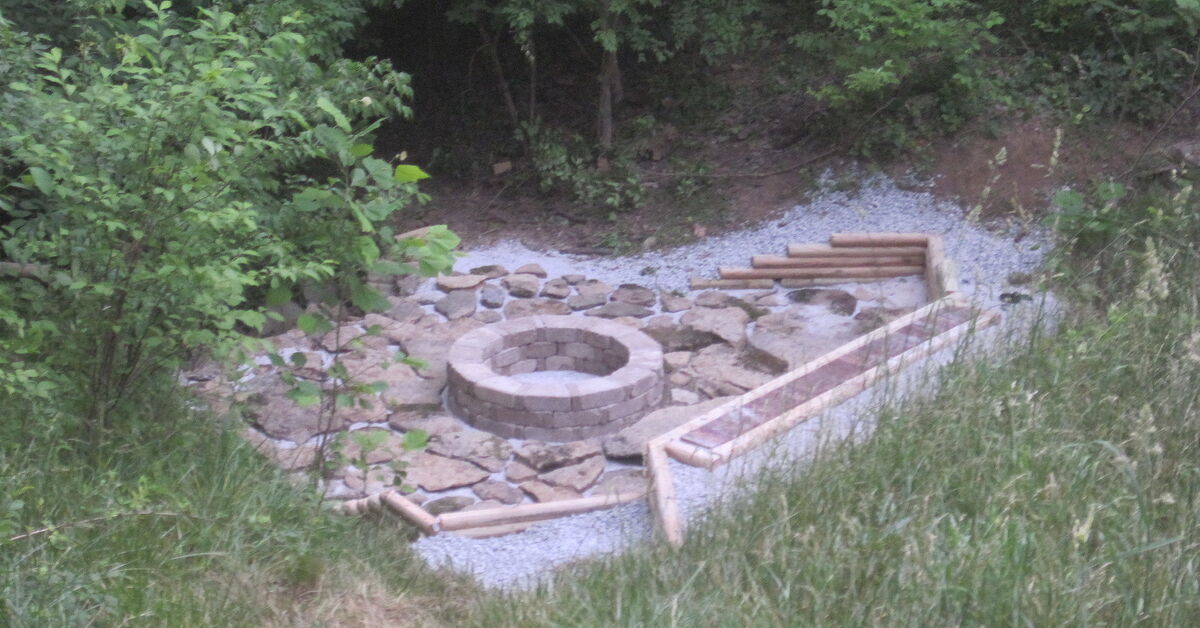
A backyard patio and fire pit can do something magical to a home: they turn “the yard” into “the place where people mysteriously linger until midnight.” Add creek stone to the mix, and you get a space that feels grounded, natural, and a little bit like a mountain lodge decided to settle down in suburbia. The beauty of a creek stone patio is that it does not need to look overly polished to feel impressive. In fact, a little irregularity is part of the charm.
That said, “natural” should not mean “random pile of rocks and optimism.” A long-lasting patio and safe fire pit depend on smart planning, good drainage, a stable base, and the right materials in the right places. The stones you see on top may get all the compliments, but the hidden work below grade is what keeps the whole project from shifting, puddling, cracking, or becoming a wobble-filled obstacle course.
If you are dreaming about a creek stone patio with a fire pit at the center, the goal is simple: create an outdoor space that looks relaxed but performs like a pro. That means blending natural stone texture with solid hardscape construction, allowing rainwater to move where it should, and building a fire feature that is cozy without being reckless. Good design should feel effortless, even when it took real effort to build.
Why a Creek Stone Patio Works So Well
Creek stone has an easygoing beauty that manufactured materials often try to imitate and rarely match. Its colors tend to live in the earthy sweet spot: grays, browns, soft tans, muted rusts, and occasional blue undertones. That palette pairs beautifully with wood furniture, black steel accents, native plantings, ornamental grasses, and the warm glow of a fire pit.
It also works in several ways within one project. Flatter creek stones or natural stone slabs can create the main walking and seating surface. Smaller creek stone can be used in borders, drainage swales, dry creek details, or decorative bands around the fire pit. That layered look gives the patio depth and makes the finished space feel integrated with the landscape instead of dropped onto it like an afterthought.
Another advantage is forgiveness. A creek stone patio does not demand laser-perfect symmetry. It can be circular, free-form, gently curved, or connected to a walkway that meanders like it has places to be but is in no hurry. If your home leans rustic, cottage, craftsman, farmhouse, or modern-natural, creek stone can meet it halfway and make everybody look good.
Start With the Boring Stuff First, Because It Matters
Pick the Right Location
The best patio location is not always the first flat patch of grass you notice. Think about how you actually want to use the space. Do you want the fire pit visible from inside the house? Close enough to the kitchen to carry snacks without a full wilderness expedition? Far enough away from bedrooms that late-night laughter does not become a family debate?
Also pay attention to wind, slope, overhanging limbs, drainage patterns, and nearby structures. A fire pit should feel open and safe, not tucked under a tree canopy like a bad idea in progress. If water already collects in the chosen area after rain, the site is trying to tell you something. Listen.
Call Before You Dig
Before excavation starts, have underground utilities marked. This is not glamorous, but neither is accidentally discovering a utility line with a shovel. If the project involves digging out a patio base, trenching for lighting, or installing a gas line for a fire feature, utility marking is essential.
Check Local Rules
Fire pits are one of those projects where local code, HOA rules, and even insurance considerations can matter more than people expect. Some areas restrict wood-burning fire pits, some regulate setbacks, and some care deeply about burn conditions, spark screens, or nuisance smoke. Translation: find out the rules before you build the thing everyone is supposed to gather around.
Design the Patio Before You Touch a Stone
Think in Zones
A successful patio is not just a surface. It is a layout. Start by dividing the space into practical zones: the fire pit zone, the seating zone, circulation paths, and any transition to steps, lawn, or garden beds. Give chairs enough room to move without scraping into the fire ring or wandering into plantings like lost shopping carts.
For a fire pit-centered patio, round and softly curved layouts usually feel the most natural. A circular or oval seating area echoes the fire pit and encourages conversation. If your yard is narrow, a rectangular patio with a centered circular pit can still work beautifully. The trick is to make movement easy and seating feel intentional.
Choose the Right Creek Stone Approach
Not all creek stone is ideal for the same purpose. Large, flatter pieces are better for the main patio surface because chairs, feet, side tables, and drink glasses all appreciate stability. More rounded stones are excellent as edging, drainage accents, decorative infill, or around the outer edge of the fire pit area where you want texture without needing a perfectly level sitting surface.
If your supplier offers a mix, sort aggressively. The flattest stones earn prime real estate in walkable zones. The more rounded characters can take supporting roles. Think of it as casting a movie: not every stone needs a close-up.
Plan for Drainage, Not Just Looks
A patio should shed water away from the house and avoid trapping runoff near the fire pit. Slight slope is your friend. So are natural drainage routes, swales, nearby planting beds, and permeable edges where water can move instead of collecting. If you have a sloped yard, this becomes even more important. Done well, the patio looks relaxed while quietly handling stormwater like a champion.
Materials That Make the Build Work
Most creek stone patio and fire pit projects need some version of the following:
- Creek stone or natural stone slabs for the patio surface
- Crushed gravel or paver base for the foundation layer
- Stone dust or paver sand for bedding, depending on the system you choose
- Landscape edging to hold the perimeter
- Fire-resistant blocks, stone, or a fire pit kit
- A steel fire ring or fire-rated liner for wood-burning pits
- Polymeric sand or joint filler where appropriate
- Shovel, rake, tamper or plate compactor, level, string lines, and masonry tools
The most important material is the base. Yes, more important than the stone you post on social media later. A patio that sits on a poorly prepared base will settle unevenly, develop loose joints, and make every chair leg feel like it is testing a new yoga pose.
How to Build the Creek Stone Patio
1. Mark the Shape Clearly
Use marking paint, a rope, or a garden hose to lay out the footprint. Stand back and check the view from the house, the yard, and the likely seating angles. Curves that look elegant on paper can look awkward in grass. Adjust now while it still costs nothing.
2. Excavate for the Base
Remove sod and excavate deep enough to allow for the full build-up of base, bedding layer, and stone thickness. The exact depth depends on your soil, climate, and stone size, but the principle never changes: remove enough material so the finished patio sits where you want it without becoming a raised tripping platform.
3. Install and Compact the Gravel Base
Add crushed gravel or paver base in thin lifts, compacting each layer thoroughly. This is the step that separates a patio from a future geology experiment. Layered compaction creates strength, improves drainage, and reduces shifting over time.
4. Add the Bedding Layer
Once the compacted base is in place, add a leveling layer of stone dust or paver sand, depending on the system and stone type. Screed it smooth, but do not overwork it. You want a consistent setting bed, not a sandbox with commitment issues.
5. Lay the Creek Stone Thoughtfully
Set the largest and flattest stones first in the primary seating and walking zones. Work from a strong edge or focal point and check level often. Aim for a surface that feels natural but does not wobble underfoot. Slight variations add character; dramatic rocking belongs in a chair, not under it.
If you are creating an irregular flagstone-style layout, vary joint widths intentionally. Wide gaps can be filled with smaller stone, gravel, or a planting-friendly material if that suits the design. Just remember that the more rustic the layout, the more carefully you need to manage comfort and stability.
6. Secure the Edges
Edge restraint matters, especially if the patio transitions to gravel, lawn, or planting beds. A hidden edge system or stone border helps keep the field of stone from migrating over time. Without restraint, even a beautiful patio can slowly blur at the edges.
7. Fill the Joints
Depending on your design, use stone dust, polymeric sand, fine gravel, or a compatible joint filler. Polymeric sand can help lock certain stone installations together, while a looser joint treatment may better suit a more natural, permeable look. Pick the finish that matches both the style and the way the patio will be used.
How to Build the Fire Pit
Decide Between Kit and Custom
A kit is the easiest path for many homeowners. It simplifies sizing, block choice, and installation order. A custom pit gives you more control over materials and proportions, which is great if you want the fire pit to visually match the creek stone patio instead of looking like it arrived from another zip code.
Use Fire-Safe Materials
The fire pit should be built with materials rated for heat exposure. A fire-rated inner liner, fire brick, or steel ring helps protect outer masonry and extends the life of the structure. Decorative stone alone is not a substitute for fire-safe construction. Pretty is nice. Not cracking under repeated heat cycles is nicer.
Build a Stable Base Beneath the Pit
The fire pit needs its own solid, well-draining base. Crushed stone is commonly used below the pit for drainage and stability. Keep the pit level, centered, and proportionate to the patio. Too small, and it looks timid. Too large, and the seating area starts to feel like spectators gathered around a launch site.
Mind the Clearances
Keep the fire pit the required distance from structures, fences, overhangs, and combustible materials according to local rules and the type of pit. Wood-burning pits often require more generous clearance than people assume. Keep a hose, bucket of water, or extinguisher nearby, and never treat fire like a decorative accessory that manages itself.
Make It Comfortable, Not Just Pretty
The best patio projects think beyond installation day. Add enough seating room for chairs to pull back comfortably. Use benches, Adirondack chairs, or low-profile lounge seating that fits the scale of the fire pit. Consider a gravel or stone path from the house so people are not tightrope-walking across wet grass carrying marshmallows and beverages.
Lighting also matters. Low-voltage path lights, subtle uplighting on nearby trees, or warm lantern-style fixtures can make the patio feel intentional after dark. A few planters, a wood storage niche, or a border of drought-tolerant grasses can soften the stone and keep the space from feeling like an extremely attractive parking pad.
Common Mistakes to Avoid
- Building on an underprepared base and hoping for the best
- Using rounded stone in main seating areas where chairs need stability
- Ignoring drainage and trapping water near the house or pit
- Placing the fire pit too close to structures, fences, or trees
- Skipping edge restraint and letting the patio slowly spread
- Choosing looks over fire-safe materials in the pit itself
- Forgetting how people will actually move through the space
Maintenance That Keeps It Looking Good
A creek stone patio is relatively low-maintenance, but not maintenance-free. Sweep debris regularly, top off joint filler when needed, and reset any stone that starts to shift before a minor wobble becomes a major annoyance. Keep leaves and ash cleaned out of the fire pit area, and inspect the liner or inner ring periodically for wear.
If you live in a freeze-thaw climate, seasonal checks matter. Water that sneaks into weak joints or poorly compacted zones can reveal every shortcut you took. The patio is patient. It will tell on you eventually.
Real-World Experiences: What Building One Actually Feels Like
Creating a creek stone patio and fire pit sounds wonderfully romantic when it begins. You picture a finished backyard, flickering firelight, string lights overhead, and guests saying things like, “Wow, this looks incredible.” What you do not picture at first is how much time you will spend staring at individual stones like a casting director under pressure. Flat enough? Too thick? Great color, weird shape. Gorgeous face, unstable personality. By the middle of the project, you will know every stone on a disturbingly personal level.
One of the most common experiences people have is realizing that the hidden steps take longer than the visible ones. Excavation feels dramatic, but base prep is where the real job lives. It can seem repetitive to spread gravel, compact, check grade, spread more, and compact again. Yet that slow, methodical work is exactly what makes the finished patio feel solid when the furniture goes in and real life starts happening on it.
Another familiar moment comes when the design starts looking worse before it looks better. This is normal. During the build, the site may resemble a stony construction zone with identity issues. Then suddenly the perimeter gets defined, the fire pit takes shape, the joints fill in, and the whole thing starts reading as a destination instead of a project. That shift is satisfying in a way only hands-on outdoor work can be.
Many homeowners also discover that the fire pit becomes the emotional anchor faster than expected. Even before the landscaping is fully finished, people tend to gather there. Someone pulls up a chair. Someone else tests the sightlines. Someone inevitably says, “We could probably fit six more chairs here,” which is both optimistic and mathematically suspicious. The point is that the space starts working before every detail is complete.
There is also a practical lesson most builders learn: natural stone rewards patience. Creek stone has variation, and variation is beautiful, but it asks you to slow down. Instead of forcing uniformity, you begin making better choices about where each piece belongs. The patio starts to feel less like something assembled from a box and more like something composed. That is where the character comes from.
By the time the first fire is lit, the project usually feels bigger than a hardscape upgrade. It becomes a place tied to effort, weather, problem-solving, sore muscles, and small victories. You remember the day the base finally graded correctly. You remember the stone that absolutely refused to sit right until you lifted it for the fifth time. You remember the first evening when the chairs were in place, the flames were steady, and the yard felt finished in a new way. That is the real payoff. Not just a patio. A place with a story already built into it.
Conclusion
Creating a creek stone patio and fire pit is one of those projects that delivers on both beauty and usefulness when it is done right. The stone brings organic texture, the fire pit creates a natural focal point, and the combination can make a backyard feel bigger, warmer, and more intentional. The key is respecting the fundamentals: plan carefully, build a proper base, manage drainage, use the right stone in the right places, and treat fire safety as part of the design rather than an afterthought.
When you balance rugged materials with careful construction, the result feels timeless. It is the kind of space that works for quiet coffee, late-night conversations, chilly fall evenings, and the occasional overconfident s’mores session. In other words, it earns its square footage.