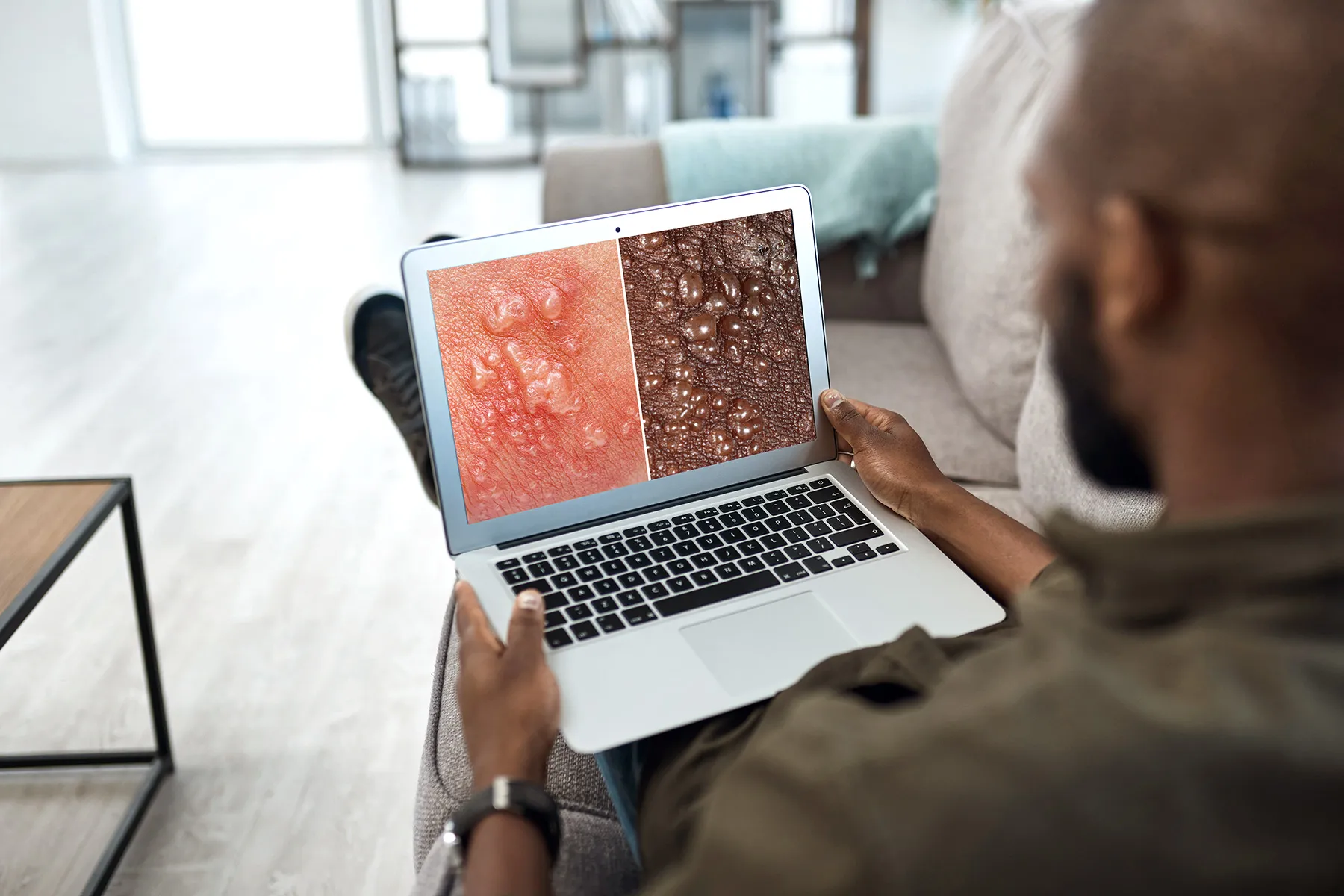
Shingles (aka herpes zoster) is what happens when the chickenpox virus you forgot you ever met decides to
RSVP “yes” to your nervesyears laterwithout asking. The result can be a painfully dramatic rash, tender skin that
feels like it’s sunburned from the inside, and an itch that makes you want to negotiate with your own body.
The good news: shingles is treatable, and knowing the symptoms early can help you get care fastwhen it matters most.
Quick note: This article is for general education. If you think you might have shinglesespecially if the
rash is near your eye, on your face, or you have a weakened immune systemcontact a healthcare professional promptly.
What shingles symptoms look like (and why they’re sneaky at first)
Shingles often starts like a mystery novel: something feels “off,” but there’s no obvious culprit yet. Many people
feel symptoms days before a rash shows up. This early phase is sometimes called the
prodromewhich is just a fancy way of saying “the opening act.”
Early warning signs (before the rash)
- Tingling, burning, or pins-and-needles in one specific area
- Pain or soreness that can feel deep, sharp, stabbing, or electric
- Itching or skin irritation in the same spot (sometimes mild, sometimes maddening)
- Extreme sensitivity to touch (even clothing can feel rude)
- General “flu-ish” feelings: fatigue, headache, mild fever, chills, or feeling run-down
Here’s the classic clue: those sensations usually happen on one side of the body in a narrow zone.
That’s because shingles follows nerve pathways (dermatomes), not your daily skincare routine.
The signature rash: blisters, clusters, and a one-sided “band”
When the rash arrives, shingles becomes a lot less mysterious. Most commonly, it appears as a strip or patch on one
side of the torsolike a band wrapping around the ribs or waist. But shingles can also show up on the neck, face,
scalp, or other areas.
What the shingles rash typically does
- Day 1–3: Redness or discolored patches (may look pink/red on lighter skin, or purple/gray/brown on darker skin)
- Next: Small bumps form and group together in clusters
- Then: Fluid-filled blisters appear (vesicles). They may ooze or weep
- 7–10 days: Blisters dry out and crust over
- 2–4 weeks: Skin gradually clears as scabs fall away
The blisters can look similar to other rashes at first, but shingles often has two giveaways:
(1) the one-sided pattern and (2) nerve pain that feels out of proportion to what you see.
Pain: the symptom people remember (and not fondly)
Shingles pain isn’t always a simple “ouch.” It’s often neuropathic (nerve-related), which means it can
be weirdly intense, oddly specific, and annoyingly persistent.
Common descriptions of shingles pain
- Burning (like a hot wire under the skin)
- Stabbing or shooting pains
- Throbbing soreness
- Electric zaps or shock-like jolts
- Allodynia: pain from light touch (a t-shirt can feel like sandpaper with an attitude)
Pain can occur before the rash, during the rash, and sometimes after the rash is gone.
If pain lasts for months after the skin heals, it may be postherpetic neuralgia (PHN), the most common
long-term complicationespecially in older adults.
Itching: yes, shingles can itcha lot
Shingles itching isn’t always a cute, mild itch. It can be intense during the rash and, for some people, linger after
healing (sometimes called postherpetic itch or postherpetic pruritus). Because it’s nerve-related,
scratching may not even “scratch the itch”it can just irritate the skin and raise infection risk.
Why shingles itching feels different
Normal itching often comes from the skin surface (dryness, irritation, allergies). Shingles itching can come from
irritated nerves, which is why it may feel deep, buzzing, or “wrong,” and why typical itch remedies sometimes
only partially help.
Other shingles symptoms you might not expect
Not everyone gets systemic symptoms, but they’re common enough to matterespecially early on when the rash hasn’t shown up yet.
- Fatigue or low energy
- Headache
- Mild fever or chills
- Upset stomach
- Light sensitivity
- Malaise: that vague “I’m not sick-sick, but I’m definitely not fine” feeling
Where shingles shows up matters: face, eye, ear, and beyond
Shingles is most common on the torso, but location can change the urgency. Some areasespecially the eyedeserve
“call today” energy.
Shingles near the eye (herpes zoster ophthalmicus)
If shingles affects the forehead, eyelid, or tip/side of the nose, the eye may be at risk. Symptoms can include:
- Eye pain, redness, or swelling
- Blurred vision or light sensitivity
- Rash on the forehead or around the eye
Because complications can affect vision, this is a situation where prompt medical evaluation is important.
Shingles involving the ear (including Ramsay Hunt syndrome)
When shingles affects nerves near the ear, symptoms can include:
- Ear pain and rash around/inside the ear
- Hearing changes or ringing
- Vertigo (spinning sensation)
- Facial weakness or drooping on one side
This combination should be evaluated urgently.
Widespread rash or unusual patterns
Shingles usually stays in a single dermatome (one nerve region). If you have a rash that is
widespread, crosses multiple areas, or you’re immunocompromised, medical attention is especially important.
Can you have shingles without a rash?
Rarely, yes. It’s called zoster sine herpeteshingles pain without visible blisters. People may feel
classic nerve pain, burning, or sensitivity in a stripe-like pattern, but no rash ever appears. This is harder to diagnose
and is one reason persistent, one-sided nerve pain deserves a medical check-in.
How to tell shingles apart from other rashes
Many rashes itch. Plenty can blister. Shingles stands out because it’s typically:
- One-sided (left or right, not both)
- Localized (a band or patch, not “everywhere”)
- Preceded by nerve sensations (burning, tingling, pain)
Common look-alikes
- Contact dermatitis (allergic/irritant rash): often itchy, but usually not nerve-painful and may match exposure patterns
- Herpes simplex: tends to recur in the same spot (like lips/genitals), not usually a dermatomal band
- Eczema: chronic, often symmetrical and widespread, not typically “pain first, rash later”
- Bug bites: clustered bumps, but usually not a single nerve track with burning pain
Bottom line: if you suspect shingles, a clinician can often diagnose it by appearance and symptom history, and can test
blister fluid in uncertain cases.
When to seek care fast (don’t wait it out)
Shingles isn’t always an emergency, but some scenarios call for prompt evaluationespecially because antiviral medication
works best when started early (commonly within 72 hours of rash onset).
Get medical care urgently if:
- The rash is on your face or near your eye
- You have ear symptoms (hearing changes, vertigo, facial weakness)
- You have a weakened immune system (from medications or medical conditions)
- The rash is widespread or you feel very ill (high fever, confusion, severe headache)
- You’re pregnant, or the patient is a newborn/infant (needs medical guidance)
Managing symptoms (comfort, skin care, and avoiding complications)
Treatment decisions belong with a healthcare professional, but symptom management typically focuses on two goals:
calm the rash and control nerve pain.
Common comfort strategies people use (alongside medical care)
- Cool compresses to reduce discomfort
- Calamine or soothing lotions (avoid fragranced products that irritate)
- Loose, soft clothing to reduce friction
- Gentle cleansing and keeping the rash clean/dry
- Avoid scratching to reduce infection and scarring risk
Also important: the fluid in shingles blisters contains varicella-zoster virus. You can’t “give someone shingles,” but you
can transmit the virus to someone who has never had chickenpox (or the vaccine), potentially causing chickenpox in them.
Covering the rash and washing hands helps reduce risk.
Complications to know about (so you can recognize red flags)
Most people recover within a few weeks, but shingles can sometimes lead to complicationsespecially in older adults or
people with immune suppression.
Postherpetic neuralgia (PHN)
PHN is nerve pain that persists after the rash resolves. It can feel burning, sharp, deep, or triggered by light touch.
Early treatment may reduce risk, and clinicians have multiple options to help manage persistent nerve pain.
Skin infection
Scratching or open blisters can allow bacteria in, leading to a secondary skin infection. Signs include increasing redness,
warmth, swelling, pus, or worsening pain.
Eye or neurologic complications
Shingles near the eye can threaten vision. In rare cases, shingles can be associated with neurologic issues.
These aren’t the norm, but they’re why location and severity matter.
Prevention in one sentence: vaccines exist for a reason
The shingles vaccine (commonly known as Shingrix) is recommended in the U.S. for many adults (notably those 50+,
and certain immunocompromised adults 19+). It can reduce the risk of shingles and its complications. If you’re unsure whether
it’s appropriate for you, a healthcare professional can advise based on your history and health status.
Real-life experiences: what shingles symptoms can feel like
Ask a group of people who’ve had shingles what it felt like, and you’ll hear a patternplus a lot of creative metaphors.
Many describe the earliest symptom as “something weird” in a specific patch of skin. Not a full-body illness at first.
Just a localized warning: a tingle, a burn, or a sensitivity that makes normal thingslike a shirt seamfeel suddenly offensive.
One common theme is confusion: people often suspect a pulled muscle, a pinched nerve, or a random skin irritation before they
suspect shingles, especially if they don’t see a rash yet.
When the pain shows up first, it can feel unfairly intense compared to what you can actually see. People describe it as
a deep ache or a hot, electric sensation under the skin, like a sunburn that no sunscreen can reach. Some say the area feels
bruised even though there was no injury. Others notice a “stripe” of discomfort that doesn’t match how most rashes behave.
That one-sided, track-like feeling is often the first big cluethough it’s easy to miss if you’ve never heard that shingles
can follow a nerve pathway like it’s tracing a map.
Then comes the rash phase, which can bring its own brand of annoyance. The itch can range from mild to relentless, and it’s
often mixed with painso scratching isn’t just unhelpful, it can be miserable. Many people report that sleep is the first casualty:
lying down increases pressure on the sensitive area, and even the touch of bedsheets can feel like a personal insult.
Day-to-day routines can suddenly require strategy. Showering might sting, driving might irritate a seatbelt line, and exercising
may be limited by discomfort. A lot of people become accidental clothing experts, switching to the softest, loosest fabrics they own.
Another real-world detail people talk about: the emotional hit. Shingles can be exhausting, and the visible rash can make people
self-consciousespecially if it’s on the face, neck, or scalp. Some worry they did something wrong (they didn’t). Others get frustrated
because they “feel fine” overall but still have this intense, localized pain. It can also be isolating: explaining nerve pain and weird
skin sensitivity to someone who hasn’t experienced it can feel like describing a color they’ve never seen.
People who get prompt medical care often mention a sense of reliefpartly from treatment, but also from finally naming the problem.
Many describe wishing they’d recognized the early warning signs sooner. On the flip side, those who develop lingering nerve symptoms
(like postherpetic neuralgia) often describe a longer journey: pain that persists after the scabs are gone, discomfort triggered by light touch,
or an itch that’s hard to satisfy because it feels like it’s coming from “inside the wires.” The takeaway from these shared experiences is simple:
shingles is not “just a rash.” It’s a nerve-and-skin event, and it can disrupt daily life in surprisingly specific ways.
If there’s a practical lesson that shows up again and again, it’s this: don’t ignore one-sided burning, tingling, or painespecially when a rash follows.
Getting evaluated early can matter, and even if it turns out not to be shingles, you’ll have ruled out something that’s worth treating quickly.
Your nerves will appreciate the respect.
Conclusion
Shingles symptoms often start before you see anythingtingling, burning, sensitivity, and pain in a localized, one-sided area. Then a clustered
blistering rash typically appears, crusts over in about a week, and clears over a few weeks. Itching, fatigue, headache, and fever may join the party,
uninvited. Recognizing the pattern (pain first, rash second; one side; nerve-track distribution) can help you seek care earlyespecially when the rash
is near the eye, on the face, or you’re immunocompromised. And if you’d like to avoid the whole “surprise nerve fireworks” experience, talk with a clinician
about prevention options, including vaccination.