If regular soap leaves your skin feeling like it just survived a tiny desert, you are not imagining things. Plenty of people want a cleanser that feels elegant, lasts a long time, and does not smell like a perfume counter exploded in the shower. That is where fragrance free French bar soap enters the scene like a very quiet overachiever.
It sounds niche, maybe even suspiciously fancy. But the appeal is practical. Many shoppers are searching for a bar that feels gentler on sensitive skin, skips added fragrance, and still delivers the creamy, durable texture French soap is famous for. In other words, they want refinement without the drama. No clouds of lavender. No mystery floral fog. Just a solid, hardworking bar that cleans skin without turning bath time into a chemistry experiment gone wrong.
This guide breaks down what fragrance free French bar soap actually is, why people seek it out, what ingredients matter most, and how to choose a bar that earns its real estate on your sink. We will also talk honestly about what French soap can and cannot do, because the internet already has enough magical thinking. Your soap is important, but it is still soap. It is not a life coach.
Why Fragrance Free French Bar Soap Has Such a Loyal Following
There are two separate ideas packed into this category, and both matter.
First, fragrance free matters because fragrance is one of the most common reasons a product that looked innocent on the shelf becomes annoying on the skin. Many people with dryness, eczema-prone skin, easily irritated hands, or a damaged skin barrier do better with products that skip added perfume entirely. That matters even more if you wash often, shave, live in a dry climate, or already use active skin care ingredients.
Second, French bar soap matters because French soap-making traditions, especially French-milled bars, have built a reputation for density, smooth texture, long wear, and a more luxurious lather. A good French-milled bar tends to feel firm rather than mushy, polished rather than chalky, and slow to disappear in the shower like your favorite snack when siblings are nearby.
Put those ideas together and you get a bar that appeals to both minimalists and sensitive-skin shoppers: elegant, long-lasting, and lower on sensory chaos.
What “Fragrance Free” Really Means
Fragrance-Free Is Not the Same as Unscented
This is the part that trips people up. A bar can say unscented and still contain fragrance ingredients used to mask the smell of raw materials. So if your skin tends to complain loudly, “unscented” is not automatically the safest label. Fragrance free is usually the more useful phrase to look for.
That does not mean every fragrance-free product will be perfect for everyone. Skin is picky, personal, and occasionally dramatic. But if your goal is to reduce avoidable irritation, fragrance free is the stronger starting point.
It Is Also Not a Guarantee of Perfection
A fragrance-free bar can still be too harsh if it uses a cleansing base that strips the skin, includes aggressive surfactants, or is loaded with other potential irritants. Think of “fragrance free” as an important filter, not the whole report card.
The best bars for sensitive skin often combine fragrance-free labeling with words like gentle, soap-free, hypoallergenic, sensitive skin, or moisturizing. Even better, they may include barrier-friendly ingredients such as glycerin, shea butter, or ceramides.
What Makes a Soap “French”?
French-Milled Soap
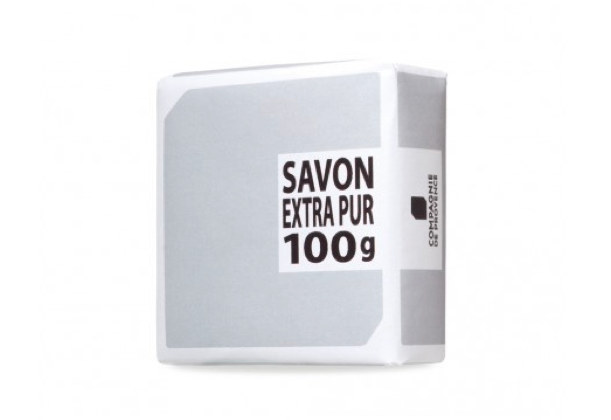
When people say French bar soap, they are often talking about French-milled soap. Milling is a manufacturing process that repeatedly blends and refines the soap mixture until it becomes very uniform. The result is typically a bar with a smoother texture, a harder finish, and better longevity.
This is why French-milled soap has that polished, expensive-aunt-who-travels-well reputation. It tends to last longer than softer bars, hold its shape better, and feel more substantial in the hand. It is less “sad puddle on a soap dish” and more “I have standards.”
Marseille-Style and Vegetable-Based Traditions
Some French bars also borrow from Marseille soap traditions, which historically emphasize vegetable oils and straightforward formulations. In the modern market, that can translate into bars made with olive oil, coconut-derived ingredients, shea butter, or other plant-based fats. Not every French soap follows the same formula, but many lean into a cleaner, classic profile.
That said, French does not automatically mean fragrance free. In fact, many beloved French soaps are deeply scented. Provence, after all, is not exactly famous for keeping lavender to itself. So if you specifically want a fragrance-free French bar soap, you need to look beyond the pretty packaging and read the label with your grown-up eyes.
Who Might Love a Fragrance Free French Bar Soap?
This type of bar can be especially appealing for:
People with sensitive skin. If fragranced cleansers leave your skin tight, itchy, or red, a fragrance-free formula is often a smarter move.
People with very dry skin. A hard bar can still be gentle if it includes moisturizing ingredients and avoids unnecessary irritants.
Frequent hand washers. If your hands are washed twenty-seven times a day because life is messy and germs are rude, a gentler bar may feel noticeably better.
Minimalists. Fragrance-free bars fit beautifully into simple, low-fuss routines.
Travelers. Solid bars are easy to pack, less likely to leak, and often last a surprisingly long time.
People who hate scented body products. Some folks do not want their cleanser to compete with perfume, deodorant, or basic human dignity.
How to Choose the Right One
1. Start With the Ingredient List, Not the Romance
French branding can be gorgeous. The paper wrapping. The old-world typography. The promise that your bathroom might suddenly look like a boutique in Aix-en-Provence. Lovely. Still, the ingredient list matters more than the vibes.
Look for bars with a short or sensible formula and moisturizing ingredients such as glycerin, shea butter, olive oil, or other skin-friendly fats. If your skin is especially reactive, a bar with ceramides or a cleansing-bar style formula may be worth considering too.
2. Check for Hidden Fragrance Language
If the ingredients include fragrance, parfum, or a bouquet of essential oils, that bar is not truly fragrance free. It may smell heavenly, but it is not the product you came here for.
3. Think About How Your Skin Behaves
If you are oily but sensitive, you may want a bar that cleanses thoroughly without added scent or heavy residue. If you are dry or eczema-prone, prioritize moisturizing and soap-free or low-irritation formulas. If your face is fussy but your body is easygoing, you may end up using one bar for hands and body and a separate cleanser for the face. That is not being extra. That is being realistic.
4. Watch for Helpful Claims, but Do Not Worship Them
Claims like for sensitive skin, dermatologist tested, hypoallergenic, or accepted by eczema-focused organizations can be useful clues. They are not magical shields, but they can help narrow the field.
Ingredients and Features Worth Knowing
Good Signs
Glycerin: A classic humectant that helps attract moisture and leaves skin feeling less stripped.
Shea butter: A favorite in many French body products because it adds softness and comfort.
Olive oil or other plant oils: These can support a milder feel and richer lather, depending on the formula.
Ceramides: Especially helpful for people dealing with dryness or an impaired skin barrier.
A hard, dense bar: French milling often creates a bar that lasts longer and resists turning to mush.
Things to Approach Carefully
Strong perfume or essential oils: Lovely for some people, irritating for others.
Deodorant soap language: That often signals a stronger cleansing experience, which may be too much for reactive skin.
Over-cleansing promises: If a bar boasts a squeaky-clean finish, your skin may hear that as “good luck, barrier.”
How to Use Fragrance Free French Bar Soap Without Wrecking Your Skin
Even a gentle soap can feel harsh if you use it like you are trying to sand a deck.
Use lukewarm water, not hot. Hot water feels glorious in the moment and then leaves your skin filing a complaint.
Lather gently with your hands or a soft cloth. You do not need a dramatic scrub session unless your hobby is irritation.
Rinse thoroughly. Leftover cleanser can keep irritating the skin after the shower is over.
Pat dry instead of rubbing like you are polishing a car.
Apply moisturizer soon after washing, especially if you are dry, sensitive, or eczema-prone. Soap choice matters, but what happens after cleansing matters too.
Also, let the bar dry between uses on a well-drained dish. A high-quality French bar lasts longer when it is not marinating in a puddle all day.
Common Myths About Fragrance Free French Bar Soap
Myth 1: If It Is French, It Must Be Better for Sensitive Skin
Not necessarily. French soap can be beautifully made, but a heavily fragranced French bar can still irritate sensitive skin. Country of origin does not cancel out perfume.
Myth 2: Fragrance Free Means Boring
Only if your idea of excitement is skin irritation. A good fragrance-free bar can still feel creamy, refined, and luxurious. Texture, lather, longevity, and finish all contribute to the experience.
Myth 3: Bar Soap Is Always More Drying Than Liquid
Sometimes, but not always. Formula matters more than form. Some bars are harsh. Some are impressively gentle. Some liquids are lovely. Others feel like dish soap wearing a trench coat. Read the ingredients, not just the packaging format.
What Shopping for This Product Looks Like in Real Life
In the real world, fragrance free French bar soap is a narrower category than regular French soap. Many classic French bars are proudly scented, often with lavender, verbena, orange blossom, rose, fig, or shea-based perfume blends. So shoppers looking for fragrance-free versions usually need to search more carefully.
You may find a few paths:
Unscented French-milled bars sold in the U.S. These are the most direct match for the category.
Marseille-style bars with simple formulas. Some are unscented or minimally formulated, though you should still verify the label.
Sensitive-skin bars from French brands. These may be gentler overall, but not all of them are truly fragrance free.
That final point matters. A bar can be marketed for sensitive skin and still contain fragrance. So the safest way to shop is to combine brand reputation with ingredient scrutiny.
Experience Section: What It Is Actually Like to Use Fragrance Free French Bar Soap
Using fragrance free French bar soap feels different from using the average supermarket bar, and not in a dramatic movie-montage way. The difference is quieter than that. It is the kind of upgrade you notice after a week, when your skin has stopped grumbling and your soap dish no longer looks like a melted science project.
The first thing many people notice is the texture of the bar itself. A well-made French-milled bar feels dense, smooth, and strangely civilized. It does not crumble. It does not get slimy five minutes after opening. It feels like it was designed by someone who believes objects should do their job with dignity. You pick it up and immediately understand why people get attached to soap, which sounds ridiculous until it happens to you.
Then there is the lather. Fragrance free does not mean foam-free or joy-free. A good bar still produces a creamy, soft lather that spreads easily over the skin. The experience is less “perfumed shower theater” and more “calm competence.” Nothing is trying to impress you with fake cucumber mist or an overachieving floral identity crisis. It just cleans.
For people who are sensitive to scent, that lack of perfume can feel surprisingly luxurious. There is no lingering smell on the towel. No clash with body lotion, sunscreen, or fragrance you actually chose on purpose. The bathroom does not smell like a department store sample counter. It smells like clean water and your own excellent decision-making.
Another common experience is that the skin feels more balanced after washing. Not magically transformed. Not reborn. Just less tight, less squeaky, and less tempted to become itchy by lunchtime. That is especially noticeable on the hands. If you wash often, switching from a fragranced or harsher bar to a fragrance-free French one can make your hands feel less raw around the knuckles and less papery across the back of the hand.
People also tend to appreciate how long these bars last. A dense French-milled bar can hang around for a while, especially if you store it properly. That gives the product a kind of slow-burn satisfaction. You are not replacing it every ten minutes. It becomes part of your routine in a dependable, almost boring way, and that is a compliment. Skincare does not always need fireworks. Sometimes it just needs to stop causing problems.
There is also an emotional side to the experience. Fragrance free products are often packaged like pure utility: plain, clinical, and vaguely apologetic. French bar soap, by contrast, can bring a little style to the whole low-irritation mission. You get the practicality of a gentle cleanser with the tactile pleasure of a beautifully made bar. It feels less like compromise and more like taste.
Of course, there can be a small adjustment period. If you are used to heavily scented soap, a fragrance-free bar may seem almost too quiet at first. Some people wrongly interpret that as less effective, because they have been taught that “clean” must smell like something. But once you get past that idea, the simplicity becomes part of the charm. Clean skin does not owe anyone a perfume cloud.
In the end, the best experience with fragrance free French bar soap is not that it changes your life. It is that it improves one tiny daily ritual in a way that feels smart, comfortable, and sustainable. You use it. Your skin stays calmer. Your bathroom stays tidier. Your routine feels a little more grown-up. And honestly, that is plenty.
Conclusion
Fragrance free French bar soap is not just a fancy phrase for people who alphabetize their tea collection. It is a useful category for anyone who wants a cleanser that feels refined, lasts well, and skips the perfumed extras that can bother sensitive skin. The sweet spot is a bar that combines the craftsmanship of French milling with a straightforward, fragrance-free formula and moisture-friendly ingredients.
If your skin is reactive, dry, or simply tired of smelling like twelve competing botanicals before breakfast, this kind of bar is worth exploring. Just remember the golden rule: do not buy the wrapping, buy the formula. A quiet bar can still be an excellent one.
Note: This article is for informational purposes only and is not medical advice. If a cleanser causes burning, rash, or ongoing irritation, stop using it and consult a dermatologist.