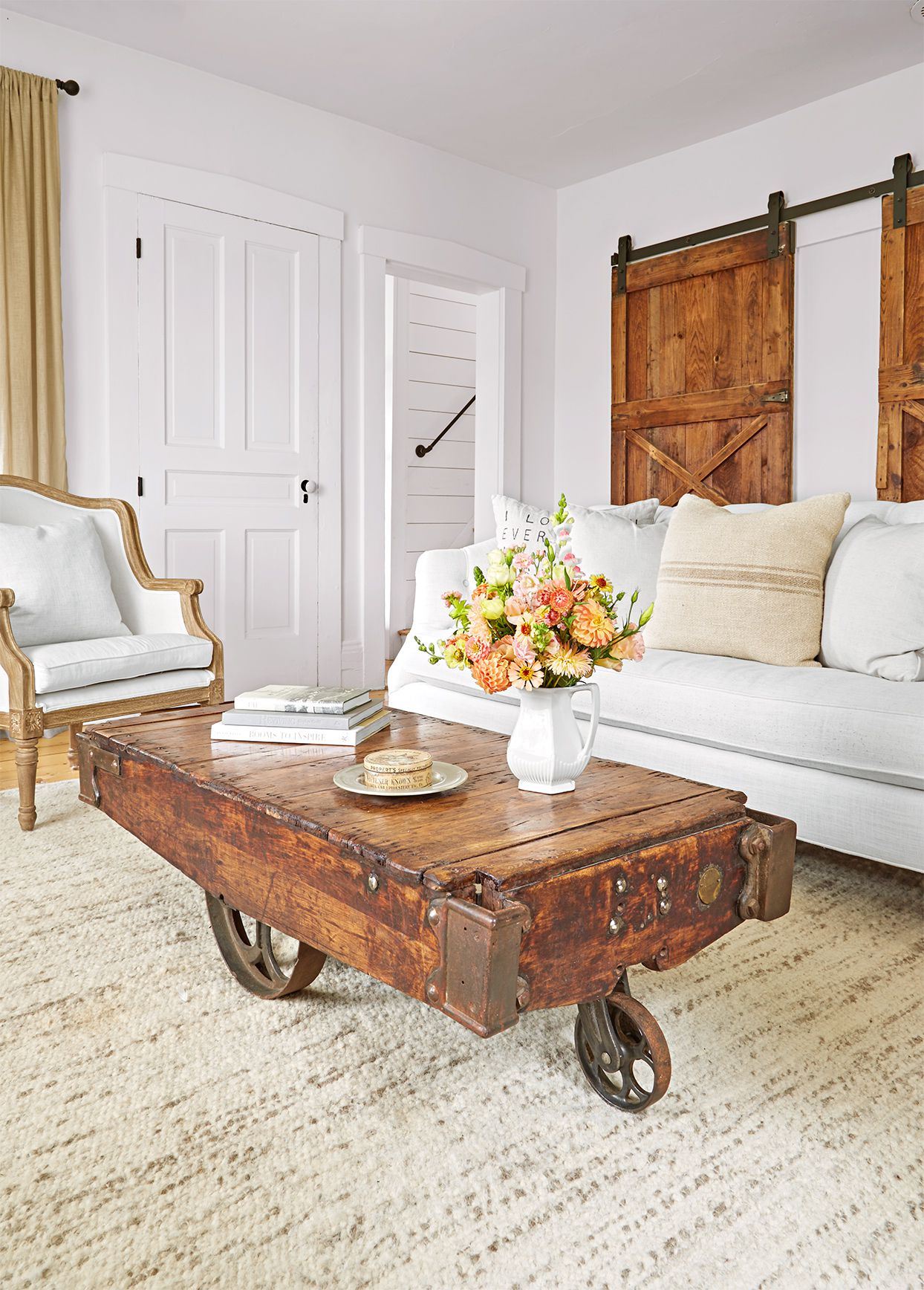
A great game room is more than a place to park a pool table and hope the rest of the house figures itself out. It is the room where family movie nights become traditions, friends mysteriously become “competitive,” and snacks disappear at a speed science has yet to explain. Whether you have a finished basement, a spare bedroom, a garage corner, an attic, or just one brave wall in the living room, the right game room ideas can turn unused square footage into the most popular destination in your home.
The best game room design balances style, comfort, function, and a little personality. You want enough seating for guests, smart storage for board games and controllers, durable surfaces for real-life use, lighting that works for everything from puzzles to movie marathons, and decor that says “fun” without making your house look like an arcade exploded. Below are 48 stylish, practical, and flexible game room ideas for home entertainment that feel grown-up, kid-friendly, and genuinely useful.
How to Plan a Game Room That Actually Gets Used
Before buying neon signs, arcade cabinets, or a sectional large enough to qualify as a small island, think about how the room will be used. A family with younger kids may need soft seating, open floor space, and washable materials. Adults who love hosting may prefer a sleek media lounge with a card table, conversation area, and snack station. Video gamers need cable management, screen placement, task lighting, and ergonomic seating. Board game fans need a table big enough for sprawling game pieces and, ideally, cup holders that prevent tragedy.
A smart layout usually starts with zones. Create one area for active games, one for seated activities, one for screen entertainment, and one for storage. Even a small game room can feel intentional when every item has a home. The secret is not having more space; it is making the space behave itself.
48 Best Game Room Ideas for Home Entertainment in Style
1. Create a Multi-Zone Entertainment Layout
Divide your game room into zones for different activities: video gaming, board games, lounging, and snacks. A basement can hold a pool table on one side and a media area on the other, while a smaller room might use a round table, wall storage, and a compact loveseat. Zoning keeps the room from becoming a furniture traffic jam.
2. Add a Statement Game Table
A beautiful table instantly anchors the room. Choose a sturdy dining-style table for board games, puzzles, cards, crafts, and casual meals. For a polished look, try a dark wood table, a modern pedestal table, or a convertible table with hidden storage.
3. Use Built-In Storage for a Cleaner Look
Built-in cabinets or wall-to-wall shelving can hide board games, controllers, cables, blankets, and extra supplies. Open shelves are great for display items, while lower cabinets are perfect for the less glamorous stuff, like mystery cords and that one remote nobody understands.
4. Turn a Basement Into a Game Lounge
Basements are ideal for game rooms because they often offer more separation from the main living areas. Use warm lighting, area rugs, wall art, and comfortable seating to make the space feel inviting instead of forgotten. If the basement has low ceilings, use low-profile furniture and light wall colors to keep it open.
5. Design a Family-Friendly Board Game Corner
A board game corner does not need much: a table, good lighting, shelves, and comfortable chairs. Add baskets for smaller games and label storage bins by category, such as strategy games, party games, kids’ games, and card games. Organization is the difference between “game night” and “where is the missing dice?”
6. Install Layered Lighting
Good game room lighting should include ambient, task, and accent lighting. Use ceiling lights for general brightness, pendants over a table, LED strips behind shelves, and floor lamps near seating. Dimmer switches help the room shift from puzzle mode to movie mode with minimal drama.
7. Add Pendant Lighting Over a Pool Table
If your game room includes a pool table, focused lighting is essential. Hang a linear pendant or a row of pendant lights centered over the table to reduce shadows and improve visibility. Choose a fixture that matches the room’s style, from vintage billiard lights to sleek modern metal.
8. Go Retro With Arcade Machines
Classic arcade cabinets bring instant nostalgia and visual energy. Pac-style graphics, racing games, pinball-inspired decor, and bright wall art can create a retro arcade vibe without overwhelming the room. Use one or two machines as statement pieces rather than filling every corner.
9. Build a Video Gaming Station
A video game setup needs more than a screen and a chair. Plan for ventilation, charging docks, cable management, headset hooks, and adjustable lighting. A floating media console keeps the floor clear, while a comfortable chair supports long gaming sessions without turning posture into the final boss.
10. Create a Cozy Home Theater Zone
Pair a large TV or projector with deep seating, soft throws, blackout curtains, and warm lighting. A media zone works beautifully in a game room because it gives everyone a place to relax between rounds. Add a low console for devices and closed storage for remotes and accessories.
11. Use Acoustic Panels as Decor
Acoustic panels can reduce echo and improve sound quality, especially in rooms with hard floors or large screens. Choose fabric-wrapped panels in colors that match your design. They can look like modern wall art while quietly doing the useful work of making movies and games sound better.
12. Add a Snack and Beverage Station
A game room snack station makes hosting easier. Use a small cabinet, mini fridge, countertop tray, or rolling cart for popcorn, sparkling water, chips, and candy jars. Keep it family-friendly and easy to clean, because crumbs are basically guaranteed guests.
13. Choose Durable Flooring
Game rooms need flooring that can handle foot traffic, chair movement, snacks, and the occasional dropped controller. Luxury vinyl plank, carpet tiles, sealed concrete, and performance rugs are practical options. If you want softness, layer a washable rug over hard flooring.
14. Add a Large Sectional Sofa
A sectional is ideal for movie nights, multiplayer gaming, and casual hangouts. Choose stain-resistant upholstery and a layout that fits the screen and conversation area. Modular sectionals are especially helpful because you can rearrange them for different events.
15. Use Ottomans for Flexible Seating
Ottomans can act as seats, footrests, tables, or hidden storage. Choose upholstered storage ottomans for blankets, controllers, and extra game pieces. Round ottomans soften rooms with lots of rectangular furniture.
16. Display Board Games Like Decor
Some board games have beautiful boxes, so let them work for the room. Arrange them on open shelves by color or size. For a cleaner look, place less attractive boxes in baskets and display only the best-looking favorites.
17. Frame Game-Inspired Art
Game-themed art can be stylish when framed properly. Use vintage playing card prints, minimalist video game posters, chess diagrams, sports photography, or retro arcade artwork. Matching frames make playful art feel intentional.
18. Try a Moody Color Palette
Deep navy, charcoal, forest green, burgundy, and espresso brown can make a game room feel cozy and sophisticated. Moody colors work especially well in basements and media rooms because they reduce glare and create a lounge-like atmosphere.
19. Keep It Bright and Playful for Kids
If the game room is mainly for children, use cheerful colors, washable rugs, rounded furniture, and low storage. Wall decals, colorful bins, and soft mats make the space fun without requiring expensive changes as kids grow.
20. Add a Chalkboard or Whiteboard Wall
A chalkboard wall is perfect for keeping score, writing tournament brackets, sketching game rules, or leaving funny messages. Magnetic whiteboards work well for families who prefer a cleaner, dust-free option.
21. Create a Puzzle Table Area
Puzzle lovers deserve a dedicated surface where projects can stay out without taking over the dining table. Add a lamp, comfortable chair, and shallow drawers for sorting pieces. A rolling puzzle board is helpful in smaller homes.
22. Add a Dartboard Wall With Protection
A dartboard can fit into a small game room, but protect the wall with a cabinet or backing panel. Choose soft-tip darts for a more family-friendly setup, and make sure the area around the board stays clear.
23. Use a Fold-Down Table in Small Spaces
For apartments or compact homes, a fold-down wall table creates instant game space. Pair it with stackable chairs and wall-mounted storage. When closed, the room returns to normal instead of permanently looking like a tournament is about to begin.
24. Make an Attic Game Retreat
An attic can become a charming game room with low seating, built-in storage under the eaves, and soft lighting. Use lighter colors if the ceiling is low, and place taller furniture near the highest wall.
25. Convert a Garage Corner
A garage game room works well for table tennis, foosball, or casual hangouts. Add outdoor-rated rugs, wall insulation if needed, storage cabinets, and portable seating. Keep the layout flexible so the garage can still function when necessary.
26. Include a Foosball Table
Foosball is compact compared with many game tables and works for a wide range of ages. Leave enough space around the sides for players to move comfortably. A rug underneath helps define the area and protect flooring.
27. Add Table Tennis for Active Fun
Ping-pong needs more space than it appears to need in photos. If your room is tight, consider a foldable table that can be stored upright. Wall-mounted paddle racks keep gear organized and make the setup look tidy.
28. Use a Convertible Dining and Game Table
A convertible table can serve meals, board games, card games, and puzzles. Some designs include removable tops, cup holders, or recessed play surfaces. It is a smart investment for homes where one room has to multitask.
29. Install Floating Shelves
Floating shelves are useful for displaying collectibles, controllers, small speakers, trophies, and framed art. Keep shelves edited rather than packed. A little breathing room makes the room look designed, not simply full.
30. Add LED Accent Lighting
LED strips behind screens, under shelves, or along baseboards create a modern gaming atmosphere. Choose adjustable lights so you can shift from bold color during gaming to soft warm light during conversation.
31. Create a Sports Viewing Wall
If your household loves watching games, mount a large screen and surround it with team-neutral decor, vintage sports prints, or framed jerseys. Use comfortable seating and side tables so guests have a place for snacks and drinks.
32. Design a Music and Game Hybrid Room
A game room can double as a music room. Add a keyboard, guitar wall mounts, record player, or speaker setup. This works especially well for families who host casual gatherings where entertainment shifts naturally from games to music.
33. Add a Reading Nook for Quieter Moments
Not everyone wants nonstop action. A reading nook with a chair, lamp, and small bookshelf gives guests or family members a quiet corner. It also helps the game room feel more layered and less like a single-purpose space.
34. Use Themed Decor Carefully
Themes can be fun, but restraint is your friend. Instead of covering the room in one game franchise or sports team, use subtle references: colors, artwork, pillows, or collectibles. Think “stylish tribute,” not “gift shop storage room.”
35. Add a Mini Library of Games
Organize games by type: quick party games, family games, strategy games, classics, and outdoor games. Add a small label to each shelf. Guests will find what they want faster, and you will spend less time explaining your personal filing system.
36. Choose Washable and Performance Fabrics
Game rooms are high-use spaces, so choose fabrics that forgive real life. Performance velvet, microfiber, indoor-outdoor textiles, and washable slipcovers can look polished while handling spills and frequent use.
37. Add a Rug to Define the Space
A large area rug helps anchor seating, reduce echo, and make the room feel finished. Choose a low-pile rug under tables so chairs move easily. Patterned rugs are excellent at hiding crumbs until cleanup time.
38. Include Hidden Cable Management
Cables can ruin even the most beautiful gaming setup. Use cord covers, cable boxes, Velcro ties, and media consoles with rear cutouts. Label cords behind the console so future troubleshooting does not become a household mystery novel.
39. Add a Projector for Big-Screen Fun
A projector can create a cinematic experience, especially in darker rooms. Pair it with blackout curtains, a pull-down screen, and comfortable seating. If the room gets lots of daylight, a large TV may be more practical.
40. Use Wall-Mounted Storage for Equipment
Wall hooks and pegboards can store paddles, controllers, headphones, VR gear, and sports equipment. A pegboard painted to match the wall looks tidy and custom while keeping frequently used items easy to grab.
41. Add Personality With Vintage Finds
Vintage signs, old game boards, antique trunks, thrifted lamps, and retro chairs add character. Mixing vintage pieces with modern furniture keeps the room from feeling too showroom-perfect.
42. Create a Game Room Gallery Wall
A gallery wall can combine framed posters, family photos, scorecards, maps, and small shelves for collectibles. Keep frames consistent for a polished look, or mix frame styles for a more eclectic lounge effect.
43. Use Smart Home Controls
Smart lighting, voice control, automated shades, and programmable scenes can make the room easier to use. A “movie night” setting can dim lights and close shades, while a “game night” setting can brighten the table area.
44. Add a Cozy Fireplace Feature
An electric fireplace or built-in media wall adds warmth and visual focus. It works especially well in basement game rooms that need a cozier atmosphere. Keep electronics properly ventilated and follow installation guidelines.
45. Design Around Conversation
Not every game room needs to be screen-centered. Arrange chairs around a coffee table or game table so people can talk easily. This creates a more social room and makes the space useful even when no one is actively playing.
46. Make Room for Movement
Leave clear walkways between game tables, seating, doors, and storage. A stylish room quickly becomes annoying if everyone has to sidestep furniture like they are navigating a laser maze.
47. Add Personal Trophies and Memorabilia
Display meaningful items: tournament ribbons, family photos, travel souvenirs, sports keepsakes, or collectibles. Personal details make the room feel like yours, not a random inspiration-board duplicate.
48. Keep the Room Easy to Reset
The best game room is easy to clean after guests leave. Use baskets, trays, labeled shelves, and closed cabinets. When cleanup takes five minutes, the room gets used more often. When cleanup takes an hour, everyone suddenly “forgets” game night exists.
Game Room Style Ideas by Space Type
Small Game Room Ideas
For a small game room, focus on vertical storage, foldable furniture, and one main activity. A wall-mounted TV, compact game table, stackable chairs, and floating shelves can create a complete entertainment space without crowding the room. Mirrors can help reflect light, while lighter wall colors make the room feel larger.
Basement Game Room Ideas
Basements can handle larger entertainment features like home theaters, pool tables, sectional sofas, and snack stations. To make a basement feel less underground, use layered lighting, warm wood tones, soft rugs, and framed art. If sound travels upstairs, add rugs, curtains, and acoustic panels.
Living Room Game Area Ideas
If your game area shares space with the living room, choose furniture that blends with your existing decor. Store games in a console, use a coffee table with drawers, and select attractive baskets for accessories. The goal is a room that can host game night on Friday and still look elegant on Saturday morning.
Luxury Game Room Ideas
For a high-end look, choose rich materials: leather chairs, walnut cabinetry, stone surfaces, custom lighting, and tailored window treatments. A luxury game room does not need to shout. It can whisper confidently with excellent seating, thoughtful lighting, and one unforgettable centerpiece.
Real-Life Experience: What Makes a Game Room Feel Worth It
The most successful game rooms are not always the most expensive ones. In real homes, the rooms people love tend to have three things in common: comfort, easy access, and a reason to stay. A beautiful room that feels too precious will sit unused. A room with awkward chairs, bad lighting, and no table space will also lose the popularity contest. The sweet spot is a space that looks good but still says, “Yes, you can put popcorn here.”
One of the most practical experiences many homeowners discover is that storage matters more than expected. At first, a few board games on a shelf look charming. Then come extra controllers, charging cables, puzzle boxes, card decks, ping-pong balls, blankets, batteries, and mystery accessories that no one can identify but everyone is afraid to throw away. Closed storage keeps the room calm. Open shelving adds personality. The combination of both is game room magic.
Lighting is another lesson people learn quickly. A single ceiling fixture rarely works for every activity. Board games need bright, even light. Video gaming feels better with softer indirect lighting. Movie nights call for dimmable fixtures. Pool tables and puzzle tables need focused task lighting. The more flexible your lighting, the more flexible the room becomes. Dimmers are inexpensive compared with many renovations, but they can completely change how the space feels.
Seating also deserves serious attention. Game rooms often become social rooms, and guests naturally stay longer when seats are comfortable. A sectional is great for lounging, but chairs around a game table need proper height and back support. Ottomans are useful for extra guests, but they should not be the only seating unless you want everyone standing up after twenty minutes like their knees filed a complaint.
The best game rooms also reflect the people who use them. A family that loves puzzles should not design the entire room around a pool table just because it looks impressive online. A video gamer may need a compact but polished setup more than a giant lounge. A family with kids may benefit from washable surfaces, toy storage, and open floor space. A couple who hosts friends may prefer a stylish table, mood lighting, and a snack station. Good design starts with real habits, not fantasy habits.
Finally, the room should be easy to reset. This may sound boring, but it is the reason a game room survives. After a fun night, people are tired. If every controller has a dock, every game has a shelf, and every blanket has a basket, cleanup feels painless. That means the room is ready for the next movie night, tournament, birthday hangout, or rainy afternoon. A stylish game room is wonderful. A stylish game room that cleans up quickly is practically a household superhero.
Conclusion
The best game room ideas combine entertainment, comfort, and personal style. You can go big with a basement home theater and pool table, keep things compact with a board game corner, or create a flexible family lounge that works for movies, video games, puzzles, and weekend hangouts. Focus on layout first, then add layered lighting, durable materials, smart storage, and decor that feels personal. When the room is comfortable, organized, and easy to use, it becomes more than a design project. It becomes the place everyone wants to be.