Let’s give your skeleton the respect it deserves. Bones are not just the coat hangers of the body. They are living tissue, constantly breaking down and rebuilding, which means they respond to how you move. When you challenge them with the right kind of stress, they tend to get stronger. When you spend too much time parked in a chair like a decorative houseplant, they get fewer reasons to stay sturdy.
That is where weight-bearing workouts for stronger bones come in. These are exercises that make your body work against gravity while you stay upright. In plain English: your feet are on the ground, your bones are doing their job, and your muscles are not just there for the mirror selfie. Add in resistance training and balance work, and you have a practical formula for supporting bone health, improving posture, and reducing fall risk.
This guide walks through eight smart, realistic workouts that can help support stronger bones. Some are gentle enough for beginners. Some are more challenging and better for people with good joint health and a lower fracture risk. The goal is not to become a superhero by next Tuesday. The goal is to build a routine your bones will thank you for over the long haul.
Why Weight-Bearing Exercise Matters for Bone Health
Bone responds to load. Every time your feet strike the ground, every time your muscles tug on bone during strength training, your body gets a message: “Hey, we still need this structure. Don’t skimp on maintenance.” That is why weight-bearing exercise and resistance workouts are repeatedly recommended in bone-health guidance.
Not all exercise affects bone the same way. Swimming and cycling are excellent for the heart and lungs, and they absolutely belong in a healthy lifestyle. But because the bike or water supports much of your body weight, they do not provide the same bone-loading effect as walking, stair climbing, dancing, or strength training performed on your feet. In other words, your bones are a little picky. Cardio is lovely, but they also want a reason to brace, absorb, and adapt.
The good news is that you do not need a brutal, boot-camp-style program to help your bones. You need consistency, progressive challenge, and a little common sense. Think of it as smart pressure, not punishment.
8 Weight-Bearing Workouts for Stronger Bones
1. Brisk Walking
If exercise had a dependable best friend award, brisk walking would win it every year. It is accessible, inexpensive, joint-friendlier than many high-impact options, and easy to scale. Walking is a classic low-impact weight-bearing exercise that helps load the hips, legs, and spine while also supporting stamina and mobility.
To make walking count a little more for bone strength, think “purposeful,” not “casual window-shopping pace.” Your stride should feel energetic enough to raise your breathing without turning the outing into a dramatic scene from an action movie. Walk hills, add a few faster intervals, or swing your arms with intent. Even 20 to 30 minutes on most days can become a powerful habit.
Best for: beginners, older adults, people easing back into exercise, and anyone who wants a sustainable foundation.
2. Stair Climbing
Stairs are sneaky little bone trainers. They increase the load on the lower body more than flat-ground walking and ask your legs, hips, and glutes to work harder with every step. That repeated upward push is useful for stronger bones and stronger muscles, which is a very convenient two-for-one deal.
You can use household stairs, a stadium staircase, or a stair machine at the gym. Start with one or two flights at a comfortable pace, then repeat. If you are new to this, do not try to become the king or queen of Everest on day one. Focus on clean foot placement, upright posture, and holding the rail if needed for balance.
Best for: people who want to level up from walking without immediately jumping into jogging or jumping drills.
3. Dancing
Dancing is one of the most underrated bone workouts on the planet. It is weight-bearing, often includes changes of direction, improves coordination, and can be surprisingly challenging. Also, unlike staring at a treadmill console for 30 minutes, dancing has the wild advantage of being fun.
Whether you prefer line dancing, Zumba, ballroom, hip-hop, or enthusiastic kitchen dancing while pasta water boils, the key is that you are upright and moving. The changes in rhythm, footwork, and body position can help challenge bones and balance at the same time. For people who hate “exercise” but love music, dancing is often the loophole that saves the day.
Best for: people who want a workout that feels less like a chore and more like a good Friday night.
4. Hiking
Hiking takes walking and adds terrain, incline, and the occasional humble reminder that nature has zero interest in your excuses. Because trails often include hills, uneven ground, and small changes in direction, hiking can increase the bone-loading and balance challenge compared with a simple sidewalk stroll.
Start with smoother trails if you are new to hiking or worried about tripping. Supportive shoes matter here. So does pacing. Shorter hikes done consistently beat one overambitious trek that leaves you negotiating with your calf muscles for peace. If you tolerate it well, hills are especially useful because they ask more from the hips and legs.
Best for: walkers who want more variety, outdoor lovers, and people who want balance practice without staring at a balance board.
5. Jogging or Light Running
If your joints are healthy, your balance is solid, and you do not have osteoporosis-related restrictions, jogging or light running can provide a stronger bone stimulus than lower-impact movement. The repeated ground reaction force gives bones a bigger reason to adapt. That is part of why higher-impact exercise is often considered more bone-building than a leisurely walk.
That said, this is not a universal prescription. Jogging is not the star of every bone-health story. For some people, especially those with low bone density, previous fractures, poor balance, or significant joint pain, this level of impact may be too much. If you are a good candidate, begin with walk-jog intervals: for example, one minute of easy jogging followed by two minutes of walking.
Best for: healthy exercisers with low fracture risk who want a bigger challenge.
6. Racket Sports Like Tennis or Pickleball
Racket sports bring a special sauce to the bone conversation: impact plus speed plus sudden changes of direction. That combination can be useful because bones appear to respond well not just to load, but also to varied movement patterns. Translation: your skeleton likes surprises, just not the kind that involve a twisted ankle.
Tennis and pickleball are especially appealing because they work the legs, hips, and core while also improving coordination and reaction time. If full matches feel like too much, start with short rally sessions or doubles play. Pickleball can be a gentler entry point for many adults because the court is smaller and the movement demands are often more manageable.
Best for: people who enjoy social exercise and want a workout that does not feel repetitive.
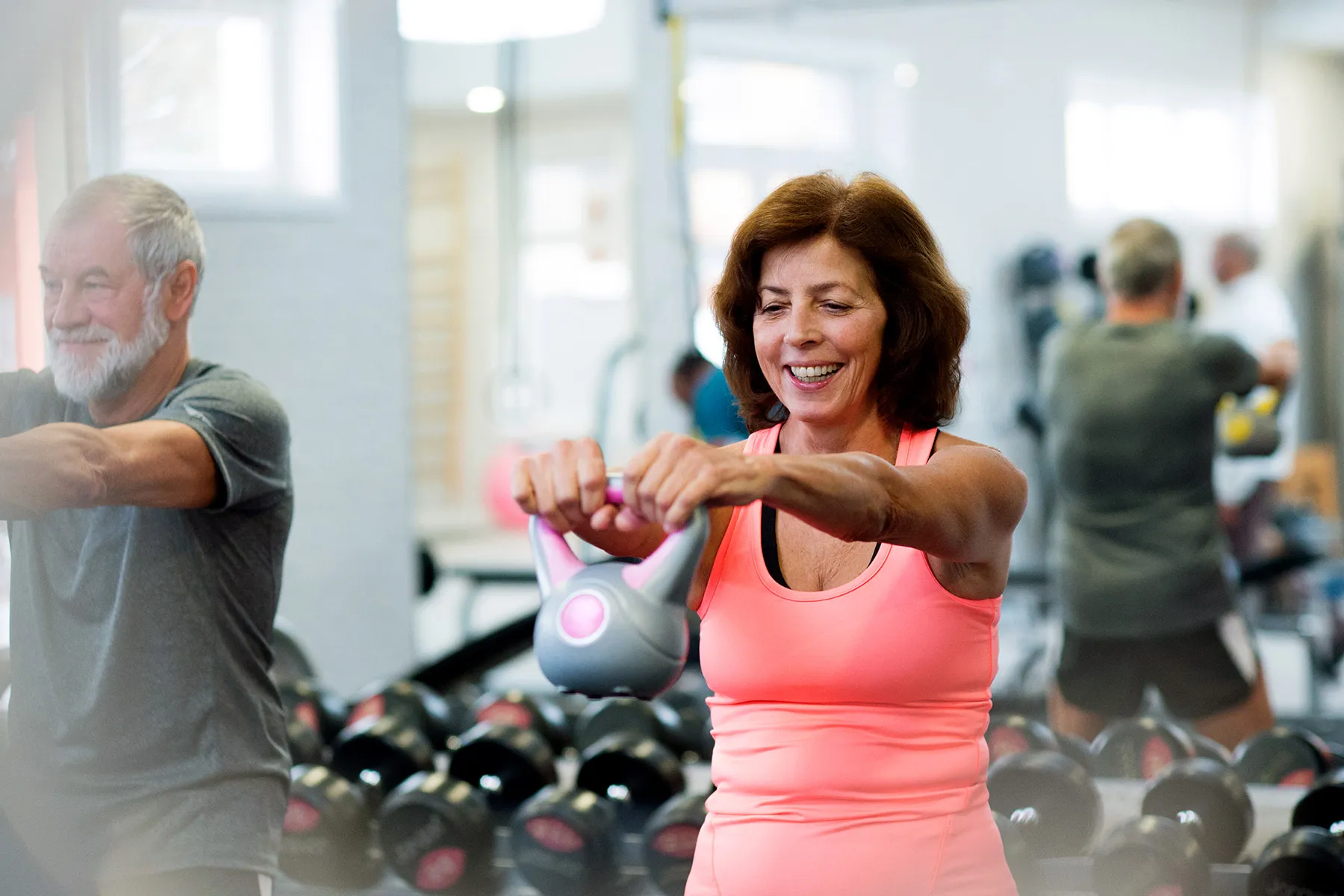
7. Strength Training With Weights, Bands, or Body Weight
Strictly speaking, strength training is often discussed as resistance exercise rather than classic weight-bearing cardio. But when it comes to building better bone support, it absolutely belongs on the list. Squats, lunges, step-ups, deadlifts done with good form, overhead presses, rows, and even body-weight moves like pushups or sit-to-stands can help stress bones through muscle pull and load-bearing.
This matters because stronger muscles help you move better, stabilize joints, and reduce the chance of falls. Bones love a solid support team. Start with two or three sessions a week, focusing on major muscle groups. Keep the movements controlled. Use resistance that feels challenging but manageable. Your ego should not be the heaviest thing in the weight room.
Best for: nearly everyone, with exercise selection adjusted for ability, technique, and medical history.
8. Tai Chi and Functional Balance Drills
Tai chi is gentle, slow, and deceptively effective. It may not look like a “workout” in the sweat-flying, gym-selfie sense, but it helps with body awareness, weight shifting, posture, and balance. That matters because bone protection is not only about building density. It is also about reducing the risk of falls that can lead to fractures.
Functional balance drills work well here too: standing on one foot while holding a chair, heel-to-toe walking, backward walking, controlled step-ups, and slow lunges. These exercises may not create the biggest bone-building signal on their own, but they are valuable in a bone-smart program because they help keep you upright, confident, and moving safely.
Best for: older adults, beginners, and anyone who needs more confidence before tackling higher-impact activity.
How to Build a Bone-Friendly Weekly Routine
A good bone-health plan does not need to be fancy. It needs to be repeatable. A simple week might look like this:
- Monday: brisk walk for 30 minutes + 15 minutes of strength training
- Tuesday: tai chi or balance drills for 20 minutes
- Wednesday: stair climbing or hiking
- Thursday: strength training for 20 to 30 minutes
- Friday: dance workout or racket sport
- Saturday: brisk walk with hills
- Sunday: mobility work and light balance practice
The point is variety. Bones respond well to different kinds of stress, and your brain usually responds well to not being bored out of its mind.
Safety Tips Before You Start Acting Like a Human Jackhammer
Here is the part where practicality puts on its sensible shoes. If you have osteoporosis, osteopenia, a prior fragility fracture, chronic pain, poor balance, or you have been mostly inactive for a while, talk with a healthcare professional before launching into higher-impact exercise. This is especially important if you are considering jogging, jumping, or intense step classes.
In many cases, people with low bone density benefit from exercise tremendously, but they may need a safer entry point. Low-impact weight-bearing activity, supervised strength training, and balance work are often a better opening act than “I found a jump-rope challenge online and now my knees are drafting a formal complaint.”
Pay close attention to posture during exercise. For people with osteoporosis or high fracture risk, activities that involve repeated forward bending from the waist or excessive twisting of the spine may not be appropriate. Controlled movement matters. So do supportive shoes, uncluttered floors, gradual progression, and using a rail or chair when balance is shaky.
One more thing: exercise works best as part of a bigger bone-health picture. Adequate calcium, vitamin D, enough protein, not smoking, and limiting excess alcohol all support the job your workouts are trying to do. Bones are team players, but they do expect backup.
What the Experience Often Feels Like in Real Life
People often imagine bone-strengthening exercise as something dramatic: loud plyometrics, heroic dumbbells, and a motivational soundtrack that sounds like it wants to fight you. In real life, the experience is usually much quieter, much steadier, and honestly much more encouraging than that.
For many beginners, the first noticeable change is not “Wow, I can feel my bones getting denser,” because of course that is not how bodies work. The first change is often a feeling of being more stable. Going up stairs feels less clumsy. Getting out of a chair feels smoother. Standing in the kitchen for 20 minutes does not make your lower back grumble quite as much. That early improvement usually comes from better muscle activation, balance, and coordination.
Walking is often the gateway workout. At first, a brisk walk may feel suspiciously ordinary, almost too simple to matter. Then, after a few weeks, people notice that their pace naturally picks up. Hills feel less rude. Their posture improves because they are not folding over their phones like human question marks. The workout that once felt basic starts feeling powerful precisely because it is sustainable.
Strength training brings a different kind of experience. The first few sessions can feel awkward. Squats may reveal that one side is bossier than the other. Lunges may expose balance issues you did not know you had. Bands may snap dramatically and humble you in front of absolutely no one, which is somehow still embarrassing. But over time, these workouts often build a very specific kind of confidence. You start trusting your legs. You stop using your arms for every tiny rise from the couch. Daily tasks become less of a negotiation.
Dancing and racket sports often change the emotional side of exercise. Instead of counting minutes with the enthusiasm of a bored accountant, people get absorbed in the activity itself. They laugh. They miss a step. They try again. That matters more than it sounds. The best bone workout is not necessarily the most technically perfect one. It is often the one you will actually keep doing month after month.
Balance work can be the sneakiest confidence booster of all. Standing on one foot near a counter may seem unimpressive, but people are often surprised by how quickly they feel steadier in everyday life. Carrying groceries, stepping off curbs, turning quickly in the hallway, and walking on uneven ground start to feel less like tiny ambushes.
There is also a mental shift that happens with bone-friendly training. Many people begin because they are afraid: afraid of aging, falls, fractures, or feeling fragile. Consistent movement can turn that fear into agency. You may not control every part of bone loss or every health variable, but you can absolutely give your body a better environment to stay strong.
That is the real experience of these workouts. It is not perfection. It is not punishment. It is a gradual move from hesitant to capable, from stiff to steadier, from “I should do something” to “this is just part of how I live now.” And that, frankly, is the kind of progress that sticks.
Conclusion
The best weight-bearing workouts for stronger bones are the ones that challenge your body safely, fit your current ability, and show up in your schedule often enough to matter. Brisk walking, stair climbing, dancing, hiking, jogging, racket sports, strength training, and tai chi each bring something useful to the table. Some build more impact. Some build more control. The smartest routine usually borrows from all of them.
If your goal is better bone strength, think beyond a single workout. Build a weekly pattern that includes weight-bearing movement, resistance work, and balance practice. Start where you are. Progress gradually. Keep your posture honest. And remember: your skeleton is not asking for magic. It is asking for consistent reasons to stay strong.