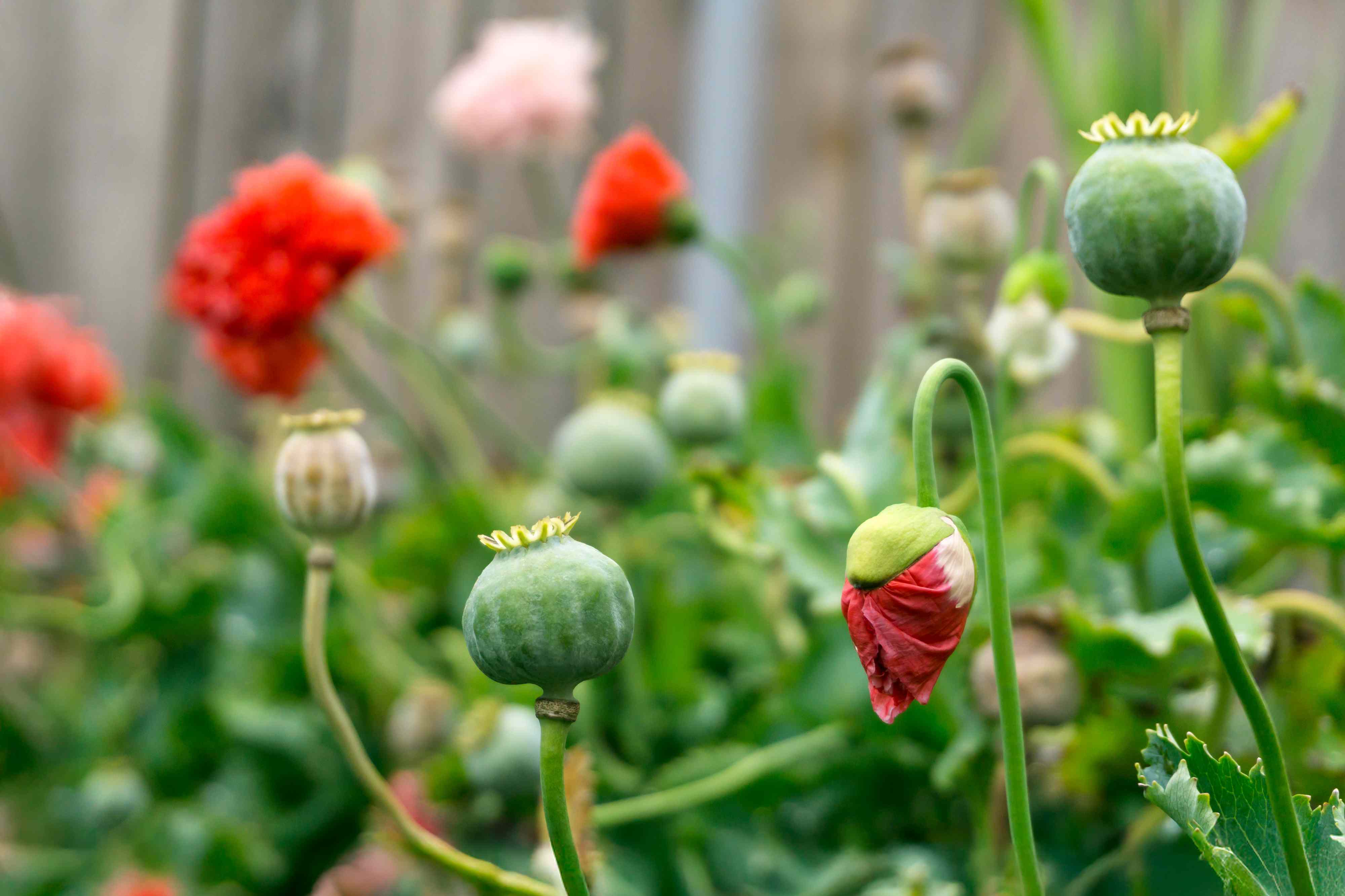
Deadheading is one of those garden chores that sounds slightly dramatic, like you are starring in a tiny botanical crime show. In reality, it simply means removing faded flowers before they form seed. Done at the right time, deadheading can keep annuals blooming, make perennials look tidy, and persuade certain plants to put their energy into fresh flowers instead of seed production.
But here is the twist: more deadheading is not always better. At some point in the season, the smartest gardener in the yard may be the one who puts down the snips, sips the lemonade, and lets nature finish the job. Seed heads feed birds. Dried stems shelter insects. Self-sowing flowers prepare next year’s surprise party. Even those “messy” brown flower heads can become winter architecture when frost turns them into little sculptures.
So how do you know when to stop deadheading flowers? The answer depends on the plant, the season, your garden goals, and whether the seed heads are helpful, harmful, or simply too charming to remove. Below are six clear signs it is time to stop deadheading and let the garden do what gardens have been doing long before humans arrived with pruners and opinions.
What Deadheading Really Does
Deadheading removes spent flowers and developing seed pods. For many annuals and some perennials, this delays seed formation and encourages the plant to keep blooming. It also keeps beds, borders, containers, and hanging baskets looking fresh instead of “forgotten bouquet in a vase” fresh.
Plants bloom because flowers help them reproduce. Once seeds begin forming, some plants slow down flower production because, from the plant’s point of view, mission accomplished. By removing faded blooms, gardeners interrupt that cycle and often trigger more flowers. This is especially useful with plants such as zinnias, cosmos, marigolds, calendula, geraniums, salvia, blanket flower, tickseed, Shasta daisy, and many container annuals.
However, deadheading also removes future seed, wildlife food, ornamental seed heads, and sometimes important habitat. That is why late summer and fall call for a different mindset. Instead of asking, “What can I cut?” ask, “What does this plant offer if I leave it alone?”
6 Signs It’s Time to Stop Deadheading
1. The Plant Has Finished Its Main Bloom Cycle
The first sign is simple: the plant is done giving you meaningful rebloom. Many gardeners keep deadheading out of habit long after it stops making a difference. By late summer or early fall, shorter days and cooler nights tell many plants to slow down. Removing spent flowers at that point may not produce a fresh flush of blooms, especially if frost is just around the corner.
Some perennials respond beautifully to early-season deadheading. Shasta daisies may send up a smaller second bloom. Dianthus can rebloom after shearing. Garden phlox, campanula, yarrow, bee balm, and tickseed may look tidier and produce more flowers when trimmed at the right time. But later in the season, the plant’s biological calendar starts shifting from “make more flowers” to “prepare for survival.”
If a perennial has already bloomed heavily and new buds are scarce, stop cutting. Let the remaining flowers mature into seed heads. This allows the plant to complete its natural cycle and can also reduce unnecessary stress. Think of it as letting the plant clock out after a long shift.
Example: A patch of coneflowers may bloom for weeks, especially if you remove some early spent flowers. But once fall approaches, leaving the last flower heads standing gives birds a valuable seed source and gives the winter garden structure.
2. Birds Are Starting to Visit the Seed Heads
If birds are landing on your plants like tiny restaurant critics, stop deadheading. Many flower seed heads are excellent food sources for birds and other wildlife. Coneflowers, black-eyed Susans, sunflowers, Joe-Pye weed, sedum, ornamental grasses, asters, and blanket flowers can all provide seeds that birds may eat during fall and winter.
Goldfinches are especially famous for balancing on seed heads with the confidence of circus performers. They often visit coneflower, black-eyed Susan, sunflower, and gaillardia. Sparrows, juncos, chickadees, and other birds may also forage among standing stems and seed heads when cold weather limits food options.
Leaving seed heads is not the same as neglecting your garden. It is a quiet way to support backyard wildlife. A sterile, perfectly clipped garden may look tidy, but it can offer very little food. A slightly wilder garden, on the other hand, becomes a winter pantry.
That said, be selective. Do not allow invasive or aggressively self-seeding plants to spread unchecked. If a plant is known to become a problem in your area, remove its seed heads before they mature. Nature is wonderful, but she does occasionally overdo the guest list.
3. You Want Flowers to Self-Sow Next Year
Another sign it is time to stop deadheading is when you want free plants. Many annuals and short-lived perennials can self-sow if you allow seed heads to mature and drop seed naturally. This does not mean every seed will sprout exactly where you want it, but that is part of the charm. Cottage gardens, meadow-style borders, pollinator patches, and informal beds often benefit from a little controlled chaos.
Good self-sowing candidates include cosmos, calendula, borage, larkspur, love-in-a-mist, annual poppies, sweet alyssum, nasturtiums, cleome, tall verbena, and some black-eyed Susans. In many regions, these plants may drop seed in late summer or fall and return the following spring when conditions suit them.
To encourage self-sowing, stop deadheading selected plants near the end of the season. Allow flower heads to dry on the plant. Once seeds mature, wind, rain, gravity, and birds will help distribute them. If you want more control, collect mature seed heads into paper bags, label them, and store them in a cool, dry place.
The trick is moderation. Leave a few seed heads, not necessarily every seed head. You can let five cosmos plants scatter seed without turning the entire bed into a cosmos convention. If seedlings appear next spring in the wrong place, transplant them while small or remove the extras.
4. The Seed Heads Add Winter Interest
Not every dead flower is ugly. Some are simply waiting for better lighting. Dried seed heads, sturdy stems, and ornamental grasses can look beautiful in fall and winter, especially after frost, snow, or morning dew. Coneflowers become dark, textured cones. Sedum flower heads turn bronze. Ornamental grasses catch low sunlight. Asters and black-eyed Susans bring a natural, prairie-like look to beds that would otherwise become flat and bare.
Winter interest matters because many gardens are designed for spring and summer but go visually silent after frost. Leaving selected stems standing gives the landscape height, texture, and movement. It also helps mark where perennials are located, which is useful when spring cleanup begins and you are trying not to dig up something important.
If your garden looks too messy when everything is left standing, use the “intentional wild” method. Leave plants in groups rather than random individuals. Cut back anything collapsed, slimy, diseased, or blocking a path, but keep strong vertical stems and attractive seed heads. A clean edge along the bed can make the entire planting look purposeful, even when the interior is relaxed.
Try this: Leave coneflower, rudbeckia, sedum, switchgrass, little bluestem, mountain mint, bee balm, and asters standing through winter. Then cut back in late winter or early spring when new growth begins or when your local pollinator guidance recommends cleanup.
5. Pollinators and Beneficial Insects Need Habitat
Stopping deadheading is not only about flowers and birds. It also supports insects. Many native bees and beneficial insects use plant stems, leaf litter, and garden debris for nesting or overwintering. A garden stripped bare in fall may remove shelter just when small creatures need it most.
Hollow or pithy stems can be useful for stem-nesting bees. Leaf litter can shelter moths, butterflies, beetles, spiders, and other invertebrates. Standing stems and dried flower heads also create microhabitats that protect insects from wind, temperature swings, and predators.
This does not mean you must abandon all cleanup forever and let the garden become a botanical storage unit. It means timing and selectivity matter. Leave healthy stems and seed heads standing through the cold season when possible. Avoid cutting everything to the ground in fall. If you do trim stems, leaving some stubble can provide nesting opportunities later.
Also remember that pollinator gardening is not only about blooming flowers. A truly wildlife-friendly garden includes nectar, pollen, host plants, bare soil patches for ground-nesting bees, leaves, stems, and overwintering cover. Deadheading less at the right time is one small but meaningful piece of that larger picture.
6. Late Pruning Could Encourage Tender Growth
Late-season deadheading can sometimes act like pruning. On certain plants, especially herbs and tender perennials, cutting too late may encourage soft new growth that does not have enough time to harden before frost. That tender growth can be damaged by cold weather and may weaken the plant going into winter.
This is especially relevant for perennial herbs such as lavender, sage, thyme, oregano, and tarragon in colder climates. Light grooming is usually fine, but heavy cutting late in the season can be risky. Many gardeners stop major clipping about a month before their expected first frost date so plants can transition into dormancy.
The same logic applies to perennials that have already started slowing down. If the plant is yellowing, setting seed, or preparing to die back naturally, aggressive deadheading may not help. Let the plant send energy to its roots instead of forcing fresh top growth. In gardening, as in life, not every tired thing needs a motivational speech and a haircut.
When You Should Still Deadhead
Letting nature take over does not mean every plant gets a free pass. Some situations still call for deadheading or cleanup, even late in the season.
Remove Diseased Plant Material
If a plant had serious disease issues, such as heavy powdery mildew on phlox or bee balm, black spot on roses, or iris borer damage, remove affected foliage and stems after the plant dies back. Do not compost diseased material unless you know your compost pile gets hot enough to destroy pathogens. Many home compost piles do not.
Prevent Aggressive Self-Seeding
Some plants are generous. Others are pushy. Garlic chives, certain anemones, blackberry lily, some golden Alexanders, and other vigorous seeders can spread too enthusiastically in some gardens. If a plant has a reputation for taking over, deadhead before seed matures.
Keep Containers Looking Fresh
Container gardens often need more grooming than in-ground beds because every faded bloom is highly visible. If a hanging basket or patio pot looks better with deadheading, go ahead. Wildlife habitat is important, but so is not feeling judged by your porch petunias.
Support Continued Bloom on Productive Annuals
If it is still warm and plants are actively forming buds, continue deadheading annuals such as zinnias, marigolds, cosmos, geraniums, and calendula. Stop later when you are ready for seeds, wildlife food, or seasonal closure.
How to Stop Deadheading Without Making the Garden Look Abandoned
The goal is not mess. The goal is useful beauty. You can stop deadheading in a way that looks intentional and supports the garden ecosystem.
Use Selective Deadheading
Remove some spent flowers early in the season to extend bloom, then leave later flowers to set seed. This gives you the best of both worlds: more color during summer and seed heads for fall and winter.
Leave the Strongest Stems
Keep upright stems that add structure. Cut back stems that flop into paths, smother neighboring plants, or turn mushy after frost.
Group Wildlife-Friendly Plants Together
A patch of standing seed heads looks more intentional than one random dead stem poking out like it missed the memo. Group coneflowers, rudbeckias, grasses, asters, and sedums for a naturalistic effect.
Maintain Clean Edges
A crisp bed edge, tidy path, or fresh layer of leaf mulch can make a wildlife-friendly garden look designed instead of forgotten. The secret is contrast: neat borders, relaxed planting.
Plan Spring Cleanup Thoughtfully
When spring arrives, avoid rushing to remove every stem and leaf on the first warm day. Many beneficial insects are still sheltering. In many gardens, cleanup can wait until temperatures are consistently mild and new growth is visible. Then cut stems in sections, leaving some pieces loosely in the garden for insects to emerge.
Plant-by-Plant Examples: Stop or Keep Deadheading?
Coneflowers
Deadhead early if you want a tidier look, but leave later seed heads for goldfinches and winter structure.
Black-Eyed Susans
Remove spent flowers during peak bloom if desired. Leave end-of-season seed heads for birds, reseeding, and winter interest.
Cosmos
Deadhead through summer for more blooms. Stop late in the season if you want self-sown seedlings next year.
Calendula
Deadhead to encourage rebloom, but leave some seed heads to dry if you want easy reseeding or seed saving.
Daylilies
Deadheading improves appearance and prevents seed pod formation, but once flowering ends, the flower stalks can be cut down. Daylilies are usually not grown for ornamental seed heads.
Peonies
Deadheading after bloom keeps plants tidy and helps direct energy back into the plant. Peonies do not rebloom from deadheading, so this is mostly for appearance and plant strength.
Ornamental Grasses
Do not rush to cut them back. Seed heads and plumes provide winter movement, structure, and sometimes food for birds.
Herbs
Harvest and pinch early, but avoid heavy late-season cutting of perennial herbs. Let plants prepare for winter.
Experience Notes: What Happens When You Let the Garden Finish the Season
In real garden settings, stopping deadheading often feels strange at first. Gardeners who are used to grooming every faded bloom may look at a row of brown seed heads and wonder if they are being wise or simply lazy with better vocabulary. But after a few weeks, the benefits become easier to see.
One common experience is the return of birds. A border that seemed quiet in midsummer can become lively once coneflowers, black-eyed Susans, sunflowers, and ornamental grasses begin holding ripe seed. Birds may arrive in quick bursts, landing on stems, tugging at seed heads, and scattering a little mess below. That mess is not failure; it is the garden becoming part of the local food web.
Another noticeable change is texture. When every spent flower is removed, the garden can look clean but flat. When some seed heads remain, the planting gains depth. The round cones of echinacea, the dark buttons of rudbeckia, the airy stems of asters, and the soft plumes of grasses create layers that hold the eye after petals fade. Frost makes this even better. A seed head edged in white on a cold morning can look as decorative as anything bought from a garden center, and it does not come with a barcode sticker.
Gardeners also often discover that self-sowing is both a gift and a lesson in boundaries. Cosmos seedlings may appear in cheerful little groups. Calendula may return along path edges. Love-in-a-mist may pop up exactly where it looks charming, because apparently plants have better design instincts than expected. But some seedlings will also appear where they are not wanted. The practical approach is to edit in spring. Keep the volunteers that improve the design, remove the rest while they are small, and enjoy the fact that the garden contributed to its own planting plan.
Stopping deadheading can also reduce late-season burnout. By September, many gardeners are tired. The watering cans feel heavier, the mosquitoes seem personally motivated, and the idea of pinching every spent bloom loses its sparkle. Choosing to stop is not giving up. It is adjusting the maintenance plan to match the season. Early summer is for encouraging bloom. Late summer is for choosing seed. Fall is for habitat, structure, and preparation.
The best results usually come from balance. A completely untouched garden may look too chaotic in a small front yard, while a completely sanitized garden may offer little value to wildlife. Many experienced gardeners land somewhere in the middle: deadhead the plants that need it, remove disease, control aggressive seeders, and leave the rest standing where it adds beauty or benefit. Over time, the garden starts to feel less like a display and more like a living system.
Perhaps the biggest experience is psychological. When you stop trying to control every fading flower, you begin noticing what comes after bloom: seeds, birds, insects, frost patterns, silhouettes, and spring surprises. The garden does not end when petals drop. In many ways, that is when the quieter, more ecological part of the show begins.
Conclusion
Deadheading is useful, but it is not a lifelong contract with your flower beds. There is a season to snip and a season to stop. When plants have finished reblooming, birds are feeding, seed heads look attractive, pollinators need shelter, self-sowing is welcome, or cold weather is approaching, it may be time to let nature take over.
The smartest gardens are not always the tidiest. They are responsive. They change with the season, support more than just human eyes, and leave room for plants and wildlife to do their work. So keep the pruners handy, but do not be afraid to put them down. Sometimes the most productive thing you can do in the garden is absolutely nothingwith confidence.
Note: This article is based on practical horticultural guidance from U.S. university extension resources, botanical garden recommendations, pollinator habitat organizations, and real-world garden maintenance principles. The content has been rewritten in an original, web-ready style.