If you are new to Pokémon GO, you will learn one lesson almost immediately: your strongest Pokémon love drama, faint at the worst possible moment, and then sit in your storage like tiny digital couch potatoes until you find a Revive. It is all very humbling.
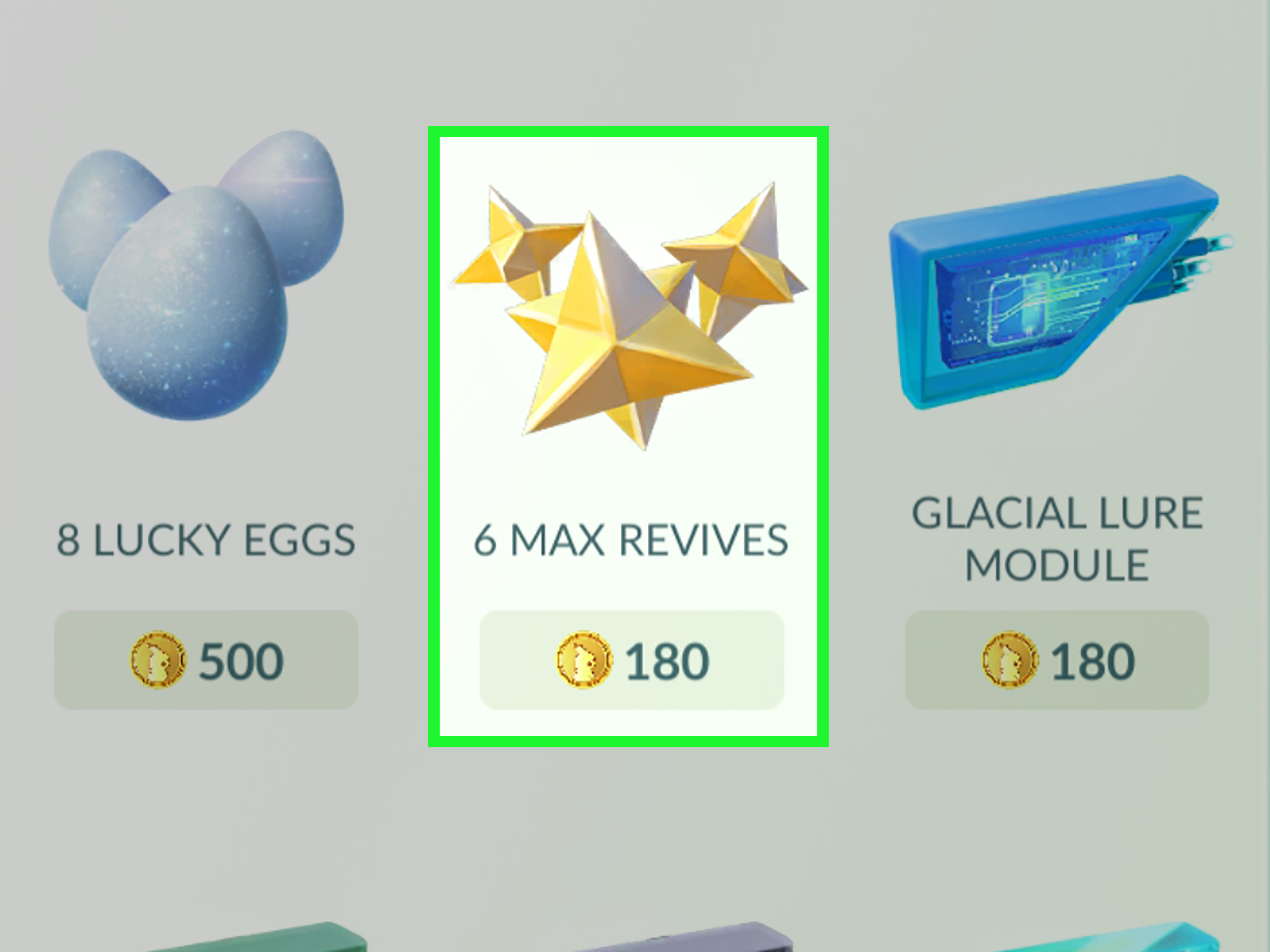
Revives are one of the most important battle items in the game because a fainted Pokémon cannot be fixed with Potions alone. First, you need a Revive or Max Revive. Then you can get back to raiding, battling Team GO Rocket, defending Gyms, and pretending your last loss was “part of the plan.”
This quick beginner-friendly guide breaks down seven real ways to get Revives in Pokémon GO, which methods are most reliable, and how smart players avoid running out in the first place. If your bag is empty and your battle team looks like it got hit by a truck full of Snorlax, start here.
Why Revives Matter So Much in Pokémon GO
In Pokémon GO, a fainted Pokémon is not just low on health. It is completely out of action. A standard Potion will not help until that Pokémon has been revived first. That means Revives are the bridge between “great battle team” and “well, I guess I’ll use this random Pidgeot now.”
For beginners, Revives feel rare because early game battles can knock out your best attackers faster than your inventory can recover. That is especially true if you jump into Gyms, raids, or Team GO Rocket battles before building a larger roster. The good news is that Revives are available through several in-game systems. The better news is that a few of those systems are much more efficient than the others.
1. Spin Gym Photo Discs First, Not Just Regular PokéStops
If you only remember one tip from this guide, make it this one: Gyms are usually your best free source for Revives.
In Pokémon GO, both PokéStops and Gyms can give you items when you spin their Photo Discs. But Gyms have a special advantage. They are more likely to reward battle-focused items, including Potions and Revives. That makes them a much smarter stop when your team has been flattened after a raid or a rough Gym attack.
For beginners, this means your walking route matters. If you have to choose between a cluster of plain PokéStops and an area with several Gyms, the Gym-heavy route is often better when you are trying to rebuild your healing inventory. Even one extra Gym on your daily loop can make a noticeable difference over time.
Simple rule: if you need Revives fast, spin every Gym you pass. Think of it as treasure hunting, except the treasure is mostly medicine and occasional disappointment.
2. Spin Regular PokéStops Constantly While You Move
Regular PokéStops are still worth your time. They may not be as battle-item friendly as Gyms, but they are everywhere, and volume matters. If you keep spinning stops throughout the day, you create more chances for Revives to drop naturally.
This is one of the most beginner-friendly methods because it does not require strong Pokémon, premium items, or a coordinated group. You just walk, spin, and let the item flow build up over time. Players who move through different neighborhoods, parks, shopping areas, or downtown spots often refill their bags much faster than players who camp one or two locations.
In other words, do not treat PokéStops like decorative street furniture. Tap them. Spin them. Thank them silently. Move on.
If you are truly dry on Revives, combine this method with Gym spins. That one-two punch is usually the most reliable free strategy for newer players.
3. Open Gifts From Friends Every Day
Gifts are underrated, especially for beginners who do not live in PokéStop paradise. Friends can send you Gifts collected from PokéStops and Gyms, and those Gifts can contain useful items, including healing supplies and Revives.
This method is fantastic because it keeps working even when you are not actively walking a perfect item route. Maybe it is raining. Maybe you are busy. Maybe your nearest Gym is approximately 600 miles away. Gifts help smooth out those dry spells.
The smartest move is to build an active friend list. The more consistent your friends are about sending Gifts, the more chances you have to pull useful resources from daily openings. It is not a guaranteed Revive factory, but it is one of the easiest passive ways to restock.
For a brand-new player, this can feel like cheating in the best possible way. You wake up, open a few Gifts, and suddenly your fainted Machamp has hope again.
4. Win Raid Battles and Use Your Free Daily Raid Pass
Raid Battles are another strong source of Revives and Max Revives. When you complete raids successfully, the game rewards you with special items, and healing supplies are commonly part of that reward pool.
This is where beginners should play smart, not heroic. You do not need to start with the nastiest five-star monster on the map. Focus on easier raids when possible, join local groups, or raid with experienced players who can help carry the battle. The goal is not to prove you are the anime protagonist. The goal is to collect rewards without turning six more Pokémon into fainted pancakes.
The good news is that Pokémon GO gives you a free in-person Raid Pass by spinning a Gym once per day, so this method does not always require spending money. If you use that pass regularly, raids can become a steady side source of Revives instead of just a flashy battle mode.
One small irony of Pokémon GO is that battles often cost Revives and also reward Revives. The trick is winning often enough that the math works in your favor.
5. Complete Field Research Tasks
Field Research is one of the sneakiest ways to get Revives because many players focus only on Pokémon encounters and forget the item rewards exist. But some research tasks, especially battle-related ones, can pay out Revives, Max Revives, or other healing items.
Research tasks rotate, so you will not see the same reward list forever. That is important. There is no magical permanent task labeled “free Revives, my friend.” Still, event tasks and regular Field Research often include battle resources, especially during seasons or events focused on Gyms, raids, or Team GO Rocket.
Beginners should check research rewards before ignoring them. A task that looks boring at first glance can quietly solve your healing problem. If your inventory is hurting, value items over excitement for a bit. Sure, a flashy encounter is fun, but so is having a team that is not medically retired.
6. Work Through Special Research, Timed Research, and Team GO Rocket Tasks
Special Research and Timed Research frequently include Revives as step rewards, especially when the tasks involve battling Team GO Rocket members, raiding, or progressing through event objectives. These research lines are a great fit for beginners because the rewards often arrive in bundles instead of one lonely item at a time.
Team GO Rocket content is especially worth watching. Research lines tied to Rocket events or seasonal stories often reward battle items, and those can include Revives. If you already plan to battle Grunts or Leaders, you may as well double-dip and claim the research prizes too.
The key here is not to ignore your research tab. Many newer players let unfinished tasks sit there like unread emails from a dentist office. Bad move. Those quests can be one of the cleanest ways to earn resources without depending entirely on random item drops.
Just remember that Timed Research expires. If you wait too long, your Revive opportunity may disappear like a wild Abra.
7. Claim GO Pass, Reward Road, and Certain Event or Shop Bonuses
Not every Revive comes from spinning or battling. In the current version of Pokémon GO, the GO Pass is a free limited-time progression track that can award useful items as you rank up. On top of that, Pokémon GO has also used Reward Road, event tickets, and Web Store bundles to distribute Max Revives and other healing resources.
Now, let us be clear: this is not the first method I would recommend to a brand-new free-to-play trainer looking for a quick refill. But it is still a legitimate way Revives enter the game, and it matters if you participate in events, buy tickets, or casually progress through pass tracks anyway.
The important beginner takeaway is this: claim your rewards. Passes and event tracks only help if you actually collect what you earned before they expire. Plenty of players grind the progress and then forget to tap the prize button. That is the Pokémon GO version of buying groceries and leaving them in the parking lot.
Best Beginner Strategy to Avoid Running Out of Revives
Getting Revives is only half the battle. The other half is not burning through them like confetti.
Use this simple routine:
- Spin every Gym you pass, then spin nearby PokéStops too.
- Open Gifts daily from active friends.
- Use your free daily Raid Pass when you can win efficiently.
- Check research rewards before deleting tasks.
- Do not waste Revives on weak filler Pokémon unless you truly need them.
- Build a larger bench of attackers so one bad battle does not wipe out your entire game plan.
A lot of beginners make the same mistake: they revive everything immediately, even low-value Pokémon they are not going to use again that day. You do not have to run a charity hospital for every fainted creature in your storage. Prioritize your best raid attackers, Gym battlers, and Team GO Rocket counters first.
Common Mistakes Beginners Make
Ignoring Gyms
This is the biggest one. If you need Revives, Gyms should not be an afterthought.
Playing with too small a battle roster
If you only invest in six favorites, one rough session can leave your whole squad fainted. Build backup attackers.
Forgetting the research tab
Research rewards are easy to overlook, but they often include the exact resources you need.
Not opening Gifts consistently
Gifts are low-effort, high-value. Skipping them is like refusing free snacks at a party. Strange choice.
Overcommitting in battles
Beginners sometimes jump into raids or Rocket fights that are way above their level and then spend more Revives than they earn back. Pick winnable battles.
Player Experiences: What Getting Revives in Pokémon GO Really Feels Like
For many beginners, the hunt for Revives starts with pure confusion. You battle a Gym, feel very proud of yourself, watch two or three Pokémon faint, and then suddenly realize your bag has plenty of berries, a weird number of Poké Balls, and absolutely no medical plan. That moment is a rite of passage. It is basically the Pokémon GO version of locking yourself out of your apartment while holding the keys in plain sight through the window.
One common experience is discovering that location changes everything. A new player in a city packed with Gyms and PokéStops often thinks Revives are not that hard to find. Meanwhile, a rural player opens the app, sees one lonely stop in the distance, and begins negotiating with fate. That difference is why Gifts feel so important to so many beginners. When your local map is not exactly overflowing with item sources, friend support becomes less “cute social feature” and more “critical supply chain.”
Another real experience is learning that strong Pokémon can actually create item problems. At first, powering up your heavy hitters feels amazing. Then you use them in raids, Rocket battles, Gym attacks, and event challenges back to back. Suddenly, your best team is unconscious and your Revive count has dropped to zero. It feels unfair, but it is also how many players learn to build a second line of attackers. Having a backup team is not just for advanced trainers. It is inventory management with extra sparkles.
There is also a funny emotional cycle around Gifts. At first, beginners open them mostly for Poké Balls. Then one day they are desperate for healing items, open a Gift, and see a Revive pop out. From that moment on, every unopened Gift starts looking like a tiny wrapped emergency room. It changes you. You become the kind of person who silently judges friends who stop sending Gifts for three days.
Raids create a similar learning curve. Many newer players assume raids are only about catching a cool boss. Then they realize the real reward is often the bundle of useful items afterward. That is when their mindset shifts. A raid stops being just a flashy event and becomes part battle, part item-farming strategy, part social exercise, and part chaos festival where everyone taps the screen like they are trying to put out a fire.
Research tasks also surprise people. A beginner might ignore them for days because they look like background clutter. Then they complete a task by accident and get items they actually needed. Suddenly, the research tab becomes far more interesting. It is like finding cash in an old jacket, except the jacket is digital and Professor Willow is somehow involved.
In the long run, most players say the same thing: Revives feel scarce right up until you learn the game’s rhythm. Once you start spinning Gyms on purpose, opening Gifts daily, using your free raid pass, and checking research rewards, the panic eases. You stop feeling unlucky and start feeling organized. And in Pokémon GO, organized players are dangerous players. Or at least slightly less chaotic ones.
Final Thoughts
If you want to get Revives in Pokémon GO without wasting time, focus on the methods that keep paying off: spin Gyms, spin PokéStops, open Gifts, win raids, complete research, and claim pass or event rewards when available. That combination is the closest thing beginners have to a reliable healing economy.
The best source is not always one magical trick. It is a routine. Players who build small daily habits usually stop running out of Revives nearly as often. So the next time your best Pokémon faceplants after a battle, do not panic. Just hit the nearest Gym, open some Gifts, clear a few tasks, and rebuild. In Pokémon GO, fainting happens. Staying unprepared is the optional part.