Note: This article is provided in web-ready HTML body format only, with source links intentionally omitted by request.
Every now and then, the dog world gifts us something delightful: a fresh excuse to stop working and look at cute canine photos for an unreasonable amount of time. This time, the spotlight lands on the Danish-Swedish Farmdog, a compact, athletic, bright-eyed charmer that officially entered the American Kennel Club’s recognized ranks and promptly made a lot of dog lovers say the same thing: “Wait, why have I never met one of these before?”
And honestly, that reaction makes perfect sense. The Danish-Swedish Farmdog has the face of a dog that would absolutely help you on a hike, keep an eye on your sandwich, charm your entire family, and then nap like it just finished a full corporate shift. It is adorable, yes, but not in a fragile, ornamental way. This is a practical kind of cute. Scandinavian cute. Capable cute. The kind of cute that looks like it could solve a small farm problem before lunch.
Even better, the breed is not some trendy made-yesterday designer mix with a fancy name and a publicist. The Danish-Swedish Farmdog is actually an old working breed with deep roots. What is new is the American recognition. That distinction matters, and it makes this breed one of the most interesting “new” dogs to hit the AKC stage in recent memory.
The Adorable Newcomer Everyone Started Talking About
When the American Kennel Club granted the Danish-Swedish Farmdog full recognition, it became the AKC’s 202nd recognized breed and joined the Working Group. That gave it a much bigger platform in the United States, including the ability to compete more broadly in major AKC events. So while the breed itself is old, its official rise in the American mainstream is what made headlines.
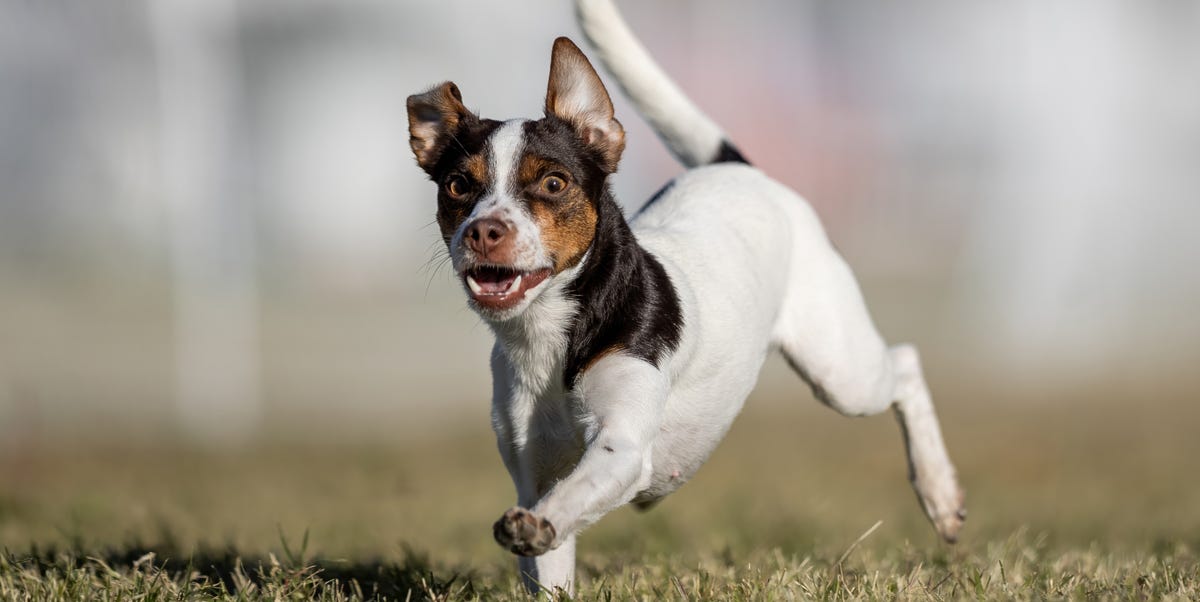
That explains why so many pet lovers suddenly discovered the breed and instantly fell for it. The Danish-Swedish Farmdog has a look that is both familiar and unusual. At first glance, many people think it resembles a Beagle, a Jack Russell Terrier, or some especially photogenic mystery mutt. But then you look closer and realize it has its own thing going on: a neat, compact frame, a short easy-care coat, alert expression, and an unmistakable “I am ready for fun at all times” vibe.
In other words, this dog has serious underdog-main-character energy.
What Exactly Is a Danish-Swedish Farmdog?
A Small Dog With a Very Full Resume
The Danish-Swedish Farmdog was developed as a true multi-purpose farm dog. Historically, it handled vermin control, helped with livestock, acted as a watchdog, tagged along on hunts, and served as a family companion. That is a wildly impressive job description for a dog that generally stands about 12.5 to 14.5 inches tall and weighs around 15 to 20 pounds.
So yes, it is small. But “small” here means efficient, not delicate. This is not a decorative throw pillow with paws. It is a sturdy, agile, quick-moving little worker that likes having something to do. AKC materials often refer to it as the “Little Big Dog,” which might sound like marketing fluff until you realize it is basically perfect.
Looks Cute, Moves Like an Athlete
One reason the breed is instantly appealing is that it combines charm with function. The Danish-Swedish Farmdog usually has a short, smooth coat with white as the dominant color and darker markings in black, brown, tan, yellow, or fawn. The overall shape is slightly rectangular, with a balanced build that hints at both endurance and agility.
Translation: this is the kind of dog that looks adorable standing still and even better sprinting across a field like it just remembered it left the oven on.
Big Personality in a Portable Package
Temperament is where the breed becomes even more appealing. The Danish-Swedish Farmdog is generally described as energetic, loyal, attentive, affectionate, social, and highly trainable. It tends to love people, does well with children when properly raised and socialized, and often gets along nicely with other dogs. It is outgoing without necessarily being overbearing and active without being impossible to live with, as long as it gets enough exercise and mental stimulation.
This is important, because “adorable” should never be the only reason to choose a dog. Plenty of cute dogs are not a great fit for every home. The Danish-Swedish Farmdog, though, has a lot going for it if you want a companion that is smart, cheerful, and ready to participate in actual life instead of merely supervising it from a monogrammed bed.
Why This “New” Breed Is Actually Ancient
Here is where the story gets even better: the Danish-Swedish Farmdog is not new in the literal sense. The breed’s history reaches back centuries, and similar dog types have even been linked to Viking-era burial sites. That old-school background gives the breed an unusually rich story for something that many Americans are only just hearing about.
For generations, these dogs were part of rural life in Denmark and southern Sweden. They worked on farms, adapted to daily chores, watched the property, hunted small pests, and lived closely with people. They were useful, versatile, and woven into ordinary life. In some accounts, they even appeared in circuses because they were lively, clever, and trainable. Frankly, that sounds less like a dog biography and more like a résumé designed to make other breeds feel inadequate.
Like many traditional working breeds, the Danish-Swedish Farmdog faced decline when society changed. As industrialization and urbanization reduced the number of small farms, the breed’s old role became less central. Eventually, preservation efforts in Denmark and Sweden helped secure its future, and the breed was officially recognized in its native countries in 1987.
In the United States, enthusiasts spent years building awareness and organizing the breed’s path toward AKC recognition. The breed entered the AKC Foundation Stock Service in 2011, moved into the Miscellaneous Class in 2021, and then reached full recognition in 2025. That is not an overnight success story. That is patient breed advocacy, careful stewardship, and a lot of people saying, “No, seriously, everyone needs to meet this dog.”
Why AKC Recognition Actually Matters
Dog lovers often hear that a breed has been “recognized,” but not everyone knows why that matters. In practical terms, AKC recognition increases visibility, broadens eligibility in events, and gives the breed a more prominent place in the public conversation. It also means more prospective owners will learn the breed exists.
For the Danish-Swedish Farmdog, that could be a huge turning point. Around the time recognition made news, the breed was still quite rare in the United States, with reports estimating only a few hundred dogs nationwide. That rarity helped make the breed feel special, but it also meant most Americans had never encountered one in person.
Recognition can change that. More exposure usually means more curiosity, more responsible research, and more conversations about whether the breed is the right match for certain homes. It can also mean increased demand, which is why thoughtful breeders and breed advocates often emphasize responsible growth over sudden popularity. When a dog gets famous too fast, things can get messy. Cute should never become a fast track to careless breeding.
Is the Danish-Swedish Farmdog Right for Your Home?
Best for People Who Actually Want a Dog, Not a Living Throw Pillow
The Danish-Swedish Farmdog tends to do best with people who appreciate an active, engaged companion. This is a breed that enjoys having a job, a challenge, or at least a plan for the day. Walks matter. Playtime matters. Training matters. Enrichment matters. If you want a dog that can happily join hikes, games, sports, and everyday family life, this breed makes a strong case for itself.
If, however, you are searching for a pet whose primary hobby is existing quietly in decorative silence, this may not be your ideal match.
Training Is Usually a Plus
One of the breed’s strengths is trainability. Danish-Swedish Farmdogs are often described as intelligent and eager to please, which is a lovely combination unless you are a human who was hoping to win every debate in the household. Early socialization and positive reinforcement are especially important. Short, upbeat training sessions tend to work better than long ones, partly because the breed can be slower to mature and may lose interest if things get repetitive.
That slower maturation is worth noting. Puppies from this breed can stay in that goofy, bouncy, impulsive stage a bit longer than some owners expect. Cute? Absolutely. Convenient while you are teaching impulse control? Depends how much coffee you have.
Exercise Needs Are Real
For such a small dog, the Danish-Swedish Farmdog packs a lot of energy into a compact frame. Daily exercise is not optional if you want a well-behaved companion. Walks, games, training drills, dog sports, scent work, and active play all help. This breed has been associated with activities like agility, obedience, scent work, lure coursing, tracking, and more. That versatility is one of its biggest selling points.
A bored Danish-Swedish Farmdog is likely to invent projects. Those projects may not align with your design goals.
Grooming Is Easy, Which Feels Like a Gift
One of the breed’s nicest practical perks is that grooming is fairly low maintenance. The short coat typically needs only occasional brushing and bathing. That means more time for walks, games, and pretending your dog understands every word you say.
Health-wise, the breed is generally considered healthy overall, though routine veterinary care still matters, of course. Pet health references note that small-dog issues such as dental disease and patellar luxation can still be concerns to watch for. So while this is not a breed known for endless grooming drama, it still deserves the same thoughtful care as any other dog.
Why People Find This Breed So Instantly Adorable
Let’s be honest: some of the Danish-Swedish Farmdog’s appeal is visual. The face is expressive. The body is neat and athletic. The size is highly manageable. The overall look lands in that magical space between “capable farm helper” and “cartoon best friend.” But the deeper reason people fall for the breed is that its personality seems to match its appearance.
There is something irresistible about a dog that looks cheerful, acts capable, learns quickly, bonds closely, and still manages to stay humble enough to roll around on the floor with a ball. The breed comes across as bright without being fussy, affectionate without being clingy, and active without being chaotic in the wrong home. That balance is rare.
Basically, it is the canine version of a person who is fun at parties, helpful during a move, and somehow still has a clean kitchen.
What the Future Could Look Like for This Breed
Now that the Danish-Swedish Farmdog has a higher profile in the United States, it is likely to gain more fans. That does not necessarily mean it will become the next everywhere-all-at-once breed, and that may be a good thing. Some dogs do best when popularity grows steadily rather than explosively.
Still, it would not be surprising to see the Danish-Swedish Farmdog show up more often at American dog shows, in canine sports, and eventually in more family homes. It checks a lot of boxes: manageable size, smart temperament, athletic ability, family-friendly reputation, low-maintenance coat, and an origin story involving farms, Vikings, and survival through changing times. That is a strong package.
In other words, the breed is not just cute enough to go viral. It is substantial enough to stick around for the right reasons.
Experiences Dog Lovers Can Expect With a Breed Like This
One of the most appealing things about the Danish-Swedish Farmdog is the kind of daily experience it seems to create. This is the sort of dog that can make an ordinary Tuesday feel much less ordinary. Owners and breed advocates consistently describe a companion that is tuned in, game for adventure, and quick to become part of the family rhythm. That matters more than flashy headlines. Breed announcements generate buzz, but real-life living is what determines whether a dog becomes beloved.
Picture a morning with a Danish-Swedish Farmdog and you can almost see the routine already. The dog is alert early, ready to go, and probably watching you with the focused expression of a tiny personal trainer who refuses to accept your excuses. Once outside, that energy makes sense. This is not a dog that strolls like it is browsing antiques. It moves with purpose, notices everything, and seems genuinely interested in participating in the world.
Then comes one of the breed’s nicest contradictions: after activity, many Danish-Swedish Farmdogs are said to settle beautifully with their people. That balance is a huge part of the charm. Lots of active breeds are fun outdoors, but not every active breed transitions so easily into companion mode at home. The Danish-Swedish Farmdog’s appeal is that it seems able to switch gears. It can be sporty and then cuddly, lively and then content, busy and then suddenly very pleased to be on the couch acting like it has never caused a single problem in its life.
Families may also appreciate the breed’s social side. Reports about the Danish-Swedish Farmdog often mention that it tends to be affectionate with its humans and good with children when properly socialized. That creates the kind of experience many dog owners want most: a pet that feels woven into the household instead of merely present in it. The dog is not just there for walks or photo ops. It is there for family movie night, backyard games, weekend hikes, and the highly competitive business of following people from room to room for no clear reason.
And because the breed is rare, there is another experience attached to it: conversation. Bring a Danish-Swedish Farmdog somewhere public, and there is a decent chance someone will ask what kind of dog it is. Actually, several people will ask. And then someone will say it looks like a Beagle mixed with a Jack Russell, and you will have the very satisfying opportunity to say, “Nope, it is a Danish-Swedish Farmdog,” which is objectively a much cooler sentence.
That mix of practicality, personality, and novelty is what makes the breed so compelling. It is not just a newly noticed dog. It is the kind of dog that seems likely to create memorable routines, funny stories, and strong bonds. For many people, that is the real definition of adorable.
Final Thoughts
The Danish-Swedish Farmdog may have entered the AKC spotlight as a newly recognized breed, but its appeal runs much deeper than novelty. It is cute, yes, but also capable. Friendly, but not flimsy. Small, but definitely not low-impact. It brings history, athleticism, trainability, and companionship together in one impressively tidy package.
So if you saw the headlines and thought, “A brand-new dog breed was just announced, and it’s adorable,” you were only half right. It is adorable. No argument there. But it is also old, accomplished, and surprisingly substantial. Which, honestly, only makes the whole thing better.