Note: The following article is written as original, publication-ready content in standard American English. It is designed for readers who want fresh Scattergories categories, better game-night ideas, and practical ways to make every round funnier, faster, and more competitive.
Why Fresh Scattergories Categories Can Save Game Night
Scattergories is one of those rare party games that can turn a quiet room into a courtroom, a comedy club, and a spelling bee in about three minutes. The rules are simple: pick a letter, answer each category with a word or phrase that starts with that letter, and score points for answers nobody else wrote down. Easy, right? That is what everyone says until the letter is “V” and the category is “things in a refrigerator.” Suddenly, your brain opens a tiny office, hangs a “closed for lunch” sign, and refuses to cooperate.
That is exactly why having a strong list of Scattergories categories matters. The original game already gives players a great structure, but custom categories keep the experience fresh. New prompts make players think differently, laugh harder, and stop relying on the same safe answers every round. If your group has already used “animals,” “cities,” and “things at the beach” so many times that everyone can predict Aunt Linda’s answers before she writes them, it is time for an upgrade.
This guide includes more than 150 Scattergories categories, organized by theme, difficulty, and mood. You will find classic categories, funny categories, family-friendly prompts, challenging topics, pop culture ideas, food categories, office-friendly options, holiday themes, and creative twists that make the game feel brand-new. Whether you are hosting family game night, a classroom activity, a Zoom hangout, a team-building session, or a slightly too-competitive dinner party, these Scattergories lists will give your players plenty to argue aboutin the healthiest possible way.
How to Use These Scattergories Categories
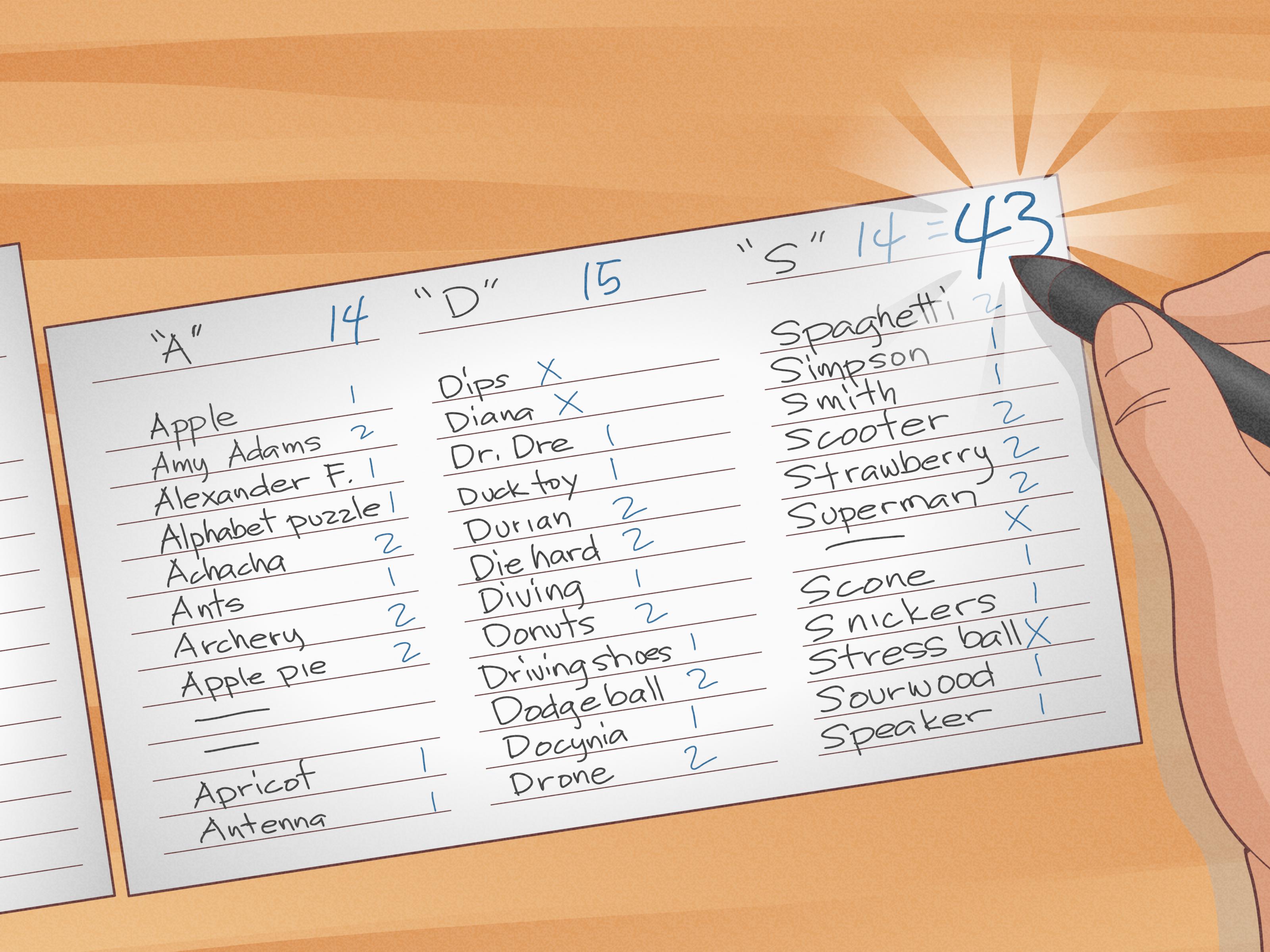
The easiest way to use this list is to choose 10 to 12 categories for one round, roll or randomly select a starting letter, set a timer, and let everyone write. For a quick game, choose five categories and set a one-minute timer. For a longer round, use 12 categories and give players about three minutes. The goal is not just to be correct; it is to be original. A common answer may be safe, but a surprising answer is often where the point lives.
Simple House Rules That Keep the Game Fun
Before you start, agree on a few house rules. Decide whether “The Grand Canyon” counts under “T” or “G.” Decide if brand names are acceptable. Decide whether fictional places, slang, abbreviations, and internet-famous people count. Most importantly, decide how challenges are handled. A quick group vote usually works best. If the room believes “zebra cake” is a legitimate dessert, let democracy do its sugary work.
For kids, use broad categories such as animals, colors, toys, foods, and school supplies. For adults, add trickier prompts like “bad first-date ideas,” “things you should not say at work,” or “apps you forgot you downloaded.” For mixed groups, combine easy and clever categories so younger players are not lost and older players cannot coast through the round like vocabulary royalty.
150+ Scattergories Categories by Theme
Below are original category ideas you can mix and match. Choose a balanced set: a few easy categories, a few funny ones, and one or two that make everyone stare into space like they are trying to remember their own password.
Classic Scattergories Categories
- Animals
- U.S. cities
- Countries
- States
- Capitals
- Boy names
- Girl names
- Last names
- Occupations
- School subjects
- Things in a backpack
- Things in a kitchen
- Things in a bathroom
- Furniture
- Tools
- Sports
- Sports teams
- Musical instruments
- Things in the ocean
- Things found at a park
Food and Drink Categories
- Breakfast foods
- Pizza toppings
- Ice cream flavors
- Snack foods
- Healthy foods
- Fast food items
- Restaurant names
- Types of pasta
- Things in a salad
- Desserts
- Holiday foods
- Foods you eat with your hands
- Foods that are messy
- Foods kids love
- Foods adults pretend are healthy
- Drinks
- Hot drinks
- Cold drinks
- Things in a lunchbox
- Foods you would bring to a picnic
Funny Scattergories Categories
- Bad excuses for being late
- Things you should not text your boss
- Awkward things to say on a first date
- Things that make people sigh
- Reasons a dog looks guilty
- Things you pretend to understand
- Items you might find under a couch
- Things people do when nobody is watching
- Ridiculous superhero powers
- Terrible names for a restaurant
- Things that sound fancy but are not
- Things people panic-buy
- Things that should come with instructions
- Bad karaoke song choices
- Things that ruin a vacation
- Excuses for not answering a message
- Things you should not put in a microwave
- Signs you need a nap
- Things that make a group chat explode
- Objects that mysteriously disappear at home
Pop Culture and Entertainment Categories
- Movie titles
- TV shows
- Cartoon characters
- Famous actors
- Famous singers
- Fictional villains
- Superheroes
- Video games
- Board games
- Book titles
- Song titles
- Band names
- Streaming shows
- Reality TV shows
- Movie quotes
- Fictional places
- Famous duos
- Celebrity baby names
- Internet trends
- Things that go viral
Family-Friendly Categories
- Toys
- Playground equipment
- Things in a classroom
- Things at a birthday party
- Things in a zoo
- Pets
- Farm animals
- Colors
- Shapes
- Things that are soft
- Things that are loud
- Things that are sticky
- Things that fly
- Things that roll
- Things that bounce
- Things you can draw
- Things you can build
- Things you see at school
- Things you see at the mall
- Things you do on a rainy day
Travel, Places, and Geography Categories
- Vacation destinations
- Things in a hotel room
- Things at an airport
- Things in a suitcase
- Tourist attractions
- National parks
- Beach items
- Mountain activities
- Things on a road trip
- Modes of transportation
- Famous landmarks
- Places you need a ticket to enter
- Things on a map
- Places with long lines
- Places people take selfies
- Places you go when you are hungry
- Places that are usually quiet
- Places that are usually noisy
- Things you buy while traveling
- Things you forget to pack
Work, School, and Team-Building Categories
- Office supplies
- Meeting buzzwords
- Email subject lines
- Things on a desk
- Jobs people wanted as kids
- College majors
- Things in a science lab
- Things in a library
- Reasons a meeting could have been an email
- Things people say during presentations
- Work-from-home distractions
- Skills on a resume
- Things in a break room
- Apps used for work
- Things that need charging
- Words used in job interviews
- Things teachers say
- Things students forget
- After-school activities
- Classroom rules
Hard Scattergories Categories for Competitive Players
- Words with double letters
- Historical figures
- Scientific terms
- Mythological characters
- Things invented before 1900
- Things invented after 2000
- Words with exactly six letters
- Things that are measured
- Things that are invisible
- Things that can be recycled
- Legal terms
- Medical terms
- Types of weather
- Rare animals
- Words that sound funny
- Things with buttons
- Things with wheels
- Things with handles
- Things that come in pairs
- Things people collect
Seasonal and Holiday Categories
- Halloween costumes
- Thanksgiving foods
- Christmas songs
- New Year’s resolutions
- Valentine’s Day gifts
- Summer activities
- Winter activities
- Things at a barbecue
- Things at a wedding
- Things at a graduation party
- Holiday decorations
- Things you buy in December
- Things you see in spring
- Things you do in fall
- Things that melt
- Things that sparkle
- Things people wrap
- Things people celebrate
- Things in a parade
- Things that make a party better
Best Scattergories Categories for Different Groups
Not every category works for every group. A great Scattergories round feels challenging but not impossible. If players spend the whole timer silently suffering, the list is too hard. If everyone writes the same five answers instantly, the list is too easy. The sweet spot is somewhere between “I know this” and “why has my brain abandoned me?”
For Kids
Use categories with concrete answers: animals, toys, foods, colors, school supplies, cartoon characters, and things at a playground. Kids enjoy categories they can picture quickly. Avoid prompts that require advanced trivia or adult life experience. “Things in an office” may be easy for adults, but for a seven-year-old, the answer may simply be “sad chairs.” Honestly, not wrong.
For Adults
Adults usually enjoy categories that allow humor, sarcasm, or life experience. Try “bad excuses,” “things people complain about,” “work-from-home distractions,” or “things you regret buying.” These categories create memorable answers because players are not just naming objects; they are revealing tiny pieces of personality. The player who writes “printer ink” under “expensive items” has clearly lived through something.
For Virtual Game Nights
For Zoom or online play, choose fewer categories and keep the timer short. Five to eight categories is usually enough. Share the list in the chat, use a random letter generator, and ask players to reveal answers one category at a time. Virtual rounds work best when categories are easy to read, quick to explain, and open enough to produce funny variety.
For Team Building
Scattergories can be a surprisingly good team-building game because it rewards different thinking styles. One person may be great at pop culture, another at geography, and another at strange but technically acceptable answers. Use categories like “meeting buzzwords,” “things on a desk,” “skills on a resume,” and “work-from-home distractions” to make the game feel relevant without turning it into another meeting with snacks.
Creative Ways to Make Scattergories More Fun
1. Add a Theme Night
Instead of mixing random categories, build the whole game around one theme. Try a food night, movie night, holiday night, travel night, or nostalgia night. A 1990s-themed Scattergories round could include categories like “toys from childhood,” “old TV shows,” “songs from school dances,” and “things found in a mall.” The more specific the theme, the funnier the answers become.
2. Use Speed Rounds
Speed rounds are great when players are too comfortable. Pick five categories, set a 45-second timer, and watch confidence leave the room. The shorter timer forces instinctive answers, which are often hilarious. Speed rounds also prevent overthinking. Nobody has time to craft the perfect response when the timer is sprinting like it has dinner reservations.
3. Try “Wrong Answers Only”
In this version, players must give answers that are technically wrong but funny and defensible. For example, if the category is “things at the beach” and the letter is “S,” someone might write “spreadsheet” and argue that a very stressed accountant could bring one. This version works best with relaxed groups that care more about laughter than strict scoring.
4. Award Bonus Points for Creativity
Traditional scoring rewards unique answers, but you can add a bonus point for the funniest, cleverest, or most unexpected answer each round. This encourages players to take risks. Instead of writing “apple” for a fruit that starts with A, someone might write “apricot that thinks it is a peach.” Is that necessary? No. Is it memorable? Absolutely.
5. Let Players Create One Category Each
Before the game starts, ask every player to submit one secret category. Mix those into the round. This makes the game feel personal and unpredictable. You may discover that your quietest friend has been waiting years to unleash the category “things a raccoon would steal.” Respect the creativity. Fear the raccoon.
How to Choose the Best Category List
A strong Scattergories list has variety. Combine nouns, places, people, actions, opinions, and funny prompts. If every category is too similar, the game becomes repetitive. For example, a list with “animals,” “pets,” “zoo animals,” and “farm animals” may create overlap. Instead, build a round like this: animals, things in a kitchen, bad excuses, movie titles, things that are loud, vacation destinations, snack foods, things with wheels, famous people, and things you should not forget.
You should also consider the letter. Some letters are generous, like S, M, B, and C. Others are rude little gremlins, like Q, X, and Z. If you roll a difficult letter, use easier categories or give extra time. If you roll an easy letter, make the categories more specific. This keeps the challenge fair and prevents the “Q round” from becoming three minutes of emotional damage.
Finally, remember that the best categories are conversation starters. The real fun happens after the timer ends, when players defend answers, laugh at weird logic, and discover that three people wrote the exact same oddly specific thing. Scattergories is not just about words; it is about how people think under pressure. Sometimes the most entertaining answer is not the smartest one. It is the one that makes everyone say, “I hate that this counts.”
Experiences That Make “150+ Scattergories Categories” Even More Useful
After playing Scattergories with different groups, one thing becomes very clear: the categories control the energy of the entire game. A bland list creates polite answers. A creative list creates stories. The difference between “fruit” and “foods you would eat at midnight” is huge. One gives you “apple.” The other gives you “cold pizza,” “cereal from the box,” “leftover fries,” and one player who confidently writes “regret.” That is when the game becomes more than a word challenge. It becomes a tiny personality test with a timer.
In family settings, the best experience usually comes from mixing generations. Kids often give literal answers, teens give pop culture answers, adults give practical answers, and grandparents sometimes deliver the most unexpected responses in the room. A category like “things that are loud” might produce “fireworks,” “babies,” “motorcycles,” and “your uncle watching football.” Everyone laughs because the answer is specific, true, and slightly dangerous to say out loud at Thanksgiving.
In adult game nights, humor categories tend to create the strongest memories. Prompts like “things you should not say at work” or “bad reasons to cancel plans” invite players to be clever without needing deep trivia knowledge. These categories also help shy players participate because there is no single perfect answer. A funny answer can beat a technically impressive one when the group is voting on creativity. That flexibility makes Scattergories feel welcoming, even for people who usually claim they are “not good at games.”
For classrooms, Scattergories categories can become a sneaky learning tool. Teachers can use topics like science terms, historical figures, vocabulary words, states, animals, or book characters. Students practice recall, spelling, flexible thinking, and quick decision-making without feeling like they are completing another worksheet. The timer adds excitement, but the category list gives structure. Short rounds work especially well because they keep the activity energetic instead of chaotic.
For remote teams, Scattergories is useful because it is simple, fast, and does not require complicated setup. A host can paste categories into chat, share a letter, set a timer, and let people play from anywhere. Work-friendly categories such as “meeting buzzwords,” “things on a desk,” or “work-from-home distractions” create shared laughter without getting too personal. In many groups, the best part is hearing how differently people interpret the same prompt. One person answers like a project manager. Another answers like a comedian. Another answers like they are still recovering from their inbox.
The biggest lesson from playing with many category styles is this: variety keeps Scattergories alive. Use easy prompts to warm people up, funny prompts to loosen the room, and hard prompts to create suspense. Do not be afraid to retire categories that feel stale. The game works best when the list feels fresh enough that players cannot run on autopilot. With more than 150 Scattergories categories ready to go, you can build a new round for every party, classroom, holiday, or casual night in. And if someone challenges your answer, smile politely, prepare your argument, and remember the ancient rule of game night: confidence is worth at least half a point.
Conclusion
Scattergories stays fun because it is simple enough for almost anyone to play, but flexible enough to feel different every time. The right categories can turn an ordinary round into a laugh-filled debate over whether “spaghetti” counts as a thing that is hard to eat neatly. With classic prompts, funny twists, hard categories, holiday ideas, work-friendly topics, and family-safe options, this list gives you more than enough material to refresh your next game night.
Use these 150+ Scattergories categories as a menu, not a rulebook. Pick the categories that fit your players, adjust the timer, add bonus points for creativity, and let the group vote on questionable answers. The best games are not always the neatest; they are the ones people keep talking about after the scores are forgotten.