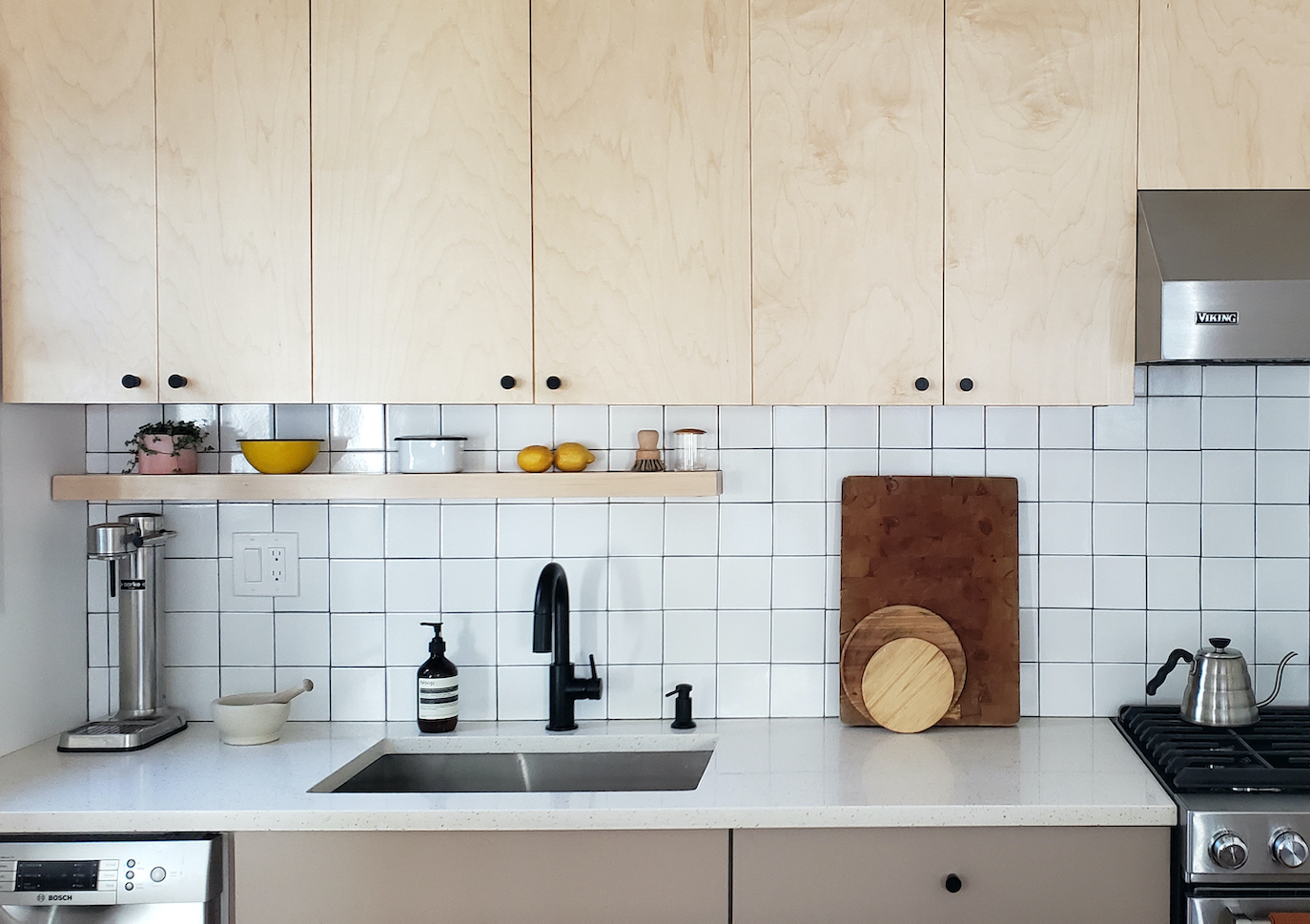
Some kitchens are so stuck in the past that opening a cabinet feels like time travel. Not the glamorous kind, either. More the “why is the laminate curling?” kind. That was the situation in this Maplewood, New Jersey, home: a charming older house with good bones, plenty of personality, and a kitchen that had clearly stopped emotionally developing somewhere around the late 1980s.
The goal of this kitchen renovation was not to turn a character-filled home into a sterile showroom. It was to create a modern kitchen upgrade that actually worked for real life while still respecting the style of the house. In a town like Maplewood, where older homes often come with vintage details, tight room layouts, and enough architectural charm to make people say things like “original millwork!” at parties, that balance matters.
This rehab diary follows the transformation from tired and cramped to bright, functional, and beautifully current. Think better flow, better storage, better lighting, and fewer moments of yelling “Who put the cutting board in here?” into the void.
The Starting Point: A Kitchen That Looked Tired and Worked Even Harder to Stay That Way
Before the remodel, the kitchen had all the classic signs of age without any of the benefits of vintage cool. The cabinets were bulky but not especially useful. The finishes were dated. The lighting was dim enough to make slicing an onion feel like a trust exercise. Counter space was limited, storage was awkward, and the room felt disconnected from the rest of the home.
That disconnect is a common issue in older kitchens. The room may have been designed for a different era, when appliances were smaller, meal prep was simpler, and nobody expected the kitchen to serve as a cooking station, homework center, coffee bar, gathering space, and unofficial family headquarters all at once.
In this Maplewood project, the challenge was clear: preserve the warmth and charm of an older house while bringing the kitchen into the way people actually live now. That meant the design needed to be more than pretty. It had to be practical.
Step One: Reworking the Layout Without Fighting the House
The smartest kitchen remodels begin with flow, not finishes. It is tempting to fall head over heels for a slab of quartz or a very dramatic pendant light, but if the layout still makes you do a daily obstacle course around the dishwasher door, no countertop in America can save you.
In this remodel, the layout was adjusted to improve movement and maximize function. The design team focused on creating clearer work zones for cooking, prep, cleanup, and storage. Instead of forcing a trendy solution into the space, they worked with the architecture of the house.
Why the Layout Shift Mattered
Older homes often have kitchens that feel tucked away, narrow, or oddly segmented. Modernizing the layout can mean opening sightlines, improving access to natural light, or finding ways to make the room feel less boxed in. In this Maplewood kitchen, the update prioritized circulation and practical use. There was more room to prep meals, more intuitive storage placement, and a better relationship between appliances and work surfaces.
The result was a kitchen that felt bigger without necessarily becoming huge. That is one of the best tricks in good design: not always adding square footage, but making the square footage behave itself.
Cabinetry: The Real Workhorse of a Modern Kitchen Upgrade
Cabinets are where style and sanity meet. They define the look of the room, but they also determine whether your sheet pans live in organized bliss or in a dangerous metal avalanche every time you open a door.
For this kitchen renovation in Maplewood, the cabinetry update played a starring role. Out went the clunky, dated look. In came cleaner lines, a more tailored profile, and storage features designed for modern use. The overall aesthetic leaned warm and current rather than cold and ultraminimal.
What Made the New Cabinets Feel Modern
The cabinetry likely embraced a more streamlined style, but not one so stark that it clashed with the age of the home. That is an important distinction. A modern kitchen in an older New Jersey house tends to work best when it feels edited and intentional, not like it was air-dropped in from a condo in a different zip code.
Thoughtful details such as deep drawers, pull-out pantry storage, concealed trash solutions, and better internal organization can completely change how a kitchen functions. In many remodels, those invisible upgrades matter just as much as the visible ones. Nobody posts a glamorous photo of a spice drawer divider, but the people who own one suddenly become very smug, and honestly, they earn it.
Countertops, Backsplash, and Materials That Feel Fresh but Not Fussy
A dated kitchen often suffers from too many competing finishes or surfaces that have not aged gracefully. A modern upgrade works best when materials are simplified and layered with purpose. In this Maplewood rehab, the refreshed palette likely focused on durability, brightness, and texture rather than clutter.
Quartz remains a favorite in modern kitchen design for good reason. It is durable, easy to maintain, and able to deliver the clean, polished look homeowners want without the constant babysitting some natural stones require. Paired with a backsplash that adds subtle interest instead of visual chaos, the effect is current but timeless.
Why Material Restraint Works
One of the easiest ways to modernize a kitchen is to reduce noise. That does not mean making everything plain. It means choosing materials that speak clearly instead of all shouting at once. A soft veining pattern, warm cabinet paint, understated tile, and hardware with a little jewelry-like presence can create a layered room that feels sophisticated instead of busy.
In homes with older architectural character, restraint is especially valuable. The kitchen does not need to scream “Look at me, I was renovated!” from the front hallway. It just needs to look like the best, smartest version of itself.
Lighting: The Upgrade That Changes Everything
If you want a kitchen to feel modern, start by letting people see it properly. Lighting is one of the most transformative elements in any kitchen remodel, and one of the most overlooked in dated spaces.
This project likely replaced flat, insufficient lighting with a layered plan: ambient lighting for overall brightness, task lighting where actual work happens, and decorative fixtures to give the room personality. Under-cabinet lighting alone can feel like a miracle. Suddenly, the counters glow, the backsplash comes alive, and chopping herbs no longer feels like a scene from a suspense movie.
The Three Layers That Matter
Ambient lighting fills the room and keeps the overall space bright and welcoming.
Task lighting targets prep areas, the sink, and cooking zones so the kitchen functions well.
Accent or decorative lighting adds style, dimension, and a sense of finish.
In a Maplewood kitchen upgrade, this layered approach helps bridge old and new. A home with traditional roots can still support sculptural pendants, warm under-cabinet LEDs, and a cleaner lighting plan. In fact, the contrast often makes the room feel more thoughtful.
Appliances and Ventilation: Making the Kitchen Work Like It Lives in This Century
Modern kitchens are not just about appearance. They are about performance. That means appliances that fit the household’s actual habits and ventilation that does more than merely exist in theory.
In many older kitchens, appliances are too large for the room, poorly placed, or visually heavy. A better renovation strategy is to choose appliances that suit the scale of the space and support a more streamlined design. Panel-ready appliances, integrated refrigerators, and sleeker ranges can make a kitchen feel calmer and more cohesive.
Ventilation also matters more than people think. A good range hood improves air quality, helps control odors and grease, and keeps the kitchen feeling fresher over time. It may not be the flashiest line item in a renovation budget, but it is one of the most useful. If pendant lights are the earrings of the kitchen, ventilation is the vitamin. Not as glamorous, but very important.
Color Palette: Warm, Inviting, and Finally Done With Looking Dingy
The all-white kitchen had a very long run, and while white still has a place, current kitchen design has become more nuanced. Modern spaces increasingly use warmer neutrals, wood tones, soft paints, and layered textures to create a room that feels inviting rather than clinical.
That shift makes perfect sense for Maplewood, where many homes have traditional architecture and a lived-in sense of place. A modern kitchen upgrade here does not need to feel icy or overly slick. It can absolutely be contemporary while still feeling cozy.
In this rehab diary, the successful color story likely involved a mix of warm cabinetry or wood accents, light-reflecting surfaces, and contrast in all the right places. Black or aged brass hardware, soft stone tones, and richer paint choices can give the room depth without making it feel dark.
Storage Fixes That Quietly Change Daily Life
Nothing reveals the truth about a kitchen faster than opening every cabinet. Dated kitchens often have a lot of storage on paper and not nearly enough in practice. Shelves are too deep, corners are awkward, and everyday items somehow end up scattered like they are avoiding each other on purpose.
This Maplewood remodel likely addressed storage in a way that made the kitchen feel custom, even if the footprint stayed similar. Deep drawers for pots and pans, vertical tray storage, pantry pull-outs, appliance garages, and better drawer inserts are the kinds of improvements that do not just modernize the space; they change the daily rhythm of using it.
Small Storage Wins Add Up Fast
A drawer near the range for utensils. A pull-out next to the cooktop for oils and spices. A hidden charging drawer. A landing zone for mail and backpacks that does not destroy the countertop by 9:15 every morning. These are not giant, dramatic ideas, but they are the details that make a kitchen feel deeply well-designed.
Why This Renovation Works for Maplewood, NJ
Maplewood has the kind of housing stock that invites careful renovation. Many homes have historical character, established neighborhood appeal, and layouts that reflect an earlier way of living. That means remodeling here is often less about wiping the slate clean and more about translating the house for modern life.
That is exactly what makes this kitchen transformation compelling. It did not erase the home’s identity. It clarified it. The updated kitchen feels brighter, more efficient, and more aligned with how families gather, cook, and move through a home today. But it still belongs to the house. That sense of fit is what separates a thoughtful remodel from a trendy one.
For homeowners considering a kitchen remodel in Maplewood, this project offers a useful lesson: the most successful upgrades respect context. You can modernize the cabinetry, lighting, appliances, and layout while still preserving the warmth and personality that made you fall in love with the home in the first place.
What Homeowners Can Learn From This Kitchen Rehab Diary
If you are planning your own kitchen renovation, this project offers several takeaways worth stealing respectfully.
1. Start with function before finishes
A beautiful kitchen that flows poorly will annoy you every single day. Fix layout problems first.
2. Storage is not boring
It is easy to obsess over tile and hardware, but smart storage changes everyday life more than most decorative choices.
3. Layer your lighting
One overhead fixture is not a lighting plan. It is a cry for help.
4. Choose materials that fit your real life
Low-maintenance finishes, durable surfaces, and appliances that suit your habits will age better than trend-chasing selections.
5. Let the house guide the design
Especially in an older home, the best remodels work with the architecture instead of pretending it is not there.
Conclusion
This Maplewood kitchen makeover proves that a dated kitchen does not need a personality transplant to become modern. It needs clarity, function, and a design plan that knows the difference between timeless and just plain tired. With a smarter layout, upgraded cabinetry, layered lighting, better ventilation, and a more balanced material palette, the room becomes what every kitchen should be: useful, welcoming, and attractive enough to make people linger a little longer.
In other words, this was not just a cosmetic refresh. It was a lifestyle correction. And for a kitchen that had spent years doing too much with too little, that is a pretty excellent ending.
Extra Diary Notes: What the Experience of a Kitchen Rehab Really Feels Like
Now for the part renovation shows skip over between the “before” and the reveal montage: actually living through a kitchen remodel. A modern kitchen upgrade in Maplewood, NJ may look polished in the final photos, but the experience itself is part strategy, part patience, and part learning to make coffee in a room that was never meant to host a coffee station.
At first, there is the excitement phase. You stand in the old kitchen, point at things dramatically, and say deeply satisfying phrases like “This wall makes no sense” and “We can definitely improve the storage.” Everyone is full of hope. Samples arrive. Paint chips multiply. You suddenly have strong opinions about cabinet pulls, which is not something your younger self ever predicted.
Then demolition begins, and the space gets gloriously weird. For a brief period, the kitchen looks like the house is telling all its secrets at once. You find old flooring, mystery wires, and at least one design choice made by a previous owner who clearly believed rules were optional. In older homes, especially in established communities like Maplewood, this part can be both charming and mildly humbling. The house always has one more surprise.
Next comes the decision fatigue stage. This is when you realize a kitchen renovation is really a thousand tiny choices disguised as one big project. Do you want the backsplash to be matte or glossy? Should the island pendants be larger? Is this white paint warm white, soft white, creamy white, or emotionally manipulative white? Suddenly, selecting a faucet feels like a personality test.
But slowly, the room starts making sense. The new cabinetry goes in, and for the first time you can see how the kitchen will actually function. Light reflects differently. The room feels calmer. The storage looks intentional. Even unfinished, it starts to feel less like a construction zone and more like a future gathering space.
One of the most surprising parts of a remodel is how emotional the process can be. Kitchens hold routine. They hold family habits, rushed breakfasts, late-night snacks, holiday prep, and ordinary Tuesday dinners. Updating one is not just about style. It is about reshaping the room where daily life happens. That is why a successful remodel feels so satisfying in the end. It is not just prettier. It supports the life you are already living, only better.
And that may be the best part of this Maplewood rehab diary. The finished kitchen is modern, functional, and beautiful, yes. But more importantly, it feels natural in the house. It honors the age of the home without getting trapped by it. It creates better flow without losing warmth. It adds efficiency without becoming cold. That is the sweet spot homeowners are really after.
So if you are staring at a dated kitchen and wondering whether the dust, decisions, and temporary microwave meals are worth it, the answer is usually yes. Not because every remodel is easy. They are not. But because when the design is thoughtful and the upgrades are grounded in how you actually live, the final result can feel less like a renovation and more like relief. A very stylish relief, ideally with under-cabinet lighting.