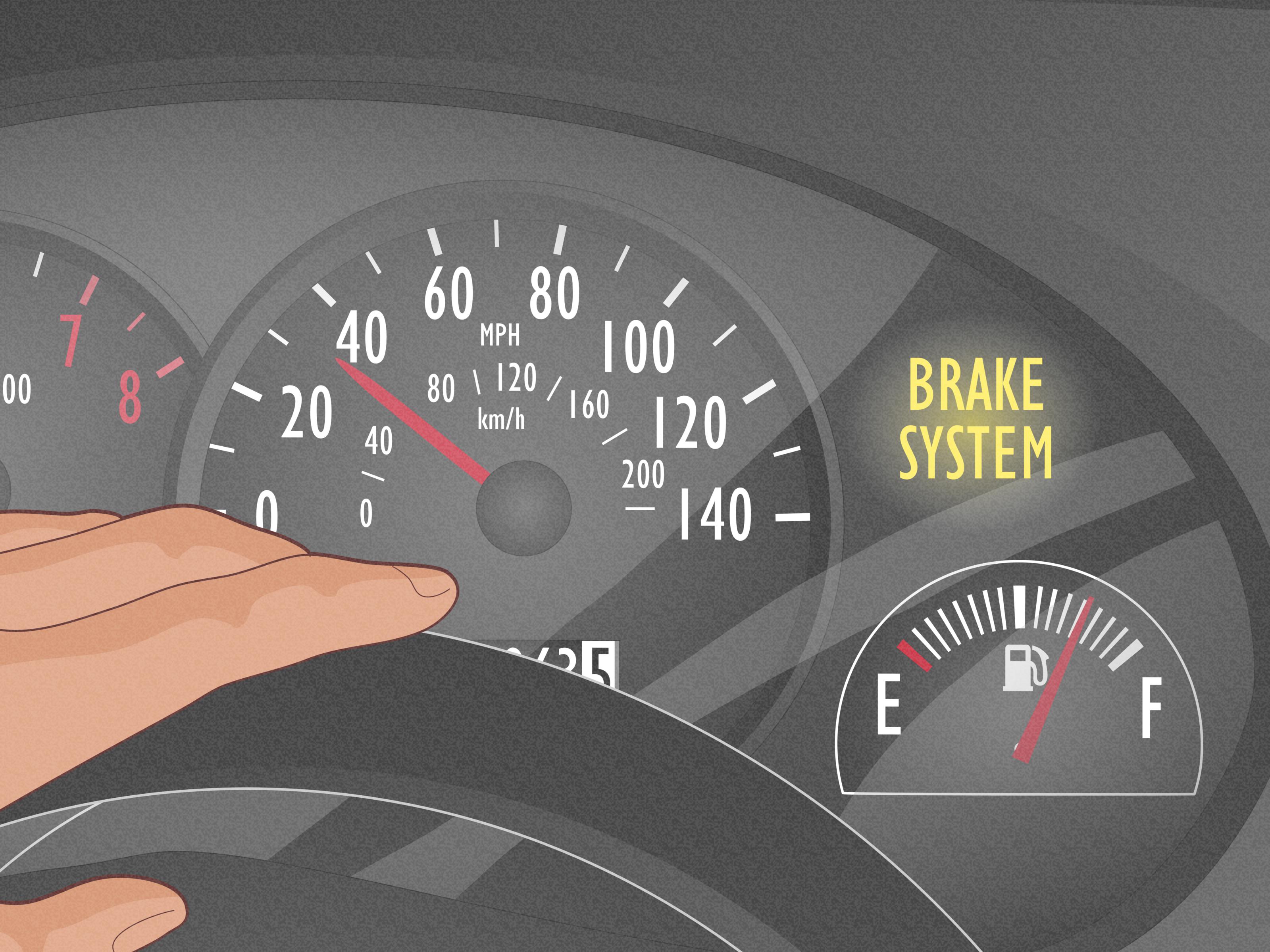
If your car flashes a “Service Parking Brake” message, refuses to release the brake, or lights up your dashboard like it’s auditioning for a holiday parade, you’re not alone. Electric parking brake problems are frustrating because they can feel dramatic even when the fix is simple. One minute you’re parked like a responsible adult, and the next your vehicle acts like it has permanently rooted itself to the pavement.
The good news? Most electronic parking brake issues come down to a handful of common causes: a weak 12-volt battery, a failing actuator, a bad switch, damaged wiring, stuck rear brake components, software glitches, or a bigger brake-system warning hiding behind the scenes. The trick is knowing which problems are annoying, which are expensive, and which mean you should not keep driving.
This guide breaks down the most common electric parking brake problems, what causes them, how to troubleshoot them safely, and what usually fixes them. We’ll also cover real-world driver experiences, because sometimes the most accurate diagnostic tool is still, “Yep, mine did that weird thing too.”
What Is an Electric Parking Brake?
An electric parking brake, often called an EPB, replaces the old hand lever or foot pedal with a switch or button. Instead of a cable doing all the work, the system uses electronic controls and small motors or actuators to apply the rear brakes. In many vehicles, it also works with features like auto hold, hill-start assistance, and automatic engagement when the vehicle is shifted into Park.
That convenience is great until the system gets confused. Unlike a traditional parking brake, an EPB depends on electronics, sensors, wiring, software logic, and battery power. In other words, it has more ways to be clever and more ways to throw a tantrum.
Common Symptoms of Electric Parking Brake Problems
Before digging into causes, it helps to know what EPB trouble looks like. The most common warning signs include:
- A parking brake warning light that stays on or flashes
- A dashboard message such as “Service Parking Brake” or “Parking Brake Malfunction”
- The brake won’t apply or won’t release
- The vehicle feels stuck when you try to move
- A grinding, humming, or repeated clicking sound from the rear brakes
- A burning smell after driving because the brake did not fully release
- Brake and ABS warnings showing up at the same time
- Automatic brake hold or auto-release features suddenly stopping working
If the car won’t move freely, pulls oddly, smells hot, or shows multiple brake warnings at once, that’s your sign to stop treating it like “just a light” and start treating it like a brake issue. Because, inconveniently, it is one.
Electric Parking Brake Problems: Common Causes & Solutions
1. Weak or Dead 12-Volt Battery
One of the most common causes of electric parking brake trouble is a weak 12-volt battery. Even in hybrids and EVs, the EPB system often depends on standard low-voltage electrical power. If the battery is weak, the brake may not apply, may not release, or may trigger warning messages that seem unrelated at first.
What it looks like: You get a parking brake error after the car sits for a while, after cold weather, or along with other electrical weirdness like dim lights, slow starting, or multiple warning messages.
Typical solution: Test the battery and charging system. If voltage is low, charge or replace the battery. In many cases, EPB errors disappear once stable power is restored. Translation: sometimes the parking brake isn’t broken; it’s just under-caffeinated.
2. Faulty EPB Switch or Release Conditions Not Met
Some electric parking brakes won’t release unless certain conditions are met, such as pressing the brake pedal, wearing the seat belt, having the ignition in the correct mode, or being in the proper gear. If the switch itself is failing, or one of those required inputs is missing, the system may refuse to cooperate.
What it looks like: You push the switch and nothing happens, or the brake only releases sometimes. It may seem random, but the system could be waiting for a brake-pedal signal or detecting an issue with the switch circuit.
Typical solution: First, try the proper release procedure from the owner’s manual. If the problem continues, a technician may need to test the switch, brake-pedal sensor, or related interlock signals.
3. Seized Rear Calipers or Failing Actuators
Many EPB systems use a motorized actuator on the rear calipers. Over time, those components can wear out, corrode, bind, or fail internally. When that happens, the brake may stick on one side, release slowly, or refuse to release altogether.
What it looks like: The vehicle drags, one rear wheel gets unusually hot, you hear grinding or motor noise from the rear, or the car feels like it’s fighting you when you accelerate.
Typical solution: The rear caliper assembly, actuator, or related hardware may need cleaning, servicing, or replacement. If the pads and rotors were already worn or overheated, those parts may need replacement too.
This is also why DIY brake jobs on EPB-equipped vehicles need extra caution. On many models, the calipers must be placed in service mode with a scan tool or specific procedure before retracting the pistons. Skip that step and you may turn a brake job into an expensive life lesson.
4. Damaged Wiring, Connectors, or Harnesses
Electric parking brakes live in a rough neighborhood: under the vehicle, near moisture, road salt, vibration, heat, and moving suspension parts. Wiring harnesses and connectors can chafe, corrode, short out, or break. This is a very real cause of EPB faults and has shown up in recalls and service bulletins.
What it looks like: Intermittent warnings, a brake that works one day and fails the next, or a “Service Parking Brake” message after hitting bumps, driving in wet conditions, or after unrelated rear suspension work.
Typical solution: Inspect and repair damaged connectors or harnesses. In some cases, manufacturers issue updated routing, protective tape, or replacement parts.
5. Low Brake Fluid or a Bigger Brake System Problem
Not every parking brake warning is strictly a parking brake problem. Sometimes the EPB system is the messenger, not the villain. Low brake fluid, ABS faults, hydraulic brake issues, or electronic brake distribution problems can trigger warning lights that overlap with parking brake alerts.
What it looks like: The red brake warning light stays on even when the parking brake is released, or it comes on along with the ABS light. You may also notice a soft pedal, longer stopping distances, or fluid leaks.
Typical solution: Check brake fluid level and inspect for leaks, worn pads, or other conventional brake issues. If the pedal feels soft or braking performance changes, do not keep driving casually like this is a minor software update. It isn’t.
6. Software Glitches, Calibration Errors, or Module Problems
Because EPB systems are computerized, some failures are electronic rather than mechanical. A control module may lose calibration, store fault codes, or need a software update. In other cases, the module itself can fail.
What it looks like: Warning messages appear after a battery disconnect, brake service, module replacement, or no obvious mechanical issue at all. Sometimes the brake works, but auto hold or automatic release stops working properly.
Typical solution: Scan the vehicle for trouble codes, perform relearn procedures if required, and check for technical service bulletins or recall campaigns. Many EPB problems cannot be diagnosed accurately without a scan tool, which is the automotive equivalent of admitting the car knows more than it’s telling you.
7. Corrosion, Dirt, or Freezing Conditions
In snowy or wet climates, rust and corrosion can cause rear brake components to stick. In freezing weather, moisture can contribute to a brake that doesn’t release cleanly. Even though modern EPB systems are more advanced than old cable-operated parking brakes, the underlying brake hardware still hates corrosion just as much as ever.
What it looks like: The brake sticks after rain, snow, or long periods of sitting. The car may feel stuck at first and then release with a jolt.
Typical solution: Clean or replace corroded components, inspect the rear calipers and pads, and use the parking brake regularly enough to keep components moving. Long-term neglect is basically the gym membership you bought for your brakes and never used.
8. Improper Brake Service or DIY Mistakes
EPB systems are sensitive to procedure. If brake pads were changed without putting the system into service mode, if connectors were left loose, or if components were installed incorrectly, the parking brake may start acting up shortly afterward.
What it looks like: The warning appears right after rear brake service, tire work, suspension work, or battery replacement.
Typical solution: Recheck the repair, scan for codes, verify service mode procedures were followed, and inspect electrical connectors at the rear calipers.
9. Recall-Related Defects
Sometimes the problem really is the vehicle, not you. Certain models have had EPB-related recalls involving actuators, wiring harnesses, modules, or software. If your electric parking brake issue seems sudden and unusual, check for open recalls before authorizing a big repair bill.
Typical solution: Search your VIN through the manufacturer or NHTSA recall database. A recall repair is a much better surprise than a four-figure estimate.
What You Can Safely Try Before Calling for Service
If your electric parking brake is acting up, these steps are generally safe and sensible:
- Park on level ground if possible and keep your foot on the brake.
- Restart the vehicle and try the proper EPB release procedure from the owner’s manual.
- Check whether the 12-volt battery seems weak.
- Look for other warning lights, especially ABS or brake system warnings.
- Inspect the rear wheels for obvious heat, smell, smoke, or dragging.
- Check for open recalls.
Do not crawl under the vehicle and start poking at hot rear brake components like you’re starring in a backyard mechanic documentary. If the brake is stuck or the vehicle may roll, leave the heroic behavior to trained professionals.
When You Should Not Drive the Vehicle
Call for professional help or a tow if:
- The brake will not release and the car drags
- The brake warning stays on after release and braking feels different
- You have a soft brake pedal or low brake fluid warning
- ABS and brake warnings appear together
- You smell burning from a rear wheel
- The dashboard says do not drive or indicates a brake system malfunction
A stuck electric parking brake is inconvenient. A compromised main brake system is dangerous. Those are not the same category of inconvenience.
How to Prevent Electric Parking Brake Problems
Not every EPB issue is preventable, but you can lower the odds with a few habits:
- Keep the 12-volt battery in good condition
- Have rear brakes inspected at normal service intervals
- Address warning lights early instead of waiting for “later” to become “now”
- Use the correct service procedure during rear brake work
- Check for recalls and software updates
- Don’t ignore signs of dragging brakes, heat, or burning smells
- Use the parking brake regularly so components do not sit unused for ages
Final Thoughts
Electric parking brake problems usually come from familiar trouble spots: battery voltage, worn rear brake hardware, bad switches, damaged wiring, software faults, or broader brake-system issues. The system may be modern, but the logic is timeless: if brakes are warning you, listen.
The best approach is simple. Start with the easy stuff, like battery condition, release procedure, and warning lights. Then move quickly to a professional diagnosis if the brake drags, the warning persists, or other brake symptoms show up. In other words, be calm, be smart, and maybe don’t declare war on the dashboard with a random screwdriver.
Driver Experiences with Electric Parking Brake Problems
Many drivers describe electric parking brake issues the same way: the problem starts small, seems weirdly inconsistent, and then suddenly becomes impossible to ignore. A common experience is seeing a warning message only once or twice, usually on a cold morning or after the vehicle has been sitting for a few days. At first, the car drives normally, so the driver assumes the message was a glitch. Then, a week later, the brake refuses to release on the first try, or the dashboard flashes a more serious warning. That pattern often points to a weak 12-volt battery, an intermittent switch signal, or early wiring trouble.
Another frequent story involves rear brake service. A driver gets new rear pads installed, everything seems fine, and then the parking brake malfunction warning appears within a day or two. In many of these cases, the issue turns out to be procedural rather than catastrophic. The shop may have skipped the proper service mode, failed to reconnect something securely, or disturbed a connector near the rear caliper. Drivers often say this is the moment they learn that an EPB is not just a fancy button; it is a system that expects the repair process to follow its rules.
Cold-weather experiences are also common. Some owners report that the vehicle feels stuck after being parked overnight in snow, freezing rain, or slushy conditions. The brake may release with a loud clunk, or the car may resist moving for a second and then suddenly free up. That can feel dramatic, but it often traces back to moisture, surface rust, or brake components sticking after sitting in harsh conditions. Nobody enjoys a car that behaves like it slept in wet concrete.
Drivers with actuator or caliper problems often mention a more physical symptom: the vehicle feels like it is being held back. They notice poor fuel economy, a burning smell, extra brake dust on one rear wheel, or unusual heat after a short drive. Some say they first suspected a transmission issue because the car felt sluggish. Later, the real culprit turned out to be a rear brake that never fully released.
There are also plenty of cases where the fix is surprisingly simple. Some drivers have had EPB warnings disappear after replacing an aging battery. Others found an open recall for a harness or module issue and got the repair covered. That’s why experience matters here: EPB problems can feel expensive before they are diagnosed, but not every warning means a worst-case scenario. The consistent lesson from real-world ownership is this: take the warning seriously early, check the basics first, and do not keep driving a vehicle that smells hot, drags, or flashes multiple brake alerts at once.