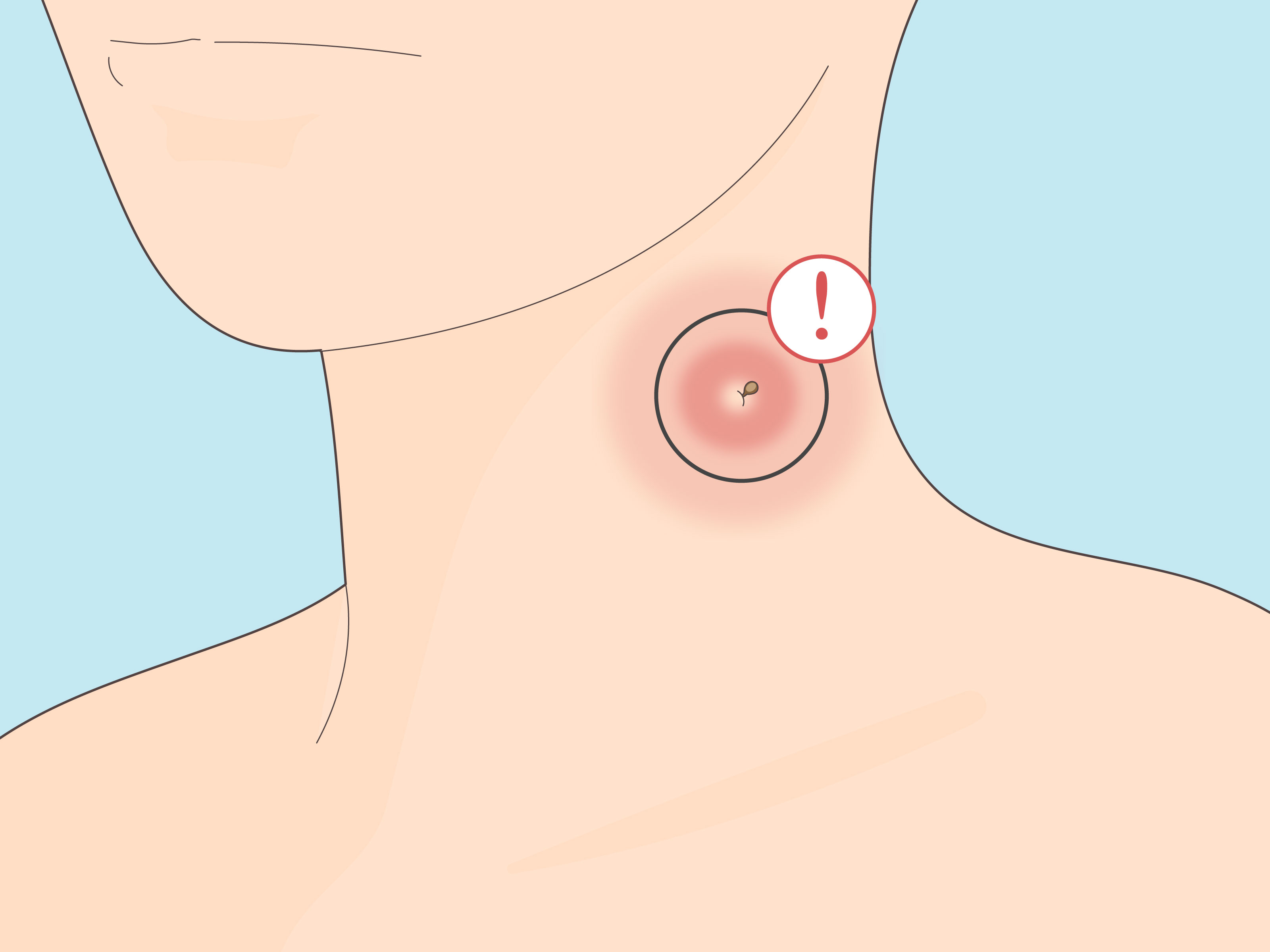
A wasp or hornet sting has a special talent for turning a peaceful afternoon into a dramatic little medical mystery. One minute you are watering flowers, eating barbecue, or bravely approaching the trash can; the next minute, your arm is throbbing, your ankle looks offended, and you are negotiating with the universe about why insects have tiny flying needles.
The good news is that most wasp and hornet stings are painful but manageable at home. The not-so-fun news is that some stings can trigger serious allergic reactions, especially in people with insect venom allergies. That is why knowing the right steps matters. Treating a sting is not about panic, old myths, or rubbing random kitchen items on your skin like you are marinating chicken. It is about three smart moves: clean and cool the sting, control pain and swelling, and recognize when the situation needs medical help.
This guide explains 3 ways to treat a wasp or hornet sting safely, clearly, and practically. You will learn what to do in the first few minutes, how to reduce itching and swelling, what symptoms mean “call 911,” and how real-life sting care usually plays out when you are not reading instructions in a calm, air-conditioned room.
Understanding Wasp and Hornet Stings Before You Treat Them
Wasps and hornets belong to a group of stinging insects that also includes yellow jackets and bees. Unlike honeybees, wasps and hornets usually do not leave their stinger behind, which means they may sting more than once. This is rude, biologically efficient, and another reason to move away from the area quickly after being stung.
A typical sting causes immediate sharp pain, redness, warmth, itching, and swelling around the sting site. For many people, these symptoms improve within hours or a couple of days. A larger local reaction may cause swelling that spreads farther from the sting, such as a hand swelling after a finger sting or an ankle puffing up after a sting near the foot.
The biggest concern is an allergic reaction. Anaphylaxis is a severe, potentially life-threatening reaction that can affect breathing, blood pressure, skin, digestion, and consciousness. It can happen quickly. That does not mean every sting is an emergency, but it does mean every sting deserves a short “safety check” before you go back to trimming hedges like nothing happened.
Way 1: Take Immediate First Aid Steps
The first few minutes after a wasp or hornet sting are about staying calm, getting away from the insect, and reducing the amount of irritation at the sting site. Your goal is simple: stop more stings, clean the skin, and cool the inflammation.
Move Away From the Sting Area
Before treating the sting, move to a safe place. Wasps and hornets can become aggressive if their nest is nearby, and swatting at them may make the situation worse. Walk away steadily. If several insects are around you, cover your face and head as best you can and leave the area.
Avoid flailing, screaming, or performing what looks like interpretive dance in front of the nest. Understandable? Yes. Helpful? Not really. Calm movement reduces the chance of attracting more attention from the insect squad.
Check for a Stinger
Wasps and hornets usually do not leave a stinger in the skin, but it can happen occasionally, especially if the insect is misidentified or the sting involves another species. Look closely at the area. If you see a small dark point or stinger, remove it as soon as you safely can.
Use a flat-edged object, such as a credit card, to scrape it away from the skin. If you use tweezers, avoid squeezing any attached venom sac. The goal is to remove the stinger quickly and gently, not to press more venom into the skin like you are trying to get the last toothpaste out of a tube.
Wash the Area With Soap and Water
Clean the sting site with soap and water. This helps remove dirt, sweat, bacteria, and any surface irritants. Pat the skin dry with a clean towel. Do not aggressively scrub the area. Your skin is already annoyed; it does not need a motivational sanding.
After washing, avoid scratching. Scratching can break the skin and increase the chance of infection. If the itch feels impossible to ignore, treat it with cold therapy or an anti-itch option rather than fingernails.
Apply a Cold Compress
Wrap ice or a cold pack in a cloth and apply it to the sting site for 10 to 20 minutes at a time. Cold helps reduce pain, swelling, and itching. Never place ice directly on bare skin, because that can irritate or injure the skin.
If the sting is on an arm or leg, elevate the area. For example, if your ankle is stung, prop your foot on a pillow while using a cold pack. Elevation can help limit swelling, especially during the first few hours.
Way 2: Reduce Pain, Itching, Redness, and Swelling
After the immediate first aid steps, the next part of wasp sting treatment is symptom control. Most mild stings do not need prescription medicine, but over-the-counter options can make the difference between “slightly uncomfortable” and “I have become emotionally attached to this ice pack.”
Use Over-the-Counter Pain Relievers When Appropriate
A wasp or hornet sting can throb, burn, or ache. Over-the-counter pain relievers such as acetaminophen or ibuprofen may help reduce discomfort. Follow the label directions, and avoid medicines that are not safe for you because of allergies, medical conditions, pregnancy, stomach ulcers, kidney disease, liver disease, blood thinners, or other medications.
Pain should gradually improve. If pain becomes severe, continues to worsen, or is accompanied by spreading redness, warmth, pus, fever, or red streaks, it is time to contact a healthcare professional.
Try an Oral Antihistamine for Itching
Itching is one of the most annoying parts of a sting. An oral antihistamine may help, especially if the area is itchy or swollen. Some antihistamines can cause drowsiness, so read the label carefully before driving, working, or operating equipment. Nobody wants “treated wasp sting, accidentally napped through dinner” on the day’s report.
Non-drowsy antihistamines may be a better option during the day for some people. If you are unsure which product is safe for you, ask a pharmacist or healthcare professional.
Apply Hydrocortisone Cream, Calamine, or Baking Soda Paste
For localized itching and redness, a thin layer of 0.5% or 1% hydrocortisone cream may help calm inflammation. Calamine lotion can also soothe itching. Some people use a baking soda paste made with a small amount of water. These options are meant for intact skin, not open wounds.
Avoid applying harsh substances, bleach, gasoline, tobacco, essential oils, or mystery “grandpa remedies” to the sting. A wasp sting is already an inflammatory event; do not turn it into a chemistry experiment.
Monitor Swelling Over the Next Day or Two
Mild swelling near the sting is common. A larger local reaction can look dramatic, especially on hands, feet, eyelids, or lips, where skin is loose and swelling is more noticeable. Continue using cold compresses, elevation, and appropriate OTC medications.
However, swelling that spreads to the face, mouth, throat, or neck is different from ordinary local swelling and may signal an allergic reaction. If swelling affects breathing, swallowing, speech, or the tongue, seek emergency help immediately.
Way 3: Know When to Get Emergency or Medical Help
Most wasp and hornet stings are minor. Still, the most important part of treating a sting is knowing when not to treat it at home. Severe allergic reactions can move fast, and waiting too long is risky.
Call 911 for Signs of Anaphylaxis
Call 911 or your local emergency number immediately if the person develops trouble breathing, wheezing, throat tightness, swelling of the lips or tongue, widespread hives, dizziness, fainting, rapid heartbeat, confusion, vomiting, diarrhea, severe weakness, or a feeling of impending doom after a sting.
If the person has a prescribed epinephrine auto-injector or other prescribed epinephrine device, use it as directed right away. Epinephrine is the first-line emergency treatment for anaphylaxis. Do not wait to see whether symptoms “settle down.” Anaphylaxis is not a “let’s give it a minute” situation.
Get Medical Advice for Large or Unusual Reactions
Contact a healthcare professional if swelling is very large, symptoms are not improving, the sting is near the eye, the person has multiple stings, or the sting involves a young child, older adult, or person with significant medical conditions. Multiple stings can deliver more venom and may need medical evaluation even when there is no allergy.
You should also seek care if signs of infection appear. Watch for increasing redness, warmth, swelling, worsening pain, pus, fever, or red streaks spreading from the sting site. Infection is not the most common outcome, but scratching and broken skin can raise the risk.
Talk to an Allergist After a Serious Reaction
Anyone who has had a systemic allergic reaction to a wasp, hornet, yellow jacket, or bee sting should discuss allergy testing and prevention with a healthcare professional, especially an allergist. Some people may benefit from carrying epinephrine and considering venom immunotherapy, also known as allergy shots for insect venom.
Venom immunotherapy is not a casual weekend hobby. It is a medical treatment plan supervised by specialists. For people at risk of severe sting reactions, however, it can be a powerful long-term prevention strategy.
What Not to Do After a Wasp or Hornet Sting
Bad sting advice travels faster than a yellow jacket at a picnic. To protect your skin and your common sense, avoid these mistakes:
- Do not squeeze the sting site if a stinger is visible. Scrape it away or remove it carefully.
- Do not scratch aggressively, because broken skin can invite infection.
- Do not use harsh chemicals, including bleach, alcohol-soaked compresses, or cleaning products.
- Do not ignore breathing symptoms, dizziness, widespread hives, or throat swelling.
- Do not return to the nest area to “teach the hornets a lesson.” They are not enrolled in your seminar.
How to Prevent Future Wasp and Hornet Stings
Prevention is not always possible, but you can reduce your chances of being stung. Wasps and hornets are often attracted to food, sugary drinks, garbage, perfumes, bright clothing, and outdoor spaces where nests are built.
Be Careful Around Food and Drinks Outdoors
Keep food covered during picnics and cookouts. Use lids on trash cans. Check open soda cans and cups before drinking, because a wasp inside a can is a deeply unpleasant surprise. Sweet drinks, fruit, and meat can attract yellow jackets and wasps.
Wear Practical Clothing for Yard Work
When mowing, trimming shrubs, cleaning gutters, or working near wood piles, wear closed-toe shoes, socks, long sleeves, and gloves when practical. Avoid strong fragrances and scented lotions during yard work.
Leave Nest Removal to Professionals
If you find a wasp or hornet nest near your home, do not poke it with a broom, spray it from six inches away, or film yourself for social media glory. Large nests, nests near doors, and nests in walls or trees should be handled by pest-control professionals, especially if anyone in the household has a sting allergy.
Special Considerations for Children
Children may panic after a sting, and honestly, fair enough. First, move the child away from the insect. Then check for breathing problems, facial swelling, hives, vomiting, dizziness, or unusual sleepiness. If any severe symptoms occur, call emergency services.
For a mild sting, wash the area, apply a cold compress, and use age-appropriate medicine only according to the label or a healthcare professional’s advice. Keep fingernails short and discourage scratching. A fun distraction, such as a movie, story, or snack that does not attract more insects, can help the child stop focusing on the itch.
Special Considerations for People With Known Sting Allergies
If you have a known wasp, hornet, bee, or yellow jacket allergy, your treatment plan should be prepared before any sting happens. Carry prescribed epinephrine as directed. Make sure family, friends, coworkers, and coaches know where it is and how to help in an emergency.
After using epinephrine, call 911. Symptoms can return or require additional treatment. People with known sting allergies should also discuss follow-up care with an allergist, especially if they have not recently reviewed their emergency action plan.
Common Questions About Wasp and Hornet Sting Treatment
How long does a wasp or hornet sting hurt?
Sharp pain often improves within a few hours, though tenderness, redness, itching, and swelling may last longer. Large local reactions can take several days to settle. If symptoms worsen instead of improving, seek medical advice.
Should I put vinegar on a wasp sting?
Some people use vinegar as a home remedy, but reliable first aid focuses on washing with soap and water, cold compresses, elevation, and appropriate OTC medications. Vinegar can irritate some skin, especially if the area has been scratched.
Can a hornet sting be more dangerous than a wasp sting?
Both can be painful, and both can trigger allergic reactions. Hornets may be more intimidating because of their size and can sting repeatedly. The danger depends on the person’s reaction, the number of stings, the sting location, and whether an allergy is present.
When should swelling worry me?
Local swelling around the sting can be normal. Swelling that affects the face, lips, tongue, throat, breathing, swallowing, or speech is urgent. Widespread hives, dizziness, vomiting, or fainting also require emergency care.
Real-Life Experiences: What Wasp and Hornet Sting Care Feels Like
Treating a sting in real life is rarely as tidy as a checklist. The sting usually happens when your hands are full, your shoes are off, or you are trying to enjoy a hot dog in peace. The first experience many people describe is surprise. A wasp sting does not politely introduce itself. It feels like a sudden hot needle, followed by a wave of “What just happened?”
Imagine someone pulling weeds near a fence. They feel a sharp jab on the wrist, look down, and see a wasp circling like it has unfinished business. The best move is not to inspect the wrist right there beside the fence. The best move is to walk away first. Once safely indoors or away from the nest, they can check the skin, wash the area, and apply a cold pack. That simple order matters: safety first, treatment second.
Another common scenario happens at outdoor meals. A person reaches for a soda, feels a sting near the lip, and panic arrives faster than the insect did. Stings near the mouth deserve extra caution because swelling in that area can become serious. Even if symptoms seem mild at first, it is smart to monitor closely and seek urgent help if there is swelling of the tongue, throat tightness, trouble breathing, or voice changes.
For mild stings, the emotional recovery can be half the battle. People often keep looking at the sting every three minutes, waiting for it to transform into something dramatic. A small red bump with tenderness and itch is usually expected. Cold compresses, elevation, and anti-itch treatment can make the next few hours much more comfortable.
Children may need calm reassurance more than complicated explanations. A parent might say, “The sting hurts, but we are going to wash it, cool it, and keep an eye on it.” That is more useful than launching into a full insect biology lecture while the child is crying. Save the hornet documentary for later.
Adults can be just as dramatic, of course. Many people try to bargain with the sting: “If I ignore it, maybe it will go away.” Unfortunately, ignoring a sting does not reduce swelling. A better routine is to clean it, ice it, take appropriate medicine if needed, and avoid scratching. The boring steps work. The boring steps are the heroes.
The most important experience-based lesson is to respect allergic symptoms. If someone becomes lightheaded, develops hives far from the sting, has trouble breathing, vomits, or says their throat feels tight, do not debate whether they are “overreacting.” Treat it as urgent. Use prescribed epinephrine if available and call emergency services. Fast action is far better than brave hesitation.
Finally, every sting teaches prevention. People who have been stung while mowing learn to check for nests. Picnic lovers learn to cover sweet drinks. Gardeners learn to wear gloves. And nearly everyone learns that wasps are not impressed by human schedules. With a clear plan, however, a sting can be handled safely, calmly, and without turning the backyard into a medical soap opera.
Conclusion
A wasp or hornet sting can be painful, itchy, and wildly inconvenient, but most mild stings can be treated with three practical steps: immediate first aid, symptom relief, and careful monitoring for serious reactions. Move away from the insect, remove any visible stinger, wash the area, apply a cold compress, elevate the limb if possible, and use appropriate OTC treatments for pain and itching.
At the same time, do not underestimate severe symptoms. Trouble breathing, throat swelling, widespread hives, dizziness, vomiting, or fainting after a sting requires emergency care. If epinephrine has been prescribed, use it as directed and call 911. For people with past serious reactions, an allergist can help create a prevention and treatment plan.
In short: stay calm, cool the sting, treat the symptoms, and know when to get help. The wasp may have won the first round, but with the right care, you can absolutely win the recovery.