Editor’s note: This article is written as an evergreen shopping and design guide inspired by the Remodelista Selects Sale at DesignStory. Because older sale prices, promo codes, and retailer pages can change or expire, readers should always verify current availability before purchasing.
Some sales feel like a polite little nudge: “Here is 10 percent off a thing you might forget by lunchtime.” Others feel like a design editor quietly opening a side door to the good roomthe one with handmade ceramics, clever textiles, sculptural mobiles, and objects that make your home look as if it has opinions. The Remodelista Selects Sale at DesignStory belongs firmly in the second category.
At its heart, the collaboration brought together two ideas that design lovers still chase today: editorial taste and accessible discovery. Remodelista has long been known for its “considered home” approachless clutter, better materials, useful objects, calm rooms, and a mild suspicion of anything that looks like it came from a panic cart at 11:48 p.m. DesignStory, meanwhile, was positioned as a source for globally sourced home objects and design-forward pieces. Together, the sale highlighted a curated collection that favored character over noise.
That is why this topic still matters. Even if the original sale window has passed, the shopping lesson remains surprisingly fresh: the best design sale is not the one with the loudest discount banner. It is the one that helps you find pieces you will still like after the algorithm stops following you around.
What Was the Remodelista Selects Sale at DesignStory?
The Remodelista Selects Sale at DesignStory was a curated shopping collaboration featuring editor-picked home goods from DesignStory’s permanent collection. Rather than presenting an overwhelming warehouse of random marked-down products, the sale focused on thoughtfully chosen objects: handmade ceramics, practical kitchen textiles, letterpress goods, and playful decorative pieces.
The original selection included names that fit neatly into Remodelista’s design vocabulary, such as Pigeon Toe Ceramics, Studio Patro, Egg Press, and Flensted Mobiles. These are not the kinds of brands that scream from across the room. They whisper from a very nice shelf, preferably next to a linen towel and a single branch in a vase.
What made the sale notable was not only the discount. It was the editorial framing. Remodelista did what strong design editors do best: it reduced the mental load. Instead of asking shoppers to sort through hundreds of “modern home accessories,” the collection suggested a smaller, smarter world of useful and beautiful pieces.
Why Curated Design Sales Still Work
Online shopping has become both magical and mildly ridiculous. You can buy a sofa, a ceramic bell, six napkins, a pendant light, and replacement vacuum filters before your coffee cools. The problem is not access. The problem is judgment. Too many choices can turn even a confident shopper into a person comparing drawer pulls at midnight while whispering, “Who am I?”
Curated sales solve that problem by offering taste as a filter. A good editorial selection says, “Here are the pieces worth noticing.” The Remodelista Selects Sale at DesignStory worked because it gathered objects that shared a quiet design language: tactile materials, simple forms, functional beauty, and a sense of craft.
It Was About Objects With Staying Power
The most successful home purchases usually have one thing in common: they do not rely on trend panic. A handmade porcelain chime, a linen tea towel, or a finely balanced mobile can live in many rooms and many styles. These pieces do not need your entire home to change around them. They simply make the existing space feel more intentional.
It Favored Small Upgrades Over Big Overhauls
Not everyone is renovating a kitchen, replacing floors, or building a minimalist cabin with dramatic shadows and one perfect chair. Sometimes the smartest design move is smaller: a better towel by the sink, a mobile in a child’s room, a ceramic object by the entry, or a printed card tucked into a gift. Small objects can shift the mood of a room without requiring a contractor, a permit, or a second emotional support coffee.
It Reflected the Remodelista Eye
The Remodelista aesthetic is not about filling a home with expensive things. It is about choosing well. That means materials matter. Proportion matters. Use matters. Negative space matters. A room should not look like a showroom where nobody is allowed to sit down. It should feel edited, warm, personal, and functional.
Key Design Lessons From the Sale
The Remodelista Selects Sale at DesignStory offers several lessons that still apply to modern home shopping. Whether you are decorating a new apartment, refreshing a kitchen, or trying to make your living room look less like “temporary furniture purgatory,” these principles are practical.
1. Buy the Piece That Solves a Real Problem
Pretty is nice. Useful and pretty is better. A linen tea towel, for example, earns its keep because it does actual kitchen work while adding texture and color. A mobile can soften a corner, bring movement to a nursery, or make a hallway feel less forgotten. A ceramic chime can add visual interest and gentle sound near a window or covered outdoor area.
Before buying anything from a curated design sale, ask: Where will this live, and what will it do? If the answer is “sit in a drawer until I become a different person,” skip it.
2. Choose Materials That Age Well
Porcelain, linen, wood, paper, leather, and well-made metal tend to age with dignity. They may patina, soften, or show use, but that is often part of their charm. Cheap shiny plastics and mystery composites, on the other hand, can age like a banana in a hot car.
One reason the DesignStory selection felt aligned with Remodelista is that many pieces had tactile, honest materials. Handmade ceramics bring slight variation. Linen softens over time. Letterpress paper has texture. Wood mobiles move gently with air. These qualities make a home feel lived in, not merely staged.
3. Use Accessories to Add Personality, Not Clutter
There is a thin line between “collected” and “why are there seven decorative bowls on this table?” Curated accessories should create rhythm. They can introduce scale, color, craft, or humor. They should not require dusting with the commitment of a part-time job.
The best small decor pieces have breathing room. A single ceramic object on a shelf can look sculptural. Ten small objects on the same shelf can look like they are waiting for roll call. When in doubt, edit first and buy second.
Brand Highlights: Why These Names Made Sense
The sale’s appeal came partly from the brands included in the original curated collection. Each represented a slightly different part of the considered home: craft, utility, playfulness, and everyday ritual.
Pigeon Toe Ceramics: Handmade Character
Pigeon Toe Ceramics is associated with handmade pottery and home textiles, the kind of pieces that bring warmth to otherwise spare rooms. Ceramics are especially effective in minimalist spaces because they add texture without visual chaos. A porcelain chime, small vessel, bowl, or sculptural object can become a quiet focal point.
In a room filled with flat surfacespainted walls, smooth counters, clean cabinetryceramics introduce the hand of the maker. That matters. Homes need a little imperfection. Otherwise, they start to look like nobody has ever dropped a spoon there.
Studio Patro: The Case for Better Kitchen Textiles
Studio Patro’s linen kitchen textiles fit beautifully into the Remodelista universe because they turn an everyday object into a design decision. A tea towel may seem small, but it is one of the hardest-working items in the kitchen. It dries dishes, handles spills, lines bread baskets, covers rising dough, and occasionally gets waved dramatically when dinner timing goes sideways.
Good kitchen textiles are an easy upgrade. They bring color and pattern without demanding a remodel. They also make open kitchens feel more finished, especially when towels are visible on hooks, oven handles, or shelves.
Egg Press: Paper Goods With Personality
Egg Press is known for letterpress cards and printed paper goods with charm, humor, and graphic appeal. Including paper products in a home design sale may seem unexpected, but it makes sense. A considered home is not only about furniture and lighting. It is also about daily rituals: writing notes, wrapping gifts, setting a table, and keeping beautiful paper on hand for moments that deserve more than a text bubble.
Letterpress goods also make excellent low-risk design purchases. You do not need to measure a wall, match wood tones, or ask whether your landlord allows it. You just need a drawer, a stamp, and the rare courage to write by hand.
Flensted Mobiles: Movement as Decor
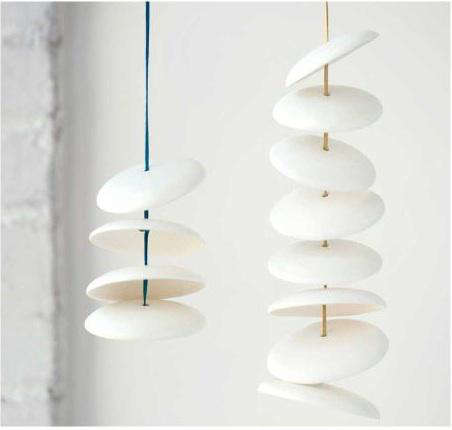
Flensted Mobiles brought a Danish design sensibility to the mix. Mobiles are wonderful because they add motion without noise, color without heaviness, and personality without taking up floor space. In small homes, that last point is gold. Wall and ceiling space often goes underused, while every horizontal surface becomes a battlefield.
A mobile can work in a nursery, office, reading nook, entryway, or even a kitchen corner. It is one of those objects that makes a room feel a little more alive, as if the air itself got invited to decorate.
How to Shop a Remodelista-Style Sale Today
The original DesignStory promotion is part of design shopping history, but the strategy behind it is still useful. Here is how to approach a similar curated home sale today.
Start With a Room, Not a Discount
Discounts are persuasive little creatures. They tap you on the shoulder and say, “But think of the savings.” The trouble is that saving money on something you do not need is just spending money in a better outfit.
Before browsing, choose one room or zone: kitchen, entryway, bedside, bathroom, outdoor table, or home office. Then identify what is missing. Do you need softness, storage, light, texture, color, or a better daily tool? This keeps the sale from becoming a scavenger hunt with your credit card as the unfortunate map.
Look for Multi-Use Pieces
The most valuable design objects are flexible. A ceramic bowl can hold fruit, keys, jewelry, or nothing at all. A linen towel can dry dishes, wrap bread, or act as a casual table layer. A mobile can move from nursery to reading corner. A printed card can become correspondence, a gift tag, or a tiny framed artwork.
Multi-use pieces are especially smart for renters, small-space dwellers, and anyone who likes design but does not want to own a fragile museum of objects.
Check Scale Before You Fall in Love
Scale is where many online purchases go to learn humility. A vase that looks sculptural in a product photo may be the size of a thimble. A pendant shade may be charming until it blocks half the window. A mobile may need more clearance than your ceiling is willing to offer.
Always check measurements. Then use painter’s tape, a sheet of paper, or a cardboard mockup to understand the size in your actual room. This is not glamorous, but neither is returning a lamp while muttering about dimensions.
Balance Handmade Pieces With Simple Backdrops
Handmade and artisan pieces look best when they have room to breathe. Pair textured ceramics with plain shelves. Let patterned textiles sit against simple cabinetry. Use graphic paper goods near neutral trays or natural wood. The goal is not to make every object compete for attention. The goal is harmony, not a talent show.
Room-by-Room Ideas Inspired by the Sale
One of the best things about the Remodelista Selects Sale at DesignStory is that its spirit can be applied across the home. You do not need the exact original products to borrow the approach.
Kitchen
Start with textiles. Replace tired towels with linen or cotton pieces in simple stripes, graphic prints, or muted colors. Add a ceramic spoon rest, a handmade bowl for citrus, or a small tray for oils and salt. These upgrades make the kitchen feel finished without touching cabinets or counters.
Entryway
A small ceramic dish for keys, a wall hook, a simple bench, and one piece of art can make an entry feel intentional. If space allows, add a hanging object or mobile for movement. The entryway is your home’s handshake. It should not feel like a place where shoes go to argue.
Living Room
Use design objects sparingly. A handmade vessel on a coffee table, a mobile near a window, or letterpress cards displayed casually on a shelf can add personality. The living room benefits from pieces that invite touch and conversation, not objects that look terrified of human contact.
Bedroom
Choose calming pieces: linen, soft ceramics, natural wood, and gentle lighting. A mobile can work beautifully above a reading chair or in a quiet corner. Keep surfaces edited. A bedroom should not have the visual energy of a gift shop.
Outdoor or Covered Patio
If the original sale’s chimes and mobiles caught your attention, think about movement and sound outdoors. Covered porches, balconies, and garden rooms benefit from pieces that respond to breeze and light. Just make sure materials are suitable for exposure, and bring delicate items inside during rough weather.
Why the “Considered Home” Approach Feels More Relevant Than Ever
The phrase “considered home” has staying power because it rejects two extremes: sterile perfection and chaotic accumulation. A considered home is thoughtful, but not uptight. It is edited, but not empty. It cares about beauty, but it also understands that people need places to put mail, snacks, laundry, and the one screwdriver that somehow migrates through the house.
Curated sales like Remodelista Selects at DesignStory remind shoppers that design does not have to be loud to be meaningful. Sometimes the best purchase is a modest object that improves daily life: a towel you enjoy using, a card you enjoy sending, a mobile that catches afternoon light, or a ceramic piece that makes a shelf feel resolved.
Shopping Mistakes to Avoid
Buying Only Because It Is on Sale
A discount is not a design plan. If you would not consider the item at full price, think twice before buying it marked down. The goal is value, not victory over the checkout page.
Ignoring Maintenance
Some materials need care. Linen may wrinkle. Ceramics can chip. Paper goods need dry storage. Mobiles need safe hanging points. None of this is difficult, but it matters. Buy for the life you actually live, not the life where you apparently have a staff and never spill coffee.
Forgetting Your Existing Palette
A curated item can still clash with your room. Before buying, consider your colors, finishes, and textures. If your home leans warm, add warm woods, cream ceramics, and earthy textiles. If it leans cool, try black, white, pale gray, steel, or crisp graphic prints.
Overdecorating the Moment a Package Arrives
New objects are exciting. Give them space. Try one piece in a few locations before deciding where it belongs. Good styling often happens through subtraction. The most elegant design move may be removing three things and letting one excellent thing stay.
of Personal Experience: What This Sale Teaches About Living With Design
The charm of a sale like Remodelista Selects at DesignStory is that it does not ask you to become a completely different person. It does not demand that you repaint your house, replace every chair, or suddenly develop the serene lifestyle of someone who owns matching storage jars and never loses the tape measure. Instead, it suggests that small, thoughtful changes can make a room feel more cared for.
In real homes, these little upgrades matter. A kitchen towel that feels good in the hand can make cooking feel less like a chore. A ceramic dish by the door can stop keys from performing their daily disappearing act. A mobile near a window can turn ordinary afternoon light into a tiny event. A beautiful card kept in a drawer can save you from the last-minute panic of writing “Happy Birthday” on whatever envelope you found near the printer.
What I like most about the Remodelista-style approach is its patience. It encourages buying slowly. You do not need to finish a room in one weekend. In fact, the rooms that feel best usually evolve over time. You find one piece on sale, another while traveling, another from a local maker, and another because you finally admitted the old towel looked like it had survived a maritime incident. Layer by layer, the room becomes yours.
This is also where curated sales beat ordinary clearance events. A typical sale can feel like a digital shouting match: flashing banners, countdown timers, “only three left,” and enough urgency to make you question whether a soap dish is a life-changing opportunity. A thoughtful editorial sale feels different. It gives context. It shows how objects live in a room. It helps you imagine the piece beyond the product grid.
Experience also teaches that the best purchases are not always the most dramatic. I have seen rooms transformed by simple textiles, better lighting, and one handmade object placed exactly where the eye lands. A small ceramic bowl on an entry table can make the whole area feel composed. A linen towel in a neutral kitchen can add warmth without adding clutter. A mobile in a quiet corner can make a room feel playful without becoming childish.
The key is restraint. Good design shopping is not about collecting every beautiful object you see. It is about choosing the ones that support how you live. If you cook often, invest in textiles and tools you enjoy touching. If you read in the evening, think about lighting and surfaces. If your home feels flat, add texture. If it feels busy, edit before buying. The smartest sale purchase is the one that fits into your life so naturally that, after a week, it feels as if it was always supposed to be there.
That is the lasting value of the Remodelista Selects Sale at DesignStory. It was not merely a promotion. It was a reminder that taste can be practical, that everyday objects deserve attention, and that a home becomes more beautiful when its details are chosen with care rather than panic. And honestly, if a tea towel can make the kitchen feel better, we should let it enjoy its moment.
Conclusion: A Small Sale With a Big Design Lesson
The Remodelista Selects Sale at DesignStory remains a useful case study in how curated shopping can make home design feel less overwhelming and more personal. Its original collection celebrated objects with craft, function, and quiet personality: ceramics, textiles, paper goods, and mobiles that could bring warmth to everyday spaces.
For modern shoppers, the takeaway is simple: do not chase every sale. Chase the right sale. Look for pieces made with honest materials, practical purpose, flexible styling, and enough character to survive beyond a trend cycle. A considered home is not built in one giant order. It is built through patient choices, useful beauty, and the occasional excellent tea towel.