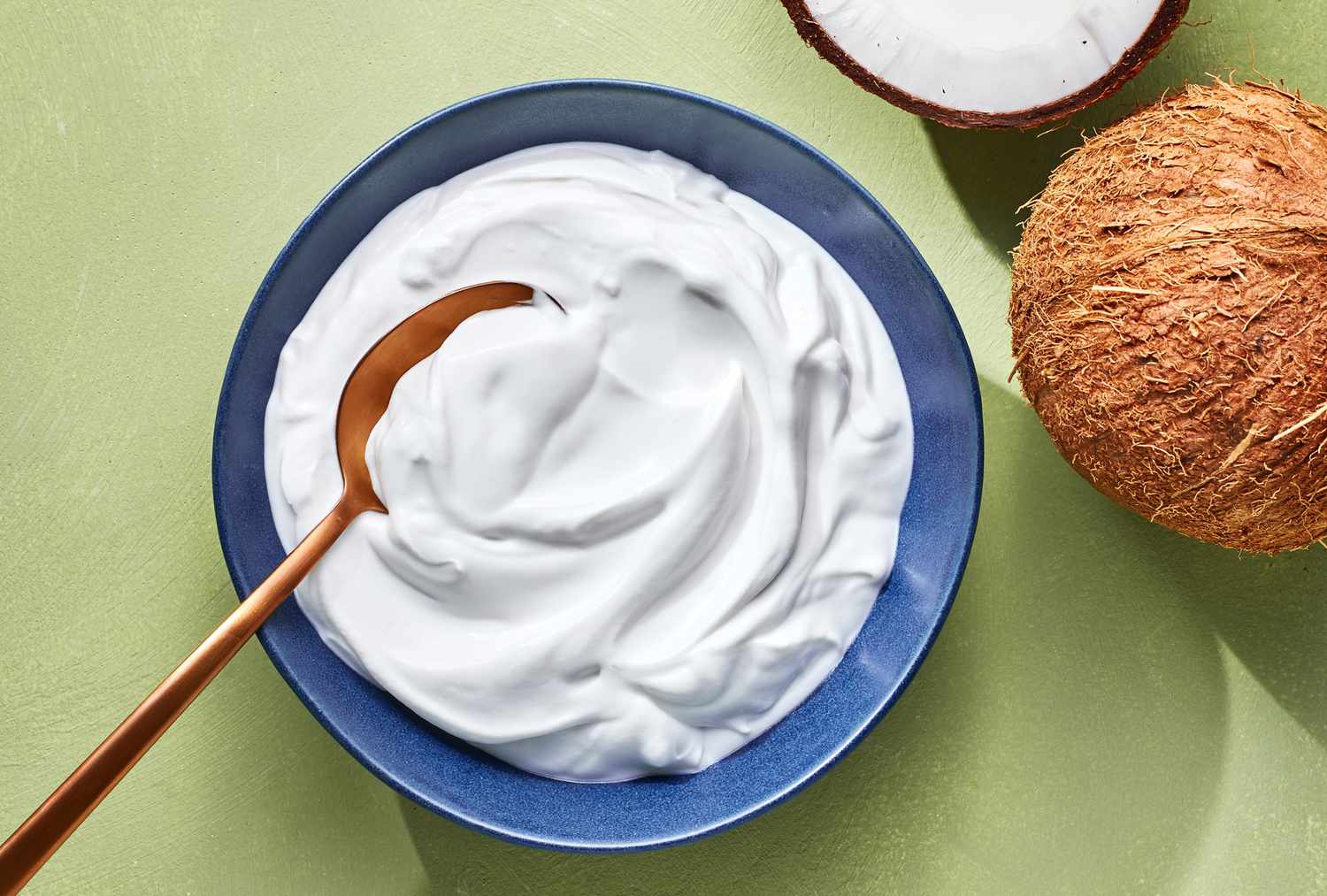
Homemade coconut cream is one of those kitchen tricks that feels almost too easy to be impressiveuntil you taste it. Then suddenly you are standing at the counter with a spoon, wondering why you ever bought the canned version without questioning it. Thick, silky, naturally sweet, and gloriously tropical, coconut cream from scratch can turn a basic curry into a cozy dinner, a smoothie into a vacation, and a dessert topping into something that deserves its own tiny applause.
This homemade coconut cream recipe is designed for real kitchens, not imaginary cooking-show kitchens where every bowl is spotless and nobody has ever lost the blender lid. You only need unsweetened shredded coconut, hot water, a blender, and a strainer or nut milk bag. The result is a rich dairy-free cream that works in soups, sauces, desserts, drinks, oatmeal, puddings, frostings, and whipped toppings.
Even better, making coconut cream at home lets you control the texture, sweetness, and ingredients. No mystery stabilizers, no accidental sugar bomb, and no opening a can only to discover a sad watery situation inside. Let’s make the creamy coconut magic happen.
What Is Coconut Cream?
Coconut cream is the thick, rich liquid made by blending coconut meat with water and extracting the creamy fat and flavor. It is similar to coconut milk, but it contains more coconut and less water, which gives it a thicker body and a richer taste. Think of coconut milk as the easygoing friend who brings snacks, and coconut cream as the friend who arrives wearing sunglasses and somehow makes the whole party fancier.
It is important not to confuse coconut cream with cream of coconut. Coconut cream is usually unsweetened and used in both savory and sweet recipes. Cream of coconut is sweetened and commonly used in cocktails, desserts, and tropical drinks. If you add cream of coconut to a curry by mistake, dinner may start tasting like it is wearing a beach hat.
Why Make Coconut Cream at Home?
Store-bought coconut cream is convenient, but homemade coconut cream gives you flexibility. You can make it extra thick for whipped coconut cream, slightly looser for soups, or naturally flavored with vanilla, salt, or a touch of maple syrup for desserts. It is also a smart option when you need coconut cream but only have shredded coconut in the pantry.
Homemade coconut cream is especially useful for people who avoid dairy, follow vegan recipes, cook with Southeast Asian or Caribbean flavors, or simply love rich coconut flavor without extra additives. The process also creates coconut pulp, which can be dried and used in smoothies, oatmeal, granola, pancakes, or baked goods. Basically, the coconut does not leave the kitchen quietlyit gives you a main ingredient and a bonus ingredient.
Homemade Coconut Cream Recipe
Recipe Overview
- Prep time: 10 minutes
- Soaking time: 10 minutes
- Chilling time: 4 hours or overnight for best separation
- Total active time: About 20 minutes
- Yield: About 1 1/2 to 2 cups coconut cream, depending on coconut type and straining
- Best for: Curries, soups, desserts, whipped topping, smoothies, sauces, coffee, and baking
Ingredients
- 4 cups unsweetened shredded coconut or unsweetened coconut flakes
- 3 cups hot water, not boiling
- 1/8 teaspoon fine sea salt, optional but recommended
- 1 teaspoon vanilla extract, optional for sweet recipes
- 1 to 2 teaspoons maple syrup or powdered sugar, optional for dessert use
Equipment
- High-speed blender
- Large bowl
- Nut milk bag, cheesecloth, or fine mesh strainer
- Glass jar or airtight container
- Spoon for separating the thick cream after chilling
Step-by-Step Instructions
Step 1: Heat the Water
Heat the water until it is very hot but not boiling. The ideal temperature is steamy enough to soften the dried coconut but not so aggressive that it makes the mixture taste cooked. If the water boils, let it cool for a minute before using it.
Step 2: Soak the Coconut
Place the unsweetened shredded coconut in the blender. Pour the hot water over it and let it sit for about 10 minutes. This softens the coconut and helps release its natural oils, which are the secret to a thick homemade coconut cream. Do not skip this step unless you enjoy making your blender work like it owes you money.
Step 3: Blend Until Creamy
Blend the soaked coconut and water on high for 2 to 3 minutes, or until the mixture looks creamy and opaque. If your blender is not high-powered, blend in two shorter rounds and pause between them to avoid overheating the motor. The mixture should look like rich coconut milk at this stage.
Step 4: Strain Thoroughly
Place a nut milk bag or cheesecloth over a large bowl. Pour the blended coconut mixture into the bag and squeeze firmly until you extract as much liquid as possible. This is where homemade coconut cream becomes a tiny arm workout. If using a fine mesh strainer, press the solids with a spoon to collect more liquid.
Step 5: Chill and Separate
Transfer the strained liquid to a jar and refrigerate for at least 4 hours, preferably overnight. As it chills, the thick coconut cream will rise and firm up at the top. Scoop off the thick layer and use it as coconut cream. The thinner liquid underneath can be saved for smoothies, soups, oatmeal, rice, or pancake batter.
Step 6: Stir, Sweeten, or Whip
For savory recipes, stir in a pinch of salt and use the coconut cream as is. For desserts, add vanilla and a small amount of maple syrup or powdered sugar. If you want whipped coconut cream, chill the cream, bowl, and beaters first, then whip until fluffy. Keep expectations realistic: coconut whipped cream is soft and luscious, not a skyscraper frosting that can survive a summer picnic in Arizona.
How to Make Coconut Cream from Canned Coconut Milk
If you do not have shredded coconut, you can make a quick version using full-fat canned coconut milk. Refrigerate the unopened can overnight. Open it without shaking, then scoop the thick white layer from the top. That thick layer is coconut cream. Save the thinner liquid below for smoothies, soups, or cooking rice.
This method works best with full-fat coconut milk. Lite coconut milk usually contains more water and may not separate well. For whipped coconut cream, choose a rich full-fat product and chill everything before mixing. Cold tools are not just helpful here; they are the difference between fluffy topping and coconut soup with ambition.
Tips for the Best Homemade Coconut Cream
Use Unsweetened Coconut
Always start with unsweetened shredded coconut or unsweetened flakes. Sweetened coconut can make the cream too sugary and sticky, especially if you want to use it in curry, soup, or savory sauces.
Use Less Water for a Thicker Cream
The more water you add, the thinner the final cream will be. For a rich homemade coconut cream recipe, a higher coconut-to-water ratio is key. If you want coconut milk instead, simply add more water.
Blend Long Enough
A quick 15-second blend will not extract enough fat from the coconut. Give the blender time to break down the coconut and release its flavor. The liquid should look creamy, not like coconut confetti floating in warm water.
Chill Before Separating
Freshly blended coconut liquid may not look thick immediately. Refrigeration helps the cream rise and firm up, making it easier to separate. Overnight chilling gives the best results.
Do Not Waste the Pulp
The leftover coconut pulp still has flavor. Spread it on a baking sheet and dry it in a low oven, then use it in muffins, quick breads, granola, energy bites, or smoothies. Waste not, snack more.
Flavor Variations
Vanilla Coconut Cream
Add 1 teaspoon vanilla extract and 1 to 2 teaspoons maple syrup. This version is perfect for pancakes, waffles, fruit bowls, pudding, and coffee.
Chocolate Coconut Cream
Whisk in 1 to 2 tablespoons cocoa powder and a little powdered sugar. Use it as a dairy-free chocolate topping or mousse-style dessert base.
Lime Coconut Cream
Add lime zest and a tiny squeeze of lime juice. This bright version pairs beautifully with mango, pineapple, coconut rice, shrimp tacos, or tropical desserts.
Savory Coconut Cream
Keep it unsweetened and add a pinch of salt. Use it in Thai-style curry, lentil soup, creamy pumpkin soup, coconut rice, braised greens, or spicy sauces.
How to Use Homemade Coconut Cream
Homemade coconut cream is wonderfully versatile. Stir it into curry at the end of cooking for a rich finish. Add it to tomato soup for a dairy-free creamy texture. Spoon it over oatmeal with bananas and toasted nuts. Use it in chia pudding, rice pudding, smoothie bowls, or dairy-free ice cream. It can also replace a portion of heavy cream in some recipes, though it brings coconut flavor along for the ride.
For baking, coconut cream works well in cakes, quick breads, custards, and frostings where coconut flavor is welcome. It can make chocolate desserts taste deeper and fruit desserts taste more tropical. A spoonful in coffee creates a creamy drink with a subtle island mood, which is useful when your inbox is behaving like a thunderstorm.
Storage and Food Safety
Store homemade coconut cream in an airtight container in the refrigerator. For best flavor and texture, use it within 3 to 4 days. Because homemade versions do not contain commercial stabilizers or preservatives, they should be treated as perishable food.
Keep coconut cream cold and do not leave it at room temperature for more than 2 hours. If your kitchen is very warm, return it to the refrigerator sooner. If the cream smells sour, looks moldy, tastes fermented, or develops an unusual color, discard it. Coconut cream should smell clean, mild, and coconuttynot like it has started a science project.
You can freeze coconut cream for longer storage. Spoon it into an ice cube tray, freeze until solid, then transfer the cubes to a freezer-safe bag. Frozen coconut cream may separate after thawing, but it usually blends back together well in soups, smoothies, and sauces.
Troubleshooting Homemade Coconut Cream
Why Is My Coconut Cream Too Thin?
The most common reason is too much water. Next time, reduce the water or add more coconut. You can also refrigerate the liquid overnight and scoop only the thickest top layer.
Why Is It Grainy?
Graininess usually means the coconut was not blended long enough or the liquid was not strained thoroughly. Use a nut milk bag for the smoothest result, and squeeze patiently.
Why Won’t My Coconut Cream Whip?
It may be too warm, too watery, or too low in fat. Chill the cream, bowl, and beaters. If it still refuses to whip, use it as a luscious sauce and pretend that was your plan all along.
Can I Use Fresh Coconut?
Yes. Fresh coconut meat can make excellent coconut cream, but it requires cracking, peeling, chopping, and blending. The flavor is fresh and delicate, while dried unsweetened coconut is easier and more predictable for everyday cooking.
Homemade Coconut Cream vs. Coconut Milk
The main difference between coconut cream and coconut milk is concentration. Coconut cream uses more coconut and less water, making it thicker and richer. Coconut milk uses more water, so it pours more easily and works well in soups, stews, drinks, and everyday cooking.
If a recipe calls for coconut cream, coconut milk may make the dish thinner. If a recipe calls for coconut milk and you only have coconut cream, you can dilute the cream with water until it reaches the consistency you need. This is one of the reasons homemade coconut cream is so practical: it is easier to thin a rich ingredient than to rescue a watery one.
Nutrition Notes
Coconut cream is rich, satisfying, and naturally dairy-free, but it is also high in saturated fat. That does not mean you need to banish it from your kitchen with dramatic music playing in the background. It simply means coconut cream is best used thoughtfully, like butter, heavy cream, or other rich ingredients.
A little can go a long way. Use a spoonful to add body to soups, a small amount to enrich sauces, or a modest swirl to finish desserts. If you are managing cholesterol, heart health, or specific dietary needs, consider portion size and talk with a healthcare professional for personalized guidance.
Common Mistakes to Avoid
Using Sweetened Coconut for Savory Recipes
Sweetened coconut can make savory dishes taste oddly dessert-like. Stick with unsweetened coconut unless you are making a sweet topping.
Skipping the Chill Time
Fresh coconut liquid needs time to separate. If you rush the process, you may end up with coconut milk instead of coconut cream.
Adding Too Much Liquid to Whipped Coconut Cream
Flavorings are lovely, but too much maple syrup, lemon juice, or vanilla can loosen the cream. Add liquids slowly and stop before the texture becomes runny.
Expecting It to Taste Neutral
Coconut cream tastes like coconut. This is wonderful in curry, tropical desserts, chocolate pudding, and smoothies. It may not be wonderful in every recipe. Coconut mashed potatoes, for example, are a personal journey.
Experience Notes: What You Learn After Making Coconut Cream at Home
The first thing you notice when making homemade coconut cream is that the kitchen starts smelling like someone opened a tiny tropical bakery. It is not overpowering, but it is warm, nutty, and comforting. The second thing you notice is that homemade coconut cream is not always identical from batch to batch. Different brands of shredded coconut absorb water differently, and flakes often produce a richer cream than very dry, finely shredded coconut. This is normal. Coconut likes to keep a little mystery in the relationship.
One practical experience is that patience makes a major difference. When the coconut sits in hot water before blending, the final cream tastes fuller and extracts more easily. Rushing straight to the blender still works, but the result can be thinner. A 10-minute soak feels small, yet it gives the coconut time to soften and release more of its natural oils.
Another lesson is that straining matters more than people expect. A fine mesh strainer is convenient, but a nut milk bag gives the smoothest texture. Cheesecloth works too, though it can get messy if it is too loosely woven. The best method is to pour slowly, gather the cloth or bag securely, and squeeze in stages. If you try to squeeze everything at once, coconut pulp may escape like it has somewhere important to be.
Chilling also teaches you what kind of coconut cream you made. After a few hours in the refrigerator, a thick layer should form on top. Sometimes it is firm enough to scoop; sometimes it is softer and spoonable. Both are useful. The firm version is better for whipped coconut cream or dessert toppings. The softer version is excellent for curries, soups, sauces, and smoothies.
In everyday cooking, homemade coconut cream shines when it is added near the end of cooking. In curry, it keeps the texture silky and the flavor fresh. In soup, it rounds out acidity and spice. In oatmeal, it makes breakfast feel suspiciously luxurious for something that took five minutes. For desserts, a pinch of salt is the quiet hero. It does not make the cream salty; it makes the coconut taste more like itself.
The biggest surprise is how useful the leftover coconut pulp can be. After drying it, you can stir it into granola, banana bread, muffins, or energy bites. It adds texture without being too sweet. This makes the whole recipe feel efficient, as if your pantry suddenly became better at teamwork.
Homemade coconut cream is not just a recipe; it is a small kitchen upgrade. Once you know how to make it, you can adjust it for whatever you are cooking. Thicker for desserts, thinner for soups, unsweetened for dinner, lightly sweetened for fruit, whipped for pie, or frozen into cubes for quick weeknight meals. It is simple, flexible, and just fancy enough to make you feel like you have unlocked a secret level of coconut confidence.
Conclusion
This homemade coconut cream recipe proves that rich, dairy-free cream does not need to come from a can. With unsweetened coconut, hot water, a blender, and a little patience, you can make a smooth and flavorful cream for savory dishes, desserts, drinks, and everyday cooking. The key is using enough coconut, blending thoroughly, straining well, and chilling long enough for the thick cream to separate.
Whether you are making curry, vegan whipped cream, coconut rice, pudding, or a tropical smoothie bowl, homemade coconut cream gives you control over flavor and texture. It is simple, satisfying, and wonderfully versatilebasically the kitchen equivalent of a vacation shirt that also knows how to meal prep.