Note: This article is about healthy, respectful attractionnot tricks, pressure, or emotional chess. A real crush grows best when both people feel safe, seen, and free to choose.
Trying to figure out how to have someone develop a crush on you can feel like attempting to solve a mystery while the mystery is texting “lol” with no punctuation. Are they interested? Are they just friendly? Did that three-second eye contact mean romance, or were they reading the menu behind your head?
The good news: attraction is not pure magic. It is influenced by everyday human things like familiarity, kindness, confidence, shared values, emotional safety, humor, body language, and the way you make someone feel when they are around you. The bad news: you cannot force a crush. People are not vending machines where you insert compliments and receive affection. The best you can do is become easier to like, easier to trust, and easier to imagine spending more time with.
So, instead of “how do I make someone like me,” a healthier question is: “How can I create the conditions where mutual attraction has a fair chance to grow?” That means showing your best self without performing a fake personality, building genuine connection, and respecting the other person’s boundaries. Romantic chemistry may start with a spark, but it usually grows through small, consistent momentsthe kind that make someone think, “Wait… why am I smiling like a cartoon raccoon?”
Way 1: Become Pleasantly Memorable Without Trying Too Hard
One of the simplest ways to increase attraction is to become a positive, familiar presence. People often feel more comfortable around someone they see regularly, talk to easily, and associate with good feelings. This does not mean hovering like a romantic drone. It means showing up naturally, being warm, and making interactions feel light instead of loaded with pressure.
Use the Power of Friendly Familiarity
Attraction often grows when two people share repeated, low-stress interactions. If you have classes together, work in the same environment, share friends, or attend the same events, use those moments wisely. Say hello. Ask a simple question. Remember something they mentioned. A small “How did your presentation go?” can do more than a dramatic speech worthy of a movie trailer.
The key is consistency. A single grand gesture can feel awkward if there is no foundation. But a series of small, friendly exchanges builds comfort. You become someone familiar, safe, and easy to talk to. That matters because many crushes begin not with fireworks, but with, “Huh, I always feel good after talking to them.”
Make a Good First Impression, Then Keep Earning It
First impressions matter, but they are not everything. Smile naturally, stand or sit with open posture, avoid staring like you are trying to unlock their phone with your eyes, and listen when they talk. Good body language says, “I am interested and relaxed,” while tense, distracted behavior says, “I am mentally fighting a raccoon in a parking lot.”
A good first impression also includes basic self-care. You do not need to look like a celebrity stepping out of a perfume commercial. Just aim for clean, comfortable, and intentional. Wear clothes that fit your personality, keep up with hygiene, and choose a style that makes you feel confident. Confidence is attractive when it feels grounded, not when it enters the room wearing sunglasses indoors.
Be Positive, But Not Artificially Perfect
People are drawn to those who bring good energy. That does not mean pretending your life is a nonstop parade of smoothies and emotional stability. It means avoiding constant complaining, gossip, or negativity during early interactions. If every conversation feels like a customer service call with your problems, attraction can quietly pack its bags.
Instead, share enthusiasm. Talk about things you genuinely enjoy: music, food, books, travel, gaming, hiking, films, sports, weird historical facts, or your ongoing rivalry with your neighbor’s loud dog. Passion makes you vivid. When you light up about something, people get to see your real personality, and that is far more attractive than a rehearsed “cool” version of yourself.
Way 2: Build Emotional Connection Through Real Conversation
If you want someone to develop a crush on you, emotional connection is the secret ingredient. Physical attraction may catch attention, but feeling understood keeps someone thinking about you later. A crush often deepens when a person feels, “They actually get me.”
Ask Better Questions
Small talk has its place. Nobody needs to begin with, “What childhood memory shaped your deepest fear?” while ordering coffee. But once you have basic comfort, ask questions that invite real answers. Instead of “How was your weekend?” try “What was the best part of your weekend?” Instead of “Do you like music?” ask “What song have you played too many times lately?”
Better questions make conversations easier and more memorable. They show curiosity without turning the interaction into a police interview. The goal is not to collect facts like a dating spreadsheet. The goal is to create a rhythm where both people feel interested and interesting.
Listen Like You Are Not Just Waiting for Your Turn
Active listening is wildly underrated. Many people listen just enough to reload their own story. Real listening means paying attention, asking follow-up questions, and responding to what the person actually said. If they mention they are nervous about an exam, do not immediately launch into your legendary tale of academic survival. First say something like, “That sounds stressful. Is it the material, the timing, or just the pressure?”
This kind of listening creates emotional safety. It tells the other person, “Your thoughts matter here.” And when someone feels emotionally safe with you, attraction has better soil to grow in. Yes, soil. Romance is gardening now. Please bring snacks.
Share About Yourself Gradually
Connection is not built by asking questions only. You also need to reveal pieces of yourself. Share opinions, stories, goals, and little personal details. The magic word is gradually. Too little sharing can make you seem distant; too much too soon can feel overwhelming. There is a big difference between “I love cooking because my grandma taught me” and “Here is a 47-minute explanation of my entire emotional history.”
Healthy self-disclosure works best when it is mutual. You share a little, they share a little, and trust grows step by step. For example, if they say they love road trips, you might say, “Same. I like the idea of disappearing for a weekend with good snacks and a playlist that gets progressively more embarrassing.” That gives them something to respond to and shows personality without pressure.
Use Humor Without Turning Into a One-Person Comedy Club
Humor helps attraction because it lowers tension and creates shared moments. A playful comment, gentle teasing, or funny observation can make someone associate you with comfort and fun. But humor should never come at the cost of kindness. Avoid jokes that insult them, mock their insecurities, or make them feel small.
The best romantic humor feels inclusive. It says, “We are laughing together,” not “I am performing for your approval.” If you can make someone laugh while also making them feel respected, congratulationsyou have discovered one of humanity’s most charming combinations.
Way 3: Show Confidence, Respect, and Clear Interest
At some point, friendly connection needs direction. If you want someone to develop a crush on you, they may need to sense that your interest is more than casual. However, the way you show interest matters. The goal is warm clarity, not pressure.
Confidence Means Being Comfortable With Yourself
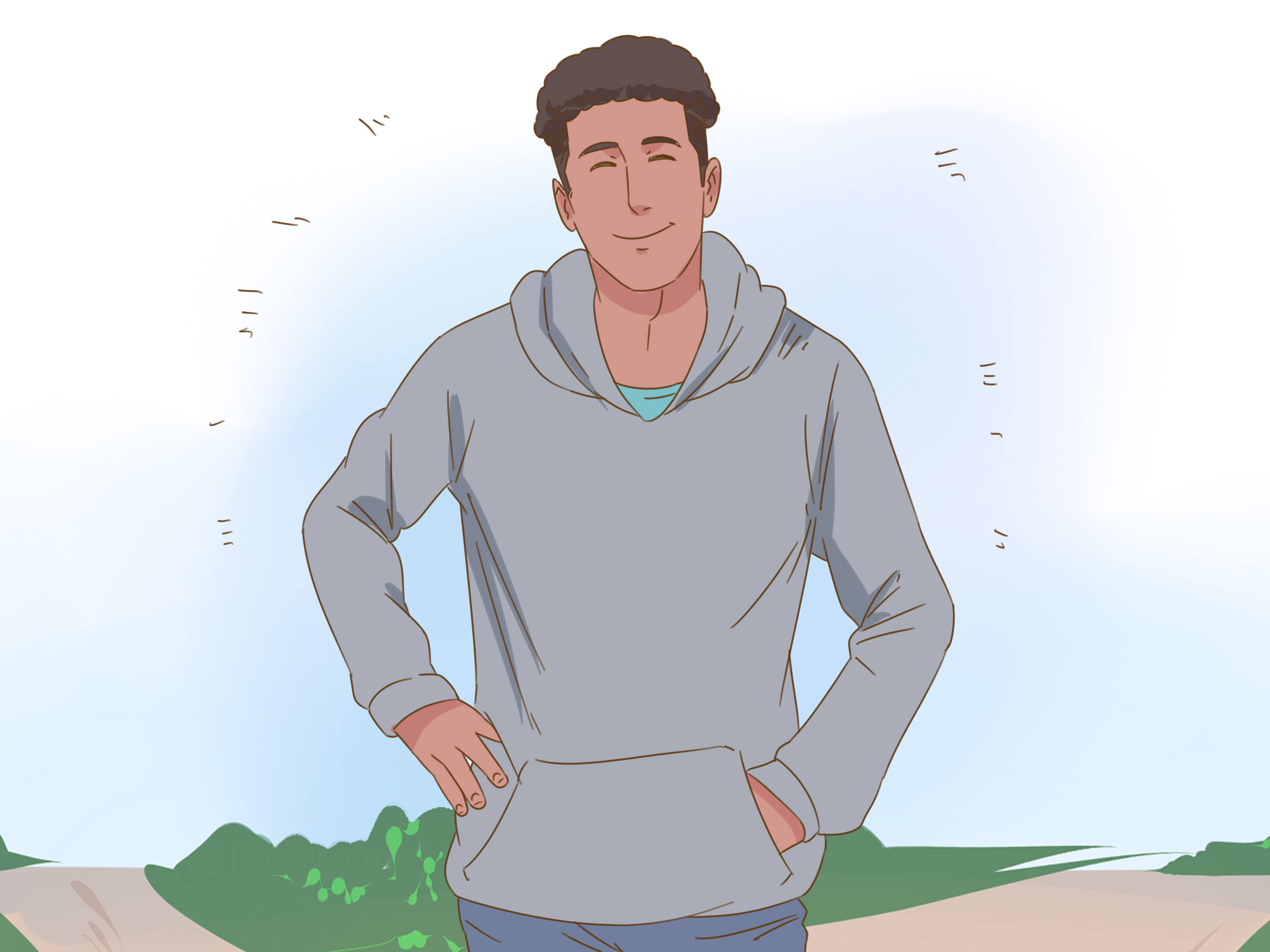
True confidence is not arrogance. Arrogance says, “You would be lucky to have me.” Confidence says, “I like who I am, and I would enjoy getting to know you.” That difference is huge. Confidence makes people feel invited; arrogance makes them look for the nearest exit.
Build confidence by developing your own life. Keep your friendships, hobbies, goals, and routines. Do things that make you proud of yourself. When your happiness does not depend entirely on one person liking you back, you become more relaxedand much more attractive. Desperation has a smell, and unfortunately it is not sandalwood.
Give Genuine Compliments
A thoughtful compliment can create a spark, especially when it goes beyond appearance. Instead of only saying, “You look nice,” try something more specific: “I like how passionate you get when you talk about your work,” or “You have a really calming way of explaining things.” Specific compliments feel more personal because they show you are paying attention.
That said, do not bury someone under compliments like emotional confetti. Too many compliments too soon can feel intense or strategic. Offer them naturally, then move on. A compliment should be a gift, not a fishing hook.
Flirt Lightly and Watch Their Response
Healthy flirting is playful, respectful, and responsive. You might hold eye contact a little longer, smile, use a light teasing tone, or say something like, “I was hoping you’d be here.” Then pay attention. Do they smile, lean in, continue the conversation, or flirt back? Good sign. Do they give short answers, look uncomfortable, or create distance? Step back.
Attraction requires consent at every stagenot just in physical situations, but emotionally too. Someone’s comfort is more important than your romantic plan. If they are not responding warmly, do not try to “win them over” through persistence. Persistence is romantic in movies because the script says so. In real life, respect is hotter.
Create Opportunities for Shared Experiences
Shared experiences help people bond. Invite them into simple, low-pressure situations: coffee after class, a group hangout, a walk, a bookstore visit, a casual lunch, or an event connected to something they enjoy. If you know they like live music, you might say, “A few of us are checking out a local band Friday. You should come if you’re free.”
Group settings can be especially useful early on because they reduce pressure. They let the other person see how you treat friends, handle conversation, and behave when you are not in “please like me” mode. Often, attraction grows when someone sees you being naturally kind, funny, and confident around others.
What Not to Do When You Want Someone to Like You
Knowing what to avoid is just as important as knowing what to do. Attraction can fade quickly if someone feels manipulated, rushed, or placed on a pedestal so high they need oxygen.
Do Not Pretend to Be Someone Else
It is tempting to become whatever you think your crush wants. If they love hiking, suddenly you are “basically a mountain person,” despite considering stairs a hostile environment. If they love jazz, you nod wisely while secretly wondering when the song starts. But fake compatibility does not build real attraction. It builds anxiety, because eventually you have to keep performing.
Instead, be open to their interests without lying. You can say, “I’ve never been into that, but I’d like to understand why you love it.” That is honest, curious, and far more attractive than pretending to be an expert.
Do Not Overtext or Overanalyze
Texting can help connection grow, but it can also become a tiny glowing trap. If you send five messages before they answer, analyze punctuation like ancient scripture, or panic because they used “haha” instead of “hahaha,” take a breath. People have jobs, classes, families, errands, and occasionally the need to stare into the fridge for no reason.
Match their energy. If they respond thoughtfully, continue. If they are slow but engaged, be patient. If they seem uninterested, do not chase. Your self-respect should not depend on read receipts.
Do Not Confuse Kindness With Romantic Interest
Some people are naturally warm. They smile, ask questions, and remember details because they are decent humans, not because they are secretly planning your wedding playlist. Enjoy kindness, but do not assume it equals attraction. Look for patterns: do they seek you out, make time, ask personal questions, flirt back, or suggest plans? Mutual effort matters.
How to Know If a Crush Might Be Growing
You cannot read someone’s mind, but you can observe behavior. A person may be developing interest if they initiate conversations, remember small details, find reasons to be near you, respond warmly to light flirting, ask about your life, laugh easily with you, or make plans to spend time together. None of these signs is proof on its own, but together they can suggest growing attraction.
Also notice how you feel around them. Do you feel relaxed, respected, and able to be yourself? Or do you feel like you are auditioning for a role called “Perfect Romantic Candidate Number Three”? The right connection should not require you to abandon your personality at the door.
When to Be Direct
Eventually, if the connection feels warm and mutual, directness is your friend. You do not need a dramatic confession under stormy skies. Keep it simple: “I like talking with you, and I’d love to take you out sometime if you’re interested.” This gives the other person room to say yes, no, or think about it.
If they say yes, great. If they say no, respect it gracefully. A calm response like, “No worries. I appreciate you being honest,” shows maturity. Rejection stings, but handling it well protects your dignity and the other person’s comfort. Plus, it proves you were interested in them as a person, not just as a prize.
Real-Life Experiences: What Actually Helps Attraction Grow
In real life, crushes often develop in quieter ways than people expect. Many people can remember someone they did not immediately see romantically, but who slowly became attractive because of how they behaved. Maybe they were consistently kind. Maybe they listened carefully. Maybe they had a dry sense of humor that arrived five seconds late and somehow made everything funnier. Attraction often sneaks in wearing sneakers, not a tuxedo.
One common experience is the “comfortable conversation” effect. Imagine two coworkers who begin by chatting about ordinary things: lunch, weekend plans, a confusing meeting that could have been an email. Over time, one person starts remembering details: “Did your sister’s interview go well?” or “You said you were trying that new ramen placewas it worth the hype?” These tiny moments matter because they show attention. Not dramatic attention. Not “I wrote your name in fireworks” attention. Just human attention. That is often what makes someone feel special.
Another real-world pattern is attraction through shared effort. Maybe two people volunteer at the same event, work on a class project, join a sports league, or help organize a friend’s birthday. Seeing someone solve problems, encourage others, stay calm under pressure, or laugh when things go sideways can be surprisingly attractive. It shows character. A person who is kind to the waiter, patient with a stressed friend, and able to laugh when the cupcakes collapse has already passed several unofficial dating exams.
There is also the experience of emotional pacing. Many successful connections do not begin with intense flirting. They begin with safety. One person shares a small worry, and the other responds with care instead of judgment. Later, the sharing deepens. Trust grows. Eventually, someone realizes they are looking forward to the next conversation more than usual. This is how a crush can grow from emotional warmth rather than instant chemistry.
However, experience also teaches an important lesson: attraction cannot be negotiated into existence. You may do everything “right” and still not be the person they want romantically. That does not mean you failed. It means chemistry is mutual or it is not. The healthiest people do not try to force affection; they create honest opportunities for connection and accept the answer they receive.
The best strategy, then, is not to become irresistible to one specific person at any cost. It is to become more genuinely yourself: socially confident, emotionally aware, respectful, curious, and fun to be around. That version of you has a much better chance of attracting the right personand, even better, you do not have to exhaust yourself pretending.
Conclusion
Having someone develop a crush on you is not about manipulation, secret formulas, or pretending to be flawless. It is about creating the right conditions for attraction: familiarity, emotional connection, confidence, respect, and shared enjoyment. Be present. Ask good questions. Listen closely. Show interest without pressure. Compliment sincerely. Flirt lightly. Respect boundaries. Then let the other person choose freely.
The most attractive version of you is not the one performing for approval. It is the one who is comfortable enough to be real and mature enough to accept reality. That combination is rare, refreshing, and far more powerful than any pickup line you found at 1:00 a.m. on the internet.