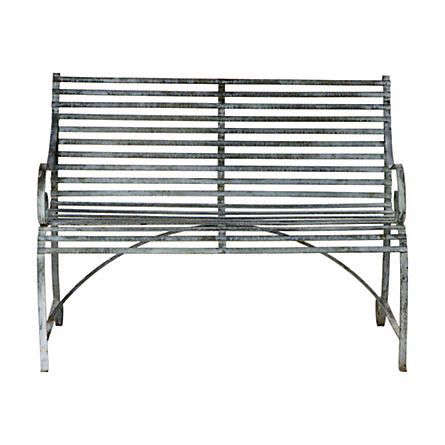
An ironwork garden bench is one of those rare outdoor pieces that manages to be both practical and a little dramatic. It gives your yard a place to sit, sip, think, read, or pretend you are the kind of person who casually reflects on roses at sunset. In reality, you may just be hiding from your phone for ten minutes. Either way, a good ironwork garden bench earns its keep.
Part of the appeal is visual. Ironwork has that classic, scroll-filled, old-world charm that instantly makes a garden feel more established. Even in a newer backyard, it can create the illusion that the space has a story. And unlike flimsy furniture that starts wobbling after two summers and one bad decision involving a bargain bin, an iron bench tends to feel substantial, permanent, and grounded.
That weight and strength are exactly why so many homeowners use an ironwork garden bench as a focal point. It can anchor a gravel path, define a quiet nook under a tree, or give structure to a flower border that otherwise feels like it is improvising. A bench is not just seating. In a well-planned landscape, it is punctuation. It tells the eye where to pause.
Of course, beauty alone is not enough. Outdoor furniture has to survive sun, rain, pollen, leaves, humidity, and the occasional squirrel with too much confidence. That is where the conversation gets interesting. A quality ironwork garden bench is durable and stylish, but it also needs thoughtful placement, seasonal care, and a little rust prevention if you want it looking charming instead of haunted.
This guide covers what makes an ironwork garden bench special, where it works best, how to style it, what to look for before buying, and how to maintain it without turning your weekends into a full-time restoration documentary.
What Is an Ironwork Garden Bench, Exactly?
The phrase “ironwork garden bench” usually refers to an outdoor bench made from wrought-style iron or iron-look metal with decorative detailing. Think curved arms, lattice backs, scrolling patterns, floral motifs, or elegantly simple lines that still look like they belong in a garden rather than a break room. Some benches are fully metal. Others combine an iron frame with wood slats for a softer look and a slightly warmer seat.
What people love most about this style is the balance between ornament and function. An ironwork bench can feel refined without being precious. It looks at home in formal landscapes, cottage gardens, courtyard patios, English-inspired spaces, and even modern yards that need a single classic note to stop everything from feeling too sleek.
Another selling point is durability. Iron-style benches are known for strength and stability, and their heavier frames make them well suited for permanent outdoor placement. That sturdiness is helpful in windy areas and in larger landscapes where furniture should feel like part of the setting, not like it may scoot across the patio in a dramatic weather event.
Why Homeowners Love the Ironwork Look
Timeless character
Trends come and go. One year everything is coastal minimalism, the next year everyone wants their patio to resemble a boutique hotel in the desert. An ironwork garden bench ignores all that and calmly continues being elegant. It works because it has history in its design language. Curves, scrolls, and metal detailing bring a sense of craftsmanship that never feels disposable.
Visual weight
In landscape design, visual weight matters. A bench with an iron frame has presence. It can hold its own near stone pathways, brick walls, trellises, arbors, and mature plantings. If your garden has texture and depth, an ironwork bench usually complements it better than lightweight plastic or overly casual seating.
Long-term value
While cheaper seating often needs replacing after a few seasons, an iron bench can last much longer when the finish is maintained. That makes it attractive for homeowners who want fewer throwaway purchases and more pieces that settle into the landscape over time.
Best Places to Put an Ironwork Garden Bench
A beautiful bench in the wrong place is just very committed clutter. Placement matters. The best garden benches are positioned where they have a purpose, a view, or both.
At the end of a path
A bench placed at the end of a walkway creates a destination. It invites movement through the garden and rewards that movement with a place to stop. This works especially well with gravel paths, brick walkways, or curving garden routes where the bench becomes a visual payoff.
In a hidden corner
If you have a tucked-away section of the yard, an ironwork garden bench can turn it into a retreat. Add layered planting around it, keep enough open space for access, and suddenly you have a reading nook that feels intentional instead of leftover. This is where ironwork shines. It adds romance without trying too hard.
Under a tree or arbor
Shade makes a bench more usable, especially in hot climates. A canopy tree, pergola, or arbor overhead can make the seat feel sheltered and calm. Just be mindful of moisture, leaf buildup, and sap. Nature is lovely, but nature is also messy and has no respect for your finish.
Along a border or wall
An iron bench set against a hedge, fence, brick wall, or tall planting bed can define an outdoor room. It also gives the space a strong edge, which is useful in landscapes that need more structure. This setup works well in formal gardens, side yards, and small patios.
Facing something worth seeing
This may sound obvious, but many benches fail because they face nothing interesting. A bench should look toward a view, fountain, specimen plant, birdbath, vegetable bed, or favorite part of the yard. If the only sightline is the neighbor’s recycling bin, the mood suffers.
How to Style an Ironwork Garden Bench
An ironwork garden bench already has personality, so styling should support it, not wrestle with it. The goal is to make the bench feel integrated with the landscape.
Use cushions strategically
A bench cushion softens the seat and makes the bench more inviting. Choose outdoor-rated fabrics designed to resist moisture and fading. For a classic look, go with stripes, solids, or subtle botanicals. For a cottage garden, florals can work beautifully. For a modern patio, charcoal, cream, sage, or muted blue keeps things polished.
Add surrounding texture
Ironwork looks especially good near texture-rich materials: gravel, brick, flagstone, climbing vines, clipped hedges, lavender, ornamental grasses, and roses. The contrast between hard metal and soft planting is part of the magic. If the bench feels too stark, nearby greenery fixes that in a hurry.
Pair with containers
Large planters on one or both sides can frame the bench and make it feel placed with purpose. This is especially useful on patios or courtyards where the bench might otherwise look like it was parked there mid-conversation and never moved again.
Keep scale in mind
A delicate, scroll-heavy bench can disappear in a huge yard if it is not grounded by nearby elements. Likewise, an oversized bench can dominate a tiny garden. Choose a size that fits the scale of the surrounding landscape and leaves enough room for comfortable access.
What to Look for Before Buying
Construction quality
Look for sturdy joinery, stable legs, and an even finish. If the bench rocks before anyone sits on it, imagine how it will behave after a season outside. Not gracefully.
Protective finish
Powder-coated or otherwise weather-protective finishes help prevent rust and corrosion. They are especially important in humid, rainy, or coastal conditions. A bench with a good protective coating will generally need less frequent touch-up work.
Comfort
Iron benches win beauty contests all the time, but comfort varies. Check seat depth, back angle, arm height, and whether the design has enough give visually and physically for real sitting. A bench that looks regal but feels like a geometry lesson may not get much use.
Weight and permanence
Heavy is usually a plus with ironwork, but think about how permanent you want the placement to be. If you like rearranging your patio every season, a massive iron bench may test both your decorating spirit and your lower back.
How to Care for an Ironwork Garden Bench
This is the part where many lovely benches either remain lovely or begin auditioning for a ghost garden. Fortunately, care is straightforward if you stay ahead of damage.
Clean it gently
Routine cleaning usually requires no drama. A garden hose, mild dish soap, water, and a soft cloth or brush will handle ordinary dirt, pollen, and grime. Avoid aggressive pressure washing on finished furniture, since strong force can damage coatings and shorten the life of the surface.
Watch for rust early
Small rust spots are much easier to deal with than widespread corrosion. Check joints, decorative crevices, underside edges, and any spot where the finish has chipped. If rust appears, remove loose material with a wire brush or sandpaper, clean the area thoroughly, and address it before it spreads.
Repaint when needed
If the finish starts failing, refinish the bench properly. That usually means removing loose rust, sanding affected areas, applying a rust-inhibiting primer, repainting with metal-safe outdoor paint, and finishing with a protective sealer when appropriate. Thin, even coats usually perform better than one heroic coat applied with blind optimism.
Keep it dry when possible
Moisture is iron’s least favorite houseguest because it never leaves quietly. After rain, letting the bench dry fully matters. In wet seasons, wipe standing water from the seat and crevices if you can. In winter or extended off-seasons, store the bench in a dry shed or garage when practical.
Use covers carefully
Furniture covers can help, but bad covers create their own problems. Non-vented or overly tight covers may trap condensation, and covers that wick water up from the ground can increase rust risk. If you use a cover, make sure the bench is dry first and choose one that allows airflow.
Ironwork Garden Bench Ideas for Different Styles
Cottage garden
Choose a bench with scrollwork, curved arms, and a dark finish. Place it among roses, foxgloves, salvia, and lavender. Let plants soften the edges so the bench feels discovered rather than staged.
Formal garden
Use symmetry. An ironwork garden bench can sit centered on a path axis, aligned with a fountain, or backed by clipped hedges. Clean lines and repetition make the bench feel intentional and elegant.
Modern classic patio
Pair a simple black iron bench with large planters, pale stone, and restrained greenery. The bench brings texture and history while the rest of the space stays uncluttered.
Small backyard
In compact spaces, one bench can do more than multiple chairs. It provides seating without breaking up the layout visually. Tuck it against a wall, fence, or planting edge and use containers to add softness.
Is an Ironwork Garden Bench Right for You?
If you want lightweight furniture you can move every weekend, maybe not. If you want a bench that feels rooted, elegant, and capable of elevating the entire garden, then yes, an ironwork garden bench is a strong choice. It is especially appealing for homeowners who value classic design, long-term durability, and outdoor spaces that feel thoughtfully composed rather than randomly furnished.
The key is to think beyond the bench itself. Consider the surrounding view, the scale of your landscape, the local climate, and how much seasonal care you are realistically willing to do. A bench should make outdoor life easier and more beautiful, not become a guilt project you avoid making eye contact with.
Done right, an ironwork garden bench becomes more than furniture. It becomes part of the atmosphere. It is where the yard settles down, where the eye lands, and where people naturally pause. That is a lot of work for one bench, but the good ones are overachievers.
Experiences with an Ironwork Garden Bench
The best thing about an ironwork garden bench is that it tends to become important in ways you do not predict when you first set it down. At first, it is just a purchase. A sensible, attractive, maybe slightly indulgent purchase. You place it in the garden, step back, nod approvingly, and think, “Excellent. I am now the kind of person who owns proper outdoor seating.” Then life starts happening around it.
In spring, the bench often becomes the first place where the season feels real. You sit there with coffee and notice what survived winter, what is budding, and which plant has once again decided that personal boundaries are optional. The iron feels cool in the morning air, the birds are louder than necessary, and the whole yard seems more organized simply because there is a place to sit and look at it.
In summer, the bench turns into a social object. Someone always gravitates to it during a cookout. Kids use it as a halfway station between games. A neighbor pauses by the fence and ends up talking longer than planned. A cushion appears. Then another. Suddenly the bench is not just decor. It is part of the traffic pattern of the yard.
There is also something deeply satisfying about the visual aging of a well-kept ironwork bench. Not neglect, not rust flakes the size of cornflakes, but the mellowing that happens when a piece truly belongs to a place. The bench starts looking less like it was delivered and more like it has always been there, quietly supervising hydrangeas.
For many people, the most memorable moments are the ordinary ones. Reading outside while the laundry spins. Cooling off after mowing. Sitting down after planting herbs and realizing that five minutes of “resting” has become thirty minutes of thinking about everything and nothing. A garden bench is good at holding those small pauses. It does not demand an event. It just makes one possible.
There is humor in owning one, too. You buy an ironwork garden bench for elegance, and then discover its second job is catching seed packets, gardening gloves, pruners, and the occasional bewildered cat. It is refined, yes, but it is also living in the real world. That blend of beauty and usefulness is probably why the style lasts.
If you choose well and maintain it sensibly, an ironwork garden bench can become one of the most personal things in the yard. Not because it shouts for attention, but because it quietly witnesses the seasons with you. It sees the first tulips, the July heat, the falling leaves, and the moment you decide next year you are absolutely reducing the number of containers you own. You will not reduce them, of course. The bench knows this.
And that may be the real appeal. A bench like this helps a garden feel lived in. Not just landscaped. Not just decorated. Lived in. That is a different kind of beauty, and it is the kind that lasts.