Note: This article is written for informational publishing purposes and synthesizes current public economic data from official U.S. agencies, major economic institutions, and reputable financial research sources. It is not investment, tax, or legal advice.
The U.S. economy has spent the past few years circling the runway like a plane whose pilot calmly says, “We’re beginning our descent,” while passengers notice one engine sounds a little spicy. Inflation has cooled from its worst levels, jobs are still being created, consumers are still spending, and recession has repeatedly failed to arrive on schedule. Yet prices remain uncomfortable, interest rates are still restrictive, housing is cranky, and confidence surveys suggest many households are not exactly throwing confetti.
So, what kind of landing are we going to get in the economy? A soft landing? A hard landing? A “no landing” where growth stays hot and inflation refuses to behave? Or something less cinematic: a bumpy landing, where the plane touches down, bounces once, rattles the drink cart, and still makes it safely to the gate?
Based on the latest economic signals, the most reasonable answer is this: the U.S. economy looks more likely to experience a bumpy soft landing than a classic recessionary hard landing. Growth is not collapsing. The labor market is not in free fall. Consumers are bruised but still active. However, inflation, energy prices, policy uncertainty, high borrowing costs, and uneven job gains make this landing far from smooth.
What Economists Mean by an Economic “Landing”
In plain English, an economic landing describes what happens after the Federal Reserve raises interest rates to slow inflation. The central bank wants demand to cool enough that prices stop rising too quickly, but not so much that businesses slash jobs, households stop spending, and the economy tips into recession.
Soft Landing
A soft landing happens when inflation comes down while economic growth continues and unemployment rises only modestly. It is the economic version of parallel parking perfectly on the first try: rare, impressive, and likely to make everyone nearby pretend they were not watching.
Hard Landing
A hard landing occurs when tight monetary policy, weak demand, or an external shock pushes the economy into recession. Businesses cut investment, layoffs rise, consumers pull back, credit tightens, and the mood turns from “maybe we should be careful” to “who approved this budget?”
No Landing
A no-landing scenario means the economy does not slow much at all. Growth remains strong, the labor market stays tight, and inflation remains too hot for comfort. That may sound good at first, but it can force the Federal Reserve to keep interest rates higher for longer, increasing the risk of a more painful slowdown later.
Bumpy Landing
The bumpy landing is the messy middle. Growth continues, but unevenly. Inflation improves, then flares up. Jobs grow, but not across every industry. Consumers spend, but complain loudly while doing it. Housing improves in one corner and stalls in another. This is where the U.S. economy appears to be right now.
The Current U.S. Economy: Stronger Than It Feels, Weaker Than It Looks
One reason the economic landing debate is so confusing is that the data are sending mixed signals. Gross domestic product grew at a 2.0% annualized pace in the first quarter of 2026, improving from the previous quarter. That is not recession territory. It suggests the economy still has forward motion, powered by investment, exports, government spending, and continued consumer activity.
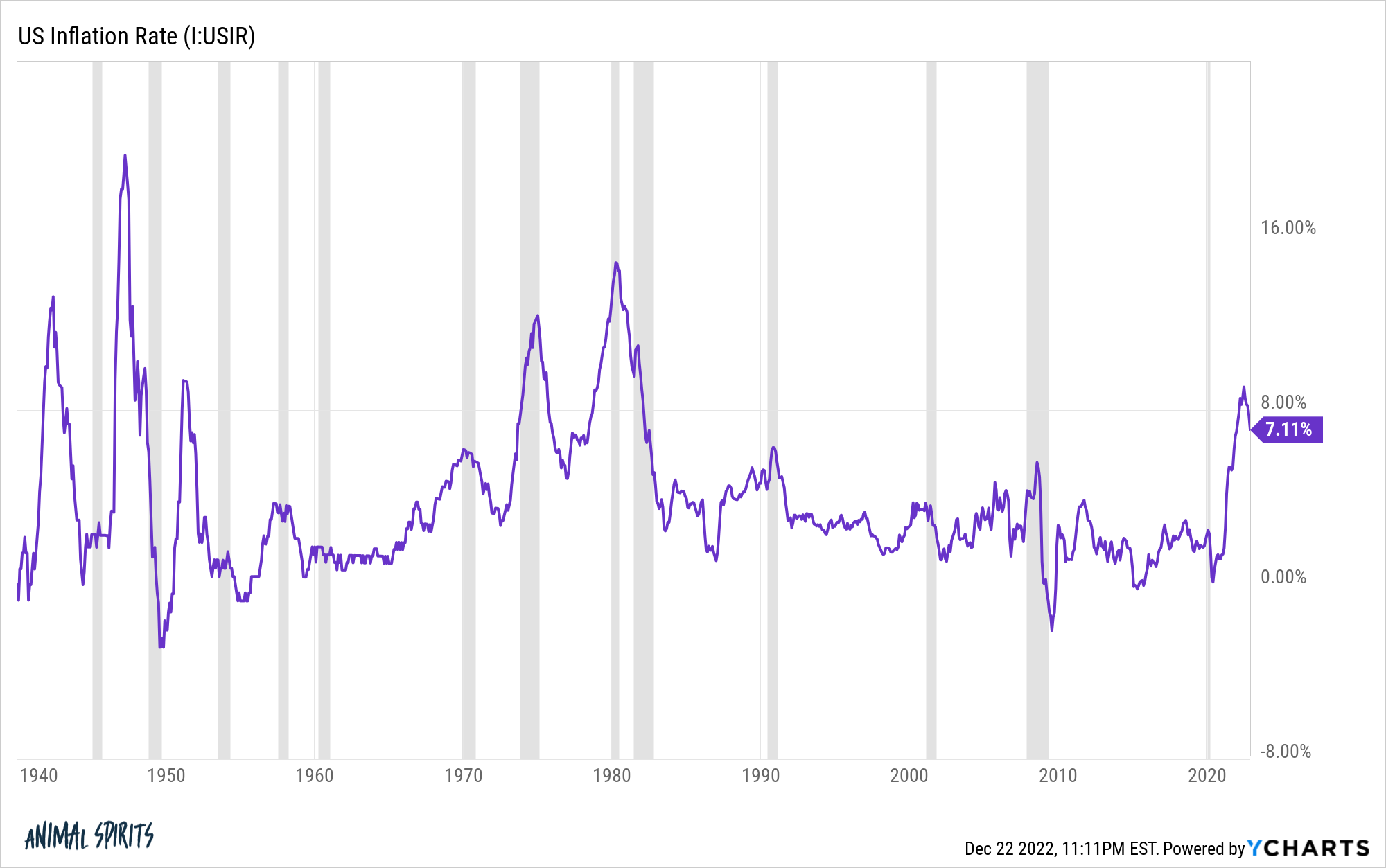
At the same time, households are not imagining the pressure. Inflation has reaccelerated in key measures, especially because of energy costs. The Consumer Price Index rose 3.3% over the year ending in March 2026, while the Federal Reserve’s preferred Personal Consumption Expenditures price index rose 3.5% year over year. That is still above the Fed’s 2% goal. Translation: inflation is no longer the wild raccoon in the kitchen, but it is still in the house, and it may have found the snacks.
The labor market is also giving both optimists and pessimists something to quote. Employers added 115,000 jobs in April 2026, and the unemployment rate held at 4.3%. Those numbers point to resilience. But job growth has become narrower, with health care, transportation, warehousing, and retail doing much of the heavy lifting. Federal government employment continued to decline, and more people reported working part time for economic reasons. That is not a red-alert recession signal, but it is a yellow light.
Why a Soft Landing Is Still Possible
The case for a soft landing begins with one simple fact: the economy has slowed without breaking. That matters. Historically, when inflation is high and the Federal Reserve raises rates aggressively, recession risk tends to rise. Yet this cycle has been unusual. Households entered the period with some balance-sheet strength, businesses adapted to higher rates, and demand remained firmer than many forecasters expected.
Growth Has Not Disappeared
Real GDP growth of 2.0% in the first quarter of 2026 shows that the economy is still expanding. The Atlanta Fed’s GDPNow model, while not an official forecast, estimated even stronger growth for the second quarter as of early May. That does not guarantee a boom, but it weakens the argument that the economy is already rolling into a ditch.
Business investment has also played an important role. Spending tied to artificial intelligence, data centers, software, logistics, and productivity tools has helped support growth even as some traditional interest-rate-sensitive sectors have cooled. The AI boom is not magic fairy dust, but it has become a real source of capital spending.
Consumers Are Still Spending
Retail and food services sales rose in March 2026, helped partly by higher gasoline receipts and tax refund effects. Even when consumers say they feel awful, many continue to spend on necessities, services, travel, health care, and selected discretionary items. This gap between “how people feel” and “what people do” has been one of the defining quirks of the post-pandemic economy.
Still, spending quality matters. If retail sales rise mainly because gasoline costs more, that is not the same as households happily buying furniture, appliances, and birthday gifts for the dog. Higher fuel costs can crowd out other purchases, especially for middle-income and lower-income families.
Layoffs Remain Contained
The labor market is cooler, but it has not cracked. Unemployment at 4.3% is higher than the ultra-tight labor market of earlier years, but it remains low by long-term historical standards. A soft landing does not require zero pain. It requires avoiding a self-reinforcing layoff cycle, where job losses reduce income, lower income cuts spending, weaker spending causes more layoffs, and everyone suddenly becomes an expert in recession charts.
Why a Hard Landing Cannot Be Ruled Out
The hard-landing argument deserves respect because economic slowdowns often look manageable until they do not. Recessions are like roof leaks: at first it is just a spot on the ceiling, and then suddenly someone is holding a bucket during dinner.
Inflation Is Still Too Sticky
Inflation remains the biggest obstacle to a clean landing. The Fed wants inflation around 2% over time, but recent CPI and PCE readings are still above that target. Energy prices have added fresh pressure, and tariffs, supply chain tensions, insurance costs, services inflation, and housing-related expenses can keep inflation from falling in a straight line.
If inflation stays elevated, the Fed may keep interest rates high for longer. That can squeeze small businesses, commercial real estate, homebuyers, credit-card borrowers, and companies that need to refinance debt. Monetary policy works with long and variable lags, which is economist-speak for “the bill may arrive after everyone has already ordered dessert.”
Consumers Are Losing Confidence
Consumer sentiment has fallen sharply, with households increasingly worried about gasoline prices, inflation, job security, and the general direction of the economy. Low confidence does not automatically cause a recession, but it can change behavior. Families may delay car purchases, cancel vacations, postpone home improvements, or trade down at the grocery store.
The risk is not that every consumer stops spending at once. The risk is gradual caution. One household skips a big purchase. Another stops eating out twice a week. A third delays replacing an aging refrigerator and decides the freezer’s mysterious noise is “probably character.” Add millions of small decisions together, and growth can slow quickly.
Housing Is Still Under Pressure
The housing market remains one of the clearest examples of a bumpy landing. Existing-home sales fell in March 2026, while mortgage rates remained high enough to discourage many buyers. Inventory has improved in some areas, but affordability is still strained by home prices, borrowing costs, insurance premiums, taxes, and maintenance expenses.
Housing matters because it touches many parts of the economy: construction, furniture, appliances, moving services, local tax revenue, mortgage finance, and consumer wealth. A sluggish housing market does not automatically mean recession, but it removes one of the economy’s usual engines.
The “No Landing” Scenario: Growth Too Hot for Comfort
A no-landing economy would mean growth stays strong enough that inflation remains stubborn. This scenario has become more plausible at times because consumers and businesses have repeatedly shown more stamina than expected. If AI investment continues to boom, government spending remains supportive, and households keep spending despite higher prices, the economy could avoid a meaningful slowdown.
The problem is that no landing can be a setup for turbulence later. If inflation does not move convincingly toward 2%, the Fed may delay rate cuts or even signal a tougher stance. That would keep financial conditions tight. A no-landing outcome may feel good in the short run, especially for profits and employment, but it can increase the odds of a harder landing down the road.
In other words, no landing is not the plane soaring majestically forever. It is more like the pilot saying, “Actually, we are going to circle a bit longer,” while everyone wonders whether the fuel gauge is part of the vibe.
The Most Likely Outcome: A Bumpy Soft Landing
The best reading of the current data is that the U.S. economy is headed for a bumpy soft landing. Growth is positive, but not evenly distributed. Inflation is lower than its peak, but still too high. Jobs are being added, but the labor market is less broad-based. Consumers are spending, but confidence is weak. Housing is not collapsing, but affordability remains a major drag.
This landing may include several uncomfortable features:
- Slower job growth in white-collar, government, manufacturing, and interest-rate-sensitive sectors.
- Continued strength in health care, logistics, retail essentials, technology infrastructure, and selected services.
- Inflation that improves in some categories but remains sticky in energy, insurance, housing, and services.
- A Federal Reserve that stays cautious rather than rushing into aggressive rate cuts.
- Consumers who keep spending but become more selective, price-sensitive, and debt-aware.
This is not the elegant soft landing of economic textbooks. It is more like landing at a windy airport where everyone claps mostly because the bouncing stopped. But compared with a recessionary hard landing, it is still a favorable outcome.
Key Signals to Watch Next
1. Inflation Expectations
If consumers and businesses believe inflation will stay high, they behave in ways that can make it harder to defeat. Workers ask for bigger raises, companies raise prices preemptively, and the Fed gets nervous. Stable long-term inflation expectations are essential for a soft landing.
2. Jobless Claims and Layoffs
Monthly payroll gains are important, but layoffs and unemployment claims can reveal whether weakness is spreading. A gradual cooling labor market is manageable. A rapid rise in layoffs would change the landing story quickly.
3. Real Consumer Spending
Nominal spending can look strong when prices are rising. Real spending, adjusted for inflation, gives a clearer picture of whether households are actually buying more or simply paying more.
4. Credit Stress
Credit card delinquencies, auto loan stress, small-business loan performance, and refinancing trouble can reveal how higher rates are affecting the real economy. Credit is the economy’s plumbing; when it clogs, everyone notices.
5. Housing Activity
Existing-home sales, new-home sales, mortgage rates, builder sentiment, and inventory levels will help show whether housing remains a drag or begins to recover. A healthier housing market would make a soft landing much easier.
What This Economy Means for Businesses
For businesses, a bumpy soft landing calls for balance. Companies should not behave as if a deep recession is guaranteed, but they also should not assume customers will absorb every price increase with a smile and a rewards-card swipe.
Smart businesses are focusing on cash flow, pricing discipline, productivity, customer retention, and flexible hiring. They are also reviewing supply chains and financing costs. In a higher-rate environment, growth funded by cheap debt is less attractive. Efficiency matters again. The free-money era has left the building, and it did not leave a forwarding address.
At the same time, businesses should avoid overreacting. Cutting too deeply can damage service quality, employee morale, and long-term competitiveness. A soft landing rewards companies that stay cautious but not frozen.
What This Economy Means for Households
For households, the current economy rewards preparation. That means reducing high-interest debt, building emergency savings when possible, comparison shopping for insurance and major purchases, and being careful with big financial commitments. It also means recognizing that the job market is still functioning but less forgiving than it was during the hottest hiring period.
Workers may need to be more strategic. Updating skills, maintaining professional networks, and staying alert to industry shifts can matter more in a low-hire environment. The best time to strengthen your career parachute is before anyone says, “Please step into this surprise restructuring meeting.”
Experience-Based Perspective: What This Landing Feels Like in Real Life
Economic landings are usually described with charts, forecasts, and central bank language, but ordinary people experience them in much more practical ways. A household does not say, “Our real purchasing power has been impaired by elevated services inflation.” It says, “Why did this grocery bag cost $84 and still somehow not include dinner?” That difference matters because the emotional economy often moves before the spreadsheet economy catches up.
In real life, a bumpy landing feels like contradiction. A small-business owner may still have customers, but those customers ask more questions before buying. A restaurant may stay busy on weekends but see softer weekday traffic. A contractor may have work booked, but homeowners choose repairs over remodels. A family may keep taking summer trips, but they drive instead of fly, pack snacks instead of stopping twice, and suddenly become very serious about hotel breakfast being included.
For workers, this economy can feel stable and insecure at the same time. Many people still have jobs, and wages are still rising in several sectors. Yet hiring feels slower, promotions may take longer, and companies are more careful about adding headcount. The labor market is not frozen, but it is no longer handing out offers like parade candy. That creates a subtle shift in behavior. People stay in roles they might have left two years ago. They negotiate less aggressively. They watch colleagues in other industries and think, “Maybe I should update my resume, just in case.”
For shoppers, the biggest experience is price fatigue. Inflation does not need to be at crisis levels to feel exhausting. When prices rise quickly, then stop rising as fast, many households are still stuck with the higher level. Slower inflation is good news, but it does not mean prices go back to 2019. This is why the official data can say inflation is improving while consumers remain grumpy. Both can be true. The fever may be down, but the patient still remembers the ambulance bill.
For homeowners and would-be buyers, the landing feels especially uneven. Existing homeowners with low mortgage rates may feel locked in, reluctant to sell because buying another home means taking on a much higher payment. First-time buyers face high prices, high rates, insurance costs, and limited affordable inventory. Builders may offer incentives on new homes, but not every buyer wants or can access those communities. The result is a housing market that moves, but slowly, like a shopping cart with one stubborn wheel.
Investors and retirees experience another version of the same tension. Higher interest rates can make savings accounts, money market funds, and bonds more attractive, which is a nice change after years of tiny yields. But higher rates can also pressure stock valuations, real estate, and borrowing costs. Market optimism around AI and productivity gains may support portfolios, but that optimism can reverse quickly if earnings disappoint or capital spending looks overdone.
The most practical lesson from this kind of economy is not panic; it is flexibility. Households benefit from having a cash cushion, reducing expensive debt, and making big purchases with realistic assumptions. Businesses benefit from protecting margins without alienating customers. Workers benefit from staying employable, not just employed. Policymakers benefit from humility, because this cycle has already embarrassed plenty of confident forecasts.
So what kind of landing are we going to get? Probably not a crash. Probably not a flawless touchdown either. The lived experience points to a bumpy soft landing: slower in some places, resilient in others, uncomfortable for many, but still navigable. The economy is descending, yes. The seatbelt sign is definitely on. But for now, the runway is visible.
Conclusion: The Economy Is Landing, But Keep Your Seatbelt Fastened
The U.S. economy appears most likely to get a bumpy soft landing. Growth remains positive, job creation continues, and businesses are still investing. However, inflation is not fully defeated, consumers are uneasy, housing remains strained, and higher interest rates continue to work through the system.
The next phase will depend on whether inflation resumes its downward trend without forcing the Federal Reserve to keep policy tight for too long. It will also depend on whether the labor market cools gradually or suddenly, whether energy prices stabilize, and whether consumers continue spending enough to support growth without reigniting price pressures.
A soft landing is still within reach. But it may not feel soft to everyone. For many households and businesses, this economy feels less like a luxury aircraft gliding onto a runway and more like a budget flight landing in crosswinds while someone’s suitcase pops open overhead. Still, if the economy avoids recession, keeps unemployment contained, and brings inflation closer to target, that counts as a successful landingeven if the applause is nervous.