There are two kinds of people in the world: people who make their bed by gently smoothing the blanket and calling it “good enough,” and people who know how to make a hospital corner. The second group may not actually sleep better because of one folded corner, but they do get to look at a bed so crisp it practically salutes them in the morning.
Learning how to make a hospital corner is one of those small household skills that feels strangely powerful. It turns a loose, floppy top sheet into a clean, structured, hotel-style bed. It helps sheets stay tucked in, keeps the bottom of the bed neat, and gives your bedroom that “someone responsible lives here” lookeven if there is a laundry chair quietly judging you in the corner.
The good news? Hospital corners are not complicated. You do not need military training, professional housekeeping experience, or a mattress that weighs less than your life decisions. You only need a flat sheet, a bed, and a few simple folding steps.
What Is a Hospital Corner?
A hospital corner is a tight, angled fold used to secure a flat sheet or blanket under a mattress. The fold creates a sharp diagonal line at the foot of the bed, usually around a 45-degree angle, which helps the fabric lie flat and stay in place. It is commonly used in hospitals, hotels, dorms, military settings, and carefully styled bedrooms where chaos is not invited to the party.
The method works because it controls the extra fabric at the corner. Instead of bunching the sheet under the mattress like a secret fabric burrito, you fold the material into a clean triangular flap, tuck one section under the mattress, then fold the remaining flap down and secure it. The result is smooth, firm, and satisfyingly tidy.
Why Hospital Corners Are Worth Learning
They Keep Sheets Tucked In
A loose top sheet has one mission: escape. It slides, twists, gathers around your ankles, and somehow ends up halfway down the bed by morning. Hospital corners help anchor the sheet at the foot of the bed, making it less likely to pull free while you sleep.
They Make the Bed Look Cleaner
A bed with hospital corners looks intentional. The edges are smooth, the foot of the bed looks polished, and the room instantly feels more organized. Even if the rest of the bedroom is still negotiating with reality, the bed becomes the calm center of the space.
They Work With Sheets, Blankets, and Light Quilts
Hospital corners are most often used with a flat sheet, but the same idea can work with a thin blanket, lightweight quilt, or bedspread. Thick comforters and fluffy duvets are harder to tuck tightly, so they are usually better layered on top after the sheet is secured.
What You Need Before You Start
You do not need fancy bedding, but a few basics make the process easier:
- A fitted sheet or flat bottom sheet already placed on the mattress
- A flat top sheet
- A mattress with enough clearance to tuck fabric underneath
- Clean hands, because fresh sheets deserve respect
- A few minutes of patience, especially the first time
A medium-weight cotton or percale sheet is usually easiest to fold because it holds a crease better than very silky fabric. Linen can also work beautifully, although it may look more relaxed than razor-sharp. If your sheet is extremely wrinkled, smooth it by hand before folding. You do not need to iron it unless you are preparing for royalty, a home photoshoot, or your mother-in-law.
How to Make a Hospital Corner: Easy Step-by-Step Guide
Step 1: Start With a Smooth Base
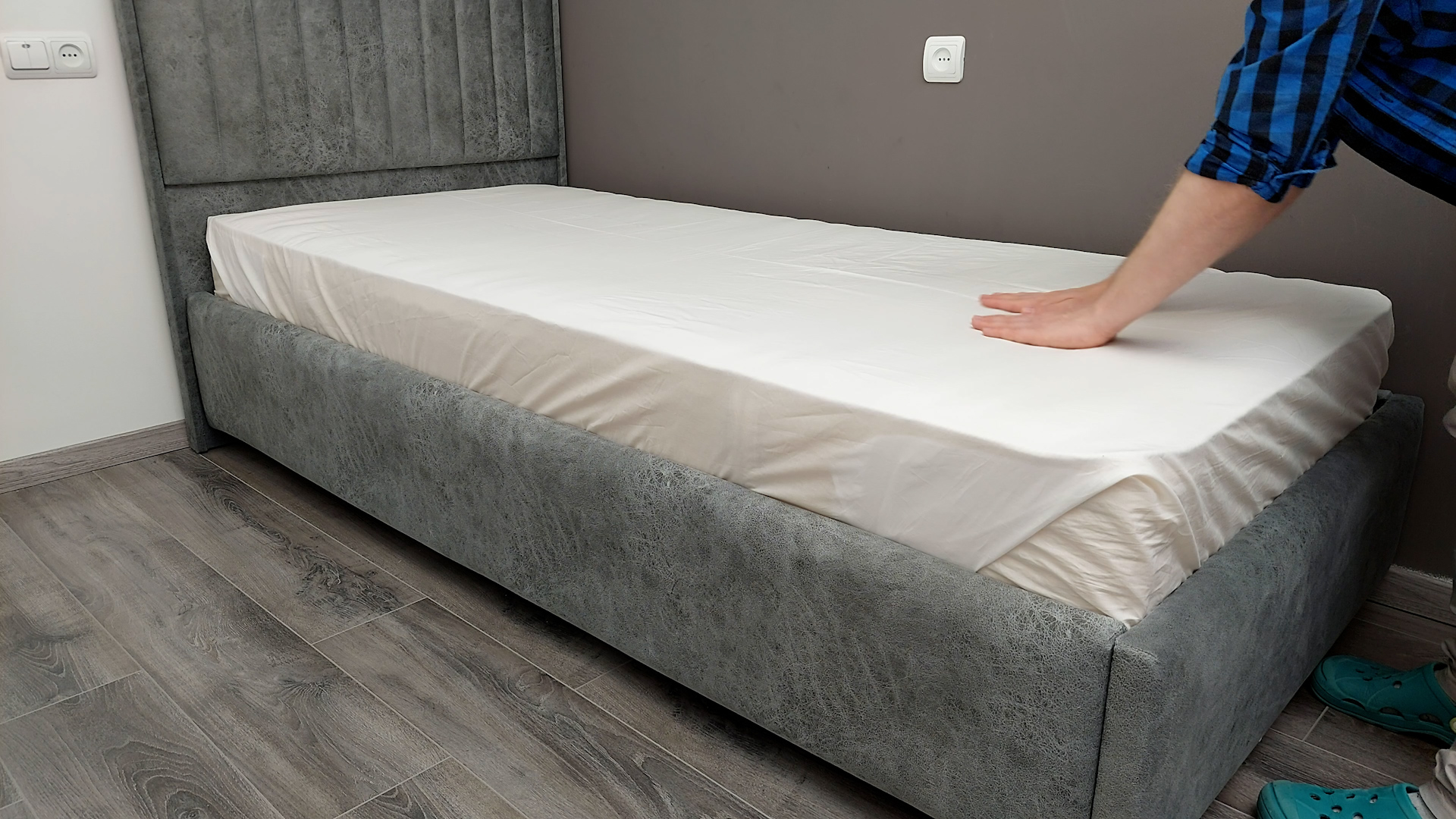
Put your fitted sheet on the mattress first. Make sure each elastic corner is pulled fully over the mattress corner. Smooth the surface with your hands so there are no large wrinkles, lumps, or rebellious pockets of fabric. A neat base makes the top sheet easier to fold.
If you are using a flat sheet as the bottom sheet, lay it evenly across the mattress and tuck it under tightly on all sides. For everyday home use, most people will use a fitted sheet on the bottom and save hospital corners for the top sheet.
Step 2: Lay the Flat Sheet Evenly
Spread the flat sheet over the bed. The top edge of the sheet should line up near the head of the mattress. Let the sheet hang evenly over both sides and the foot of the bed. If one side is much longer than the other, the finished hospital corners will look uneven, and your bed may develop a suspicious lean.
If your sheet has a decorative hem or pattern, place the patterned side facing down. That way, when you fold the top edge back over a blanket or quilt, the attractive side shows. This is a small styling trick that makes the bed look more finished.
Step 3: Tuck the Foot of the Sheet Under the Mattress
Stand at the foot of the bed. Lift the mattress slightly and tuck the bottom edge of the flat sheet underneath. Work from one corner to the other, pulling the sheet snug as you go. The goal is to create a firm anchor across the foot of the bed before you fold the corners.
Do not tuck the long sides yet. Let the fabric on the left and right sides hang freely. You need that loose side fabric to form the triangular hospital fold.
Step 4: Lift the Side Fabric to Create a Triangle
Move to one bottom corner of the bed. Grab the side edge of the sheet about 12 to 18 inches up from the foot of the mattress. Lift that section of fabric upward and lay it on top of the mattress. The fold should form a triangle, with the angled edge pointing toward the corner.
This is the moment when the hospital corner starts looking official. If the fabric resembles a neat envelope flap, you are doing it right. If it looks like a sad napkin in a windstorm, smooth it out and try again.
Step 5: Tuck the Hanging Fabric Under the Mattress
While holding the triangular flap on top of the mattress, tuck the fabric that is still hanging down along the side under the mattress. Pull it snug, but do not yank so hard that the whole sheet shifts. Use your hand to flatten the tucked section under the mattress edge.
This step is what gives the corner its structure. The flatter and tighter the tuck, the cleaner the final fold will look.
Step 6: Fold the Triangle Down
Now take the triangular flap that is lying on top of the mattress and fold it straight down over the side. The diagonal crease should stay sharp. Tuck the remaining flap under the mattress, smoothing as you go.
The corner should now look clean and tailored, almost like the corner of a wrapped gift. Except instead of a gift box, it is your mattress. And instead of a bow, you get the deep satisfaction of domestic competence.
Step 7: Repeat on the Other Side
Repeat the same steps at the opposite bottom corner. Tuck the foot first, lift the side fabric into a triangle, tuck the hanging fabric, fold the triangle down, and secure it under the mattress.
Once both corners are finished, smooth the top of the sheet with your hands. If you like a snug bed, tuck the lower sides under the mattress as well. If you prefer easier movement while sleeping, leave the upper sides untucked.
Common Mistakes to Avoid
Mistake 1: Starting With an Uneven Sheet
If the flat sheet hangs longer on one side, the corners will not match. Before you tuck anything, step back and check that the sheet is centered. This takes five seconds and prevents a lopsided bed situation.
Mistake 2: Tucking the Sides Too Early
The side fabric needs to stay loose until you make the triangular fold. If you tuck the sides first, you will have to pull them out again, which feels like doing homework twice.
Mistake 3: Using Too Much Fabric at the Foot
If there is a giant pile of extra sheet at the foot of the bed, the corner may look bulky. Pull the sheet slightly toward the headboard before tucking so the bottom edge has enough fabric to secure, but not so much that it creates lumps.
Mistake 4: Making the Fold Too Loose
A hospital corner should be snug. If the fabric is floppy, smooth it, pull gently, and tuck deeper under the mattress. A firm tuck makes the corner last longer and helps the bed look crisp.
How to Make Hospital Corners With a Blanket
You can use hospital corners with a lightweight blanket in almost the same way you use them with a flat sheet. Lay the blanket evenly over the bed, tuck the bottom edge under the mattress, lift the side fabric into a triangle, tuck the hanging section, then fold the triangle down.
The key is thickness. Thin blankets fold neatly. Thick blankets, heavy quilts, and puffy comforters can create bulky corners that fight back. If your blanket is too thick, tuck only the flat sheet and let the blanket hang naturally or fold it neatly at the foot of the bed.
How Tight Should Hospital Corners Be?
The answer depends on how you sleep. If you like a tightly made bed, pull the sheet firmly and tuck both sides under the mattress. This creates a secure, hotel-like feel. If you move around a lot at night or dislike feeling trapped, make the hospital corners only at the foot of the bed and leave the upper sides looser.
A good everyday hospital corner should keep the sheet in place without turning the bed into a linen straightjacket. You want crisp, not claustrophobic.
Hospital Corners for Different Bed Sizes
Twin Beds
Twin beds are the easiest place to learn hospital corners because the mattress is smaller and lighter. This makes them ideal for kids’ rooms, guest rooms, dorm beds, and first-time practice.
Queen Beds
Queen beds are the standard challenge level. You may need to walk back and forth to adjust the sheet evenly, but the fold itself is the same. Centering the sheet matters more because uneven fabric is easier to notice.
King Beds
King beds require more patience. The sheet is larger, the mattress may be heavier, and the fabric can shift while you are working. Start by making sure the sheet hangs evenly on both sides, then tuck one corner at a time. If necessary, smooth the sheet again before starting the second corner.
How to Keep Sheets Smooth After Making the Bed
Hospital corners help, but they are not magic. To keep your bed looking fresh, smooth the sheet every morning, pull the top edge into place, and retuck any loose fabric at the foot. If your sheets wrinkle easily, remove them promptly from the dryer and fold or use them while still slightly warm.
You can also rotate your sheets regularly and choose bedding that fits your mattress depth. Sheets that are too small will pull loose. Sheets that are too large may bunch. Like shoes, sheets work best when they actually fit.
When You Should Skip Hospital Corners
Hospital corners are useful, but they are not required by law, society, or the bedroom police. You may want to skip them if you have limited mobility, a very heavy mattress, a platform bed with no space for tucking, or bedding that is too thick to fold neatly.
In those cases, focus on making the bed smooth and comfortable. A tidy bed does not have to be perfect. It only needs to make your room feel better and your future self slightly impressed.
Extra Experience: What Making Hospital Corners Teaches You About Bedding
The first time you make a hospital corner, it may feel oddly dramatic. You lift the sheet, fold the triangle, tuck the edge, and suddenly you are not just making a bedyou are engineering a sleep platform. It is a small task, but it teaches you a lot about how bedding behaves.
One useful lesson is that tension matters. A loose sheet does not stay put because nothing is holding it in place. When you pull the fabric gently across the mattress and tuck it firmly underneath, the sheet has structure. This is why hotel beds often feel so smooth. The sheets are not simply placed on the mattress; they are controlled.
Another lesson is that symmetry does most of the visual work. A bed can have ordinary sheets and still look polished if both sides are even, the foot is tucked cleanly, and the corners match. On the other hand, expensive bedding can look messy if the sheet is crooked and the corners are stuffed under the mattress like last-minute luggage.
In real life, hospital corners are especially helpful in guest rooms. When guests walk into a room and see a neatly made bed, the whole space feels more welcoming. The sheets look fresh, the blanket looks organized, and the room gives off a quiet “yes, we prepared for you” feeling. That small detail can make a basic room feel thoughtful.
Hospital corners also help in small bedrooms. When space is limited, visual clutter becomes louder. A messy bed can make the entire room feel crowded. A neatly tucked bed creates cleaner lines, which helps the room feel calmer and more open. It is not a full renovation, but it is a free upgrade that does not require paint, tools, or a weekend of regret.
There is also something satisfying about the routine. Making hospital corners takes a little more care than tossing a comforter over everything, but not much more time once you learn the movement. After a few tries, your hands remember the sequence: tuck the foot, lift the flap, tuck the side, fold down, smooth. It becomes quick, almost automatic.
The trick is not to chase perfection every day. Some mornings, a quick smooth-and-go is enough. Other days, especially after washing sheets, using the hospital corner method gives your bed a clean reset. It makes the room feel fresher, and it gives you that tiny victory of finishing one thing properly before the day starts making demands.
If you share a bed with someone who kicks the sheets loose, hospital corners may not survive the entire night. That is fine. Bedding is meant to be used, not preserved in a museum. Still, starting with a secure tuck can reduce bunching at the foot of the bed and make it easier to straighten everything the next morning.
The best practical tip is to practice after laundry day. Clean sheets are easier to align because you are already rebuilding the bed from scratch. Start with one corner and do it slowly. Then do the second corner. Compare them. Adjust. Within a few attempts, you will know how much fabric to lift, how firmly to pull, and how deep to tuck.
Eventually, making a hospital corner stops feeling like a fancy housekeeping trick and starts feeling like common sense. It is simply a smart way to deal with extra fabric. And once you see how neat the bed looks, it becomes very hard to go back to the old method of shoving the sheet under the mattress and hoping nobody notices. Unfortunately, now you will notice. Welcome to the club.
Conclusion
Learning how to make a hospital corner is a simple way to make your bed look cleaner, sharper, and more put together. The process is easy: lay the flat sheet evenly, tuck the foot under the mattress, lift the side fabric into a triangle, tuck the hanging fabric, fold the flap down, and repeat on the other side.
You do not need perfect sheets or professional housekeeping skills. You just need a little practice and a willingness to make one corner of your life look unusually organized. Once you master the fold, your bed will look neater, your sheets will stay more secure, and your bedroom will gain a quiet touch of hotel-style polish.