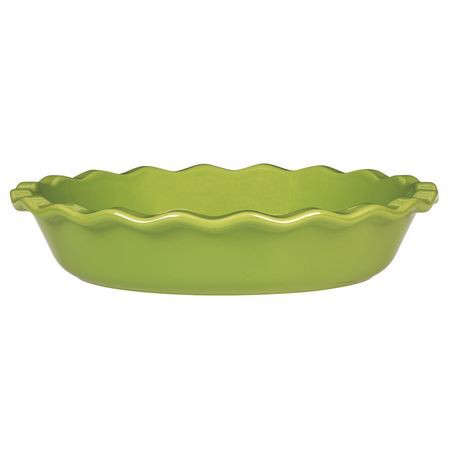
Some kitchen pieces quietly do their job. Others walk into the room wearing a tiny French beret, smelling like warm apple filling, and making your countertop look like it belongs in a cozy cottage magazine. The Emile Henry Pie Dish, Apple Green belongs firmly in the second group. It is not just a dish for pie; it is a cheerful, oven-to-table piece of French ceramic bakeware that makes even a Tuesday-night quiche feel like it deserves polite applause.
The Apple Green color is especially charming because it sits between practical and pretty. It is bright enough to make a dessert table look fresh, but not so loud that it fights with your plates, linens, or the heroic mountain of whipped cream nearby. While the exact Apple Green color has appeared in older listings and may not always be available under that name today, the spirit of the piece remains the same: a green Emile Henry ceramic pie dish designed for serious baking and beautiful serving.
In this guide, we will look at what makes the Emile Henry pie dish special, how it performs with fruit pies, custards, quiches, pot pies, cobblers, and everyday bakes, and whether this glossy green beauty deserves a permanent place in your kitchen cabinet. Spoiler: if your cabinet has room, it may want to start making space.
What Is the Emile Henry Pie Dish, Apple Green?
The Emile Henry Pie Dish is a French ceramic pie plate made for home bakers who want a dish that can bake evenly, hold heat well, and look good enough to go straight from oven to table. Emile Henry is known for ceramic bakeware made in France, and the brand’s pie dishes are commonly associated with mineral-rich clay, durable glazes, and a classic ruffled or gently shaped rim.
The Apple Green version stands out visually. It has the kind of fresh, garden-inspired color that pairs naturally with apple pie, berry crumble, lemon tart, or even a golden chicken pot pie. It is cheerful without looking childish and rustic without looking dusty. In other words, it knows how to behave at Thanksgiving, brunch, and a casual Sunday dinner.
Key Features at a Glance
- Material: High-quality ceramic made for baking and serving.
- Style: Classic French-inspired pie dish with an elegant rim.
- Color: Apple Green, often comparable to current green or evergreen tones depending on retailer availability.
- Best uses: Apple pie, pumpkin pie, berry pie, quiche, pot pie, cobbler, crisp, and baked side dishes.
- Kitchen personality: Functional, charming, and slightly smug because it knows it looks good.
Why Ceramic Matters for Pie Baking
The material of a pie dish changes the way your pie bakes. Metal pans heat quickly and can encourage fast browning. Glass pans let you peek at the bottom crust, which is helpful if you are the type of baker who trusts but verifies. Ceramic, however, is loved for steady heat distribution and heat retention.
The Emile Henry ceramic pie dish is designed to heat gently and evenly. That matters for pies because pie is basically a tiny construction project made of butter, flour, fruit, and hope. The crust needs time to brown without burning. The filling needs time to bubble and thicken. A good ceramic pie plate helps create that calm, steady bake.
This makes the Apple Green Emile Henry dish especially useful for fruit pies, custard pies, and savory pies. Apple pie, for example, needs enough time for sliced apples to soften and release their juices while the crust becomes golden. A pan that heats too aggressively can darken the edges before the filling is finished. Ceramic gives the pie a more patient environment, like a baking coach saying, “Take your time, little crust. We believe in you.”
Design: Pretty Enough for the Table, Practical Enough for the Oven
One of the best things about the Emile Henry Pie Dish, Apple Green is that it looks finished before you even add the pie. The glossy glaze, curved shape, and decorative rim make it attractive enough for serving. That means fewer dishes, less fuss, and one less moment where you are trying to transfer a fragile pie from a baking pan to a platter while everyone watches like it is an Olympic event.
The rim is not just decorative. A ruffled or shaped edge can help support crust crimping, giving homemade pies a polished look even if your dough-handling skills are more “rustic farmhouse” than “pastry competition finalist.” It also gives you a natural guide for slicing and serving.
How Apple Green Changes the Mood
Color may not change the taste of pie, but it absolutely changes the mood. Apple Green feels fresh, bright, and homey. It looks natural next to cinnamon-sugar desserts, roasted vegetables, custard fillings, and golden pastry. It also photographs beautifully, which matters if your pie is going online before it goes into anyone’s mouth.
In a white dish, apple pie looks classic. In a red dish, it looks festive. In an Apple Green dish, it looks like you picked the apples yourself while wearing a linen apron and knowing exactly where your rolling pin is. Whether that is true is between you and your kitchen drawer.
Best Recipes for the Emile Henry Apple Green Pie Dish
This dish is versatile enough for more than dessert. It is a 9-inch ceramic pie dish style that works well for traditional American pies, savory meals, and oven-to-table side dishes. If you only pull it out once a year for pumpkin pie, it may file a formal complaint.
Classic Apple Pie
Naturally, the first recipe that comes to mind is apple pie. The Apple Green color practically begs for it. Use tart apples such as Granny Smith mixed with sweeter apples like Honeycrisp or Golden Delicious for a balanced filling. The ceramic dish supports a slower, even bake, helping the filling become tender while the crust develops color.
For best results, chill your dough before baking, use a baking sheet underneath to catch bubbling juices, and give the pie enough time in the oven. Fruit pies are done when the filling is visibly bubbling near the center, not just along the edges. That bubbling is the filling politely telling you the thickener has started working.
Pumpkin Pie and Custard Pies
Ceramic is a strong choice for custard pies because it does not shock the filling with extreme heat. Pumpkin, sweet potato, chess, and buttermilk pies benefit from a steady bake. The goal is a filling that sets gently rather than turning grainy or cracked. A slightly slower heat pattern can help, especially when paired with careful baking and cooling.
Chicken Pot Pie
The Emile Henry pie dish is also excellent for chicken pot pie. The ceramic retains heat well, so the filling stays warm at the table. The green exterior adds a cozy farmhouse feel, especially when the crust is golden and flaky. If a bubbling chicken pot pie in a green French ceramic dish does not say comfort food, honestly, what are we even doing here?
Quiche
Quiche is another natural fit. A green ceramic pie plate makes a spinach, mushroom, bacon, or caramelized onion quiche look brunch-ready. The dish also keeps the quiche warm while people wander in for seconds, pretending they are “just evening out the slice.”
Cobblers, Crisps, and Crumbles
Do not limit this dish to traditional crusted pies. Peach cobbler, blueberry crumble, apple crisp, and cherry almond bake all work beautifully in a ceramic pie dish. The wide surface area helps toppings brown, while the depth holds bubbling fruit. Add vanilla ice cream and prepare for silence, which is the highest compliment dessert can receive.
Performance: What Bakers Tend to Love
The main reason people choose an Emile Henry pie plate is performance. The dish is known for even heating, strong heat retention, durable glaze, and oven-to-table appeal. It feels substantial in the hand without becoming awkward, and it has a polished look that cheaper pans often lack.
Compared with thin metal pans, ceramic does not heat as fast. That can be an advantage when you want a controlled bake, but it also means you should pay attention to your bottom crust. For extra insurance against sogginess, place the pie dish on a preheated baking sheet or baking stone. This gives the bottom crust a stronger initial boost while still letting the ceramic do its steady, even work.
Pros
- Beautiful oven-to-table presentation.
- Great for fruit pies, custards, quiches, and pot pies.
- Good heat retention keeps food warm after baking.
- Durable glazed surface is easy to clean.
- Apple Green color adds charm without overpowering the table.
Possible Drawbacks
- Ceramic is heavier than metal.
- It may require slightly more attention for bottom-crust browning.
- The Apple Green color name may be discontinued or harder to find.
- Like all ceramic bakeware, it should be handled carefully to avoid chips or cracks.
How to Get the Best Results
A premium pie dish can help, but it cannot rescue every baking crime. If your dough is warm, your filling is watery, and your oven temperature is playing jazz, even the finest French ceramic will raise an eyebrow. Here are a few practical tips for getting the best results from the Emile Henry Pie Dish, Apple Green.
Chill the Dough
Cold dough helps create flakier crust. After fitting the dough into the dish, chill it before filling and baking. This helps the butter stay firm and reduces shrinking.
Use a Baking Sheet
Put the pie dish on a rimmed baking sheet. This catches overflow and makes it easier to move the dish in and out of the oven. It also helps protect your oven from fruit filling lava, which is delicious in pie and deeply annoying on the oven floor.
Preheat Properly
Give your oven enough time to reach the correct temperature. Many ovens beep before they are truly ready. A fully preheated oven helps crusts set and brown more evenly.
Watch the Edges
If the crust edge browns too quickly, use a pie shield or strips of foil. This allows the filling and bottom crust to continue baking without turning the rim into a crunchy little tragedy.
Let the Pie Cool
Fruit pies need time to set after baking. Cutting too early can create a filling puddle. It will still taste good, but it may look like the pie had big dreams and poor structural planning.
Care and Cleaning
The glazed ceramic surface is one of the big advantages of Emile Henry bakeware. It is designed to resist scratching, staining, and everyday wear. After baking, let the dish cool before washing. Avoid sudden extreme changes that are not recommended by the manufacturer, and do not place a hot dish on a cold wet surface.
Most messes can be handled with warm water, mild dish soap, and a soft sponge. For baked-on fruit juices, soak the dish before scrubbing. Do not attack it with harsh abrasives as if it personally insulted your grandmother’s pie recipe. Gentle cleaning is usually enough.
Who Should Buy the Emile Henry Pie Dish, Apple Green?
This dish is ideal for home bakers who care about both results and presentation. If you bake pies only once a year and prefer disposable pans, this may feel like a luxury. But if you make pies, quiches, pot pies, cobblers, or baked sides regularly, it earns its keep.
It is also a strong gift for someone who loves baking. Unlike trendy gadgets that end up in the back of a drawer, a beautiful ceramic pie dish is useful for years. The Apple Green color gives it personality, making it feel more special than a plain pan.
Best For
- Home bakers who want attractive bakeware.
- Pie lovers who bake fruit, custard, and savory pies.
- Hosts who like oven-to-table serving pieces.
- Gift buyers looking for premium kitchenware.
- Anyone who believes dessert deserves a good outfit.
Emile Henry Apple Green Pie Dish vs. Metal and Glass Pie Plates
A metal pie pan is great for quick browning and crisp crusts. It is lightweight, affordable, and practical. A glass pie plate is helpful because you can see the bottom crust. Ceramic, however, offers a combination of beauty, heat retention, and serving appeal.
The Emile Henry Apple Green pie dish is not the cheapest option, but it gives you a different experience. You are paying for craftsmanship, presentation, durability, and the pleasure of using a piece that looks good on the table. For many bakers, that matters. Cooking is not only about efficiency; sometimes it is about joy, tradition, and pretending your kitchen is cleaner than it is because the pie dish looks fantastic.
Buying Tips: What to Check Before You Purchase
Because Apple Green appears to be an older or less common color name, availability may vary. Some retailers may list similar green Emile Henry pie dishes as Green, Evergreen, Cedar, or another seasonal shade. Before buying, check the size, color name, dimensions, and return policy.
Also confirm whether you are buying the classic 9-inch style, a deeper modern version, or a limited-edition design. These differences can affect capacity and baking behavior. If you often make deep-dish apple pies or tall quiches, a deeper version is helpful. If you mostly bake standard pies, a traditional 9-inch dish is usually the most versatile.
Final Verdict: Is It Worth It?
The Emile Henry Pie Dish, Apple Green is worth considering if you want a pie dish that performs well, looks beautiful, and feels special every time you use it. It is more than a basic pan. It is a piece of French ceramic bakeware that can handle apple pie, pumpkin pie, quiche, pot pie, cobbler, and more while looking polished enough for the table.
Its biggest strengths are even baking, heat retention, durable glaze, and presentation. Its main drawbacks are weight, price, and color availability. But if you enjoy baking and want one pie dish that can serve both practical and decorative roles, this Apple Green beauty is a strong choice.
In the end, a good pie dish should make baking easier, serving prettier, and dessert more memorable. The Emile Henry Apple Green pie dish does all three with a wink, a glossy finish, and just enough French confidence to make your apple pie feel internationally respected.
Personal Experience Notes: Living With an Emile Henry Pie Dish, Apple Green
Using an Emile Henry Pie Dish in Apple Green feels different from pulling out a plain metal pan. The first thing you notice is the weight. It feels solid and steady, like it has no interest in wobbling around while you are trying to crimp a crust. That weight can be slightly surprising at first, especially if you are used to lightweight aluminum pans, but it quickly becomes part of the appeal. It feels like real bakeware, not a temporary container that wandered in from a picnic.
The Apple Green color also changes the baking experience in a small but satisfying way. When you press pale dough into the dish, the green exterior frames it beautifully. By the time the pie comes out golden, bubbling, and fragrant, the color makes the whole thing look more intentional. Even a simple apple crumble looks like it belongs at the center of the table. This is helpful for bakers who enjoy presentation but do not want to decorate with edible flowers, powdered sugar stencils, or other tiny acts of dessert theater.
With fruit pies, the dish rewards patience. A ceramic pie plate does not always give the instant bottom-crust browning of metal, so the best experience comes from baking thoughtfully. Placing the dish on a preheated baking sheet is a smart habit. It gives the bottom crust a little extra encouragement while the ceramic walls help the filling cook evenly. Apple pie is especially satisfying because the filling has time to soften and bubble without the edges of the crust rushing toward overbaked territory.
The dish is also excellent for savory meals. A chicken pot pie served in Apple Green looks warm and inviting before anyone takes a bite. A spinach and feta quiche looks bright and brunch-ready. Even leftovers feel slightly upgraded when reheated and served from the same dish. That oven-to-table quality is one of the reasons this piece feels useful beyond holiday baking. It is not a one-season wonder. It can work in spring with asparagus quiche, summer with berry cobbler, fall with apple pie, and winter with pot pie.
Cleaning is usually simple, especially if the dish is allowed to soak after sticky fruit fillings. The glaze helps release baked-on bits without heroic scrubbing. Still, it is worth treating the dish with respect. Do not bang it against the sink, stack heavy pans on top of it carelessly, or use it like an indestructible cafeteria tray. Ceramic is durable, but it is still ceramic. A little care helps it stay beautiful.
The most enjoyable part of owning a dish like this is that it encourages you to bake more often. A pretty, reliable pie dish sitting in the cabinet has a way of whispering ideas: apple galette-style pie, tomato tart, peach crumble, mushroom quiche. It turns ordinary baking into a small ritual. You prepare the dough, fill the dish, slide it into the oven, and later place the finished bake directly on the table. No transfer. No extra platter. No drama unless someone takes the last slice without asking.
For anyone who loves kitchen pieces that are both useful and beautiful, the Emile Henry Pie Dish in Apple Green delivers that rare combination. It works hard, cleans up well, and looks charming doing it. It may not make you a professional baker overnight, but it can make your pies look more confident. Sometimes that is half the battle.