If you want to understand why Shaun of the Dead still feels so ridiculously alive two decades later, start with the music. Yes, the movie has zombies. Yes, it has jokes. Yes, it has one of the greatest pub plans ever committed to film, even if that plan is basically “have a pint and hope civilization sorts itself out.” But what gives the movie its special spark is the way Edgar Wright and Simon Pegg turn ordinary objects, familiar songs, and everyday bad decisions into comic gold.
That is why one tiny production anecdote has lasted almost as long as the film itself: when the filmmakers needed permission to use real records in the famous vinyl-throwing scene, one musician stood out as especially cool about it. The catchy headline version is that only one musician was happy to let Shaun of the Dead use their music to fight zombies. The more careful version is even better. Edgar Wright has repeatedly singled out Sade as the artist who most cheerfully gave permission to let Diamond Life be sacrificed for the joke. In a movie full of panic, denial, and flying LPs, Sade somehow became the calmest person in the room. Very on brand, honestly.
And that little story says a lot about why Shaun of the Dead works. It is not just a horror-comedy classic. It is a movie that understands how people actually live with music. Records are not props in this world. They are personality. Taste. Memory. Identity. Which is exactly why it is funny when Shaun and Ed suddenly have to decide which albums are worth preserving and which ones are now, tragically, zombie defense equipment.
Why the Movie’s Music Matters So Much
A lot of horror comedies lean so hard on the comedy that the horror becomes decorative. Shaun of the Dead never makes that mistake. Wright and Pegg approached it less like a lazy spoof and more like a genuine zombie movie with jokes built into its bones. That difference matters. It is why the tension works, why the characters feel real, and why the musical choices land so hard.
The film is built around a deeply ordinary guy having a catastrophically inconvenient apocalypse. Shaun is not a superhero. He is a frustrated man-child with a messy love life, a strained relationship with adulthood, and a best friend who treats responsibility like it is a home invasion. When the dead rise, the movie does not suddenly become glossy or macho. It stays stubbornly local. Cornershop. Flat. Pub. Mum. Ex-girlfriend. Terrible plan. Brilliant movie.
Music helps glue all of that together. Wright has always been unusually sharp about matching sound and image, and Shaun of the Dead already shows the style he would later push even further in his other films. Songs do not just decorate scenes. They shape rhythm, timing, mood, and punchlines. The soundtrack is part of the storytelling, not wallpaper.
The Musician Behind the Headline: Sade, Coolest Person in the Apocalypse
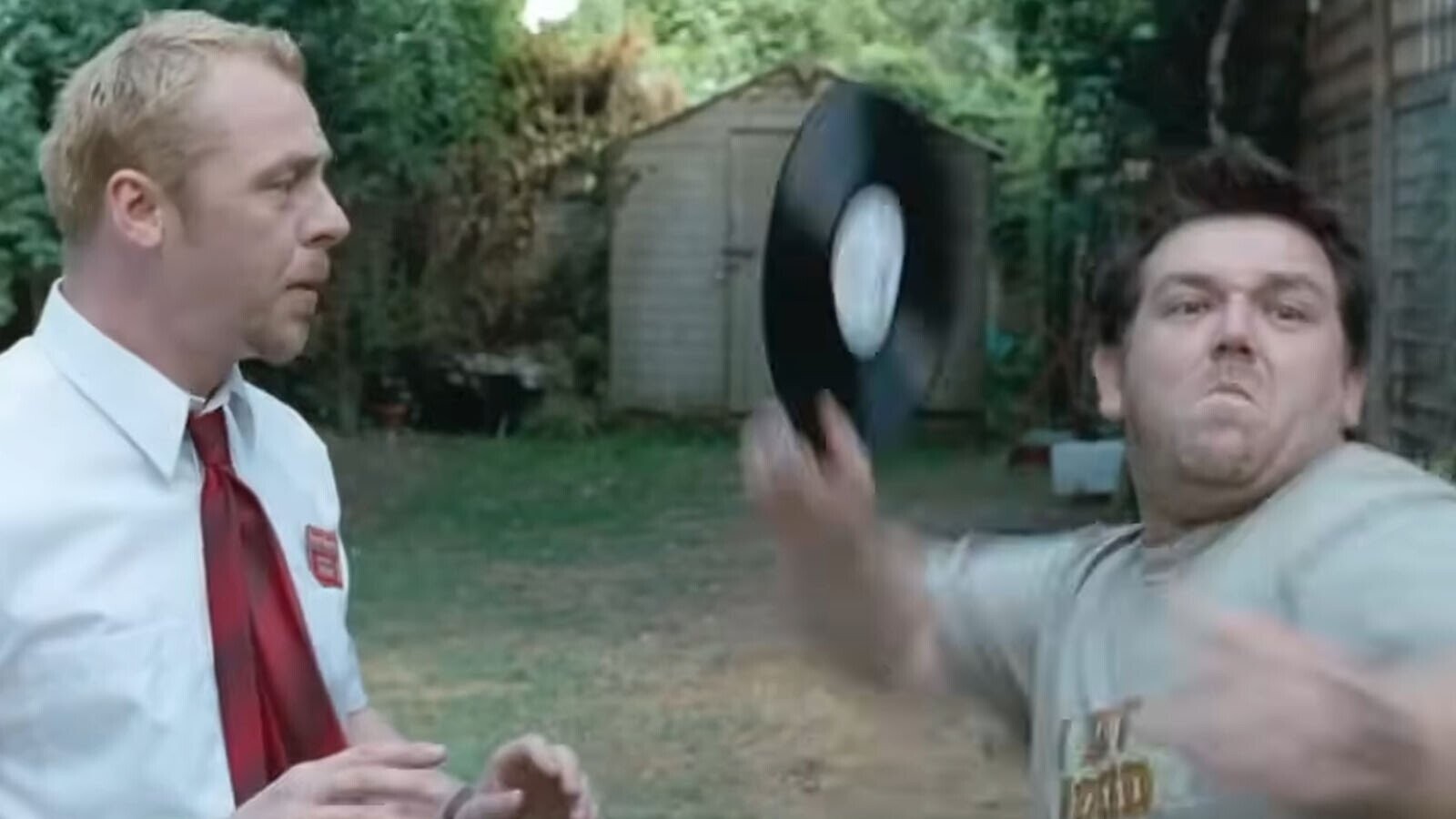
Let’s get to the juicy bit. The record-throwing scene is one of the most beloved moments in the entire movie. Shaun and Ed try to fend off a zombie by hurling vinyl from their collection, but before each throw they pause to debate which records are too good to lose. It is the kind of joke that works on three levels at once: as physical comedy, as character comedy, and as a tiny essay on taste under pressure.
But to make the gag work with recognizable albums, the filmmakers had to get permission. That is where Sade enters the legend. Wright has recalled that he and Pegg contacted artists about trashing their records onscreen, and Sade was the one he singled out as being wonderfully relaxed about letting them use Diamond Life. That reaction matters because musicians can be protective of how their work is used. Fair enough. If someone called and asked whether your album could be launched at the undead, you would probably need a minute too.
Sade, apparently, did not need much of a minute. And that effortless approval only made the story better. Diamond Life is not exactly the album most people associate with chaotic survival strategy. It is elegant, poised, smooth, stylish, and cool in that intimidating way that makes the rest of us feel like we should sit up straighter. Which means its presence in a frantic zombie-defense debate is already funny before the record even leaves anyone’s hand.
In other words, Sade did not just say yes to a joke. She helped make the joke sharper. The contrast between refined sophistication and panicked improvised violence is exactly what gives the scene its flavor. It is one of those rare pop-culture moments where the permission story is almost as delightful as the finished gag.
Why the Record-Throwing Scene Still Kills
It turns taste into comedy
Most movies would have the heroes grab a random object and move on. Shaun of the Dead pauses to ask a much more human question: which records are disposable, and which are sacred? That tiny delay tells you everything about these characters. They are not built for apocalypse. They are built for arguments about music in a flat with bad lighting.
It makes clutter meaningful
The scene works because the records feel like they existed before the camera rolled. They are not generic discs. They are the accumulated leftovers of a specific life. The apartment is messy, the men are unserious, and the LPs are like emotional furniture. Even in danger, nobody wants to throw the good stuff first. That is hilarious, but it is also weirdly believable.
It captures the movie’s whole personality in one gag
This is what Shaun of the Dead does best. It takes everyday British life and lets the apocalypse crash into it without changing the personalities at the center. Shaun and Ed do not suddenly become action heroes. They remain Shaun and Ed, which is exactly why a zombie attack can turn into a debate over vinyl curation. The world is ending, and the boys are still making playlist decisions. Incredible.
The Other Song Everyone Remembers: Queen Enters the Pub
Of course, the record scene is not the only musical moment that made the film immortal. The one that tends to live rent-free in popular culture is the Winchester fight set to Queen’s “Don’t Stop Me Now.” It is one of the great needle-drop scenes in modern genre filmmaking, because the song is so joyfully alive and the situation is so gloriously not.
The brilliance is in the mismatch. Instead of scoring the moment with something grim or aggressive, Wright drops in a song bursting with energy, momentum, and pure good-time swagger. Suddenly the scene stops being just a fight and becomes a piece of slapstick choreography. Every movement feels a little more absurd, a little more precise, and a lot more memorable.
Even better, the contrast fits the movie’s tone perfectly. Shaun of the Dead is a story about people trying to treat catastrophe like an inconvenience until catastrophe absolutely refuses to cooperate. So when Queen erupts in the middle of chaos, it feels less like the movie breaking tone and more like the movie announcing its true identity. Horror, comedy, pop-song ecstasy, and total nonsense all at once.
That scene also helped give “Don’t Stop Me Now” another life with younger viewers. It became one of those movie-song pairings that permanently alters how audiences hear the track. After a certain point, you cannot hear it without picturing the pub, the panic, the rhythm, and the deeply unwise confidence of people who think this might somehow work out.
Edgar Wright’s Secret Weapon Was Never Just the Joke
What separates Wright from a lot of directors who use cool music is that he is not just showing off his record collection. He builds sequences around sound with real precision. The joke is rarely just “recognizable song plus ironic violence.” The real trick is timing. Editing. Motion. Build. Release. His musical choices feel engineered for maximum emotional bounce.
That is why Shaun of the Dead does not feel like a rough draft for his later style. It already is the style. The film understands that songs can act like invisible choreography, guiding how the audience feels without drawing too much attention to the machinery. Viewers come out remembering a pub fight, a pile of records, and a handful of punchlines, but what they are really remembering is rhythm.
And that rhythm is one reason the film has aged so well. A lot of early-2000s comedies now feel trapped in amber, fossilized under bad fashion and louder-than-funny performances. Shaun of the Dead still moves. It still surprises. It still feels handcrafted. The soundtrack is a huge part of that.
Why Sade’s Yes Still Feels So Perfect
There is something beautifully fitting about Sade being the standout name in this anecdote. Her public image has long carried a kind of serene authority. She does not project desperation or noise. She projects confidence. So the story of her casually allowing Diamond Life to be used in a zombie-defense gag lands as the coolest possible response.
It also reveals something important about artists with a sense of humor: the strongest ones do not always panic when their work is used in unexpected ways. Sometimes they recognize that a smart joke can flatter the music rather than diminish it. In this case, the scene does not mock Sade’s artistry. If anything, it assumes the audience already knows the album is important. That is the whole reason the decision is funny.
Comedy depends on value. Nobody laughs if the characters throw worthless junk. They laugh because Shaun and Ed are making terrible choices about things that matter to them. Sade’s approval preserves that tension. The record is good. The situation is bad. The audience wins.
Why Shaun of the Dead Still Feels Fresh 20 Years Later
Plenty of cult movies survive because fans love quoting them. Shaun of the Dead survives because it has more than quotes. It has emotional architecture. Shaun is not just avoiding zombies; he is being forced to grow up. His friendship with Ed, his relationship with Liz, and his sense of himself all come under pressure. Beneath the jokes, the movie is quietly asking whether adulthood can arrive before total collapse. A rude question, but a fair one.
The film also gets more mileage out of ordinary social behavior than most zombie stories ever manage. People deny the obvious. They cling to routine. They argue about petty stuff while everything burns. They keep going to familiar places because familiarity feels safer than logic. That is not just funny. It is human.
And because the film remains human, the musical choices keep hitting. The records matter because people care about them. The Queen scene matters because joy can still burst through panic. The soundtrack matters because this apocalypse is happening to recognizable adults with messy lives, not genre robots reading from a survival manual.
Experience: Why This Topic Keeps Sticking With Viewers
One reason people keep returning to the story about Sade and the music in Shaun of the Dead is that it reflects a very specific viewing experience. The first time you see the record-throwing scene, you laugh because it is unexpected. The second time, you laugh because you begin anticipating the decisions. By the third or fourth viewing, you are no longer just watching the joke. You are participating in it. You start mentally ranking the records yourself. You become part of the argument. That is a rare kind of comedy. It does not just land; it recruits.
There is also a special pleasure in watching the scene with people who care about music. Record collectors react differently from casual viewers. They wince faster. They negotiate harder. They do not just see props flying across the room; they see taste, history, and emotional investment being weighed in real time. Even people who do not own vinyl understand the feeling. Everyone has some version of a personal collection they protect for sentimental reasons. The scene taps into that instinct immediately. It turns “What would you save?” into “What would you sacrifice first?” and gets a huge laugh out of the gap.
The Queen sequence creates a different experience. That one tends to take over the whole room. Viewers who have never heard the story behind the scene usually react the same way: first surprise, then laughter, then total surrender to the rhythm of it. The song does not merely accompany the action; it hijacks the mood. Suddenly the audience is not just watching a horror-comedy climax. They are riding the beat of a pop anthem while a pub turns into a pressure cooker. It is pure tonal mischief, and people can feel the confidence behind it.
Then comes the long afterlife of those scenes. You hear “Don’t Stop Me Now” in a store, at a party, or in a car, and your brain instantly drifts back to the Winchester. You spot a copy of Diamond Life in a record bin and remember a zombie stumbling through a flat. The movie rewires cultural memory in tiny, funny ways. It is not unlike what great commercials do, except this is smarter, funnier, and blessedly less interested in selling you detergent.
That lingering effect is what separates a funny scene from a lasting one. Shaun of the Dead does not just entertain in the moment. It reshapes how certain songs and albums are felt afterward. That is a real experience viewers carry with them. They do not just remember the plot. They remember the sensation of discovery, the room laughing, the perfect musical timing, and the delight of realizing that yes, this movie understands exactly how absurdly attached people can be to their records.
And maybe that is the most charming part of the whole story. Behind all the zombies, the jokes, and the cult-movie legend, the music anecdotes remind us that people made this film with genuine affection. Affection for the genre. Affection for songs. Affection for records. Affection for the silly human habit of caring deeply about the wrong thing at exactly the wrong time. Which, when you think about it, is not a bad definition of comedy at all.
Conclusion
So yes, the headline is irresistible: only one musician was happy that Shaun of the Dead used their music to kill zombies. But the real takeaway is even more satisfying. The artist Edgar Wright most enthusiastically remembered was Sade, whose relaxed approval helped turn a funny idea into one of the most beloved scenes in modern horror comedy. Pair that with Queen’s unforgettable pub anthem, and you get a film that understands something many genre movies miss: music is not decoration. It is character, timing, memory, and mood.
Shaun of the Dead remains a horror-comedy classic because it never separates the joke from the human truth inside it. People cling to routine. They argue about taste. They panic badly. They improvise worse. And somehow, with the right song at the right moment, all of that becomes cinematic joy. Not bad for a movie whose emergency plan involved snacks, a pub, and several truly terrible life choices.