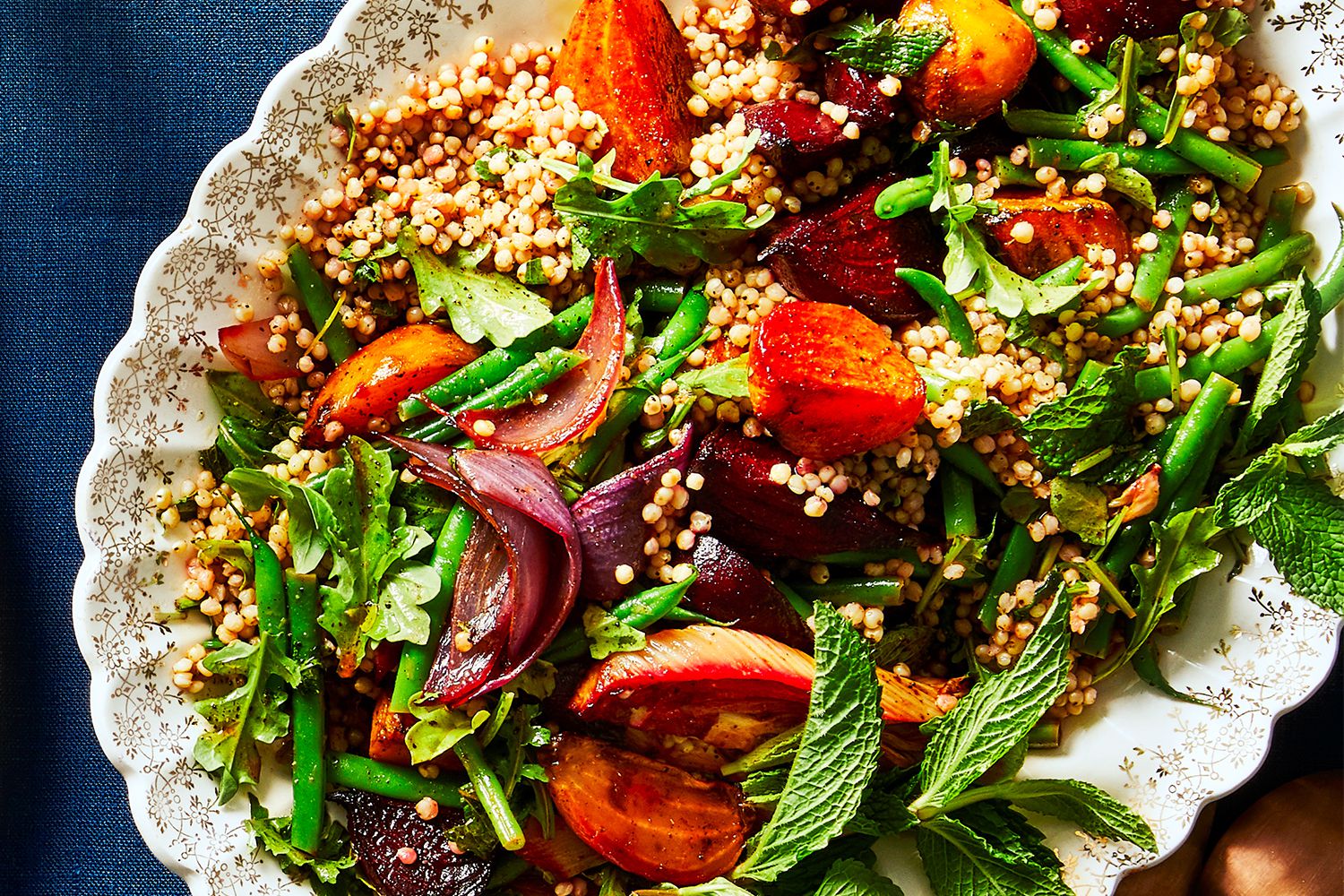
Note: This original article is written in standard American English for web publishing and is based on real whole-grain nutrition guidance and practical recipe inspiration from reputable U.S. food and health sources.
Whole grains have a funny way of sounding like homework until they show up as chewy farro in a lemony salad, creamy oats under cinnamon apples, or nutty brown rice tucked into a burrito bowl. Suddenly, “eat more whole grains” feels less like a lecture from a cereal box and more like an invitation to dinner.
If you are trying to add more fiber-rich meals to your routine, whole grain recipes are one of the easiest places to start. Whole grains keep the bran, germ, and endosperm intact, which means they usually bring more fiber, minerals, and texture than refined grains. Translation: more flavor, more staying power, and fewer sad desk lunches.
This guide rounds up 27 of our best whole grain recipes for every meal, from breakfast bowls and lunch salads to cozy dinners, smart snacks, and even desserts. You will find oats, quinoa, brown rice, barley, bulgur, farro, whole wheat, millet, buckwheat, popcorn, and more. No bland bowls allowed.
Why Whole Grain Recipes Deserve a Permanent Spot in Your Kitchen
Whole grains are beloved by nutrition experts because they are practical, affordable, and endlessly flexible. They can stretch a pot of soup, anchor a grain bowl, bulk up a salad, or turn leftovers into something that looks suspiciously intentional. They also pair beautifully with vegetables, beans, lean proteins, nuts, fruit, herbs, and sauces.
The best part? You do not need to overhaul your pantry overnight. Small swaps work beautifully: brown rice instead of white rice, whole wheat pasta instead of regular pasta, oatmeal instead of sugary cereal, or popcorn instead of chips. Even swapping half the flour in pancakes, muffins, or quick breads for whole wheat flour can make a familiar recipe more satisfying without frightening the family.
27 Best Whole Grain Recipes for Breakfast, Lunch, Dinner, and Snacks
1. Apple-Cinnamon Overnight Oats
Old-fashioned oats are the reliable friend of the whole grain world. Stir them with milk or a dairy-free alternative, diced apple, cinnamon, chia seeds, and a small spoonful of maple syrup. Refrigerate overnight, then wake up to breakfast that tastes like apple pie got a responsible job.
2. Savory Oatmeal with Egg and Spinach
Oats do not have to be sweet. Cook rolled oats in broth, then top with sautéed spinach, a soft egg, black pepper, and a sprinkle of Parmesan. It is creamy, cozy, and perfect for anyone who thinks breakfast should not taste like dessert every single day.
3. Blueberry Amaranth Porridge
Amaranth cooks into a soft, slightly nutty porridge that works beautifully with blueberries, walnuts, and a swirl of yogurt. It is a smart choice when you want a warm breakfast but are mildly tired of oatmeal giving you the same speech every morning.
4. Whole Wheat Banana Pancakes
Use whole wheat flour, mashed ripe bananas, eggs, milk, baking powder, and a splash of vanilla. The bananas add natural sweetness and moisture, while whole wheat flour gives the pancakes a hearty flavor. Add sliced strawberries or toasted pecans for a weekend breakfast that feels special without requiring a marching band.
5. Breakfast Quinoa Bowl with Berries
Quinoa is not just for lunch. Simmer it with milk, cinnamon, and a pinch of salt, then top with berries, almonds, and a drizzle of honey. Because quinoa has a naturally fluffy texture, it creates a breakfast bowl that feels light but still satisfying.
6. Buckwheat Waffles with Greek Yogurt
Buckwheat has a deep, earthy flavor that makes waffles taste more interesting than the usual freezer-aisle square. Serve with Greek yogurt, sliced peaches, and a little maple syrup. Despite its name, buckwheat is not wheat, which gives it extra personality points.
7. Muesli with Raspberries and Toasted Nuts
Muesli is a no-cook mix of rolled oats, dried fruit, nuts, seeds, and fresh fruit. Let it soften in milk or yogurt for a few minutes, then add raspberries for brightness. It is basically cereal’s elegant cousin who owns linen napkins.
8. Mediterranean Farro Salad
Farro is chewy, nutty, and excellent at making salads feel like real meals. Toss cooked farro with cucumber, cherry tomatoes, red onion, parsley, chickpeas, feta, olive oil, and lemon juice. It keeps well, making it a perfect meal-prep lunch.
9. Brown Rice Burrito Bowl
Layer brown rice with black beans, corn, salsa, avocado, lettuce, and grilled chicken or tofu. Add lime juice and cilantro for freshness. This is one of the easiest whole grain dinner recipes because everyone can build a bowl their own way, which prevents the dinner table from turning into a negotiation summit.
10. Barley Vegetable Soup
Pearled barley is not technically a full whole grain, but hulled barley is. Use hulled barley when you can find it, and simmer it with carrots, celery, onions, tomatoes, herbs, and white beans. The barley gives the soup body and a pleasant chew that makes each spoonful feel hearty.
11. Quinoa Tabbouleh with Chickpeas
Traditional tabbouleh often uses bulgur, but quinoa makes a gluten-free variation with plenty of texture. Mix cooked quinoa with parsley, mint, tomatoes, cucumber, chickpeas, lemon juice, and olive oil. It is bright, protein-friendly, and ideal for lunches that need to survive a refrigerator without becoming gloomy.
12. Whole Wheat Pasta Primavera
Whole wheat pasta brings a nutty flavor that pairs beautifully with vegetables. Toss it with zucchini, bell peppers, cherry tomatoes, broccoli, garlic, olive oil, and a sprinkle of cheese. The key is not overcooking the pasta; whole wheat noodles should be tender, not gummy.
13. Bulgur Lentil Pilaf
Bulgur cooks quickly, which makes it a weeknight hero. Combine it with lentils, onions, cumin, parsley, and lemon. Serve with yogurt sauce or cucumber salad. It is budget-friendly, filling, and much more exciting than another panicked sandwich.
14. Wild Rice and Mushroom Skillet
Wild rice has a bold, woodsy flavor that loves mushrooms. Cook it with sautéed mushrooms, onions, garlic, thyme, and a splash of broth. Add toasted walnuts for crunch. Serve as a side dish or top with roasted chicken for a complete meal.
15. Chicken and Brown Rice Casserole
This comfort-food classic gets a whole grain upgrade with brown rice. Combine cooked brown rice, shredded chicken, broccoli, a light creamy sauce, and a crisp whole wheat breadcrumb topping. It is cozy without being heavy enough to require a nap and a formal apology.
16. Veggie-Packed Grain Bowl with Tahini Dressing
Start with quinoa, farro, or brown rice, then add roasted sweet potatoes, kale, carrots, chickpeas, and tahini-lemon dressing. Grain bowls are the ultimate “use what you have” meal. If the vegetables are roasted and the sauce is good, you are already winning.
17. Turkey Meatballs with Whole Wheat Couscous
Use whole wheat couscous as a quick base for turkey meatballs, tomato sauce, and herbs. Couscous cooks fast, so this dish feels weeknight-friendly while still delivering the heartier flavor of whole grain wheat.
18. Stuffed Bell Peppers with Quinoa and Black Beans
Fill bell peppers with quinoa, black beans, diced tomatoes, corn, spices, and a little cheese. Bake until tender. These stuffed peppers are colorful, meal-prep friendly, and easy to customize with salsa, avocado, or Greek yogurt.
19. Salmon with Warm Barley Salad
Pair roasted salmon with a warm barley salad made with herbs, lemon, arugula, and roasted vegetables. The barley brings chewiness, while the salmon adds richness. It is the kind of dinner that looks fancy but does not require you to speak in a restaurant voice.
20. Millet with Roasted Carrots and Yogurt Sauce
Millet is mild, slightly sweet, and wonderfully fluffy when cooked well. Serve it with roasted carrots, cumin, parsley, and a tangy yogurt sauce. It works as a vegetarian main dish or a side for grilled chicken.
21. Whole Wheat Pizza with Vegetables
Whole wheat pizza dough adds nutty flavor and extra texture. Top it with tomato sauce, mozzarella, mushrooms, peppers, spinach, and onions. Keep toppings balanced so the crust stays crisp. Yes, pizza can be a whole grain recipe. Please alert the authorities of joy.
22. Cornmeal Polenta with Beans and Greens
Choose whole grain cornmeal when possible, then cook it into creamy polenta. Top with garlicky greens, white beans, tomatoes, and a drizzle of olive oil. It is comforting, inexpensive, and ideal for cooler evenings.
23. Wheat Berry Salad with Apples and Cheddar
Wheat berries are chewy and satisfying, making them perfect for salads. Toss cooked wheat berries with diced apples, sharp cheddar, celery, walnuts, parsley, and apple cider vinaigrette. It is crunchy, tangy, and excellent for fall lunches.
24. Popcorn Trail Mix
Popcorn is a whole grain, which is excellent news for snack people everywhere. Mix air-popped popcorn with almonds, dried cranberries, pumpkin seeds, and a dusting of cinnamon. Keep butter and salt moderate, and you have a snack that feels fun without going full movie-theater bucket.
25. Oat and Nut Energy Bites
Combine rolled oats, peanut butter, ground flaxseed, chopped nuts, and a little honey. Roll into small bites and refrigerate. These are great for busy mornings, lunchboxes, or the dangerous 3 p.m. hour when vending machines begin whispering.
26. Whole Wheat Blueberry Muffins
Use whole wheat pastry flour for muffins that are tender rather than dense. Add blueberries, lemon zest, yogurt, and a modest amount of sugar. The result is a breakfast or snack that feels bakery-worthy but still has whole grain goodness.
27. Oatmeal Apple Crisp
Dessert can absolutely include whole grains. Toss sliced apples with cinnamon and a little lemon juice, then top with oats, whole wheat flour, nuts, and a touch of brown sugar. Bake until bubbly. Serve warm with yogurt or a small scoop of vanilla ice cream.
How to Cook Whole Grains Without Making Them Boring
Toast First for Better Flavor
Before adding water or broth, toast grains like quinoa, millet, farro, or buckwheat in a dry pan for a few minutes. This brings out a deeper, nuttier flavor and makes the final dish taste more intentional.
Cook in Broth Instead of Water
Vegetable, chicken, or mushroom broth can turn plain grains into a flavorful base. Add garlic, bay leaves, herbs, or citrus zest while cooking for even more personality.
Batch Cook Once, Eat All Week
Cook a big pot of brown rice, quinoa, barley, or farro at the beginning of the week. Refrigerate it in airtight containers, then use it for breakfast bowls, salads, soups, stir-fries, and quick dinners.
Balance Texture
Whole grains are best when paired with contrast. Add crunchy nuts, creamy avocado, juicy tomatoes, crisp cucumbers, roasted vegetables, tender beans, or tangy dressings. Texture is what keeps a grain bowl from tasting like a sensible beige blanket.
Simple Whole Grain Meal Planning Ideas
For breakfast, choose oats, quinoa porridge, whole wheat pancakes, buckwheat waffles, or muesli. For lunch, think grain salads, soups, burrito bowls, and veggie-packed wraps with whole grain tortillas. For dinner, use whole grains as a base for casseroles, skillets, pasta dishes, stuffed vegetables, and sheet-pan meals. For snacks, reach for popcorn, oat bites, whole grain crackers, or homemade granola bars.
The easiest strategy is to match each grain with a flavor theme. Brown rice loves Tex-Mex, stir-fry, and curry flavors. Farro works beautifully with Mediterranean ingredients. Barley belongs in soups and hearty salads. Oats shine in breakfast, baking, and snack recipes. Quinoa is the flexible friend who can attend any potluck and get along with everyone.
Personal Kitchen Experiences with Whole Grain Recipes
Whole grain cooking becomes much easier once you stop treating it like a health project and start treating it like flavor building. The first time many home cooks try brown rice or whole wheat pasta, they expect it to behave exactly like the refined version. That is where disappointment can sneak in wearing oven mitts. Whole grains have their own personalities. Brown rice is chewier. Farro is nuttier. Barley is heartier. Whole wheat pasta has more bite. Once you lean into those qualities instead of fighting them, the meals become much better.
One of the most useful experiences is learning to cook grains ahead of time. A container of cooked farro in the refrigerator can rescue lunch in five minutes. Add leftover roasted vegetables, a handful of greens, feta, chickpeas, and lemon vinaigrette, and suddenly lunch looks like something from a café instead of a survival decision. The same goes for quinoa. It can become breakfast with berries, lunch with cucumbers and herbs, or dinner with roasted sweet potatoes and tahini sauce.
Another practical lesson: sauce matters. A plain bowl of brown rice and steamed vegetables may be nutritious, but it can taste like the color gray. Add salsa, peanut sauce, yogurt-herb dressing, pesto, vinaigrette, or chili crisp, and the same bowl becomes craveable. Whole grains are excellent at absorbing flavor, so a good dressing can turn leftovers into a meal worth repeating.
Texture also makes a big difference. If a recipe feels too soft, add toasted nuts, seeds, crisp vegetables, or a crunchy topping. If it feels too dry, add avocado, a poached egg, yogurt sauce, or a drizzle of olive oil. If it tastes flat, add acid: lemon juice, lime juice, vinegar, pickled onions, or tomatoes. These small fixes are often the difference between “healthy but boring” and “please make this again.”
Families often respond better to gradual swaps. Instead of replacing every familiar food at once, try half brown rice and half white rice, or mix whole wheat pasta with regular pasta the first few times. Use whole wheat pastry flour in muffins before jumping into dense breads. Add oats to meatballs, breadcrumbs, smoothies, or crisps. Small changes can build comfort without making dinner feel like a surprise committee meeting.
Whole grains also make meal prep feel less repetitive. A single pot of grains can become several different meals depending on toppings and seasonings. Brown rice can become a burrito bowl on Monday, fried rice on Tuesday, and soup on Wednesday. Oats can be overnight oats, baked oatmeal, granola, or crisp topping. Farro can move from salad to skillet to side dish without complaining once.
The best experience of all is realizing that whole grain recipes are not about restriction. They are about adding flavor, variety, and staying power to meals you already enjoy. Whether you are making oatmeal apple crisp, mushroom wild rice, quinoa stuffed peppers, or whole wheat pizza, the goal is not perfection. The goal is food that tastes good, fuels your day, and does not require a culinary degree or a heroic pile of dishes.
Conclusion
Whole grain recipes can fit into every meal without making your menu feel repetitive or overly serious. From apple-cinnamon overnight oats and Mediterranean farro salad to barley soup, whole wheat pizza, popcorn trail mix, and oatmeal apple crisp, these dishes prove that healthy whole grain meals can be hearty, flexible, and genuinely delicious.
Start with one or two grains you already like, then branch out slowly. Keep cooked grains ready for quick meals, use bold sauces, add plenty of texture, and season generously. Your pantry will become more useful, your meals will become more filling, and your taste buds will not feel like they have been assigned extra homework.