Note: This article is written for general lawn-care education and is based on practical turfgrass guidance from U.S. extension services, soil-care experts, and water-efficiency resources. Always match lawn treatments to your grass type, climate, and local regulations.
Your lawn may not speak English, but it is absolutely sending messages. Sometimes it whispers with a few pale patches. Sometimes it yells with weeds, moss, mushrooms, bare dirt, and one dramatic brown circle that looks like a tiny UFO landed overnight. The trick is learning how to translate those signs before you panic-buy fertilizer, water like a fire truck, or start emotionally negotiating with crabgrass.
A healthy lawn is more than “green.” It should be dense, resilient, reasonably even in color, and able to recover from normal foot traffic. When something looks off, the problem is rarely just cosmetic. Brown grass, yellow blades, moss, weeds, thinning turf, and standing water often point to deeper issues such as poor soil, compacted ground, improper watering, dull mower blades, pests, disease, shade, or nutrient imbalance.
The good news? Your lawn is usually not being mysterious just to annoy you. It is leaving clues. Here are seven common things your lawn may be trying to tell youand what to do before your yard becomes the neighborhood’s cautionary tale.
1. Brown Patches May Mean “Do Not Just Add Water”
Brown patches are the lawn-care equivalent of a check-engine light. They can mean drought stress, but they can also mean grubs, fungal disease, dog urine, fertilizer burn, compacted soil, poor drainage, or mower damage. That is why the “just water it more” strategy can backfire spectacularly. If the patch is caused by fungus, extra moisture may make the problem worse. If grubs are chewing roots, watering will not magically convince the roots to reattach.
How to read the clue
Start by checking the pattern. Large, irregular dry-looking areas during hot weather may indicate drought stress. Circular or expanding patches may point toward disease. If the grass lifts easily like a bad toupee, grubs or root damage may be involved. If the patch appears near sidewalks, driveways, or slopes, heat stress and runoff could be part of the problem.
Also look closely at the grass blades. Are they brittle and straw-colored, or are they damp and rotting at the base? Do you see orange dust, black spots, gray fuzz, or lesions on the leaves? Your lawn is not trying to become a science project, but occasionally it succeeds.
What to do
Water deeply but less often, ideally in the morning, so grass blades dry during the day. Avoid watering at night, which can encourage disease. If you suspect grubs, peel back a section of turf at the edge of the damaged area and inspect the root zone. If you suspect fungus, improve air circulation, reduce excessive thatch, and avoid heavy nitrogen during stressful hot, humid periods. When the cause is unclear, take photos, note when the patch appeared, and contact your local extension office or a certified lawn professional.
2. Yellow Grass May Be Saying “My Diet Is Weird”
Yellow grass can be a sign of nutrient deficiency, overwatering, compacted soil, high or low pH, disease, dull mower blades, or too much fertilizer. Yes, too little nutrition and too much nutrition can both cause ugly turf. Lawns are picky that waybasically toddlers with roots.
Nitrogen deficiency is one common reason grass loses its rich color and becomes pale green or yellow. But fertilizer should not be tossed around like confetti. Soil conditions determine what your lawn actually needs. A soil test can reveal pH, phosphorus, potassium, organic matter, and nutrient levels. Without that information, fertilizing is partly science and partly guessing in cargo shorts.
How to read the clue
If the whole lawn is pale, the issue may be general fertility, soil pH, or watering. If yellowing appears in streaks, the problem may be uneven fertilizer application. If it appears after fertilizing, the lawn may be burned from too much product or fertilizer applied during heat or drought. If yellow blades have orange powder, rust disease may be involved.
What to do
Get a soil test before making major fertilizer decisions. Follow the recommended rate and timing for your turfgrass type. Avoid fertilizing during extreme heat or drought stress. Use a calibrated spreader, overlap passes correctly, and sweep fertilizer granules off sidewalks and driveways so they do not wash into storm drains. Grass needs nutrition, but it does not need a buffet with no supervision.
3. Moss May Be Telling You “Grass Hates It Here”
Moss is not usually the villain. It is more like a tiny green reporter covering unfavorable grass conditions. Moss often shows up where turfgrass is struggling because of shade, compacted soil, acidic soil, poor drainage, low fertility, excessive moisture, or a combination of these problems.
Simply killing moss without fixing the underlying issue is like turning off a smoke alarm while the toast is still on fire. The moss may disappear temporarily, but it will return if the lawn remains shady, wet, compacted, and sad.
How to read the clue
If moss grows under trees, along the north side of a house, or in areas that stay damp, the lawn may not be receiving enough light or drainage. If the soil feels hard and water puddles or runs off, compaction may be preventing air and water from reaching roots. If the soil is acidic, certain turfgrasses may thin out while moss thrives.
What to do
Rake out moss if it is thick, but do not stop there. Prune trees or shrubs carefully to increase filtered light where appropriate. Core-aerate compacted areas. Improve drainage by correcting low spots or redirecting runoff. Use a soil test to determine whether lime is needed. In deep shade, consider shade-tolerant grass, ground covers, mulch beds, or a designed moss garden. Sometimes the smartest lawn-care move is admitting that grass is not the right plant for that exact spot.
4. Weeds May Be Saying “Your Turf Has Open Seats”
Weeds are opportunists. They move into thin turf, bare soil, compacted ground, low-fertility spots, overwatered areas, and lawns mowed too short. In other words, weeds are not just a problem; they are often a symptom of weak competition from grass.
Different weeds can hint at different conditions. Plantain and knotweed may appear in compacted soil. Clover can show up where nitrogen is low. Crabgrass often invades thin, sunny lawns and bare edges. Dandelions take advantage of openings and can survive mowing thanks to their taproots. If weeds had a group chat, it would be called “Vacancy Available.”
How to read the clue
Look at where weeds appear. Are they along driveways where soil is hot and compacted? In low wet areas? Under trees? In thin patches after drought? The location often tells you more than the weed itself.
What to do
Build a denser lawn first. Mow at the proper height, overseed thin areas, water correctly, reduce compaction, and fertilize based on soil-test results. Hand-pull isolated weeds when the soil is moist, removing the roots when possible. For larger weed problems, use the right herbicide at the right time and always follow the label. A thick, healthy lawn is one of the best weed controls because it shades the soil and leaves fewer places for weed seeds to germinate.
5. Bare Spots May Be Saying “Something Keeps Beating Me Up”
Bare spots can come from foot traffic, pets, poor seed-to-soil contact, shade, erosion, insects, disease, buried debris, chemical spills, or sprinkler coverage problems. The solution depends on the cause. Throwing seed on bare dirt without correcting the reason it became bare is just feeding birds with extra steps.
How to read the clue
Bare areas along a shortcut path usually indicate traffic. Spots near play equipment may be worn down from repeated use. Bare strips near pavement can point to heat, salt, or runoff. Bare areas under dense trees may be caused by shade and root competition. Random bare spots may require digging a little to check for rocks, construction debris, insects, or compacted soil.
What to do
Loosen the soil, remove debris, add compost if needed, and choose seed that matches the site. Sunny lawns need different seed than shaded areas. Keep newly seeded areas consistently moist until germination, then gradually transition to deeper, less frequent watering. If the spot is a high-traffic path, install stepping stones, mulch, or a walkway. Grass is tough, but it is not a green carpet made of steel.
6. Spongy Turf May Be Saying “There Is Too Much Thatch”
Thatch is a layer of dead and living stems, roots, and organic matter between the grass blades and soil surface. A little thatch can be normal. Too much thatch can block water, air, and nutrients from reaching roots. It can also create a cozy resort for pests and disease. Unfortunately, the resort does not have a checkout time.
Spongy turf, scalping during mowing, shallow roots, dry soil beneath wet grass, and recurring disease problems may all suggest thatch buildup. Some grass types are more prone to thatch than others, especially when lawns are overfertilized, overwatered, or not biologically active enough to break organic matter down.
How to read the clue
Cut a small wedge of turf and soil with a garden knife or spade. Look for a brown, fibrous layer between the green grass and the soil. If it is more than about one-half inch thick, thatch may be interfering with lawn health.
What to do
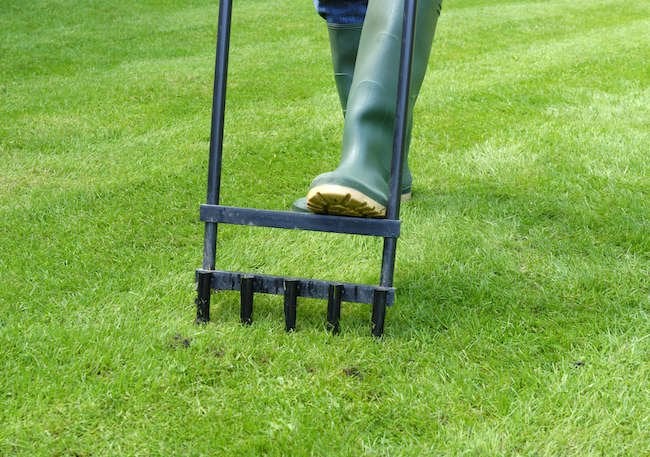
Core aeration can help reduce compaction and improve the movement of air, water, and nutrients into the soil. Dethatching may be needed for severe buildup, but timing matters. Dethatch when the grass is actively growing and can recover, not during heat, drought, or dormancy. Avoid excessive nitrogen and shallow watering, both of which can encourage rapid top growth without strong roots.
7. Puddles and Runoff May Be Saying “My Soil Is Compacted”
If water runs off your lawn instead of soaking in, the issue may be compacted soil, heavy clay, thatch, slope, or poor grading. Compacted soil squeezes out pore spaces that roots need for oxygen and water movement. The result is weak grass, shallow roots, more weeds, more runoff, and the delightful experience of watching expensive irrigation water sprint down the driveway.
How to read the clue
After watering or rain, watch where water collects. Do puddles stay for hours? Does water sheet across the lawn? Is the soil hard to push a screwdriver into? Do weeds such as plantain or knotweed appear in the same areas? These clues often point toward compaction.
What to do
Core-aerate compacted lawns during the active growing season for your grass type. Avoid aerating when the soil is bone-dry or waterlogged. Reduce repeated traffic in problem areas and redirect footpaths if needed. Add organic matter through topdressing with compost where appropriate. Adjust irrigation so water is applied slowly enough to soak in rather than run off. Smart irrigation controllers and rain sensors can help prevent unnecessary watering and reduce waste.
How to Diagnose Lawn Problems Before You Spend Money
Before buying seed, fertilizer, fungicide, insecticide, lime, compost, or a tool with a name that sounds like medieval farm equipment, slow down and diagnose. Lawn problems often overlap. A brown patch may be drought, grubs, disease, compaction, or all of the above. A yellow lawn may need nitrogenor it may need less water, sharper mower blades, or better soil drainage.
Use this quick lawn-check routine
- Check the soil: Is it hard, wet, sandy, sour-smelling, or dusty?
- Inspect the roots: Healthy grass needs firm roots. Loose turf may suggest grub or root damage.
- Look at the blades: Spots, powder, shredding, or discoloration can reveal disease or mowing problems.
- Review watering habits: Frequent shallow watering encourages shallow roots.
- Measure mowing height: Cutting too short stresses grass and invites weeds.
- Consider the site: Shade, slopes, pet areas, tree roots, and foot traffic all matter.
- Get a soil test: It is cheaper than guessing and more useful than blaming the neighbor’s maple tree.
Smart Lawn Care Habits That Prevent Most Problems
A lawn that receives consistent, sensible care is better able to resist weeds, pests, drought, and disease. The basics are not glamorous, but they work.
Mow high and often enough
For many common lawn grasses, mowing higher helps shade the soil, protect crowns, encourage deeper roots, and reduce weed germination. Never remove more than one-third of the grass blade at a time. Scalping the lawn may feel efficient, but grass does not appreciate extreme haircuts.
Water deeply, not daily
Deep, infrequent watering encourages deeper roots. Daily sprinkles train roots to stay near the surface, where they suffer faster during heat. Morning watering is usually best because it reduces evaporation and gives grass blades time to dry.
Feed according to need
Use a soil test and follow local recommendations. More fertilizer does not automatically mean a better lawn. Too much nitrogen can increase disease risk, burn grass, waste money, and contribute to runoff.
Overseed thin areas
Thin turf invites weeds. Overseeding helps fill gaps, improve density, and refresh older lawns. Choose seed suited to your region, sun exposure, and maintenance level.
Aerate compacted soil
Core aeration is especially helpful where lawns receive foot traffic, where soil is heavy clay, or where water runs off. It opens channels for air, water, and nutrients.
Experience-Based Lawn Lessons: What Homeowners Learn the Hard Way
After spending enough weekends staring at a lawn like it owes you an explanation, you begin to learn that turf problems are rarely solved by one dramatic product. The best lawn care is more like detective work than decorating. You observe, test, adjust, and wait. Grass rewards patience. It punishes impulse purchases.
One common experience is the “brown patch panic.” A homeowner sees a dry-looking spot in July and immediately doubles the watering. Two weeks later, the spot is larger, the lawn smells musty, and the grass is not improving. The lesson? Brown does not always mean thirsty. Sometimes it means roots are damaged. Sometimes it means disease is spreading. Sometimes it means the soil is compacted and water is sliding away from the roots. Before watering more, check whether the soil is actually dry two to three inches down.
Another classic lesson involves mowing too short. Many people cut grass low because they think it buys more time between mowings. In reality, scalped grass often becomes stressed, thin, and weed-prone. Taller grass shades the soil, keeps roots cooler, and helps the lawn compete. A lawn cut too short may look tidy for about six minutes, then spend the rest of the week plotting revenge with crabgrass.
Homeowners also learn that shade is not a moral failing. Some areas simply do not support traditional turfgrass well. Under dense trees, beside fences, or along the north side of a house, grass may thin no matter how much fertilizer you apply. In those spots, shade-tolerant seed, mulch, ground covers, stepping stones, or garden beds may be more successful than forcing sun-loving grass to perform in a cave.
Soil testing is another experience that changes how people care for lawns. Before testing, it is easy to assume every problem needs fertilizer. After testing, you may discover that pH is off, phosphorus is already high, potassium is low, or organic matter needs improvement. Suddenly the lawn stops being a mystery and starts being a system. A soil test is not flashy, but it is one of the most useful lawn-care tools available.
Many homeowners also discover that irrigation systems are not automatically smart. A sprinkler set in spring may still run after a rainy week, during cool weather, or while one zone sprays the sidewalk with the confidence of a broken fire hydrant. Checking coverage with tuna cans or catch cups can reveal dry zones, overspray, and uneven watering. Adjusting heads, repairing leaks, and using weather-based controls can save water while improving turf health.
Finally, experience teaches that the best lawn is not always the most perfect lawn. A healthy yard can include a few clover flowers, a slightly thinner shady corner, or a practical mulch path where grass never had a chance. The goal is not to create a golf course unless you have golf-course time, money, and emotional stamina. The goal is a resilient, attractive outdoor space that fits your climate, soil, household, and patience level.
Conclusion: Your Lawn Is TalkingListen Before You Treat
Your lawn’s problems are clues, not insults. Brown patches, moss, weeds, bare spots, yellowing grass, thatch, and puddles each tell a story about what is happening above and below the soil. When you learn to read those signs, you can stop guessing and start making smarter decisions.
The best lawn-care strategy is simple: observe carefully, test the soil, water wisely, mow properly, reduce compaction, choose the right grass for the site, and treat pests or disease only after identifying the real problem. That approach saves money, reduces frustration, and gives your grass a fighting chance to look like it belongs on purpose.
So the next time your lawn looks patchy, yellow, soggy, mossy, or invaded by weeds, do not assume it is doomed. It may just be trying to tell you something. Admittedly, it is doing so in the most passive-aggressive way possiblebut once you understand the message, you can help it recover.