There are two kinds of pantries in this world: the ones that look like a calming Pinterest dream, and the ones where a half-open bag of pasta is leaning on a mystery can from 2022 like it has given up on life. The good news? You do not need a celebrity kitchen, a custom cabinet maker, or the patience of a saint to move from pantry chaos to pantry peace. Sometimes, the smallest upgrade makes the biggest difference, and that upgrade is often a set of free chalkboard style printable pantry labels.
These labels do more than make jars look cute. They create a simple visual system that helps you find what you need, remember what belongs where, and make your pantry easier for everyone in the house to use. Better still, the chalkboard look brings a timeless, slightly farmhouse, slightly modern vibe that somehow whispers, “Yes, I do have my cinnamon under control,” even if your week has been absolute mayhem.
In this guide, we are diving into how to use free chalkboard style printable pantry labels like a pro, which containers and pantry zones benefit most, how to print them well at home, and how to avoid turning your pantry into a label museum. Because yes, labeling helps. But no, you do not need 47 separate labels just to store snacks.
Why Chalkboard Style Pantry Labels Work So Well
Chalkboard style printable pantry labels hit a sweet spot between beauty and function. They look polished on glass jars, plastic canisters, baskets, and bins, but they are also forgiving. Unlike loud, trendy prints that can start feeling dated fast, a chalkboard-inspired design tends to blend with almost any kitchen style. It looks at home in farmhouse kitchens, modern kitchens, cozy family kitchens, and even small apartment kitchens where the “pantry” is really one overachieving cabinet.
The other reason these labels work is psychological. A labeled pantry reduces friction. When you can instantly spot flour, oats, rice, baking soda, snack bars, or pasta, your kitchen becomes easier to use. That means less digging, less duplicate buying, and fewer moments of opening a container and discovering that what you thought was powdered sugar is actually pancake mix. Humbling. Very humbling.
Chalkboard style labels are especially useful because they pair beautifully with removable, erasable, or flexible systems. If your “snack bin” turns into a “protein bar bin” for one season and then becomes the “why do we own so many crackers?” bin the next, chalkboard-inspired labels make that shift feel intentional rather than chaotic.
What Makes a Free Printable Pantry Label Actually Good?
Not all free pantry labels deserve space on your jars. The best printable pantry labels do five jobs at once: they are easy to read, easy to print, easy to trim or align, easy to stick, and easy to live with.
1. Readability beats fancy flourishes
A charming script font is lovely until you cannot tell whether the jar says “flour” or “flower.” A good chalkboard style label should feel decorative without sacrificing legibility. Pantry labels are tiny employees. Their whole job is to communicate quickly.
2. The format should fit real containers
Round labels are great for jar lids. Rectangle labels are usually better for canisters and bins. Smaller labels work well for spices, while broader labels make more sense for flour, sugar, oats, and baking staples. A free printable is only useful if it fits what you already own.
3. Editable options are gold
Pre-written labels are convenient, but editable labels are where the real magic happens. Every household buys different staples. One pantry might need labels for quinoa, couscous, and matcha powder. Another might need ramen, gummy bears, and emergency chocolate chips. No judgment. Editable templates let your pantry reflect your actual life.
4. Durability matters
If you are sticking labels on frequently handled jars, your labels should survive fingerprints, splashes, and the occasional enthusiastic wipe-down. That is why choosing the right paper or printable label stock matters almost as much as the design itself.
5. The system should stay flexible
The smartest pantry labels are not always the most specific ones. Broad labels such as “snacks,” “baking,” “grains,” or “breakfast” often work better than labels that lock you into a single product forever. A pantry is a living system, not a museum exhibit.
Where to Use Chalkboard Style Printable Pantry Labels
You do not need to label every item you own. In fact, over-labeling can backfire. The best pantry label ideas focus on high-impact zones.
Clear canisters and jars
This is the classic move for a reason. Decanting dry goods into clear containers makes the pantry look tidy, helps you see how much is left, and creates visual consistency. Flour, sugar, rice, beans, oats, cereal, pasta, breadcrumbs, granola, and baking ingredients are all great candidates.
Baskets and bins
Baskets are brilliant for corralling awkward packages that do not stack nicely. Think snack bags, juice boxes, tea, seasoning packets, chips, and individually wrapped breakfast items. A chalkboard style label on the front instantly turns a random pile into a category with dignity.
Shelves and zones
Sometimes the label belongs on the shelf, not the food. Labeling shelves with simple categories such as “baking,” “pasta night,” “lunchbox,” or “canned goods” helps the whole household put groceries away correctly. It is like giving your pantry a tiny traffic-control system.
Spice jars and lids
If you keep spices in matching jars, chalkboard labels look especially sharp. You can place them on the front, on the lid, or both, depending on whether your spices sit in a drawer, on a riser, or on a rack behind a cabinet door.
Backstock containers
If you buy in bulk, use larger labels for refill bins or overflow baskets. This keeps your working pantry neat while still letting you track the extras. Nothing says “organized adult” quite like knowing exactly where your backup oats live.
How to Print Free Chalkboard Style Printable Pantry Labels at Home
Printing labels at home is wonderfully satisfying, but it works best when you match the design to the material. If the labels are designed for clear sticker paper, use clear sticker paper. If the look calls for white label stock, use white label stock. This sounds obvious, but home printers have seen some truly baffling human optimism.
Choose the right paper
For a dark chalkboard look with crisp lettering, many label designs look best on white label paper with the chalkboard background built into the design. Some farmhouse or modern pantry label sets are intended for clear sticker paper, which can look extra sleek on glass containers. Read the printable instructions before hitting print.
Use the right printer settings
Select high-quality print settings if you want sharper text and richer color. Let the sheet dry fully before handling, especially with inkjet printers. Smudging a whole page of labels two seconds after printing is a classic crafting tragedy.
Test on plain paper first
Before sacrificing your good sticker paper, print a test page on plain paper and hold it against your jars or bins. This helps you check scale, alignment, and whether “all-purpose flour” is about to wrap around the curved side of a tiny jar like a confused sash.
Cut and apply carefully
If your labels are not pre-cut, use a paper trimmer or sharp scissors for clean edges. Wipe containers before applying labels so dust, oil, or pantry grit does not interfere with adhesion. Pantry grit is real. It travels in flour.
Think about moisture and handling
If your pantry containers are washed often, or if you are labeling items that might go into the fridge or freezer, consider more durable printable materials. Waterproof or freezer-safe label options are worth it when you need a label to hold up instead of curling away like it has lost the will to stick.
How to Organize a Pantry So the Labels Actually Help
Pretty labels cannot rescue a bad system. They are the finishing touch, not the rescue helicopter. Start with a simple organizing plan before you print anything.
Step 1: Declutter first
Pull everything out. Check for stale items, duplicates, and ingredients that were purchased for one specific recipe and then emotionally abandoned. Wipe shelves. Start fresh. A clean slate helps you see what you really use.
Step 2: Group by broad category
Instead of hyper-specific micro-zones, think in broad, flexible categories. Try groups like baking, breakfast, snacks, grains, pasta, canned goods, oils and condiments, spices, and lunchbox items. These categories are easier to maintain and easier to adapt when your shopping habits change.
Step 3: Decide what to decant
Not everything needs a jar. Decant staples you use often or that benefit from uniform storage: flour, sugar, oats, rice, pasta, beans, cereal, nuts, and baking ingredients. Leave some products in their original packaging if the container is functional or the product is used quickly.
Step 4: Keep important info somewhere
If you transfer food out of its original package, do not lose track of the product details. Keep the expiration date, best-by date, or cooking instructions either on the bottom, back, or inside a hidden note system. This is one of the smartest habits in any beautifully organized pantry because a gorgeous jar of lentils is still just a jar of mystery if you forgot when you bought it.
Step 5: Place frequently used items at eye level
Put everyday essentials where they are easiest to grab. Reserve top shelves for backstock or rarely used appliances. Lower zones can work well for kid-friendly snacks or heavier items. Your labels should support convenience, not create a scavenger hunt.
Design Ideas for a Pantry That Looks Pulled Together
Free chalkboard style printable pantry labels look best when they are part of a slightly larger visual plan. Nothing dramatic. Just enough intention to make the room feel cohesive.
Mix labels with matching containers
Uniform containers create a polished look quickly. They do not all need to be identical, but a repeating shape or material helps. Glass jars for dry goods, bins for packets, and baskets for overflow can work beautifully together.
Use contrast wisely
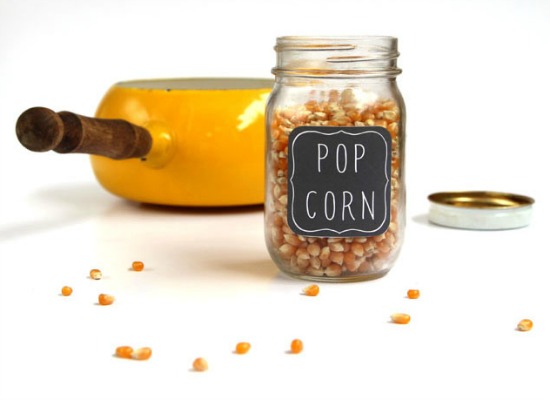
Chalkboard-style labels really pop against clear glass, white canisters, and light woven baskets. That contrast helps the label read clearly and adds charm without screaming for attention.
Pair charm with utility
A pantry can be pretty and practical at the same time. Use lazy Susans for oils or sauces, tiered risers for cans, and door storage for spices or wraps. Then add labels where they reduce confusion. That is the sweet spot.
Do not label for strangers
Design your system for the people who actually live in your home. If “movie snacks” makes more sense than “salty snacks,” use that. If your household really needs a basket labeled “lunch chaos,” frankly, that is honest branding.
Common Mistakes to Avoid
Labeling everything too specifically: Pantries change. Broad categories age better than ultra-narrow ones.
Ignoring dates: Beautiful jars should not erase food information. Keep dates and instructions somewhere practical.
Choosing style over function: A stunning basket that sheds fibers or does not fit the shelf is not your friend.
Skipping the test print: Misaligned labels are a fast route to annoyance.
Thinking labels alone will fix clutter: They help maintain a system, but they cannot create one out of thin air.
Why Free Printable Pantry Labels Are Worth It
Free chalkboard style printable pantry labels are one of the highest-impact, lowest-cost kitchen upgrades you can make. They help reduce visual clutter, support better storage habits, and make a pantry feel intentional instead of accidental. They also make everyday routines easier. Meal prep goes faster. Grocery unloading makes more sense. Family members know where to put things back. And somehow, even grabbing a scoop of oats feels a little more elegant when the jar looks like it has its life together.
Most important, these labels are flexible. You can start small with five jars and one snack basket. You can print a few broad category labels now and expand later. You can change the system as your cooking style, grocery habits, or kitchen space changes. That is the beauty of printable organization. It can evolve without demanding a full lifestyle reinvention.
So yes, free chalkboard style printable pantry labels are adorable. But they are also practical, forgiving, and surprisingly powerful. Which is more than can be said for the random chip clips living in that drawer by the toaster.
Experiences People Commonly Have With Free Chalkboard Style Printable Pantry Labels
One of the most common experiences people have with free chalkboard style printable pantry labels is that they begin with aesthetics and stay for the convenience. At first, the appeal is visual. A row of matching jars with dark, clean labels looks calm, polished, and just a little fancy. It makes the kitchen feel cared for. But after a week or two, the real benefit shows up in ordinary moments. Someone reaches for flour and finds it instantly. A child can spot the snack bin without pulling three things off the shelf. Grocery unpacking goes faster because every category already has a home. The labels stop being decoration and start acting like helpful kitchen signage.
Another experience people talk about is surprise at how much duplicate buying they were doing before labeling. When rice, oats, pasta, and sugar are hidden in half-open bags and random containers, it is easy to assume you are out of something. Once those staples are clearly labeled and visible, shopping becomes more accurate. People tend to notice what they already have, what is running low, and what no longer needs to be purchased “just in case.” It is a small change, but it often makes the pantry feel more efficient and the grocery budget a little less dramatic.
Many households also discover that chalkboard style labels work especially well because they look tidy without feeling too rigid. A pantry is rarely static. School snacks change. Baking phases come and go. One month it is all about sourdough supplies, and the next month the shelf is packed with ramen, granola bars, and cocoa mix. Labels with a chalkboard look tend to handle those shifts gracefully. They feel classic rather than trendy, and if the label format is editable or paired with removable stickers, updating the system feels painless instead of annoying.
People with small kitchens often report an even bigger payoff. In a compact pantry, every inch counts. Labels can make a tiny cabinet feel more usable because they reduce visual noise and decision fatigue. Rather than staring into a shelf of loosely related food items and hoping inspiration strikes, you see clear categories. Breakfast. Baking. Pasta. Snacks. Tea. Suddenly the space feels less cramped because your brain is not working overtime to decode it.
There is also a subtle emotional experience that comes with labeled pantry storage: maintenance gets easier. A system that looks finished is often a system people are more likely to keep up. When jars and bins are labeled, family members can return things to the right place with less guesswork. That means the pantry stays organized longer, and the person who usually ends up fixing everything gets a small but meaningful break. Honestly, that alone deserves a round of applause.
And finally, many people realize that the most successful label systems are the ones that leave room for real life. Not every container has to match. Not every shelf has to look photo-ready. The best experience with free chalkboard style printable pantry labels usually comes from using them as a practical tool, not a perfection contest. A pantry that functions well, looks inviting, and helps your household find the cinnamon without starting a cabinet excavation? That is a win every single time.