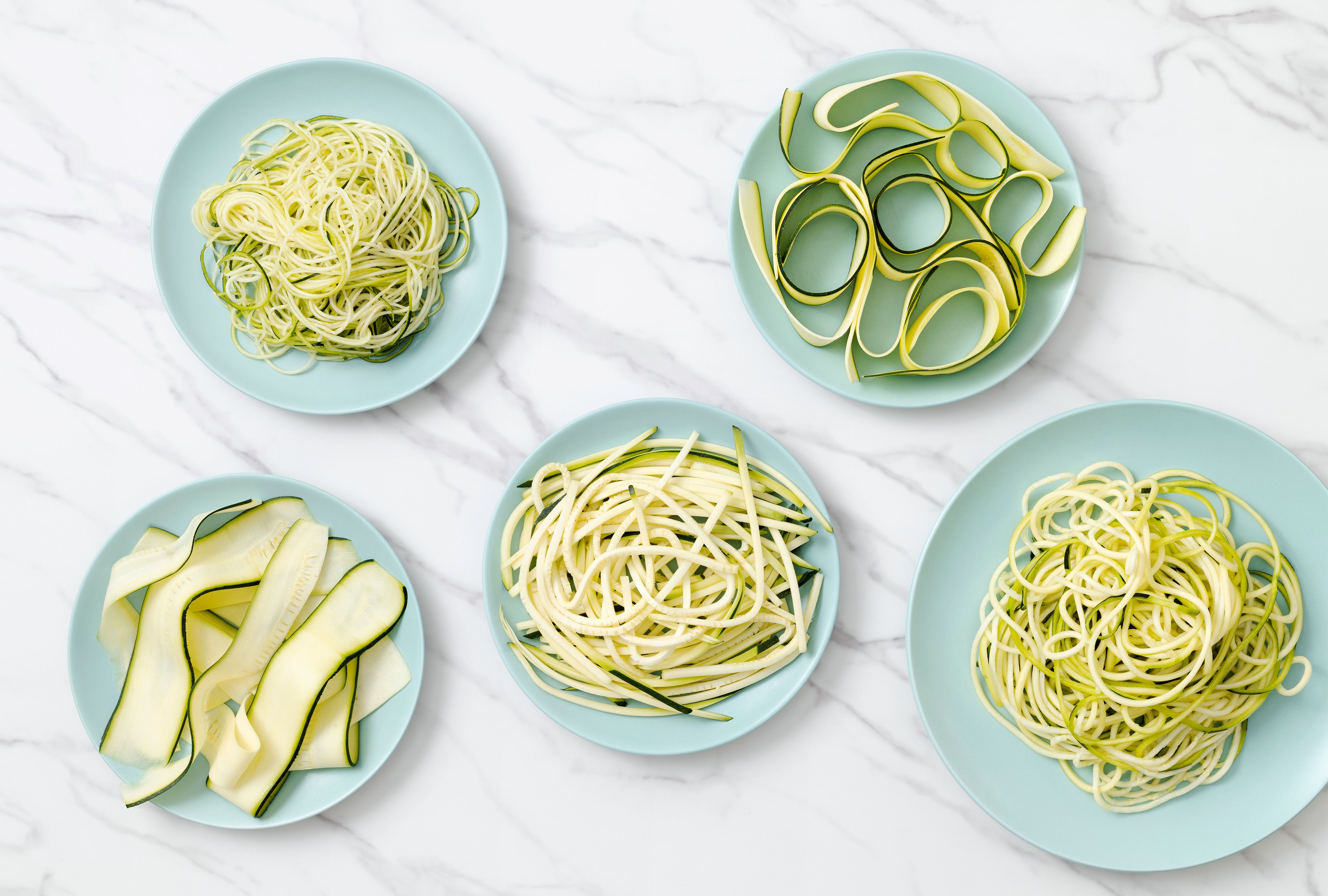
Zucchini noodles (a.k.a. “zoodles”) are the rare food that can be healthy, cheap, and weirdly funlike a salad that decided to cosplay as pasta.
They’re light, gluten-free, and ready in minutes. The catch? Zucchini is basically a water balloon wearing a green jacket. Treat it like regular pasta and you’ll end up with
something closer to “vegetable soup with feelings.”
Good news: making zucchini noodles is easy whether you own a spiralizer or not. This guide walks you through the best tools, cutting methods, and cooking techniquesplus the
moisture-control tricks that keep your bowl from turning into a sad puddle.
What Makes a Great Zoodle (And Why Yours Might Be a Puddle)
Zucchini has a high water content. When you cut it into thin strands, you increase surface areagreat for quick cooking, not great for staying dry. Add heat and salt, and the
zucchini releases moisture fast. The secret to “al dente” zucchini noodles isn’t mystical; it’s a mix of:
- Thickness (slightly thicker strands hold up better)
- Short cooking time (minutes, not “let’s simmer it while I answer emails”)
- Moisture management (drain, blot, and don’t drown them in watery sauce)
Pick the Right Zucchini
If you want long, tidy noodles, start with zucchini that’s firm, straight, and medium-sized. Super-large zucchini tends to
have bigger seeds and a softer interior, which can shred into mushy bits (or create noodles that act like sponges).
- Best size: small-to-medium (easy to grip and less seedy)
- Best shape: straight-ish (crooked zucchini can still workjust trim it into a more even “log”)
- Skin: keep it on for color and structure; peel stripes if you want it prettier
Tools: Spiralizer Options and No-Spiralizer Alternatives
A spiralizer is great, but it’s not the only ticket to Zoodle Town. Here are reliable options, ranked by “noodle-ness” and convenience.
If You Have a Spiralizer
- Countertop spiralizer: Most stable and fastest for big batches. Great suction base, longer noodles, less hand strain.
- Handheld spiralizer: Compact and affordable. Best for quick dinners, but your forearms might file a complaint if you’re making zoodles for a crowd.
If You Don’t Have a Spiralizer
- Julienne peeler: Makes thin strands (closer to “angel hair” vibes). Great for quick sauté or raw salads.
- Mandoline with julienne blade: Fast and uniform. Use a hand guardmandolines are amazing at turning vegetables into noodles and fingers into memories.
- Regular vegetable peeler: Creates wide ribbons (think pappardelle). Gorgeous for salads and simple sauces.
- Chef’s knife: Classic julienne. Slower, but you control thickness and length.
- Box grater: Not true “noodles,” but you can make a shaggy zucchini “nest” that works in bowls, fritter-style mixes, or stir-fries.
- Store-bought zoodles: Totally acceptable. Just know they often hold extra moisturedry them before cooking.
Step-by-Step: Make Zucchini Noodles
1) Wash, Dry, Trim
Rinse zucchini and dry it well. Trim off both ends. If you’re using a spiralizer, cutting off the ends gives you flat surfaces so the zucchini grips better.
2) Cut Into Noodles (Choose Your Method)
Method A: Countertop Spiralizer
- Attach the zucchini between the prongs/holder and the blade.
- Apply gentle pressure and crank/turn the handle.
- Stop when you hit the short “end piece.” Save the nub for salads, omelets, or sautéed veggies.
Method B: Handheld Spiralizer
- Place the spiralizer on one end of the zucchini.
- Twist while pushing forward.
- Rotate the zucchini occasionally to keep pressure even.
Method C: Julienne Peeler
- Hold zucchini firmly on a cutting board.
- Drag the julienne peeler down the length, applying steady pressure.
- Stop when you reach the seedy corethose strips can get soft fast.
Method D: Mandoline (Julienne Blade)
- Set up the julienne blade and use the hand guard.
- Run zucchini lengthwise for longer strands.
- Work slowly and keep the zucchini stablespeed is not the prize here.
Method E: Vegetable Peeler Ribbons
- Peel long, wide strips down the length of the zucchini.
- Once you hit the soft center, rotate and keep peeling from a new side.
- Stack ribbons and slice them thinner if you want “tagliatelle.”
Method F: Knife Julienne
- Slice zucchini lengthwise into thin planks.
- Stack planks and slice into thin matchsticks.
- Keep them slightly thicker than you thinkthin strands cook fast and can go limp in seconds.
The Moisture Step (Do This and Future-You Will Say Thank You)
This is the part most people skip once, regret forever, and then become that friend who texts “DRAIN YOUR ZOODLES” at 6:12 p.m.
Option 1: Quick Blot (Best for Fast Weeknights)
Spread noodles on a towel or paper towels and gently press. This removes surface water without over-salting. Great if you’re cooking right away.
Option 2: Salt + Rest + Squeeze (Best for Saucy Dishes)
- Toss noodles with a small pinch of salt.
- Let sit in a colander 15–30 minutes.
- Gently squeeze (don’t pulverize) and blot dry.
If you salted aggressively, you can do a quick rinse and pat drybut most people do fine with a light hand and good blotting.
Option 3: Leave Them Raw (Best for Crunchy Salads)
If you’re serving zoodles raw (like a zucchini noodle salad), skip the salting step. Salt can soften them fast.
How to Cook Zucchini Noodles (Without Turning Them Into Slump-y Squash)
Zucchini noodles cook fastusually 1 to 5 minutes depending on thickness and method. Your goal is “tender-crisp,” not “overcooked garden string.”
Method 1: Quick Sauté (Most Popular)
- Heat a large skillet over medium-high heat.
- Add a little oil (or butter if you’re feeling fancy).
- Add zoodles and toss for 1–3 minutes.
- Remove with tongs, leaving excess liquid behind in the pan.
Pro move: cook in batches. Crowding traps steam, and steam is basically the villain in this story.
Method 2: Blanch (Best for “Pasta” Texture Without Browning)
- Bring a pot of water to a boil and salt it lightly.
- Drop in zoodles for 30–60 seconds.
- Drain immediately and blot dry.
This is great when you want a clean, soft bite and you’re pairing with a thick sauce (pesto, creamy sauces, or a reduced marinara).
Method 3: Microwave (Surprisingly Useful)
- Place zoodles in a microwave-safe bowl.
- Microwave in short bursts (about 30–60 seconds total), then drain and blot.
It’s not glamorous, but neither is washing three pans. This method is best when you’re in “I need dinner, not a documentary” mode.
Method 4: Low Oven Dry-Out (Great for Extra-Watery Zoodles)
Spread zoodles on paper towels over a baking sheet and warm in a low oven (around 200°F) for 10–15 minutes.
Then gently squeeze/blot again. This is less about cooking and more about moisture control.
Method 5: No-Cook, Just Warm Sauce
Toss raw zoodles with a hot, thick sauce and let the heat soften them slightly. This works well with pesto, a quick garlic-and-olive-oil sauce, or a reduced tomato sauce.
How to Sauce Zoodles Without Creating Zucchini Soup
Zoodles and sauce are like a first date: keep it light and don’t overshare (with liquids).
- Use thicker sauces: pesto, romesco, creamy sauces, or marinara that’s been reduced.
- Warm sauce separately: then toss with zoodles at the end.
- Don’t simmer zoodles in sauce: simmering = more water released = sad bowl.
- Serve immediately: zoodles keep releasing moisture as they sit.
Troubleshooting: Fix Common Zoodle Problems
“My zoodles are watery.”
- Salt-rest-squeeze or at least blot thoroughly.
- Cook in batches in a hot pan and don’t cover with a lid.
- Transfer noodles out with tongs; leave liquid behind.
“They’re mushy.”
- Cook less. Seriouslycut your time in half next round.
- Make thicker strands.
- Skip the seedy center if your zucchini is large and soft inside.
“They’re too long and messy.”
- Give them a few snips with kitchen shears right in the bowl.
- Or chop the zucchini in half before spiralizing for shorter noodles.
“They don’t feel like pasta.”
Zoodles aren’t a 1:1 pasta cloneand that’s okay. Think of them as a veggie base that loves bold flavors. The most satisfying bowls usually include:
a punchy sauce + protein (shrimp, chicken, chickpeas) + something crunchy (toasted nuts, breadcrumbs, seeds).
Make-Ahead and Storage
Zoodles are best fresh, but you can prep ahead if you treat them gently:
- Store raw zoodles in the fridge, loosely covered, with paper towels to absorb moisture.
- Don’t fully salt-and-drain too early if you want crunch; it can soften them over time.
- Cooked zoodles keep, but they’ll release more water in the fridge. Reheat briefly and drain again.
Quick Serving Ideas (Because You’re Hungry)
- Garlic-Lemon Zoodles: quick sauté + garlic + lemon zest + parmesan + black pepper.
- Pesto Chicken Bowl: toss with pesto, add sliced chicken, finish with cherry tomatoes.
- “Bolognese-ish”: warm a thick meat sauce separately, then pile it over zoodles right before serving.
- Caprese Ribbons: peeler ribbons + mozzarella + basil + balsamic + olive oil.
- Spicy Stir-Fry: add zoodles at the end of a stir-fry for 60–90 secondsjust enough to warm.
Conclusion: Your New Zoodle Rulebook (Short, Useful, Repeatable)
If zucchini noodles had a motto, it would be: “Less time, more drying, and don’t crowd the pan.” Choose firm zucchini, cut strands a little thicker than you
think, manage moisture before and after cooking, and toss with sauce at the very end. Do that, and you’ll get a bowl that feels fresh and satisfyingnot like it needs a straw.
Experience Notes: The Real-Life Zoodle Learning Curve (About )
The first time most people make zucchini noodles, it’s a mix of excitement and optimismlike adopting a houseplant because you “feel ready.”
You spiralize (or peel) a mountain of zucchini, admire the curly pile, and think, “Wow, I am the kind of person who makes vegetable noodles.”
Then you cook them for five minutes while you scroll your phone, pour in a jar of thin marinara, and suddenly your dinner is… a warm zucchini bath.
Here’s what tends to happen next: you try again, but this time you cook them less. You realize zoodles don’t need “pasta time,” they need “blink time.”
A quick sautéone to three minutesgets you that tender-crisp bite where the zucchini still has structure. You learn to pull the noodles out with tongs
and leave the liquid behind, like you’re escaping a bad party without making eye contact.
Then you discover thickness. Thin strands look cute, but they surrender fast. Slightly thicker noodles (or peeler ribbons) hold up better, especially with warm sauces.
If you’ve ever watched wide pasta ribbons cling to pesto, you’ll appreciate how zucchini ribbons do the samewithout turning the bowl into a swamp.
Ribbons also feel a little more “restaurant,” even if your restaurant is your kitchen and your chef’s coat is a hoodie.
Next comes the salt lesson. You hear “salt the zoodles” and assume it means “season like pasta.” That’s how you accidentally create briny zucchini.
The better approach is using salt as a tool, not a flavor bomb: a light pinch, a short rest, and a gentle squeeze. Once you feel how much water comes out,
you stop doubting the process. (It’s weirdly satisfying, like wringing out a sponge and thinking, “So that’s where the puddle was coming from.”)
Sauce strategy is usually the final upgrade. Thin, watery sauces are risky because zucchini already brings plenty of liquid to the relationship.
The easiest “aha” moment is switching to thicker saucespesto, creamy sauces, or a tomato sauce reduced until it looks clingy instead of soupy.
Warming the sauce separately and tossing zoodles at the end feels like cheatingin the best waybecause it delivers flavor without the steam bath.
Over time, you also learn that zucchini noodles shine when you build the bowl like a complete meal: protein for satisfaction, crunch for texture, and a punchy finish.
Toasted nuts, crispy breadcrumbs, parmesan, chili flakes, lemon zestthese are the small things that make zoodles feel intentional instead of “diet adjacent.”
And yes, some nights you’ll buy pre-made zoodles and call it self-care. Just blot them first. Future-you deserves that.