Moving heavy furniture upstairs sounds simple until you are standing at the bottom of the staircase, staring at a sofa that suddenly looks like it was built by medieval castle engineers. The stairs are narrow. The walls are freshly painted. The dresser weighs as much as a small refrigerator. And everyone involved is trying to act brave while secretly wondering whether the furniture or their lower back will win.
The good news is that you do not need superhero strength to move heavy furniture upstairs safely. What you need is a smart plan, the right tools, enough helpers, and the humility to admit that gravity is undefeated. Whether you are moving a couch, dresser, bed frame, cabinet, bookshelf, or appliance, the safest approach is to reduce weight, protect the route, use leverage, and move slowly.
This guide explains four simple ways to move heavy furniture upstairs without turning your home into a demolition derby. It is written for real people, real homes, and real staircasesthe kind with tight corners, awkward landings, and that one wall corner that seems personally committed to scratching every piece of furniture you own.
Before You Start: Safety Comes First
Before discussing the four methods, let’s handle the most important rule: do not “just lift it and hope.” That is not a moving strategy. That is a future ice pack.
Professional moving and safety guidance consistently recommends using mechanical help, reducing weight whenever possible, keeping loads balanced, and getting extra people for heavy items. OSHA-style lifting guidance commonly advises that heavy loads should not be handled by one person when the weight, awkward shape, or route creates risk. Stairs increase that risk because the person on the lower end usually carries more of the load.
Check the Route
Walk the entire path before lifting anything. Measure doorways, stair width, ceiling height, landings, railings, and turns. A sofa that fits through the front door may still refuse to turn at the upstairs landing like a stubborn camel.
Clear Obstacles
Remove rugs, shoes, toys, boxes, wall decorations, and anything else that can become a tripping hazard. Tape down loose carpet edges if needed. Good moving is not dramatic; it is boring, planned, and wonderfully free of surprise ankle twists.
Protect Walls and Floors
Use moving blankets, cardboard, painter’s tape, corner guards, or old towels to protect walls, banisters, and floors. Heavy furniture does not politely avoid trim and drywall. Give your home a little armor before the battle begins.
Know When to Hire Help
If the item is extremely heavy, valuable, fragile, oversized, or difficult to gripsuch as a piano, large safe, antique cabinet, solid wood armoire, or major appliancehire professional movers. Saving money is nice. Saving your staircase, spine, and security deposit is nicer.
Way 1: Disassemble and Lighten the Furniture First
The simplest way to move heavy furniture upstairs is to make it less heavy. This sounds obvious, but many people skip it because they are eager to “get it over with.” That enthusiasm usually disappears halfway up the stairs when the dresser starts feeling like it is filled with bricks and bad decisions.
Start by removing everything that can be removed. Take drawers out of dressers, shelves out of bookcases, cushions off sofas, legs off tables, mirrors off vanities, knobs off cabinets, and detachable headboards off bed frames. If the furniture has glass panels, remove them carefully and carry them separately.
For large couches, check whether the legs unscrew. Many do. Removing even two or three inches of height can make the difference between a smooth turn and a staircase traffic jam. For sectional sofas, separate each piece and move them one at a time. For bed frames, label hardware in small bags so you do not spend your first night upstairs sleeping beside a pile of mysterious screws.
Why This Works
Disassembling furniture helps in three ways: it reduces weight, improves grip, and makes awkward pieces easier to angle through tight spaces. A dresser without drawers is lighter and less likely to slide open at the worst possible moment. A table without legs is easier to carry around a corner. A sofa without cushions gives movers better visibility and handling.
Example
Imagine moving a six-drawer dresser upstairs. Fully loaded, it is heavy, awkward, and front-loaded. Remove the drawers, wrap the frame in a blanket, carry the drawers separately, and suddenly the job becomes manageable. You still need helpers, but you are no longer wrestling a wooden rhinoceros.
Pro Tips for Disassembly
Take photos before removing parts so reassembly is easier. Tape screws and small hardware inside a labeled bag, then attach the bag to the furniture with painter’s tape. Avoid using strong tape directly on finished wood because it may damage the surface. If a part feels stuck, do not force it. Check for hidden screws, clips, or brackets.
This method is best for dressers, beds, tables, desks, modular shelving, sectionals, and removable-leg sofas. It is usually the first step before using any other method.
Way 2: Use a Furniture Dolly or Appliance Dolly
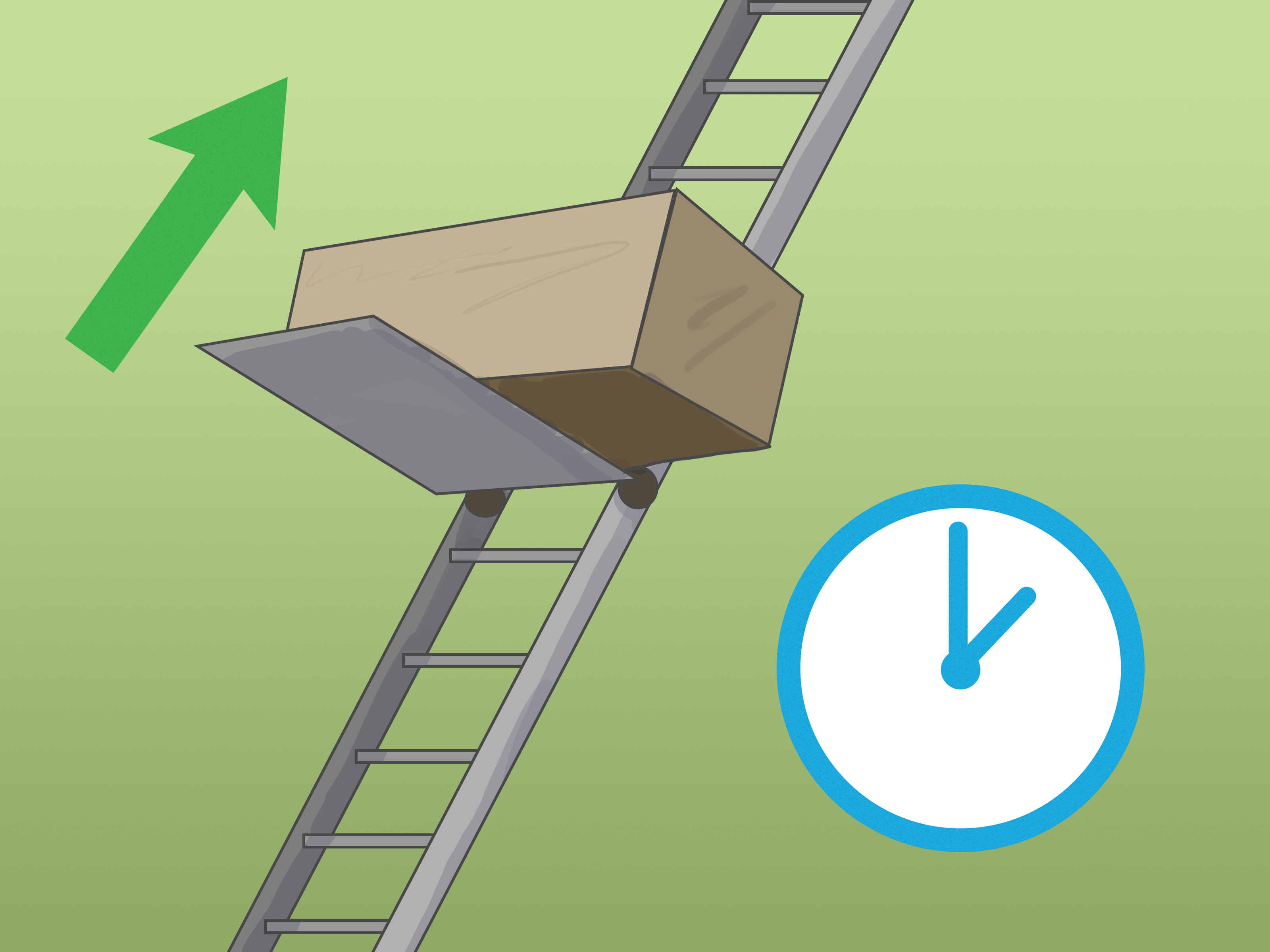
A furniture dolly can make heavy items easier to move across flat surfaces, while an appliance dolly or stair-climbing hand truck is often better for stairs. The key is choosing the right tool for the job. A flat four-wheel dolly is great on level floors, but it is not designed to climb stairs safely. For stairs, an appliance dolly with straps is usually the better choice.
An appliance dolly has a tall frame, wheels, and a strap that secures the item to the dolly. Some models have stair climber rails or belt-like tracks that help control movement on steps. This type of tool is commonly used for refrigerators, washers, dryers, cabinets, and other tall or boxy heavy items.
How to Use a Dolly on Stairs
First, strap the furniture tightly to the dolly. The item should not wobble, lean, or shift. Tilt the dolly back carefully, keeping the load balanced. One person should guide from above, while another person controls and supports from below when needed. Move one step at a time. Do not rush, bounce, or pull aggressively.
The person below is usually in the heavier, riskier position because gravity pulls the load downward. That person should be strong, stable, and focused. The person above should guide, communicate, and help keep the load aligned.
When a Dolly Works Best
A dolly works best for items with flat backs or sturdy frames, such as appliances, cabinets, tall dressers, and bookcases. It is less ideal for soft, floppy, curved, or delicate furniture. A sagging sofa on a dolly can behave like a sleepy sea liontechnically movable, but not exactly graceful.
Protect the Item
Wrap the furniture with moving blankets before strapping it to the dolly. This protects the finish and reduces scratches. Make sure straps are snug but not crushing delicate trim, handles, or decorative panels.
Important Warning
Never use a dolly on stairs without control from more than one person. Never stand directly below a heavy item without a safe grip and escape space. And never rely on wheels alone to hold weight on a staircase. A dolly is a tool, not a magic spell.
Way 3: Use Moving Straps With a Partner
Moving straps are one of the best tools for carrying heavy furniture upstairs because they help distribute weight and give movers better leverage. They are often used for sofas, mattresses, dressers, cabinets, washing machines, and bulky items that are hard to grip by hand.
There are different types of moving straps, including forearm straps and shoulder harness straps. Forearm straps loop around the movers’ arms, while shoulder-style systems use harnesses to shift more of the weight toward the legs and torso. Both are designed to help two people lift more efficiently than they could with hands alone.
Why Moving Straps Help
Furniture is often difficult not because it is only heavy, but because it is awkward. A couch may not have good handholds. A cabinet may be too wide to hug. A mattress may flop around like it has personal opinions. Moving straps create lifting points and help keep the item close to the body, which improves control.
How to Use Moving Straps Upstairs
Place the strap under the furniture according to the product instructions. Each mover should adjust the strap length so the item sits at a comfortable height. On stairs, the taller or stronger person often works from the lower side because that side bears more weight. Move slowly, step by step, while calling out each movement.
Use clear commands such as “lift,” “step,” “pause,” and “lower.” Avoid vague shouting like “Wait, wait, wait!” after someone has already taken a step. Furniture moving is not the time for interpretive communication.
Best Items for Moving Straps
Moving straps are useful for mattresses, sofas, dressers, small appliances, cabinets, and solid tables. They are especially helpful when the item has no easy handles. However, straps may not be safe for furniture with weak legs, loose frames, fragile surfaces, or unstable construction.
Common Mistakes to Avoid
Do not wrap straps around delicate legs or thin trim. Do not lift with a rounded back. Do not let the item swing. Do not use straps if one person cannot keep balance on the stairs. If the load feels too heavy during the test lift, stop and choose a different method.
Way 4: Slide, Pivot, and Carry With a Team
Sometimes the best way to move heavy furniture upstairs is a combination of controlled sliding, careful pivoting, and team lifting. This method works especially well for couches, mattresses, box springs, upholstered chairs, and furniture that can be angled through tight turns.
The goal is not to drag furniture recklessly. The goal is to reduce lifting time while protecting the stairs and walls. Think of it as slow choreography, except everyone is sweating and nobody wants applause until the couch is upstairs.
Use Moving Blankets or Cardboard
For certain items, you can place a moving blanket or thick cardboard under part of the furniture to reduce friction on carpeted stairs or protected surfaces. This can help slide the item upward in small controlled movements. Never slide furniture directly over hardwood stairs without protection.
Use the High-Low Method
The high-low method is common for couches and long furniture. One person carries the lower end while another carries the higher end. The furniture is angled diagonally, allowing it to follow the slope of the stairs. This can make long pieces easier to maneuver through staircases and landings.
Pivot at Landings
For tight turns, move slowly to the landing, set the item down safely, then pivot it before continuing. Do not try to twist mid-step while carrying full weight. That is how walls get dented and backs get angry.
Team Positioning
For very bulky items, use at least three people: two lifters and one spotter. The spotter clears the path, watches corners, protects walls, and gives directions. The spotter should not stand where the furniture could fall or slide. Their job is traffic control, not heroics.
When This Method Works Best
This approach works well for sofas, mattresses, upholstered chairs, lightweight cabinets, and awkward but not dangerously heavy items. It is not ideal for major appliances, safes, pianos, or fragile antiques.
How to Choose the Right Method
The best method depends on the item, the staircase, and the people helping. Here is a simple way to decide:
- Use disassembly first for anything with removable parts.
- Use an appliance dolly for tall, heavy, boxy items.
- Use moving straps for bulky items with poor handholds.
- Use sliding and pivoting for sofas, mattresses, and awkward shapes.
- Hire professionals for pianos, safes, antiques, oversized appliances, or anything that feels unsafe.
Extra Tips for Moving Heavy Furniture Upstairs
Measure Twice, Lift Once
Measure the furniture and the stairway before moving. Include width, height, depth, diagonal clearance, railing height, ceiling height, and landing space. Many failed furniture moves happen because someone measured the doorway but forgot the turn at the top of the stairs.
Wrap Before You Move
Use moving blankets, stretch wrap, or furniture pads to protect edges and surfaces. Wrap sharp corners and secure loose doors or drawers. Do not tape directly onto finished wood, leather, or painted surfaces.
Wear the Right Shoes
Choose closed-toe shoes with good traction. Socks, sandals, and slippery sneakers are not invited to this party.
Lift With Your Legs
Keep your back as straight as possible, bend your knees, and keep the load close to your body. Avoid twisting while lifting. Turn your whole body instead of rotating your spine under weight.
Take Breaks
Fatigue makes people careless. If your grip is weakening or your legs are shaking, pause. There is no award for moving a dresser upstairs in one dramatic push.
Common Mistakes People Make
The first common mistake is underestimating the weight. Furniture always feels lighter in theory. The second mistake is failing to clear the route. A single shoe on the stairs can turn a controlled move into chaos. The third mistake is using too few people. If everyone is silently hoping someone else has control, nobody has control.
Another mistake is forcing furniture through a tight space. If it does not fit, stop and reassess. Remove a door from its hinges, take off legs, change the angle, or bring in professional help. Pushing harder is rarely the answer. Drywall is surprisingly easy to damage and surprisingly annoying to repair.
of Real-World Moving Experience: What Actually Helps
In real-life furniture moving, the biggest difference between a smooth upstairs move and a disaster is preparation. The strongest person in the room is not always the most useful person. The most useful person is often the one who says, “Let’s measure first,” while everyone else is already rolling up their sleeves. That person may not look exciting, but they are the reason the couch does not get stuck halfway up the stairs.
One practical experience many people learn the hard way is that drawers should always come out before moving a dresser. Even if the dresser does not seem too heavy, drawers can slide open while the furniture is tilted. Once that happens on a staircase, the dresser becomes harder to control and the drawer may hit a wall, railing, or helper. Removing the drawers also gives you better handholds inside the frame.
Another helpful lesson is to protect the corners before the first lift. People often plan to “be careful,” but heavy furniture has momentum. Once a sofa, cabinet, or bed frame is moving, it is difficult to stop instantly just because a corner is about to kiss the wall. Wrapping corners with blankets or padding is far easier than repairing dents later.
Communication matters more than muscle. Before lifting, decide who gives commands. One clear leader prevents the classic moving argument where one person says “up,” another says “turn,” and the furniture responds by doing neither. Short commands work best: “lift,” “step,” “pause,” “down,” and “rotate.” Everyone should know that “pause” means freeze safely, not take three more steps and then ask why.
Stair landings deserve respect. They are not just empty spaces; they are reset zones. A good landing gives movers a chance to lower the item, change grip, rotate the piece, breathe, and plan the next section. Trying to make a tight turn without stopping is one of the fastest ways to scrape walls or lose balance.
It also helps to assign one person as the spotter. The spotter should not carry the main weight. Their job is to watch the walls, guide angles, move padding, open doors, and warn lifters before the furniture hits something. A good spotter saves time because lifters often cannot see the corners of the object they are carrying.
Finally, the most underrated moving skill is knowing when to stop. If the furniture feels unstable, if someone loses grip, if the angle is wrong, or if the item clearly does not fit, stop immediately. Set it down safely and rethink the plan. Changing methods is not failure. It is how smart movers keep a difficult job from becoming an expensive one.
Conclusion
Moving heavy furniture upstairs does not have to be a back-breaking circus act. The four simplest methods are to disassemble and lighten the furniture, use a dolly, use moving straps, and rely on controlled sliding, pivoting, and team carrying. The safest moves happen slowly, with planning, padding, communication, and the right number of helpers.
Before lifting anything, measure the route, clear the stairs, protect the home, and decide which method fits the item. Heavy furniture is manageable when you respect the weight, respect the staircase, and respect gravity’s undefeated record.
Note: This article is based on practical moving and home-safety guidance from reputable U.S. moving, home improvement, and workplace safety resources. Always use professional movers for extremely heavy, fragile, valuable, or dangerous-to-handle items.