Some kitchens walk into the room wearing a tuxedo. Others arrive in muddy boots, carrying a basket of eggs, and somehow look even more stylish. A Swiss-inspired kitchen in England belongs to that second, more charming category: practical, warm, understated, and quietly confident. It does not beg for attention with glittering hardware or marble drama. Instead, it wins you over with honest wood, clever storage, blue tile, black appliances, and the kind of calm order that makes you want to alphabetize your spice jarsthen immediately bake bread.
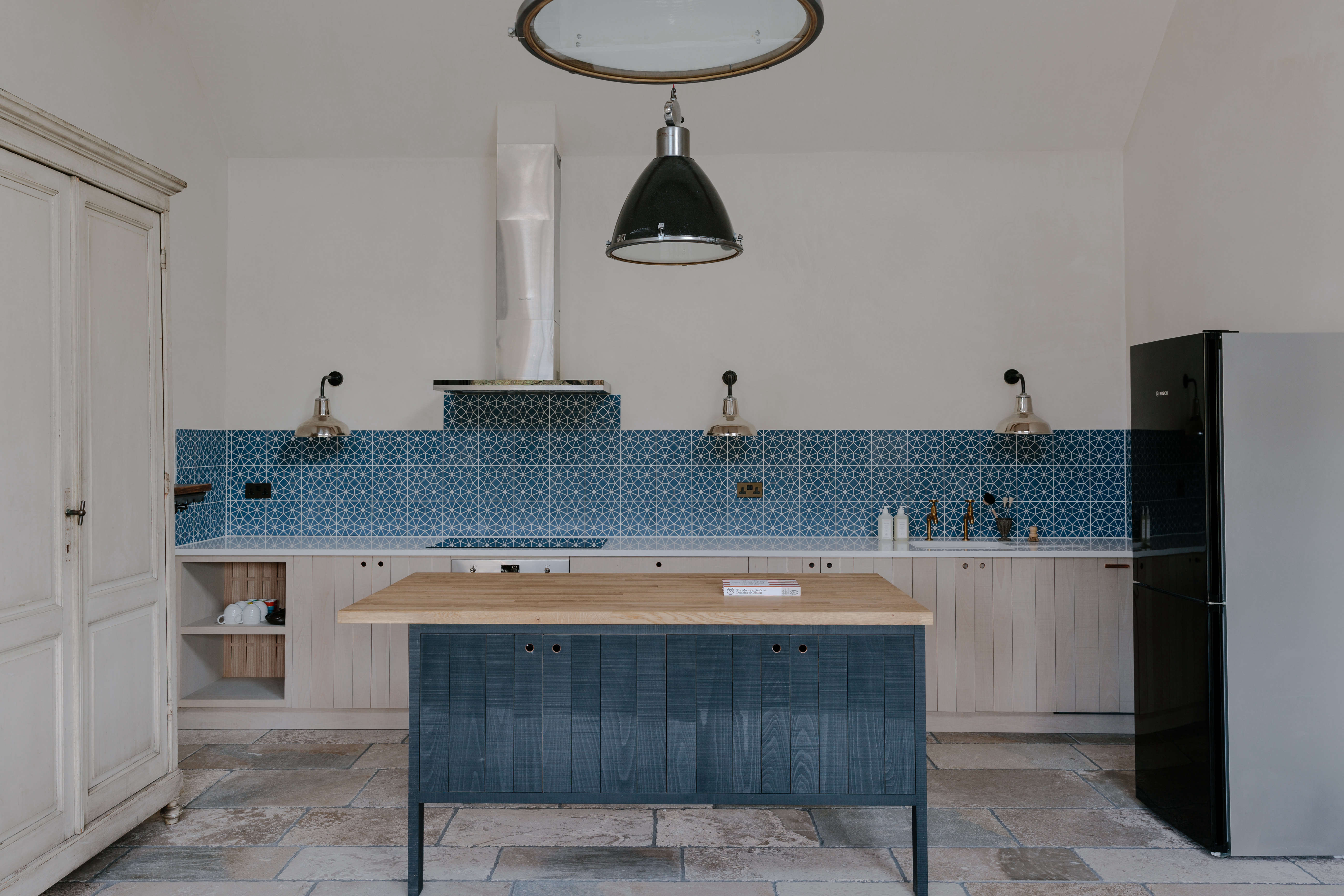
The inspiration for this look comes from a renovated country kitchen in the Cotswolds, where rustic English architecture meets crisp Swiss design thinking. The result is not a theme kitchen. There are no cowbells on the wall, no mountain murals, and thankfully no fondue fountain pretending to be decor. The magic is subtler: clean lines, durable materials, smart proportions, industrial accents, and a natural palette that feels collected rather than decorated.
In this guide, we will break down how to recreate the look in a real home, whether you live in a stone cottage, a suburban ranch, a city apartment, or a rental where the cabinets appear to have been chosen during a power outage. The goal is simple: steal the mood, not the floor plan. Think Swiss precision, English countryside soul, and modern farmhouse ease.
What Makes a Swiss-Inspired English Kitchen So Appealing?
A Swiss-inspired kitchen is built around the idea that beauty should earn its keep. Every cabinet, handle, work surface, and light fixture should look good, yesbut it should also work hard. Swiss design is often associated with functionality, neat proportions, quality materials, and restraint. English country kitchens, on the other hand, bring texture, age, comfort, and a tiny whisper of “there may be scones nearby.” Put them together and you get a kitchen that feels both efficient and lived-in.
The English side of the look shows up in the architectural softness: natural wood, cottage-style warmth, handmade tile, and a relaxed dining area. The Swiss side arrives through the clean cabinetry, cutout pulls, compact appliance arrangement, and fuss-free finishes. It is a kitchen that understands the assignment: cook dinner, host friends, age gracefully, and never look like it is trying too hard.
The Foundation: Color-Tinted Wood Cabinets
The heart of this kitchen style is cabinetry with visible texture. Instead of glossy white doors or heavily ornamented fronts, choose wood cabinets that show grain, tone, and touch. Color-tinted wood is especially effective because it gives the kitchen depth without hiding the material underneath. It is like makeup for timber: enough to enhance, not enough to confuse everyone at the family reunion.
Look for rough-sawn, oak, ash, pine, or other textured woods in soft neutral stains, smoky brown, charcoal, inky blue, or pale gray-green. Flat-front doors with integrated cutout pulls are ideal because they remove visual clutter. The handles become part of the cabinet rather than jewelry attached afterward. This is one of the key reasons the kitchen feels calm and architectural.
How to Get the Cabinet Look
If you are remodeling from scratch, consider custom or semi-custom wood cabinetry with slab doors and recessed pulls. If that is outside the budget, you can still borrow the effect with cabinet refacing, new flat-panel doors, or carefully painted cabinets in a muted tone. For a budget-friendly update, replace ornate hardware with simple black, brass, or wood knobsbut keep the finish matte. Shiny chrome can work in many kitchens, but here it may feel like it wandered in from a dental office.
Open shelving also helps. A few sturdy wood shelves above a backsplash can soften the kitchen and provide space for everyday pieces: stacked bowls, ceramic pitchers, glass jars, and that one beautiful mug everyone secretly fights over.
The Backsplash: Blue Tile With Personality
A Swiss-inspired kitchen in England does not need a loud backsplash, but it benefits from one memorable detail. Blue tile is perfect because it adds color without overpowering the natural wood. Deep blue, denim, slate, faded indigo, and blue-gray all work well. The best options have slight variation in tone, which makes the wall feel handmade rather than machine-perfect.
Handmade or handmade-look tiles are especially suited to this design. Their uneven surfaces catch light, while small imperfections add charm. In a kitchen that leans minimal, tile texture keeps the space from feeling flat. The effect is practical, too: a blue backsplash hides the occasional splash better than plain white tile. Tomato sauce is still dramatic, but at least the wall will not immediately file a complaint.
Tile Ideas That Fit the Look
For a close interpretation, choose square or rectangular blue tiles with a matte or softly glazed finish. Use them behind the stove, along the sink wall, or as a single backsplash band. If your kitchen is small, avoid covering every wall in strong blue. A controlled area will feel intentional; too much can make the room look like it is auditioning for a seaside café.
Pair blue tile with light grout for a crisp look or medium gray grout for a more forgiving, lived-in finish. In a rustic-modern kitchen, slightly imperfect grout lines are not a disaster. They are called character, and character is cheaper than perfection.
Industrial Accents: The Modern Edge
The English country elements need a counterbalance, and industrial accents do the job beautifully. A stainless steel range hood, black appliances, metal-framed lighting, or dark window details can keep the kitchen from becoming too sweet. This is important. Without contrast, a rustic kitchen can drift into “adorable cottage gift shop” territory, and nobody wants to chop onions in a room that looks like it sells lavender sachets.
A streamlined wall hood is one of the easiest ways to introduce this edge. Stainless steel works because it reflects light and connects visually with appliances. Black also works, especially if your cabinets are pale or natural wood. The key is simplicity. Choose a hood with a clean shape, not one with curvy decorative trim.
Black Appliances Without the Gloom
Black appliances are ideal for this look because they add graphic strength. A black refrigerator, black oven, or black induction cooktop can make wood cabinets feel more sophisticated. To keep the room from feeling heavy, balance black with warm wood, pale walls, natural light, and a lighter worktop. Think punctuation marks, not blackout curtains.
Induction cooking also suits the Swiss-inspired mood. It is sleek, efficient, easy to clean, and visually quiet. In a kitchen that values practicality, that matters. A smooth cooktop set into a simple counter gives the whole cooking zone a neat, modern rhythm.
Worktops: Keep Them Honest and Hardworking
For countertops, choose materials that feel durable and unfussy. Stone, composite quartz, stainless steel, sealed wood, or a simple pale solid surface can all work. The best choice depends on how you cook. If you are a passionate baker, stone or quartz gives you a cool surface for dough. If you love a professional kitchen feel, stainless steel is hygienic and practical. If you prefer warmth, butcher block can soften the harder edges.
The color should stay grounded: off-white, warm gray, mushroom, charcoal, or natural wood. Avoid high-gloss glittery surfaces. A Swiss-inspired English kitchen does not need countertops that sparkle like a prom dress. It needs surfaces that can handle coffee spills, soup prep, and the emotional journey of assembling flat-pack furniture nearby.
Lighting: Simple Fixtures, Warm Glow
Lighting is where this look becomes welcoming. A kitchen can have the finest cabinets in the world, but if the lighting is cold and harsh, dinner will feel like it is being prepared under interrogation. Choose warm bulbs, simple metal fixtures, and layered lighting. Use task lighting near prep areas, ambient lighting for the room, and one or two decorative fixtures over a table or island.
Industrial pendant lights work particularly well. Look for enamel shades, black metal, brushed steel, or simple glass. Wall-mounted task lamps can also add charm, especially above open shelves or near a prep counter. The goal is practical illumination with a little workshop spirit.
Do Not Forget Natural Light
Natural light is a major part of why this style feels so fresh. If your kitchen has good windows, keep treatments simple. Linen café curtains, woven shades, or bare windows can all work. Avoid heavy drapery. In this kitchen, the window is not wearing a ball gown.
The Dining Zone: A Table That Works Hard
Many English country kitchens revolve around a table rather than a large island. That detail is worth stealing. A sturdy wood dining table makes the kitchen more flexible and more human. It becomes a prep zone, breakfast spot, homework station, and gathering place. In a Swiss-inspired version, the table should be simple, strong, and beautifully proportioned.
Choose a farmhouse table, trestle table, or clean-lined wood table with visible grain. Pair it with benches, spindle chairs, café chairs, or a mix of seating. The room should feel collected, not showroom-staged. If one chair looks slightly different, congratulations: you have achieved charm without scheduling a committee meeting.
Flooring: Natural, Durable, and Quietly Rustic
Flooring sets the mood before anyone notices the cabinets. Stone, terracotta, brick, wood, porcelain tile, and high-quality wood-look flooring can all suit this style. In an old English cottage, flagstone or brick adds instant character. In a modern home, wide-plank wood or durable porcelain can create a similar warmth with easier maintenance.
The best floors for this look are not too polished. Matte finishes feel more natural and forgiving. Slight variation in tone is also helpful because real kitchens are not museums. They host dropped spoons, muddy shoes, and the occasional grape that rolls under the cabinet and enters witness protection.
Storage: The Swiss Secret Weapon
The beauty of Swiss-inspired design is that it does not confuse minimalism with inconvenience. A good kitchen should make daily tasks easier. That means deep drawers for pans, vertical dividers for trays, pullout waste bins, accessible pantry storage, and clear zones for prep, cooking, cleaning, and serving.
Instead of stuffing every wall with upper cabinets, consider a balanced mix: lower drawers, tall pantry storage, a few open shelves, and one hardworking cabinet for appliances. This keeps the kitchen visually calm while still functional. The goal is not to own fewer things than a monk. The goal is to give every useful thing a sensible place to live.
Smart Storage Ideas to Steal
Use wide drawers under the cooktop for pots and pans. Add a narrow pullout for oils and spices near the stove. Install tray dividers above or beside the oven. Keep everyday dishes on open shelves only if you actually use them often; otherwise, open shelving becomes a dust museum with plates.
For small kitchens, built-in storage matters even more. A freestanding table with drawers, a wall rail for utensils, and a compact pantry cupboard can create the feeling of an efficient European kitchen without adding square footage.
Decor: Fewer Pieces, Better Choices
This style does not need much decoration. In fact, too many accessories can weaken the look. Choose practical objects that are attractive enough to leave out: a ceramic jug, a wooden cutting board, linen towels, glass storage jars, a woven basket, a pepper mill, and a stack of white or stoneware bowls.
Plants also work well. A pot of herbs on the windowsill or a vase of wild-looking branches can bring the outside in. Keep the arrangement loose and seasonal. This kitchen should look like someone cooks here, not like a stylist sprinted through with a clipboard and a panic-level candle budget.
Color Palette: Warm Neutrals With One Strong Accent
The palette should feel earthy and restrained. Start with wood tones, soft white, warm gray, mushroom, stone, charcoal, and black. Then add blue through the backsplash, dishware, or textiles. The blue is the wink in the room. Everything else is the steady handshake.
If you want a softer interpretation, use pale blue-gray tiles and light oak. For a moodier version, combine dark stained wood, black appliances, slate flooring, and deep blue tile. Both can feel Swiss-inspired, as long as the shapes remain simple and the materials feel honest.
How to Steal This Look on Different Budgets
Small Budget: Change the Surface Story
Paint walls in a warm off-white, add blue tile peel-and-stick panels or a small tiled backsplash, replace cabinet hardware with simple black pulls, and bring in wood cutting boards, linen towels, and industrial-style lighting. Even a rental can capture the mood with a freestanding wood table and black metal stools.
Medium Budget: Upgrade the Key Features
Refinish cabinets, install real blue tile, replace a dated range hood, add open shelves, and upgrade lighting. Choose matte finishes and natural textures. If appliances need replacing, black or stainless models will support the look better than glossy white ones.
Large Budget: Build the Room Around Craft
Invest in custom wood cabinetry, integrated pulls, stone or stainless counters, a high-performance induction cooktop, a strong ventilation system, and architectural lighting. Keep the design disciplined. The temptation in a large-budget remodel is to add more. This look succeeds when you add better.
Why This Kitchen Style Works for Modern Living
A Swiss-inspired kitchen in England feels current because it avoids the extremes. It is not sterile minimalism. It is not cluttered nostalgia. It is not farmhouse cosplay with twelve signs explaining where the pantry is. It is a balanced style that respects old buildings and modern routines at the same time.
It also reflects a broader shift in kitchen design: people want warmth, natural materials, energy-conscious appliances, better lighting, and spaces that can handle real life. The modern kitchen is no longer just a place to cook. It is where people work, snack, talk, scroll, plan, argue gently about dishwasher loading, and return for one more handful of crackers. A design that is both efficient and comforting has staying power.
Common Mistakes to Avoid
The first mistake is making the kitchen too themed. Swiss-inspired does not mean decorating with alpine clichés. Focus on function, craftsmanship, proportion, and material honesty. The second mistake is using too many finishes. If you have wood cabinets, blue tile, black appliances, stainless steel, stone counters, brass hardware, patterned curtains, and five kinds of chairs, the room may begin to feel like it is hosting a design conference.
The third mistake is ignoring layout. A beautiful kitchen that does not work is just an expensive obstacle course. Keep the sink, stove, refrigerator, prep space, and trash zone arranged logically. Make sure cabinet doors and appliance doors can open without starting a wrestling match. Leave enough clearance around tables and islands. Practicality is not the boring part of this lookit is the whole point.
Experience Notes: Living With a Swiss-Inspired Kitchen Look
Here is the thing about this kitchen style: it gets better when you actually use it. Some interiors look best in photographs, which is another way of saying they are terrified of toast crumbs. A Swiss-inspired English kitchen is different. It is designed to absorb daily life gracefully. The wood gains depth. The tile catches light differently throughout the day. The table collects little dents and stories. The room becomes more itself over time.
One of the most satisfying experiences is the sense of order. When cabinets have simple fronts and integrated pulls, the whole room visually quiets down. You may still have a drawer full of mysterious batteries, birthday candles, and one tiny screwdriver, but from the outside, the kitchen looks composed. That matters. A calm kitchen can make cooking feel less chaotic, even when dinner is just pasta and a heroic amount of grated cheese.
The blue backsplash also proves its worth quickly. It gives the room a focal point without demanding constant styling. In the morning, it feels fresh and clean. At night, under warm lighting, it becomes deeper and cozier. Blue is surprisingly flexible: it can lean rustic, modern, coastal, or industrial depending on the surrounding materials. Against textured wood, it feels grounded rather than trendy.
Black appliances are another practical win. They create contrast and hide minor smudges better than some lighter finishes. The trick is to repeat black in small ways around the room: a pendant light, chair frame, faucet, cabinet hinge, or picture frame. Repetition makes black appliances look intentional instead of like they were chosen because the stainless model was out of stock.
A real table in the kitchen changes how the room behaves. Unlike an island, which often becomes a landing strip for mail and snack wrappers, a table invites people to sit down. It makes the kitchen feel less like a workstation and more like a room. You can prep vegetables there, drink coffee there, fold napkins there, or supervise homework while pretending to understand new math. The table adds emotional warmth that sleek cabinetry alone cannot provide.
The maintenance is refreshingly reasonable if you choose finishes wisely. Matte wood hides fingerprints better than glossy lacquer. Handmade-look tile forgives small splashes. Stone or quartz counters can handle everyday cooking. Open shelves do require discipline, but not perfection. Keep only frequently used items on display and store the rest behind doors. The kitchen should feel edited, not empty.
Most importantly, this look has longevity. It does not depend on a single viral trend. Natural wood, good light, simple cabinets, practical storage, and durable surfaces have been useful for generations. The Swiss-inspired part adds discipline; the English country part adds heart. Together, they create a kitchen that feels designed, but not precious. And that is the sweet spot: a room elegant enough to admire, sturdy enough to use, and relaxed enough to forgive you when you eat toast over the sink.
Conclusion: Steal the Spirit, Not Just the Stuff
To recreate a Swiss-inspired kitchen in England, focus on the principles behind the look: honest materials, smart storage, warm wood, blue tile, simple lighting, black or stainless accents, and a table that makes people want to linger. Do not chase exact copies. Instead, translate the mood into your own space.
The best version of this kitchen is not perfect. It is practical, warm, slightly rustic, quietly modern, and ready for real life. It can handle soup bubbling on the cooktop, muddy boots near the door, coffee with friends, and the occasional ambitious baking project that ends with flour in places flour has no business visiting. That is the charm. This is a kitchen with manners, muscle, and a very good sense of proportion.