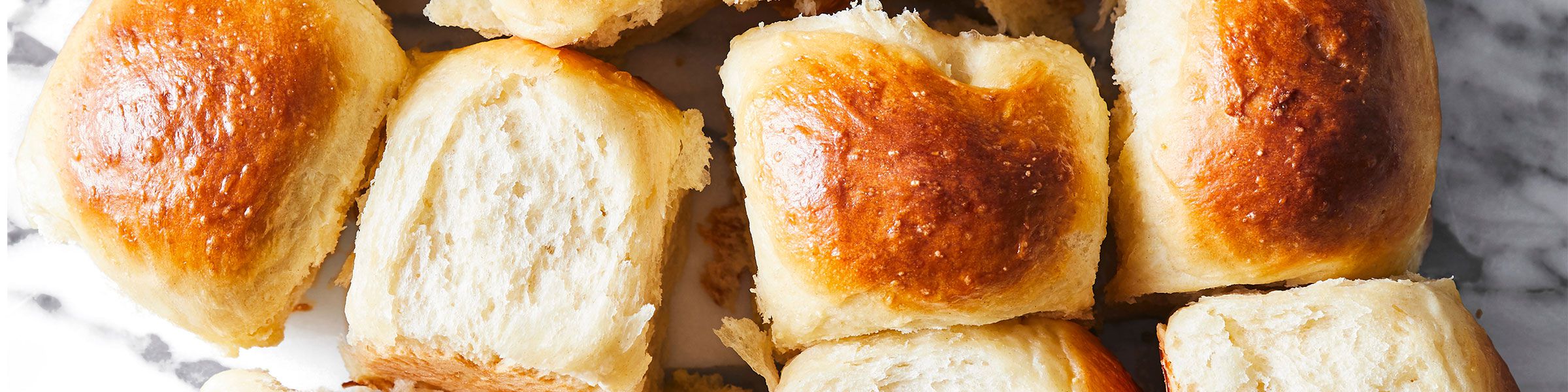
Few kitchen projects feel as wonderfully dramatic as baking bread. You begin with humble ingredientsflour, water, yeast, salt, maybe a little butter or honeyand somehow end up with a golden loaf that makes the whole house smell like a bakery with excellent emotional support skills. Bread recipes can be simple, rustic, sweet, savory, crusty, fluffy, fast, slow, beginner-friendly, or just fancy enough to make you feel like you should own a linen apron.
The best part? Homemade bread is not reserved for professional bakers whispering motivational quotes to sourdough starters. With the right method, you can make sandwich bread, no-knead artisan loaves, focaccia, quick breads, dinner rolls, flatbreads, banana bread, whole wheat bread, and more in an ordinary home kitchen. This guide breaks down the most useful bread recipes, baking techniques, ingredient tips, and real-life lessons so you can bake with confidenceand maybe only cover the counter in flour once or twice. That is called growth.
Why Bread Recipes Work: The Simple Science Behind a Great Loaf
Most classic yeast bread recipes are built around four main ingredients: flour, water, yeast, and salt. Flour provides structure, water hydrates the flour and activates gluten development, yeast creates gas that makes the dough rise, and salt adds flavor while helping control fermentation. Add fat, milk, eggs, sugar, or enrichments, and the bread becomes softer, sweeter, richer, or more tender.
Gluten is the stretchy protein network that helps dough trap air. When you knead, fold, or let dough rest, gluten develops and gives bread its chew. Fermentation is the period when yeast consumes sugars and produces carbon dioxide. That gas expands the dough and creates the airy crumb people love in homemade bread. Time also improves flavor, which is why many no-knead bread recipes use long rests instead of intense kneading.
Quick bread recipes are different. Banana bread, zucchini bread, cornbread, biscuits, and soda bread usually rely on baking powder or baking soda instead of yeast. They do not need a long rise, which makes them perfect when you want fresh bread todaynot after you have emotionally bonded with a dough ball overnight.
Essential Ingredients for Homemade Bread
Flour
Bread flour has a higher protein content than all-purpose flour, which helps create a chewier loaf with more structure. All-purpose flour works well for many beginner bread recipes, especially sandwich bread, dinner rolls, flatbreads, and quick breads. Whole wheat flour adds nutty flavor and nutrients, but it absorbs more liquid and can make bread denser if used without adjustment.
Yeast
Instant yeast and active dry yeast are the most common choices for home bakers. Instant yeast can usually be mixed directly into flour, while active dry yeast is often bloomed in warm liquid first. Both can make excellent bread. The key is temperature: liquid should be warm, not hot. If it feels like bathwater, the yeast is probably happy. If it feels like a lava spa, the yeast may file a complaint and stop working.
Salt
Salt is not optional unless a recipe is specifically designed without it. It sharpens flavor, strengthens dough, and keeps fermentation from moving too quickly. Bread without enough salt can taste flat, even if the texture is perfect.
Fat and Sweeteners
Butter, olive oil, milk, eggs, and sugar create softer, richer bread. Sandwich loaves, brioche-style rolls, cinnamon bread, and milk bread often include these ingredients. Lean doughs, such as rustic artisan bread or baguette-style loaves, usually stick closer to flour, water, yeast, and salt for a crisp crust and chewy interior.
Beginner-Friendly Bread Recipes to Try First
1. Simple White Sandwich Bread
A basic sandwich bread recipe is the ideal starting point for beginners. It usually includes flour, yeast, water or milk, salt, a little sugar, and butter or oil. The dough is kneaded until smooth, allowed to rise until doubled, shaped into a loaf, proofed again, and baked until golden. The result is soft, sliceable bread that works for toast, grilled cheese, peanut butter sandwiches, and midnight “just one more slice” situations.
2. No-Knead Artisan Bread
No-knead bread is famous because it asks very little of you and still looks like it came from a serious bakery. You mix flour, yeast, salt, and water into a shaggy dough, let it rest for many hours, shape it gently, and bake it in a hot Dutch oven. The long fermentation builds flavor, while the covered pot traps steam and creates a crisp crust.
3. Focaccia
Focaccia is the friendliest bread at the party. It is olive-oil-rich, dimpled, salty, and endlessly customizable. Top it with rosemary, garlic, cherry tomatoes, caramelized onions, olives, sea salt, or even thin potato slices. A high-hydration dough gives focaccia its bubbly texture, while generous oil makes the edges deliciously crisp.
4. Quick Banana Bread
Banana bread is technically a quick bread, not a yeast bread, but nobody complains when there is a warm slice on the plate. The secret is using very ripe bananas, mixing gently, and not overbaking. Add walnuts, chocolate chips, cinnamon, or a swirl of peanut butter for personality. If your bananas look too freckled for polite society, they are probably perfect for baking.
5. Whole Wheat Bread
Whole wheat bread has a hearty flavor and works beautifully for toast and sandwiches. For a softer loaf, many bakers use a mix of whole wheat flour and bread flour or all-purpose flour. Honey, milk, and oil can help balance the stronger flavor and create a tender crumb.
6. Dinner Rolls
Dinner rolls are soft, buttery, and excellent at making soup feel like a full event. Enriched dough with milk, butter, and a little sugar creates a pillowy texture. Brush the rolls with melted butter after baking and watch them disappear faster than your plan to “save some for tomorrow.”
7. Flatbread
Flatbread is one of the easiest bread recipes because it can be cooked on a skillet instead of baked. Some versions use yeast, while others rely on baking powder or yogurt for tenderness. Flatbread works with dips, wraps, grilled meats, roasted vegetables, or a quick pizza-style topping.
Core Bread Baking Techniques
Kneading
Kneading develops gluten and turns rough dough into something smooth and elastic. You can knead by hand or use a stand mixer with a dough hook. The dough should become stretchy and slightly tacky, not dry and stiff. If it sticks everywhere, add flour slowly. If it feels tough, give it a short rest before kneading again.
Proofing
Proofing is the final rise after shaping. Underproofed dough may burst or bake dense, while overproofed dough can collapse. A helpful test is the poke test: gently press the dough with a floured finger. If it slowly springs back and leaves a slight indentation, it is usually ready to bake.
Shaping
Shaping builds surface tension so bread rises upward instead of spreading sideways like it has lost ambition. For sandwich bread, roll the dough into a tight log and place it seam-side down in a loaf pan. For round artisan bread, tuck the edges underneath until the surface feels smooth and taut.
Steam
Steam helps create a crisp, shiny crust on rustic bread. A Dutch oven is one of the easiest ways to trap steam at home. For loaves baked on a sheet pan or stone, some bakers add a pan of hot water to the oven, but always do this carefully to avoid burns.
Common Bread Problems and How to Fix Them
Dense Bread
Dense bread can happen when dough is under-kneaded, underproofed, overloaded with flour, or made with weak yeast. Measure flour carefully, let the dough rise fully, and check that your yeast is fresh. Whole grain doughs may naturally be denser, so give them enough hydration and time.
Gummy Interior
A gummy crumb often means the bread was underbaked or sliced too soon. Bread continues to set as it cools. Waiting at least 30 minutes for smaller loaves and closer to an hour for crusty artisan bread can make a big difference. Yes, waiting is painful. Bread has no respect for human impatience.
Pale Crust
A pale crust can come from low oven temperature, too little bake time, or not enough sugar or fat in enriched breads. For rustic loaves, a hotter oven and steam help. For rolls and sandwich loaves, brushing with milk, egg wash, or butter can encourage browning.
Dough That Will Not Rise
If dough does not rise, the yeast may be expired, the liquid may have been too hot, or the kitchen may be too cold. Move the dough to a warm, draft-free spot. If nothing happens after a long wait, the yeast may be inactive. At that point, the dough has chosen silence.
Flavor Ideas for Better Bread Recipes
Once you understand basic bread recipes, you can start customizing. Add roasted garlic and herbs to focaccia, cinnamon sugar to sandwich dough, shredded cheese and jalapeños to a rustic loaf, or oats and seeds to whole wheat bread. For sweet quick breads, try pumpkin, apple, cranberry-orange, lemon-poppy seed, or chocolate banana. For savory quick breads, cheddar, chives, cornmeal, black pepper, and sun-dried tomatoes are excellent options.
Preferments such as poolish, biga, or sourdough starter can improve flavor and texture by allowing part of the dough to ferment before the final mix. These methods take more planning but reward you with deeper flavor, better crust, and a more complex aroma.
How to Store Homemade Bread
Lean crusty bread is best stored cut-side down at room temperature for the first day. After that, wrap it loosely or freeze slices for later. Soft sandwich bread should be cooled completely, then stored in a bread bag or airtight container. Avoid refrigerating bread unless you must; refrigeration can make bread stale faster. For long-term storage, slice the loaf, freeze it, and toast slices straight from the freezer.
Useful Bread Recipe Examples
Basic No-Knead Bread Formula
Mix 3 cups bread flour, 1 1/2 teaspoons salt, 1/4 teaspoon instant yeast, and 1 1/2 cups warm water until shaggy. Cover and rest 12 to 18 hours. Shape gently, rest again for about 1 hour, then bake in a preheated Dutch oven at high heat until deeply golden. This is a flexible starting point for herbs, roasted garlic, olives, or seeds.
Simple Quick Bread Formula
Whisk dry ingredients in one bowl, wet ingredients in another, combine gently, pour into a greased loaf pan, and bake until a tester comes out clean. The most important rule is not to overmix. Lumpy batter is fine. Overmixed batter becomes tough, and nobody wants banana bread with the personality of a rubber boot.
Everyday Dinner Roll Idea
Use an enriched dough made with milk, yeast, flour, butter, sugar, salt, and one egg. Let it rise, divide into small balls, arrange in a baking dish, proof until puffy, and bake until golden. Brush with butter and sprinkle with flaky salt for a bakery-style finish.
Experience Notes: What Baking Bread Teaches You in a Real Kitchen
Bread recipes look tidy on paper, but real kitchens have moods. Flour behaves differently depending on humidity, dough rises faster in summer, and ovens sometimes act like they are auditioning for a drama series. The first lesson is that bread baking rewards observation more than perfection. A recipe may say the dough will double in one hour, but your dough does not own a watch. It rises when the yeast, temperature, and dough structure are ready.
One of the most useful habits is learning how dough feels. At first, beginners often add too much flour because sticky dough seems wrong. But many great bread recipes begin with dough that feels slightly tacky. As it rests and gluten develops, it becomes easier to handle. A bench scraper is helpful here. It lets you move sticky dough without turning the counter into a flour desert.
Another real-world lesson is that flavor loves time. A fast loaf can be delicious, especially when you need bread for dinner, but a slower rise often gives better taste. No-knead bread proves this beautifully. You do almost nothing, let the dough sit overnight, and somehow it develops a chewy crumb and deeper flavor. It is the rare cooking project where procrastination looks like skill.
Temperature matters too. A warm kitchen speeds fermentation, while a cool kitchen slows it down. In winter, dough may need a cozy place to rise, such as an oven with the light on. In summer, it may rise quickly and need attention sooner than expected. This is why visual cues are better than blindly following the clock. Puffy dough, gentle bubbles, and the poke test tell you more than a timer.
Homemade bread also teaches patience after baking. Cutting into a hot loaf is tempting because the smell is basically a persuasive speech. But slicing too early can make the crumb gummy because steam escapes before the structure sets. Letting bread cool is not glamorous, but it is one of the simplest ways to improve texture.
Finally, bread recipes become easier when you stop treating every loaf like a final exam. Some loaves rise unevenly. Some quick breads crack across the top. Some rolls come out different sizes because your “equal portions” were guided by hope. Most of the time, the bread is still delicious. Toast covers many sins. Butter covers the rest.
The more you bake, the more confident you become. You start recognizing when dough needs more water, when a crust needs another five minutes, when bananas are ripe enough, and when focaccia deserves extra olive oil. Bread baking is part science, part craft, and part delicious chaos. That is exactly why it stays fun.
Conclusion
Bread recipes are some of the most rewarding recipes you can learn because they turn basic pantry ingredients into food that feels generous, comforting, and deeply satisfying. Start with simple sandwich bread, no-knead artisan bread, focaccia, or banana bread, then build your skills with whole wheat loaves, dinner rolls, flatbreads, and flavorful variations. The more you understand flour, yeast, proofing, shaping, and baking temperature, the easier it becomes to adjust recipes and trust your instincts.
You do not need a professional oven or a secret family starter guarded by three generations of bakers. You need a good recipe, fresh ingredients, patience, and a willingness to learn from each loaf. Even when bread is imperfect, it is usually still breadand bread is famously good at being eaten.
Note: This original article was written for web publication and synthesizes practical bread-baking knowledge from reputable U.S. culinary and baking references without copying recipe text or inserting source links.