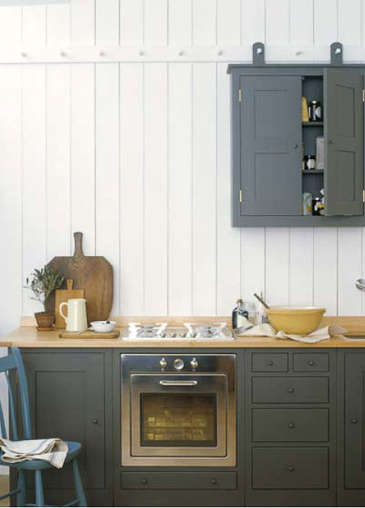
The phrase “Kitchen: Plain English in the UK” sounds simple, but it opens the door to a very specific design story: the rise of Plain English, the British cabinetry company that helped turn the English kitchen into an international style reference. This is not the kind of kitchen that screams for attention with ten blinking gadgets, a spaceship-sized hood, and enough glossy surfaces to signal aircraft. It is quieter than that. Smarter than that, too. A Plain English kitchen is about craftsmanship, restraint, warmth, and practicalitya room that works hard without behaving like it deserves its own reality show.
In the broader design world, the English kitchen has become shorthand for a room that feels lived-in, useful, and deeply personal. It favors natural materials, furniture-like cabinetry, thoughtful storage, and a layout that supports real life instead of showroom posing. That means paint colors with depth, wood that actually looks like wood, shelves that hold objects people genuinely use, and plenty of room for cooking, talking, unpacking groceries, and pretending you are only in the kitchen “for one second” while you accidentally eat half a loaf of bread.
This article takes a closer look at what makes Plain English in the UK so influential, why American homeowners and designers keep borrowing from the look, and how the style translates from bespoke British cabinetry into everyday kitchen planning. Whether you are remodeling, daydreaming, or just here for a little tasteful architectural gossip, there is a lot to learn from this famously understated kitchen philosophy.
What Plain English Actually Means in Kitchen Design
Plain English began in Suffolk, England, in 1992, when its founders set out to create the kind of simple painted kitchen they could not find on the market. That origin story matters because the brand still carries that original point of view: kitchens should be beautiful, handmade, practical, and free from unnecessary fuss. Instead of chasing short-lived trends, the company built its identity around traditional joinery, classical proportion, and cabinetry that feels more like real furniture than a wall of factory-issued boxes.
Over time, Plain English became associated with kitchens that look quietly luxurious without needing to say “luxury” every six seconds. The appeal is not flashy novelty. It is the opposite. Think carefully painted cupboards, honest materials, elegant but useful hardware, and an overall atmosphere that suggests someone in this house probably knows how to make soup from scratch. Or at least owns a respectable wooden spoon.
Part of the company’s early charm came from a handful of signature kitchen systems, each inspired by a distinct historical or regional reference. The Williamsburg model drew on Shaker furniture principles. Long House nodded to eighteenth-century English joinery. Spitalfields referenced merchant-house architecture and furniture. Southwold took inspiration from the practical cupboards of a 1940s racing yacht. That range made the brand feel rooted in history without becoming stiff or costume-like. It was design with a memory, not design trapped in a museum case.
Why the English Kitchen Keeps Winning People Over
English kitchens have been gaining ground in the United States because they solve a problem many modern kitchens created: they look polished, but they do not feel cold. In a lot of contemporary spaces, the kitchen became so sleek and optimized that it started to feel like a luxury electronics store that happened to contain a lemon. The English approach pushes back against that by making the kitchen feel like a real room in a real home.
What defines the style most clearly is its balance. It is ordered without being sterile. It is classic without being fussy. It is stylish without begging for applause. A Plain English-inspired kitchen usually includes natural timber, painted cabinetry, stone counters, traditional or vintage-style hardware, and a layout shaped around daily habits rather than trends. You often see a furniture-like worktable or island, open shelving used in moderation, and details that invite use rather than fear. Nobody wants a kitchen where you are emotionally afraid of setting down a teacup.
There is also a distinctly human quality to the style. Designers often describe English kitchens as warm, cozy, and unfitted. That last word matters. An unfitted kitchen mixes standalone pieces, dressers, tables, hutches, shelves, and custom cabinets instead of relying only on one seamless wall of built-ins. The result is a room with more personality and a gentler rhythm. It feels collected over time, not stamped out in one afternoon by a software program and a warehouse shelf number.
The Signature Elements of a Plain English Kitchen
1. Cabinetry That Feels Like Furniture
This may be the biggest idea of all. Plain English kitchens are known for cabinetry that behaves like proper household furniture. That means cupboards with depth, proportion, and detailing that feel architectural instead of generic. Doors and drawers are not there merely to close; they contribute to the room’s character. Interior design fans love to call this “timeless.” Ordinary people call it “why this room feels expensive even when nothing is yelling.”
That furniture-like quality also makes the kitchen feel more integrated with the rest of the home. Instead of being a sterile utility zone, it becomes part of domestic life. It is where cooking happens, obviously, but also where flowers get dropped into a jug, keys land on the counter, kids do homework, and someone inevitably leaves mail near the fruit bowl as if that makes sense.
2. Natural Materials and Honest Surfaces
The English kitchen look relies heavily on materials that age well. Painted wood cabinetry, stone worktops, warm metals, brick, limewash, handmade tile, and timber shelving all contribute to the sense that the room will improve with use. That is a major difference from trend-driven kitchens that look their best for six months and then seem emotionally exhausted by Thanksgiving.
Even when the room is highly tailored, the goal is not perfection in the glossy, untouchable sense. The goal is durability and charm. A countertop should survive dinner prep. A painted cabinet should be able to collect character. A shelf should hold dishes people actually use. In this style, function is not an afterthought. It is the reason the room is beautiful in the first place.
3. Color That Whispers, Then Occasionally Sings
Plain English kitchens are often associated with restrained colors: earthy greens, warm creams, chalky blues, soft mushroom tones, smoky grays, and other shades that sound like they belong in a weather report from the English countryside. But British kitchen design is not afraid of richer color either. Recent coverage of English-inspired kitchens highlights the use of saturated but grounded huesmustardy yellows, greens with botanical depth, and blues with a little drama.
The trick is repetition and restraint. A strong color may appear on cabinetry, trim, tile, or a pantry door, but it is usually balanced with natural wood, stone, or quieter surroundings. The result feels layered and intentional instead of loud. It is less “look at my bold design choice” and more “yes, this shade has been perfect for years, thank you for noticing.”
4. Sculleries, Pantries, and the Beauty of Backup Space
One reason Plain English has remained so relevant is that it understands a truth many homeowners learn too late: a kitchen works better when not everything has to happen in the same spot. That is where supporting spaces such as the scullery, butler’s pantry, or back kitchen come in. These adjacent areas handle prep, storage, cleanup, and small appliances so the main kitchen can stay calmer and more presentable.
The scullery in particular has made a strong comeback in design coverage. Traditionally, it sat just off the main kitchen and acted as a hardworking support room. Today, the modern version may be compact, but it still plays the same role: hiding mess, organizing supplies, and making entertaining easier. If the main kitchen is the charming host, the scullery is the competent friend in the background making sure the drinks are cold and nobody sees the chaos.
Even if you do not have the square footage for a separate room, the principle still works. A tall pantry cabinet, a secondary prep nook, a utility wall, or a zoned section of cabinetry can offer the same benefits. Better Homes & Gardens and Epicurious both emphasize zoning and visibility in storagegrouping items by use, keeping daily essentials within reach, using clear containers, and labeling where needed. In other words, elegance is lovely, but knowing where the cinnamon is can save a marriage.
5. Layout That Prioritizes Real Movement
Traditional kitchen planning often leans on the work triangle: the path between sink, refrigerator, and cooktop. That concept still matters, but modern guidance treats it more flexibly. Today’s kitchens are expected to support multiple cooks, coffee stations, cleanup areas, homework sessions, and occasional social theater. That has led to a stronger focus on work zonesprep, cooking, cleaning, storage, dining, and entertaining.
A Plain English-style kitchen fits naturally with that shift because it already thinks in terms of use. A worktable becomes a prep station. A pantry becomes a dedicated storage zone. A scullery handles the mess. An island might support both chopping and conversation. The best kitchens are not efficient because they look minimalist; they are efficient because the room respects how humans actually move through it.
How to Bring the Look Home Without Ordering a Full British Bespoke Kitchen
Not everyone is commissioning handmade cabinetry from Suffolk, and that is fine. You can still borrow the core ideas of a Plain English kitchen without importing an entire lifestyle and a van full of painted cupboards.
Start with restraint. Avoid overloading the room with high-tech features you do not need. Prioritize materials that will age well. Replace generic hardware with something more tactile and classic. Use shelving carefully, with objects you truly love and actually use. Add a freestanding table or furniture-style island if space allows. Pick colors with depth rather than trend-chasing brightness. And most important, design the room around what happens in your kitchen every day.
If you cook often, support prep and cleanup. If you entertain, build in beverage storage or a back-up prep area. If your kitchen is small, think vertically: plate racks, rails, shelves, door storage, and tall pantry cabinets can all add function without crowding the floor. A compact kitchen can still feel English if it is layered, practical, and warm.
Lighting also matters more than people think. British kitchen design often addresses long or narrow rooms by emphasizing natural light, especially through skylights and glass doors. If structural changes are not possible, use layered lighting and reflective but not overly shiny finishes. The room should feel bright, not interrogated.
Experiences of Living With a Plain English-Inspired Kitchen
What makes this style so memorable is not just how it photographs. It is how it feels at 7:10 on a weekday morning when the kettle is on, toast is going too dark, and someone is asking where the clean mugs are. A Plain English-inspired kitchen tends to absorb real life gracefully. The room does not panic when used. It seems to expect it.
There is a special pleasure in opening a cupboard that feels solid and considered, not flimsy and apologetic. You notice it when your hand touches a proper handle, when a drawer glides with confidence, when a painted finish softens the room instead of making it feel commercially “durable.” The kitchen becomes less of a machine and more of a settingsomewhere you are happy to linger, even when you are only supposed to be grabbing a spoon.
The emotional effect is surprisingly strong. Many highly polished kitchens make people behave like guests in their own homes. In a Plain English-style kitchen, you are invited to live normally. You can set down the shopping bags. You can leave a cookbook open. You can keep onions in a bowl and flowers in a jug and let a few daily objects sit out because they belong there. The room feels composed, but never precious.
It also changes the rhythm of cooking. When the storage makes sense, when pans are close to the stove, when dry goods are grouped logically, when the island is actually useful, dinner becomes less irritating. Not glamorous, necessarily. You still have to peel the carrots. But the room stops fighting you. That may be the highest compliment any kitchen can receive.
For people who entertain, the experience gets even better. A supporting pantry or sculleryhowever smallcreates a kind of domestic magic trick. The main room stays calm while the practical work happens just out of sight. Platters can wait there. Glassware can be organized there. The ugly packaging, the backup snacks, the extra paper towels, and the mildly embarrassing mountain of recycling can all vanish into the wings like stagehands at a very refined theater production.
And then there is the atmosphere. A good English-style kitchen makes ordinary routines feel slightly richer. Tea looks better there. Soup tastes smarter there. Rainy days improve dramatically there. Even on a bright afternoon, the room has a softness that encourages you to pause. It is the kind of place where a wooden chair, a striped towel, and a bowl of lemons suddenly look like a complete decorating plan. Which, in fairness, they sometimes are.
That is why this style has lasted. It is not about nostalgia for nostalgia’s sake. It is about building a room with memory, function, and ease. A kitchen inspired by Plain English in the UK does not try to impress by doing everything. It impresses by doing the important things beautifully: storing, preparing, gathering, enduring, and making daily life feel a little more civilized.
Conclusion
Kitchen: Plain English in the UK is ultimately a story about design that chooses substance over spectacle. The Plain English approach proves that a kitchen can be elegant without being flashy, traditional without being stuck in the past, and highly functional without losing warmth. Its influence can be seen in the continued popularity of English kitchens, unfitted layouts, sculleries, painted cabinetry, and rooms that feel genuinely lived in.
For homeowners, designers, and dreamers alike, the lesson is refreshingly straightforward: build a kitchen around how people actually live. Choose materials that age well. Create storage that makes sense. Let beauty come from proportion, craftsmanship, and use. In a world where many kitchens are trying very hard to look impressive, Plain English succeeds by sounding like exactly what it claims to be: simple, clear, practical, and quietly unforgettable.