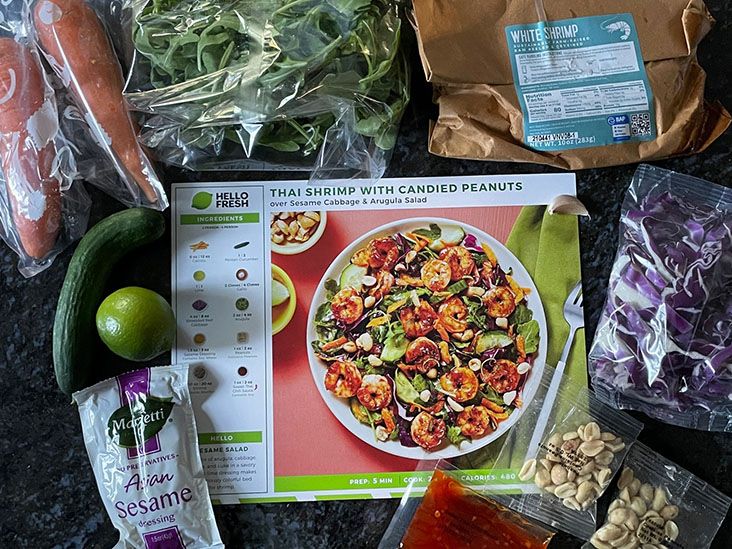
If your weeknight dinner routine has been reduced to “stare into fridge, order takeout, pretend tomorrow will be different,” HelloFresh sounds like the hero of the story. It promises pre-portioned ingredients, straightforward recipes, and enough variety to keep dinner from turning into a repetitive pasta spiral. But does it actually make life easier, or does it simply deliver a cardboard box full of onions, optimism, and dishes to wash?
After reviewing the current meal-kit landscape and comparing real-world feedback, the short answer is this: HelloFresh is one of the strongest all-around meal kit services for busy households, beginner cooks, and anyone who wants more home-cooked meals without full grocery-store commitment. It is not the cheapest option, not the most specialized option, and definitely not a magic wand that makes pans clean themselves. Still, for many people, it hits the sweet spot between convenience, flavor, and flexibility.
What Is HelloFresh, Exactly?
HelloFresh is a meal kit delivery service that sends pre-portioned ingredients and printed recipe cards to your door each week. You pick meals from a rotating menu, the company ships what you need, and you do the actual cooking. In other words, it removes meal planning and most of the ingredient shopping, but it does not remove your responsibility to chop scallions or pay attention when garlic starts getting a little too enthusiastic in the pan.
That hybrid model is a big part of why HelloFresh remains so popular. It is more hands-on than fully prepared meal services, but far less work than planning every dinner from scratch. For plenty of households, that middle ground is exactly the point.
How HelloFresh Works
The setup is simple. You create an account, choose meals for the week, set your delivery schedule, and receive a box with ingredients sorted by recipe. Proteins are chilled separately, and recipe cards walk you through the process step by step. The service is designed to feel manageable even if your cooking résumé currently tops out at scrambled eggs and “accidentally excellent toast.”
HelloFresh’s biggest practical advantage is how much decision fatigue it removes. You are not hunting for ingredient lists, wandering the grocery store trying to remember whether you already have sour cream, or buying a giant bottle of a sauce you only needed once. The ingredients arrive portioned, which cuts down on waste and makes cooking feel more approachable.
Menu Variety
One of HelloFresh’s most convincing selling points is variety. The menu regularly includes comfort food, family-friendly staples, globally inspired dinners, lighter options, and meals with tags such as Calorie Smart, Carb Smart, Veggie, and protein-focused choices. That breadth matters because a meal kit gets boring fast if every dinner tastes like a slight remix of chicken and carrots pretending to be different personalities.
HelloFresh avoids that trap better than many competitors. You can find burgers and tacos, but also noodle bowls, grain bowls, Mediterranean-inspired plates, seafood dishes, and seasonal recipes with more adventurous seasoning blends. For mainstream households, it offers enough novelty to feel interesting without drifting into restaurant-menu chaos.
HelloFresh Review: Taste, Ingredients, and Portions
Let’s get to the part that matters: does the food actually taste good? In most cases, yes. HelloFresh tends to perform well on flavor, especially for a service built around accessible home cooking. Meals are usually crowd-pleasing, balanced, and approachable rather than wildly experimental. Think flavorful weeknight dinners, not tiny abstract sculptures on a giant plate.
The ingredient quality is generally good. Produce is usually fresh, proteins are serviceable to very good, and the sauces and spice blends often do a lot of heavy lifting in the best possible way. Reviewers consistently praise the brand for turning everyday ingredients into meals that feel a little more exciting than standard home rotation. A chicken cutlet with a pan sauce, a steak fajita bowl, or a savory noodle dish can feel like a reward for surviving Tuesday.
Portions are another area where HelloFresh usually scores well. For many adults, servings feel satisfying rather than skimpy. Some meals are just right, while others verge on generous. That makes it especially appealing for couples and families who want dinner that feels like dinner, not a polite appetizer disguised as a lifestyle choice.
Where Taste Can Fall Short
That said, HelloFresh is not perfect. Some recipes lean a little safe, especially if you are an experienced cook who seasons aggressively and believes butter is a love language. Certain sauces or shortcuts can feel more practical than elevated. And while the meals are generally flavorful, they are still designed for scale, consistency, and wide appeal. That means you may occasionally get a dish that feels good rather than unforgettable.
Pricing and Overall Value
If you are shopping for the absolute lowest-cost meal kit, HelloFresh is probably not your champion. It tends to land in the middle tier: more affordable than some premium services, but more expensive than budget-first competitors. Base pricing can look reasonable when compared with restaurant takeout, yet it may feel less impressive when compared with smart grocery shopping and a well-planned weekly menu.
Still, value is about more than sticker price. With HelloFresh, you are paying for convenience, reduced planning, portioned ingredients, and variety. For busy professionals, tired parents, or people trying to cook more often without burning out, that trade-off can make sense. The service is particularly good at helping users avoid the hidden costs of dinner indecision: last-minute delivery fees, unused grocery items, and the all-too-familiar “we have nothing to eat” drama while standing in front of a full refrigerator.
The catch is that premium meals, protein upgrades, and add-ons can push the total higher. So if you start every week with a wholesome plan and then repeatedly click the steak upgrade like it owes you money, your final bill can rise fast.
Nutrition, Dietary Fit, and Health Considerations
HelloFresh does a solid job giving customers nutritional information. Calories, protein, carbohydrates, fat, fiber, sugar, and sodium are typically available, which is helpful for people tracking intake or trying to stay within certain goals. The service also offers menu tags that make browsing easier if you want lighter meals, lower-carb choices, vegetarian dishes, or higher-protein dinners.
That said, “healthy” on a meal kit is not one-size-fits-all. Some HelloFresh meals are balanced and produce-forward, while others are richer comfort foods with creamy sauces, cheese, or more sodium than your blood pressure cuff would personally endorse. In short, the healthier choices are there, but you still need to choose them. The box cannot leap out and physically stop you from ordering buttery mashed potatoes three nights in a row.
HelloFresh works well for flexible eaters who want options, but it is less ideal for people with very strict dietary requirements. If you need a deeply specialized service for severe allergies or tightly controlled nutrition targets, you may want something more tailored. HelloFresh is broad and practical, not hyper-clinical.
Convenience: This Is Where HelloFresh Really Wins
The strongest argument for HelloFresh is not that it makes gourmet food. It is that it makes regular home cooking far easier to sustain. The recipe cards are beginner-friendly, the meals are typically realistic for weeknights, and the overall experience reduces the mental work that often kills good dinner intentions before they get started.
Many customers also appreciate the flexibility. You can skip weeks, pause, or cancel, which matters because subscription services are charming right up until they start behaving like clingy exes. HelloFresh at least gives users more control than old-school subscription models that seemed to treat cancellation like a hidden side quest.
Another underrated benefit is skill building. For newer cooks, HelloFresh can feel like training wheels in the best sense. You get exposure to sauces, spice combinations, roasting, pan sauces, quick pickles, and small techniques that make future cooking easier. Over time, people often become more confident in the kitchen without feeling like they signed up for culinary boot camp.
The Main Downsides You Should Know Before Ordering
1. Packaging Can Feel Like a Lot
Even with ongoing improvements, meal kits still involve insulation, ice packs, bags, and smaller containers. HelloFresh has made efforts around recyclable packaging and reduced waste, but the overall experience can still feel packaging-heavy compared with cooking from a simple grocery run.
2. Prep Times Are Not Always Perfectly Accurate
HelloFresh is often praised for manageable cook times, but some meals still take longer than estimated, especially if you are not moving around the kitchen like a competitive cooking-show contestant. Chopping, multitasking, and cleanup all add time. A “30-minute meal” may occasionally become a 40-minute reality.
3. Order Issues Happen
This is one of the biggest recurring complaints in public customer feedback. Missing ingredients, occasional damaged produce, wrong recipe cards, and delivery hiccups do happen. Not constantly, and not for everyone, but often enough to mention in an honest HelloFresh review.
4. It Is Convenient, But Not Cheap-Cheap
HelloFresh can be worth it, but that does not mean it is the budget king. If your top priority is spending as little as possible per serving, there are cheaper meal-kit alternatives and plenty of grocery-based strategies that beat it on pure cost.
Who Should Try HelloFresh?
HelloFresh is a strong fit for busy couples, small families, beginner cooks, and professionals who want home-cooked meals without the planning burden. It is also a smart option for people stuck in a dinner rut who want more variety without needing to become the kind of person who meal-preps on Sundays while smiling serenely into 14 glass containers.
It is especially good if you value:
- easy-to-follow recipes
- wide weekly menu variety
- better weeknight dinner structure
- portion control and less grocery waste
- the ability to cook more often without overthinking it
On the other hand, you may want to skip it if your top priorities are rock-bottom pricing, ultra-specialized diet support, zero cooking, or minimal packaging.
Final Verdict: Is HelloFresh Worth It?
Yes, for the right person, HelloFresh is worth it. It remains one of the best all-around meal kit services because it balances convenience, variety, flavor, and accessibility better than many competitors. The meals are usually enjoyable, the recipes are friendly to real-life cooks, and the service genuinely helps many households cook at home more consistently.
Its weaknesses are real: pricing can creep up, some meals run salty or rich, and occasional shipping or fulfillment issues can be frustrating. But judged as a mainstream meal kit for everyday use, HelloFresh still stands out. It is not trying to be a luxury tasting menu or a hardcore health protocol. It is trying to get decent-to-delicious dinners on your table with less stress. Most weeks, it succeeds.
If your goal is to cook more, waste less, and stop playing nightly dinner roulette, HelloFresh makes a compelling case. It may not transform you into a celebrity chef, but it can absolutely save you from another sad “what are we eating?” conversation at 6:43 p.m. And honestly, that is a public service.
The Everyday Experience of Using HelloFresh
Using HelloFresh over time tends to be less about one knockout meal and more about how it changes your weekly rhythm. The biggest shift is mental. Instead of spending energy deciding what to cook, making a grocery list, buying a dozen ingredients for two recipes, and then watching cilantro perish in the crisper drawer like a tiny green tragedy, you already know what dinner looks like. The decisions are made earlier, which means weeknights feel calmer.
The box arrives, and there is a small thrill to seeing each meal organized into its own paper bag. It feels like dinner got its act together before you did. On a busy night, that matters. You pull out one bag, grab the protein, glance at the recipe card, and start cooking. That structure makes dinner feel more possible, especially on evenings when motivation is low and takeout apps are whispering seductive nonsense.
The cooking itself is usually approachable. HelloFresh recipes are written for normal people, not culinary school graduates with three sauté pans already hot. You may chop onions, make a quick sauce, roast vegetables, or cook rice while a protein browns on the stove. It is enough activity to feel like you cooked a real meal, but rarely so much that it becomes exhausting. For newer cooks, that can be a confidence booster. By the third or fourth recipe, techniques that once felt intimidating start to feel routine.
There is also a surprising amount of satisfaction in the portioned ingredients. You are not left with half a cabbage and big plans to “definitely use it later.” That makes HelloFresh feel efficient, even when it is not the cheapest option. The box reduces waste, limits overbuying, and keeps your fridge from turning into a museum of abandoned intentions.
Of course, the experience is not flawless. Some weeks, a recipe that claims it takes 25 minutes asks a little too much of your knife skills and your optimism. Sometimes a produce item arrives looking slightly bruised, or you realize one tiny ingredient is missing and your mood temporarily becomes theatrical. Packaging can pile up fast. And if you keep choosing premium meals, the bill can quietly level up while you are distracted by the promise of steak and fancy sauces.
Still, the long-term appeal is easy to understand. HelloFresh can make dinner feel less like a chore and more like a reliable routine. It helps couples cook together, gives families more structured meals, and nudges takeout down the list without demanding perfection. You are still cooking, still cleaning, and still responsible for not over-toasting the breadcrumbs. But the path from “I should make dinner” to “dinner is on the table” becomes much shorter. And in real life, that kind of convenience often matters more than culinary fireworks.