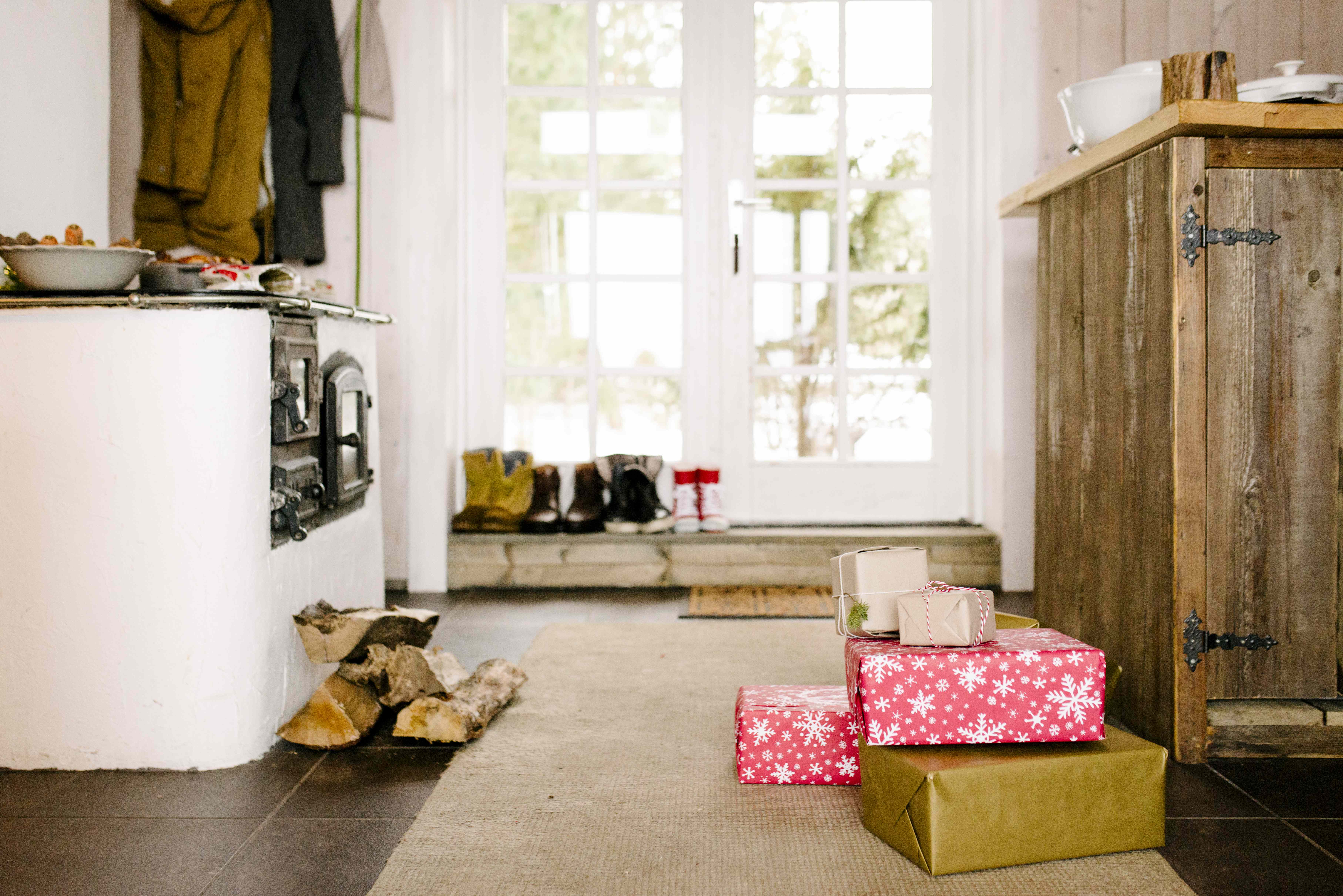
Your entryway has a tough job. It has to welcome guests, catch muddy shoes, hold coats, store bags, manage keys, and somehow avoid looking like a yard sale exploded five minutes before dinner. That is a lot to ask from a patch of floor near the front door.
Most people assume the fix is buying prettier baskets or a better rug. Nice try. The real solution is simpler and much more effective: stop treating your entryway like a random dumping ground and turn it into a true landing zone. That is the one change that organizes an entryway for good.
A landing zone is not just a cute organizing phrase that belongs on social media next to a beige bench and a candle no one is allowed to touch. It is a system. It gives every high-traffic item a specific home the second it comes through the door. Shoes go here. Keys go there. Mail lands in one spot. Bags hang up. Coats stay off the floor. Suddenly, your entryway stops behaving like a clutter magnet and starts acting like the hardworking little command center it was always meant to be.
If your goal is lasting entryway organization, this is the shift that matters most. Not more stuff. Better structure.
Why Your Entryway Keeps Falling Apart
Entryways get messy fast because they collect decision-making at the worst possible times: when you are leaving in a rush or stumbling in at the end of a long day. That means every object that does not have a designated home becomes a problem. Shoes drift. Jackets migrate. Mail multiplies like rabbits. Reusable bags appear out of nowhere as if they are paying rent.
There are also a few predictable reasons this space becomes chaotic:
It is being used as storage instead of a transition zone
Your entryway should help you move in and out of the house smoothly. It should not be a permanent warehouse for six scarves, four sports bags, three dog leashes, and the mystery package you still need to return. When too much lives there full-time, the space loses its function.
There is no boundary for shoes
Nothing makes an entryway look more unruly than a loose herd of shoes. A pile of sneakers by the door says, “Welcome home,” in the same tone a smoke alarm says, “Good luck.” Whether you use a shoe tray, slim cabinet, boot mat, or bench with cubbies, footwear needs a clear limit.
Vertical space is going unused
Many entryways are short on square footage but long on blank walls. If coats, backpacks, and handbags are landing on chairs or floors, the room is missing an easy win. Hooks, shelves, and wall-mounted organizers lift the mess off the ground and make the area easier to clean and easier to use.
Paper clutter sneaks in and never leaves
Mail is the quiet villain of an organized home. It looks harmless at first, then one permission slip, two catalogs, and one receipt later, your entry table looks like it is applying for a desk job. A dedicated tray, wall file, or lidded bin keeps paper contained until you can deal with it.
The One Change: Build a Real Landing Zone
If you do nothing else, do this: create a landing zone with designated homes for the five categories that show up every single day.
- Shoes
- Coats and bags
- Keys, wallets, sunglasses, and earbuds
- Mail and paperwork
- Grab-and-go extras like umbrellas, dog leashes, or reusable totes
That is the heart of good entryway storage. When daily-use items have obvious homes, you remove the friction that causes clutter in the first place. People do not need to invent a place to put things. The system has already made that decision for them.
The best part is that this works in almost every type of home. A large foyer can handle a bench, closed shoe storage, baskets, and wall hooks. A tiny apartment entry can still manage a slim shoe cabinet, a small tray, and three sturdy hooks. You do not need a giant mudroom. You need intention.
What Every Organized Entryway Actually Needs
1. A place to sit
A narrow bench is one of the smartest pieces of entryway furniture you can add. It gives you a spot to put on shoes, keeps the space from feeling purely utilitarian, and can double as hidden storage if the seat lifts or the base has cubbies. Even better, it makes your entryway feel finished rather than accidental.
2. Hooks that earn their keep
Hooks are organizing royalty. They are inexpensive, easy to install, and shockingly good at convincing people to hang things up. Use them for coats, backpacks, purses, hats, and umbrellas. If you live with kids, assign one hook per person, minimum. Actually, make it two if you value your sanity.
3. Shoe control, not shoe chaos
For an organized entryway, shoes need both a container and a limit. A tray works well for wet boots. A closed cabinet hides visual clutter. A bench with cubbies offers quick access. The trick is not just storing shoes, but restricting how many can stay there at once. Only keep the pairs currently in rotation near the door. The rest belong in closets or bedrooms.
4. A drop tray for pocket stuff
Keys, wallets, sunglasses, loose change, and earbuds should always land in the same place. A small tray or bowl on a console or shelf works beautifully. This is the detail that saves you from frantic morning searches that begin with, “Has anyone seen my keys?” and end with you checking the refrigerator for no logical reason.
5. A paper zone
Paper clutter needs a boundary. Mount a wall file, use a shallow tray, or designate a single decorative box for incoming mail, school forms, and receipts. The point is not to process everything instantly. The point is to stop paper from taking over every available surface.
6. Baskets for the awkward stuff
Not every item fits neatly into a drawer. Dog leashes, gloves, hats, sunscreen, sports gear, lint rollers, and reusable shopping bags all need homes too. Matching baskets keep those categories tidy without making the entryway look busy. They also make open storage look intentional instead of improvised.
7. A washable rug that stays put
Rugs are not just decorative. They define the entryway, protect floors, and help the area feel polished. Choose one that is durable, washable if possible, and secure underfoot. Nothing ruins a clean look faster than a rug with curled corners trying to trip everyone who walks in.
How to Set Up the System in Different Types of Homes
Small apartment entryway
Go vertical and keep it lean. Try a wall shelf with hooks, a shallow shoe cabinet, and a compact tray for keys. Add a mirror if you want the area to feel bigger and more functional. In a small space, every piece should do double duty.
Family home with kids
Create personal zones. Give each family member a hook, a cubby, and a basket. Labels help. So do realistic expectations. If your household includes children, perfection is not the goal. Fast cleanup is the goal. A good family entryway should make it easy for people to drop things in the right place without needing a lecture and a PowerPoint.
No foyer, just a door that opens into the living room
Fake an entryway with furniture placement. A slim console, a bench, a rug, and wall hooks can carve out a transition zone even when the architecture forgot to include one. This is one of the best small entryway ideas because it creates order without requiring renovation.
Back door or side door that gets the real traffic
Be honest about how your household moves. If everyone comes through the garage or side entrance, that is your real entryway. Organize that space first. There is no prize for having a beautiful front foyer if your actual daily drop zone looks like a sporting goods store after an earthquake.
Common Mistakes That Undo All Your Hard Work
Too much open storage
Open shelves can look beautiful, but if they are packed with mismatched items, they quickly become visual clutter. Mix open and closed storage so the pretty things can breathe and the messy things can disappear.
Bulky furniture in a tight space
An oversized bench or wide console can make an entryway feel cramped before it even gets messy. Scale matters. Choose furniture that fits the traffic flow and leaves room to move comfortably.
Keeping rarely used items at the door
Your entryway should hold what you use all the time, not every object you might need in a hypothetical future blizzard, picnic, soccer tournament, or camping trip. Edit ruthlessly. Seasonal and occasional items can live elsewhere.
Skipping the reset
Even the best system needs maintenance. A five-minute weekly reset is often enough. Toss junk mail, return stray items to their zones, wipe out the tray, and put abandoned shoes back where they belong. The landing zone should be a functional drop spot, not a long-term storage unit with a front door.
How This One Change Improves the Whole House
Here is the sneaky magic of a well-organized entryway: it affects more than the entryway. It changes the tone of your home.
When you walk in and see order instead of chaos, your brain gets a break. There is less visual noise, fewer misplaced essentials, and less friction in your routine. Mornings move faster. Guests get a better first impression. Floors stay clearer. Shoes stop drifting into random rooms like they are sightseeing.
And because the entryway is the place where clutter first enters the home, controlling it there prevents a chain reaction elsewhere. The bag gets hung up instead of dropped on the dining chair. The mail lands in one tray instead of spreading across the kitchen counter. The coat goes on a hook instead of the sofa arm. Good home organization often starts at the threshold.
Conclusion
If your entryway never seems to stay tidy, the answer is not more organizing gadgets or a dramatic Saturday overhaul. The answer is one smart structural change: build a landing zone with assigned homes for the things you use every day.
That means a place for shoes, a place for coats and bags, a place for keys and pocket items, and a place for paper. Add a bench if you can, use vertical space like it owes you money, and keep only current-use items near the door. Once your entryway supports your real routine, staying organized becomes easier because the system finally makes sense.
In other words, the secret to a permanently organized entryway is not perfection. It is making the tidy choice the easiest choice.
Experience: What This Change Feels Like in Real Life
The most interesting part of this organizing shift is how quickly people notice the difference. Not in a dramatic, movie-montage way where everyone suddenly wears linen and smiles while acoustic guitar music plays in the background. It is subtler than that, but honestly more useful.
At first, the biggest change is usually emotional. Before the landing zone exists, coming home can feel like arriving at another unfinished task. You open the door, step around shoes, move a bag with your foot, drop the mail on the nearest surface, and promise yourself you will “deal with it later.” Later, of course, is a fictional time invented by clutter. Once the entryway has a real system, the space stops greeting you with low-grade stress. It feels calmer. More welcoming. Less like the house is already disappointed in you.
Morning routines change too. In a disorganized entryway, mornings are full of tiny delays that somehow add up to a full crisis. One person cannot find their keys. Another is hunting for a shoe that appears to have joined the witness protection program. A backpack is under a coat, the dog leash is missing, and someone is trying to sort junk mail while standing in the doorway with one sock on. A good landing zone cuts down that nonsense dramatically. When the keys live in the tray, the shoes live in the cubby, and the bag hangs on the same hook every night, leaving the house starts to feel pleasantly boring. That is a compliment.
Families often notice an even bigger shift. Kids may not become miniature organizing consultants overnight, but they do respond to systems that are easy to understand. A labeled basket for hats and gloves, one hook for each backpack, and a shoe tray by the door can reduce a surprising amount of daily chaos. The mess does not disappear forever, because children remain committed to innovation in the field of disorder, but cleanup gets much faster. Instead of arguing about where things go, everyone knows the answer.
People in small homes or apartments often describe a different kind of relief. When you do not have a separate foyer, every bit of clutter feels more visible because it spills directly into the living space. A compact landing zone makes the whole home look more intentional. Even a tiny setup, like a wall shelf, mirror, and slim shoe cabinet, creates the feeling that the home has a plan. That matters more than square footage. It is not about having a grand entrance. It is about giving the entrance a job description.
Then there is the guest factor. Guests absolutely notice an entryway, even if they are too polite to say so. When the front door opens to a neat rug, clear floor, and simple storage system, the house feels cared for right away. It sends a message before anyone sits down: this home works. On the flip side, when the first thing guests see is a heap of shoes, unopened packages, and a coat avalanche, the entire home can feel more cluttered than it really is. The entryway is small, but it has a loud opinion.
Over time, the biggest experience people report is consistency. The space no longer swings wildly between “spotless” and “disaster.” It stays mostly functional, most of the time. And that is the real win. An organized entryway is not one that looks perfect for fifteen minutes after a cleaning spree. It is one that still works on a rainy Tuesday, during school pickup, after grocery runs, and in the middle of normal life. That is when you know the change has stuck.
Note: This article is publication-ready HTML body content and does not include placeholder citation markup such as contentReference or oaicite tags.