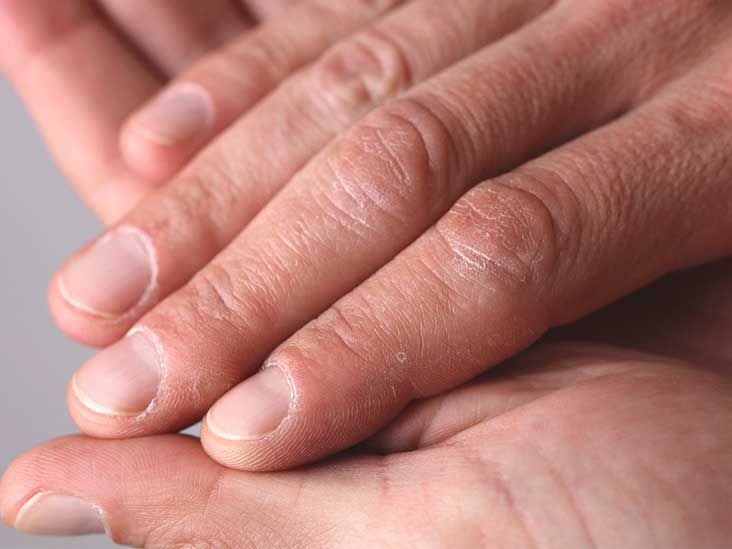
Your fingernails may be small, but they are dramatic little overachievers. They type, tap, scratch, peel stickers, open soda cans in defiance of common sense, and occasionally wave tiny red flags about your health. One of the most common things people notice is ridges in fingernails. Suddenly, the nail surface looks less like a smooth glossy finish and more like a miniature mountain range.
The good news is that many nail ridges are harmless, especially vertical ridges that show up gradually over time. The not-so-fun news is that some ridges can signal injury, inflammation, skin disease, infection, nutritional problems, or an illness that temporarily disrupted nail growth. The trick is knowing when your nails are just being nails and when they are trying to get your attention.
This guide breaks down the symptoms, causes, and treatments for ridges in fingernails in plain English. No doom, no drama, no “your cuticles are predicting the apocalypse.” Just useful, medically grounded information you can actually use.
What Are Ridges in Fingernails?
Ridges are raised or indented lines that change the texture of the nail plate. They can run vertically from the cuticle to the tip, or horizontally from one side of the nail to the other. That direction matters a lot.
Vertical nail ridges
Vertical ridges, also called longitudinal ridges, are the most common type. They often become more noticeable with age. In many people, they are simply part of normal nail aging, much like laugh lines, except your nails did not even get to enjoy the joke. Dryness, repeated hand washing, minor trauma, and brittle nails can make these ridges stand out more.
Horizontal nail ridges
Horizontal ridges are often called Beau’s lines. These are grooves or indentations that run across the nail. They tend to happen when nail growth briefly slows or stops because of illness, intense stress on the body, injury to the nail matrix, inflammation, or certain medical conditions. Horizontal lines usually deserve closer attention than everyday vertical ridges, especially if they appear suddenly.
Symptoms That May Appear Along With Nail Ridges
Not every ridged nail comes with a side dish of symptoms, but when other changes show up too, the cause becomes easier to narrow down. Common symptoms include:
- Rough or uneven nail texture
- Brittleness, splitting, or peeling
- Thinning or soft nails
- Thickening of the nail
- Pitting or tiny dents
- Discoloration such as yellow, white, brown, or dark streaks
- Nail lifting from the nail bed
- Tenderness, pain, or swelling around the nail
- Changes affecting one nail, several nails, or all nails
A pattern matters. If one nail changes after trauma, that often points to a local nail injury. If several nails change at the same time, the cause may be more widespread, such as a recent illness, inflammatory skin disease, or another health issue.
Common Causes of Ridges in Fingernails
1. Normal aging
This is the most common reason for mild vertical ridges. As people get older, nails can become drier, more brittle, and less smooth. The nail matrix, which produces the nail, does not always churn out a perfectly polished result forever. That is not a character flaw. It is biology.
2. Dry nails and repeated exposure to water or chemicals
Frequent hand washing, sanitizers, detergents, cleaning agents, acetone-based polish removers, and repeated wet-to-dry cycles can make nails brittle and emphasize ridging. People who wash dishes, clean often, work with chemicals, or use nail products frequently may notice more texture changes.
3. Injury to the nail or nail matrix
Your nail matrix is the growth center under the skin near the base of the nail. If that area gets injured, the nail can grow out with ridges, dents, or other deformities. Common culprits include slamming a finger in a door, aggressive manicures, pushing back or cutting cuticles too hard, nail biting, nail picking, and artificial nails that stress the nail surface.
4. Recent illness or intense physical stress
Horizontal ridges can appear after the body goes through a stressful event such as a high fever, serious infection, surgery, poor circulation, or another illness that interrupts nail growth. Because nails grow slowly, the ridge may not show up right away. It often appears weeks later, which is one reason people stare at their nail and think, “Why are you doing this now?” when the real cause happened a month or two earlier.
5. Psoriasis
Nail psoriasis is a major cause of abnormal nail texture. It can lead to ridges, pitting, thickening, discoloration, crumbling, and lifting of the nail from the nail bed. Some people have nail changes before classic skin plaques become obvious. If ridges show up with pitting, scalp scaling, or joint pain, psoriasis moves higher on the suspect list.
6. Eczema and chronic skin inflammation
Chronic eczema around the hands and nails can change how the nails grow. Over time, inflammation may lead to ridges, roughness, thickening, and discoloration. People with ongoing hand dermatitis often assume the nail change is “just cosmetic,” but the nail is often responding to inflammation nearby.
7. Lichen planus
Lichen planus is an inflammatory condition that can affect the skin, mouth, scalp, and nails. When it involves the nails, it may cause ridges, thinning, splitting, and, in more severe cases, permanent nail damage. This is one reason persistent ridges should not always be dismissed as a beauty issue.
8. Alopecia areata and other autoimmune conditions
Alopecia areata is best known for hair loss, but it can also affect the nails. Nail roughness, ridges, brittleness, and pitting may appear. Other autoimmune or inflammatory diseases can also affect the nail unit, especially when the immune system targets tissues involved in nail growth.
9. Nutritional problems
Nutritional issues can play a role, but this area gets oversimplified online. Not every ridge means you are missing a vitamin. Iron deficiency is more classically linked with spoon-shaped nails rather than ordinary mild ridging. Severe zinc deficiency or low protein intake can contribute to horizontal lines or nail changes in some cases. The takeaway is simple: do not diagnose yourself from a snack shortage and a search engine. If a deficiency is suspected, it should be confirmed properly.
10. Fungal infection and other nail disorders
Fungal nail infections usually cause thickening, discoloration, crumbling, and distortion, but texture changes and ridges can be part of the picture. If a nail becomes yellow, thick, brittle, or starts lifting, fungus becomes more likely. The catch is that trauma, psoriasis, and fungus can look annoyingly similar, which is why a clinician may test the nail rather than guess.
11. Medical conditions and medications
Certain health conditions can affect nail growth or appearance, including thyroid disease, diabetes, circulation problems, and illnesses that reduce blood flow or interrupt normal tissue growth. Some cancer treatments, including chemotherapy and targeted therapies, can also cause ridges, brittleness, inflammation around the nails, and discoloration.
How Doctors Figure Out What Is Causing the Ridges
A good evaluation usually starts with a close look at the nails and a few practical questions:
- Are the ridges vertical or horizontal?
- Did they appear gradually or suddenly?
- Is one nail involved or many?
- Have you had a recent illness, major stress, or injury?
- Do you have psoriasis, eczema, thyroid disease, or anemia?
- Do you bite, pick, or over-buff your nails?
- Are there color changes, pain, pitting, thickening, or lifting?
Depending on what your clinician sees, they may recommend blood work, a fungal test, or a referral to a dermatologist. In unusual cases, a biopsy or a closer exam of the nail unit may be needed. Nail diagnosis is often detective work, and tiny clues matter.
Treatments for Ridges in Fingernails
There is no single miracle treatment for ridges because ridges are a sign, not one disease. The right treatment depends on the cause.
For harmless vertical ridges
If the ridges are mild, long-standing, and not accompanied by alarming symptoms, treatment is often simple supportive care:
- Moisturize nails and cuticles daily
- Use gloves for cleaning and dishwashing
- Avoid harsh nail products and frequent acetone exposure
- Keep nails trimmed and smooth
- Use gentle filing instead of aggressive buffing
Buffing can temporarily smooth the surface, but overdoing it thins the nail and may make things worse. Think “light touch,” not “construction sander.”
For Beau’s lines or sudden horizontal ridges
The main treatment is addressing the trigger. If the line appeared after illness, fever, injury, or another temporary event, the groove usually grows out over time. If the cause is an untreated medical condition, that condition needs attention first. Cosmetic ridge fillers may temporarily improve appearance, but they do not fix the underlying reason.
For psoriasis, eczema, or lichen planus
These conditions often require prescription treatment. A dermatologist may use topical medications, steroid injections around the nail area, or other therapies aimed at controlling inflammation. Nail psoriasis in particular can be stubborn, so treatment sometimes takes patience and follow-up.
For fungal infection
Fungal nails may need prescription topical or oral antifungal treatment, depending on how severe the infection is and how much of the nail is involved. Because several nail conditions look alike, testing can help avoid treating the wrong thing for months.
For trauma-related ridges
Stop the repeated injury if possible. That may mean easing up on manicures, avoiding acrylics or gels for a while, not picking at cuticles, and protecting the hands during work. If the nail matrix is allowed to recover, healthier nail growth often follows.
For nutritional deficiencies
If a true deficiency is found, treatment should focus on correcting it through diet, supplements, or treatment of an absorption problem. Randomly taking hair-skin-nail supplements without knowing what is wrong is not always helpful and can occasionally backfire.
What You Can Do at Home
Home care will not fix every cause, but it can improve nail health and prevent extra damage:
- Apply hand cream or cuticle-friendly moisturizer after washing your hands
- Wear gloves when using detergents or cleaning products
- Do not cut or rip your cuticles
- Keep nails short if they split easily
- Take breaks from gel manicures, acrylics, and nail glue
- Do not pick or bite the nails
- Eat a balanced diet with enough protein, iron, and zinc-rich foods
If the ridges are new, worsening, or tied to other symptoms, home care should support medical care, not replace it.
When to See a Doctor About Nail Ridges
Make an appointment if you notice any of the following:
- New horizontal ridges across several nails
- Pain, redness, swelling, or drainage
- Nail lifting, thickening, or crumbling
- Dark streaks, major color change, or sudden whitening
- Ridges with pitting, rash, scalp symptoms, or joint pain
- Only one nail changing in a strange or persistent way
- Ridges that keep getting worse despite gentle nail care
In short: if your nails are changing in a way that looks dramatic, painful, or oddly specific, get them checked. Nails can sometimes reveal skin disease, infection, circulation problems, or other conditions before you realize something is off.
Can You Prevent Ridges in Fingernails?
You cannot prevent every ridge, especially age-related ones, but you can lower your odds of the avoidable kind. Gentle nail care, fewer harsh chemicals, less picking and biting, and protecting your hands during wet work all help. Managing conditions like psoriasis, eczema, thyroid disease, or diabetes can also reduce ongoing nail changes.
And yes, your nails would also appreciate it if you stopped using them as screwdrivers, box cutters, sticker scrapers, and emergency pry bars. They have boundaries.
Final Thoughts
Ridges in fingernails are common, and many are more annoying than dangerous. Vertical ridges are often a normal part of aging or dry, brittle nails. Horizontal ridges, sudden changes, or ridges paired with discoloration, thickening, pain, or skin symptoms deserve more attention. The smartest approach is to look at the whole picture: what the ridges look like, when they started, what other symptoms are happening, and whether the nails are changing on one finger or several.
Most importantly, treatment works best when it matches the cause. Moisturizer can help a dry nail. A dermatologist can help an inflamed nail. A lab test can uncover a deficiency. Time can grow out a ridge left behind by illness. In other words, your nails are not always trying to start drama. Sometimes they are just leaving clues.
Experiences People Commonly Share About Nail Ridges
Many people first notice ridges in fingernails while doing something completely ordinary: typing at work, holding a coffee cup, or staring too long at a fresh manicure under bright bathroom lighting. One common experience is seeing faint vertical ridges appear gradually over the years. At first, they seem cosmetic and easy to ignore. Then winter arrives, hands get drier, and suddenly the nails look rougher than usual. In these cases, people often find that richer hand creams, gentler nail care, and less over-buffing make the ridges look less dramatic, even though they do not vanish overnight.
Another common story involves a sudden horizontal groove that appears weeks after a bad flu, a high fever, or a stressful health event. The person usually does not connect the two at first because the line shows up long after the illness has passed. Then they realize the timing fits. This can be reassuring once they learn that Beau’s lines often reflect a temporary interruption in nail growth and may simply grow out with time.
Some people notice ridges after periods of frequent gel manicures, acrylic use, or aggressive cuticle pushing. The nails feel thinner, look rougher, and seem to peel more easily. The experience is frustrating because the products meant to make the nails look polished end up leaving them more fragile. Taking a break from salon treatments, moisturizing regularly, and letting the nail surface recover often becomes the turning point.
For others, nail ridges are not just cosmetic at all. People with psoriasis or eczema may realize that the nails are changing along with the skin. They may see pitting, thickening, or ridges and finally understand that the inflammation is affecting more than the visible rash. In those cases, getting the skin condition treated often helps them make sense of the nail changes too. The relief is not only physical. It is emotional. Many people feel self-conscious about their hands long before they feel pain.
There are also people who discover that ridges were one clue among several. Maybe they also felt tired, had brittle hair, changed their eating habits dramatically, or had another medical issue brewing in the background. A proper exam or lab work gives context. What looked like “just weird nails” becomes part of a bigger health picture. That experience can be unsettling, but it also shows why persistent nail changes should not be brushed off forever.
The most relatable theme across all these experiences is uncertainty. People want to know whether to worry, whether to wait, and whether a bottle of cuticle oil can solve the problem. Sometimes it can help. Sometimes the real answer is patience. Sometimes the best next step is seeing a clinician instead of staring at the nail from three angles and asking the internet to diagnose it like a crystal ball. Nail ridges may be small, but the questions they raise are surprisingly big.