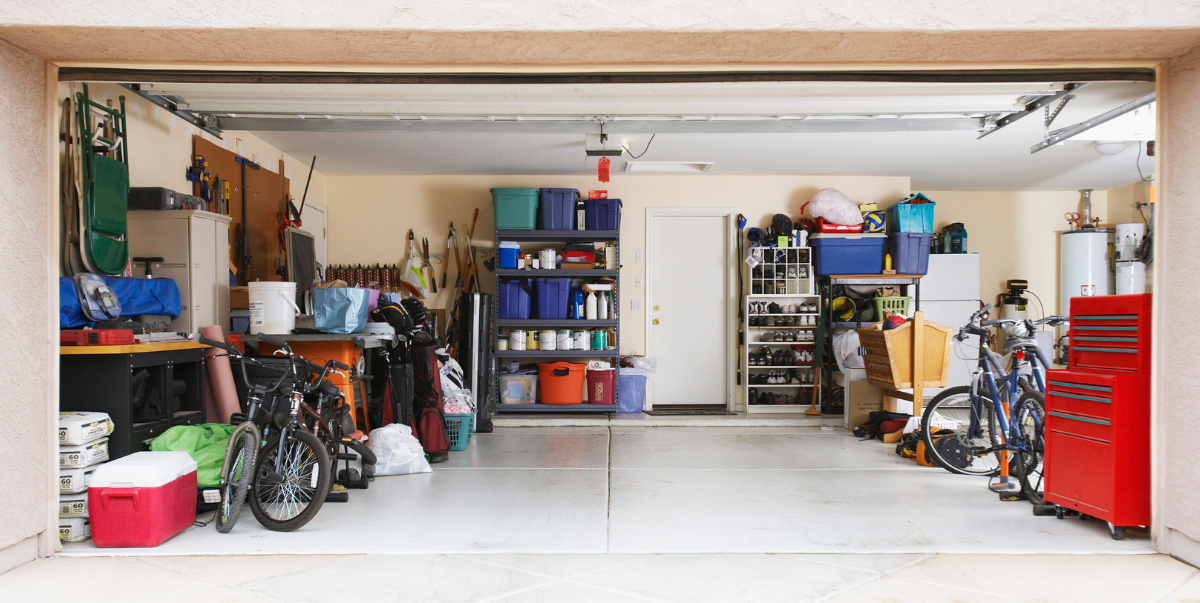
Note: This article is written for homeowners who use the garage as a “temporary storage room” that somehow becomes permanent by Thanksgiving. The goal is not to shame your garage. It has seen enough. The goal is to keep your home safer, your belongings in better shape, and your weekend cleanup from turning into a full archaeological dig.
The garage is one of the most useful spaces in the house. It stores tools, sports gear, bicycles, holiday bins, muddy boots, and, in many homes, exactly one car-shaped memory. But garages are also rough environments. They can swing from freezing cold to oven-hot, collect humidity, invite pests, trap fumes, and hold ignition sources such as water heaters, chargers, furnaces, and power tools.
That means some things simply do not belong there. A garage may look harmless, but for the wrong item, it is basically a spa day hosted by mold, mice, heat, gasoline vapors, and chaos. Below are 11 things you should never leave in your garage, plus safer storage ideas that will save money, reduce risk, and keep your future self from muttering, “Why did I put that here?”
1. Propane Tanks
Propane tanks are at the top of the “absolutely not” list. Even when a tank seems empty, it can still contain enough vapor to create a hazard. A closed garage can allow leaking propane to build up, and garages often contain ignition sources such as pilot lights, electrical outlets, switches, battery chargers, and power tools.
Store propane cylinders upright, outdoors, in a well-ventilated place away from direct heat, flames, doors, windows, and high-traffic areas. Do not tuck them beside the water heater, under a workbench, or next to the lawn mower because “it fits perfectly.” Dangerous things often fit perfectly. That is how they get invited inside.
Better storage idea
Keep propane outside on a stable, level surface where it cannot tip over. Check the valve, look for rust or damage, and follow the tank supplier’s instructions for recertification, exchange, or disposal.
2. Gasoline, Paint Thinner, Varnish, and Other Flammable Liquids
Gasoline, oil, varnish, paint thinner, solvents, and similar flammable liquids should not be treated like ordinary household supplies. In a warm garage, vapors can escape and collect. If those vapors meet a spark, flame, or hot surface, the situation can turn serious fast.
A small amount of properly stored fuel for outdoor equipment may be common in many households, but “common” does not mean “carefree.” Never store fuel in random jugs, old drink containers, cracked cans, or unlabeled bottles. Use approved containers only, keep them tightly sealed, and store them away from living areas and ignition sources.
Better storage idea
Store flammable liquids in small quantities, in approved containers, in a detached shed when possible. If you must keep any in the garage temporarily, place them away from appliances and electrical equipment, and check local fire codes and disposal options.
3. Paint and Wood Stain
Paint seems like a garage item because it smells like projects, regret, and Saturday morning optimism. But many paints and stains do not appreciate extreme temperatures. Latex paint can freeze and separate. Heat can thicken products, damage consistency, and make future touch-ups look like you painted the wall with pudding.
Oil-based paints, stains, and finishes also raise fire and fume concerns. Half-used cans with loose lids can leak, rust, or dry out. Then, when you finally need to touch up the hallway, you open the can and discover a rubbery pancake of sadness.
Better storage idea
Store usable paint indoors in a cool, dry, temperature-stable place, away from children and pets. Label each can with the room name, date, paint brand, color code, and finish. Dispose of old or unusable paint through local household hazardous waste programs.
4. Pesticides, Fertilizers, Pool Chemicals, and Cleaners
Many lawn, garden, pest-control, automotive, and pool products are sensitive to heat, cold, moisture, and mixing hazards. Some pesticide labels specifically warn against freezing or excessive heat. Pool chemicals can react dangerously if contaminated or stored near incompatible products. Strong cleaners, acids, bleaches, and solvents can also become a poisoning risk for kids and pets.
The big mistake is putting all “garage chemicals” together on one mystery shelf. That shelf becomes a chemistry experiment with a rake leaning against it. Not ideal.
Better storage idea
Keep chemicals in their original containers with readable labels. Store them locked, upright, dry, and separated by type. Never mix leftovers. Follow product labels exactly, and contact your local waste authority for disposal instructions when containers are old, leaking, or no longer needed.
5. Canned Food, Pantry Staples, and Beverages
Extra food storage in the garage sounds practical until summer heat, winter freezes, rust, and pests join the group chat. Food safety depends heavily on temperature control. Refrigerated foods need to stay cold, and shelf-stable foods still do best in cool, dry, clean spaces.
Cans can rust in humid garages. Freezing may cause cans or bottles to bulge, leak, crack, or compromise seals. Heat can shorten quality life and make pantry staples stale faster. And if you store cereal, rice, flour, birdseed, or snacks in bags, congratulations: you have opened a neighborhood buffet for rodents and insects.
Better storage idea
Keep food inside the home in a pantry, cabinet, or climate-controlled storage area. If you store sealed beverages or canned goods in the garage for a short period, keep them off the floor, away from temperature extremes, and inspect them regularly. When in doubt, do not eat from damaged, bulging, leaking, or badly rusted containers.
6. Pet Food and Birdseed
Pet food and birdseed are pest magnets. Mice, rats, ants, pantry moths, beetles, and other tiny freeloaders can smell a poorly sealed bag like it is a five-star restaurant with valet parking. Once pests find food in the garage, they may explore the rest of the house, because apparently they also enjoy open-concept living.
Heat and humidity can also degrade pet food quality. Fats can turn rancid, kibble can absorb moisture, and open bags can become contaminated.
Better storage idea
Store pet food indoors when possible. If it must be kept in the garage, place the entire original bag inside a sealed, heavy-duty container with a tight lid. Keeping the food in the original bag helps preserve lot numbers and feeding information while the outer bin helps block pests.
7. Medications, Vitamins, and First-Aid Supplies
Most medications are designed to be stored at room temperature, away from heat, moisture, and direct light unless the label says otherwise. A garage can deliver all the wrong conditions in one dramatic package: summer heat, winter cold, humidity, dust, and easy access for children.
Heat and moisture can reduce medication quality. Adhesive bandages may lose stickiness. Ointments can separate. Liquid medicines can be damaged by temperature swings. A first-aid kit is only helpful if the contents still work when someone needs them.
Better storage idea
Keep medications and first-aid supplies indoors in a cool, dry, secure location. Review expiration dates twice a year. Dispose of unused or expired medications through approved take-back programs or according to pharmacy guidance.
8. Important Documents, Photos, Books, and Family Keepsakes
Birth certificates, passports, old letters, family photographs, yearbooks, diplomas, scrapbooks, and rare books should never be left in the garage. Paper and photographs hate temperature swings, high humidity, leaks, insects, rodents, dust, and mold. A plastic bin may slow down some damage, but it cannot magically turn a garage into an archive.
Photos can curl, stick together, fade, or grow mold. Books can warp and smell musty. Documents can become brittle or stained. And once sentimental items are damaged, replacing them is not as easy as ordering a new garden hose.
Better storage idea
Store important papers and photos indoors in acid-free folders or archival boxes. Choose a cool, dry, dark area with stable conditions. Digitize irreplaceable items, but still protect the originals. Cloud backup is great; Grandma’s handwritten recipe card deserves a safe box too.
9. Electronics, Lithium-Ion Batteries, and Battery-Powered Tools
Electronics and batteries are not fans of garage life. Heat can shorten battery life. Cold can reduce performance. Moisture can corrode contacts. Dust can clog vents. Lithium-ion batteries, especially those used in e-bikes, scooters, power tools, and lawn equipment, require extra care because damaged, overheated, or improperly charged batteries can create fire risks.
Charging batteries on a cluttered workbench next to cardboard, oily rags, and sawdust is a bad little recipe. So is using the wrong charger, charging damaged battery packs, or leaving chargers plugged into overloaded outlets.
Better storage idea
Store batteries and electronics in a dry, temperature-stable place. Use only manufacturer-approved chargers. Do not charge batteries near exits, flammable materials, or direct heat. Recycle damaged or swollen batteries through proper battery recycling programs.
10. Wood Furniture, Mattresses, Rugs, and Upholstered Items
Wood furniture expands and contracts as humidity changes. In a garage, that can mean warping, cracking, loose joints, sticky finishes, and peeling veneer. Upholstered furniture, mattresses, rugs, and cushions can absorb moisture and odors, inviting mildew and pests.
This is how a perfectly nice guest chair becomes “garage chair,” then “spider chair,” then “why is this still here?” The transformation is subtle but tragic.
Better storage idea
Store furniture and textiles in climate-controlled spaces. If you must store them short-term, clean and dry them first, elevate them off the floor, cover them with breathable fabric rather than airtight plastic, and inspect often for moisture or pests.
11. Tires and Rubber Items
Spare tires, seasonal tires, hoses, rubber boots, and rubber seals can age faster when exposed to heat, sunlight, ozone, moisture, and chemicals. Garages often contain fuel, solvents, motors, electrical equipment, and temperature swings that are not friendly to rubber.
Leaving tires stacked in a sunny, hot corner beside gasoline or paint thinner is like sending them to a very expensive retirement home where nobody checks on them. Rubber can dry, crack, harden, and lose flexibility over time.
Better storage idea
Clean tires before storage, let them dry fully, and keep them in a cool, dark, dry place away from sunlight, heat sources, chemicals, and electric motors. Use tire bags or covers, and follow the tire manufacturer’s storage recommendations.
What Can You Safely Store in a Garage?
A garage can still be excellent storage for the right items. Think durable, non-food, non-hazardous, non-sentimental, and not especially temperature-sensitive. Good candidates include outdoor tools, empty planters, seasonal decorations in sealed bins, bicycles, sports equipment, patio furniture that is clean and dry, and well-organized hardware.
The smartest garage storage system keeps items off the floor, away from appliances, and grouped by category. Use wall hooks, shelving, ceiling racks, clear bins, and labels. The floor should not look like a yard sale had a nervous breakdown.
Simple Garage Safety Rules That Actually Work
- Keep flammables away from ignition sources. Water heaters, furnaces, outlets, chargers, and power tools deserve open space.
- Use original containers. Mystery liquids are not charming. They are future problems wearing dusty caps.
- Store heavy items low. Your bowling ball collection does not belong above your windshield.
- Control pests early. Seal gaps, remove food sources, and keep the garage clean.
- Check twice a year. Spring and fall are perfect times to inspect chemicals, batteries, food, and stored valuables.
- Install safety devices. Make sure your home has working smoke alarms and carbon monoxide alarms where appropriate.
Personal Experience: What Garage Clutter Teaches You the Hard Way
Most people do not learn garage storage rules from a handbook. They learn them from opening a bin and discovering that something has gone very, very wrong. The garage has a special talent for turning “I’ll put this here for now” into a long-term lifestyle choice. One paint can becomes six. A half bag of birdseed becomes a mouse invitation. A cardboard box of keepsakes becomes a humidity experiment with family memories inside.
One of the most common garage mistakes is trusting cardboard. Cardboard feels organized at first. It stacks nicely, takes marker ink well, and gives the illusion that you have your life together. But cardboard absorbs moisture, collapses under weight, attracts pests, and hides problems until they become dramatic. If the contents matter, upgrade to sturdy bins. If the contents really matter, move them inside.
Another hard-earned lesson is that “sealed” does not always mean safe. A plastic storage tote can protect holiday lights, but it will not protect old photographs from heat. A lidded bin can slow pests down, but it may not stop determined rodents from chewing through softer plastic. A closed paint can may still rust if it sits on concrete in a damp corner. Storage is not just about containers; it is about location, temperature, moisture, and what is sitting next to what.
Garages also reveal how quickly useful supplies become forgotten supplies. That extra gallon of stain from the deck project? It sits there through three summers and two winters, then becomes unusable right when you need it. The spare charger for the cordless drill? It gets buried under extension cords. The “temporary” propane tank? It waits quietly in the corner, being exactly the kind of thing that should not be quietly waiting in the corner.
A better system starts with one honest question: “Would I be upset if this got ruined?” If the answer is yes, the garage is probably the wrong place. Documents, photos, heirlooms, medications, electronics, and furniture almost always deserve indoor storage. If the answer is no, ask a second question: “Could this start a fire, poison someone, attract pests, or leak?” If the answer is yes, it needs special handling, not a random shelf.
The best garage setups are boring in the most beautiful way. Labeled bins. Clear walkways. Chemicals separated and locked. No food buffet for pests. No propane tanks indoors. No mystery cans. No leaning tower of unstable storage. A boring garage is a safe garage, and a safe garage is easier to clean, easier to use, and much less likely to surprise you with a smell that makes everyone in the house suddenly remember an urgent errand.
Conclusion
Your garage can be a workshop, storage zone, parking space, hobby corner, or command center for weekend projects. What it should not be is a dumping ground for hazardous materials, fragile keepsakes, temperature-sensitive products, or pest snacks.
The big rule is simple: if an item can burn, leak, spoil, corrode, warp, attract pests, lose effectiveness, or break your heart if damaged, do not leave it in the garage. Move it to a safer place, dispose of it properly, or store it according to the label or manufacturer’s directions.
Clean garage storage is not about being fancy. It is about being practical. Your future self will thank you when the garage smells normal, the batteries still work, the photos are not moldy, the paint is usable, and the only thing hiding behind the rake is another rake.