Goldfish have one of the worst PR problems in the pet world. People win them at fairs, plop them into tiny bowls, sprinkle in a few flakes, and then act shocked when the little orange roommate starts struggling. That is not because goldfish are “fragile.” It is because they are often wildly underestimated.
If you want to keep a goldfish alive, the secret is not luck. It is good care, steady habits, and resisting the urge to treat your fish like a floating decoration. Goldfish are living animals that make a surprising amount of waste, need oxygen-rich water, and grow much larger than many beginners expect. In other words, they are not low-maintenance furniture. They are messy, hungry, adorable water cows.
The good news is that goldfish are hardy when they are given the right setup. If you get the basics right, they can live for years and become one of the most entertaining pets in your home. Here are five practical ways to keep a goldfish alive and thriving without turning your living room into an accidental fish emergency ward.
1. Start With a Real Tank, Not a Tiny Bowl
If there is one goldfish myth that needs to be launched into orbit, it is the idea that a bowl is fine. It is not. A bowl usually gives your fish too little swimming space, too little surface area for oxygen exchange, and almost no room for stable water conditions. That is a triple threat, and not in a fun superhero way.
Give your goldfish room to exist
Goldfish produce a lot of waste, and that waste quickly turns into water quality problems in a cramped setup. A useful beginner rule is to start with at least a 20-gallon tank for one goldfish, then size up generously from there. If you are keeping a long-body goldfish such as a common, comet, or shubunkin, think even bigger. Those fish often outgrow small aquariums and are better suited to very large tanks or ponds over time.
Fancy goldfish, such as fantails or orandas, may stay smaller than common goldfish, but they still need space, filtration, and stable water. “Smaller than a pond monster” is not the same thing as “happy in a glass salad bowl.”
Choose equipment that works for goldfish
A proper goldfish tank should include a secure lid, a solid filter, and enough open swimming space. Decorations are fine, but skip anything sharp or cramped that could tear fins or trap a curious fish. Goldfish are natural foragers, so they spend plenty of time nosing around the bottom and investigating every corner like tiny underwater detectives.
When in doubt, go bigger with the tank and stronger with the filter. Goldfish care gets easier when you have more water volume to buffer small mistakes. In fishkeeping, extra space is not a luxury. It is insurance.
2. Protect Water Quality Like It Is Your Full-Time Job
Want to know what quietly wipes out a lot of goldfish? Bad water. Not bad vibes. Not a lack of motivational speeches. Bad water.
Goldfish can tolerate a lot, but constant exposure to ammonia, nitrite, dirty gravel, or untreated tap water will wear them down fast. If your fish looks sluggish, clamps its fins, gasps near the surface, or stops eating, poor water quality is one of the first suspects.
Cycle the tank before you crowd it
A new aquarium does not magically become safe just because it looks clean. A tank needs time to build beneficial bacteria that process fish waste. This process is called cycling, and it matters more than the cute castle ornament you spent 20 minutes choosing.
In an uncycled tank, waste can build up into ammonia and nitrite spikes that stress or kill fish. That is why brand-new setups often seem fine for a few days or weeks, then suddenly go sideways. The tank is not cursed. It is immature.
If possible, cycle the tank before adding fish. If your goldfish is already in the tank, go lightly on feeding, test the water often, and stay on top of partial water changes while the biofilter catches up.
Test, change, repeat
Get a freshwater test kit and use it. This is one of the least glamorous but most useful things you will buy. Your goal is stable water with zero ammonia, zero nitrite, and manageable nitrate. You also want dechlorinated water every time you refill the tank. Tap water may look innocent, but chlorine and chloramine are not goldfish-friendly.
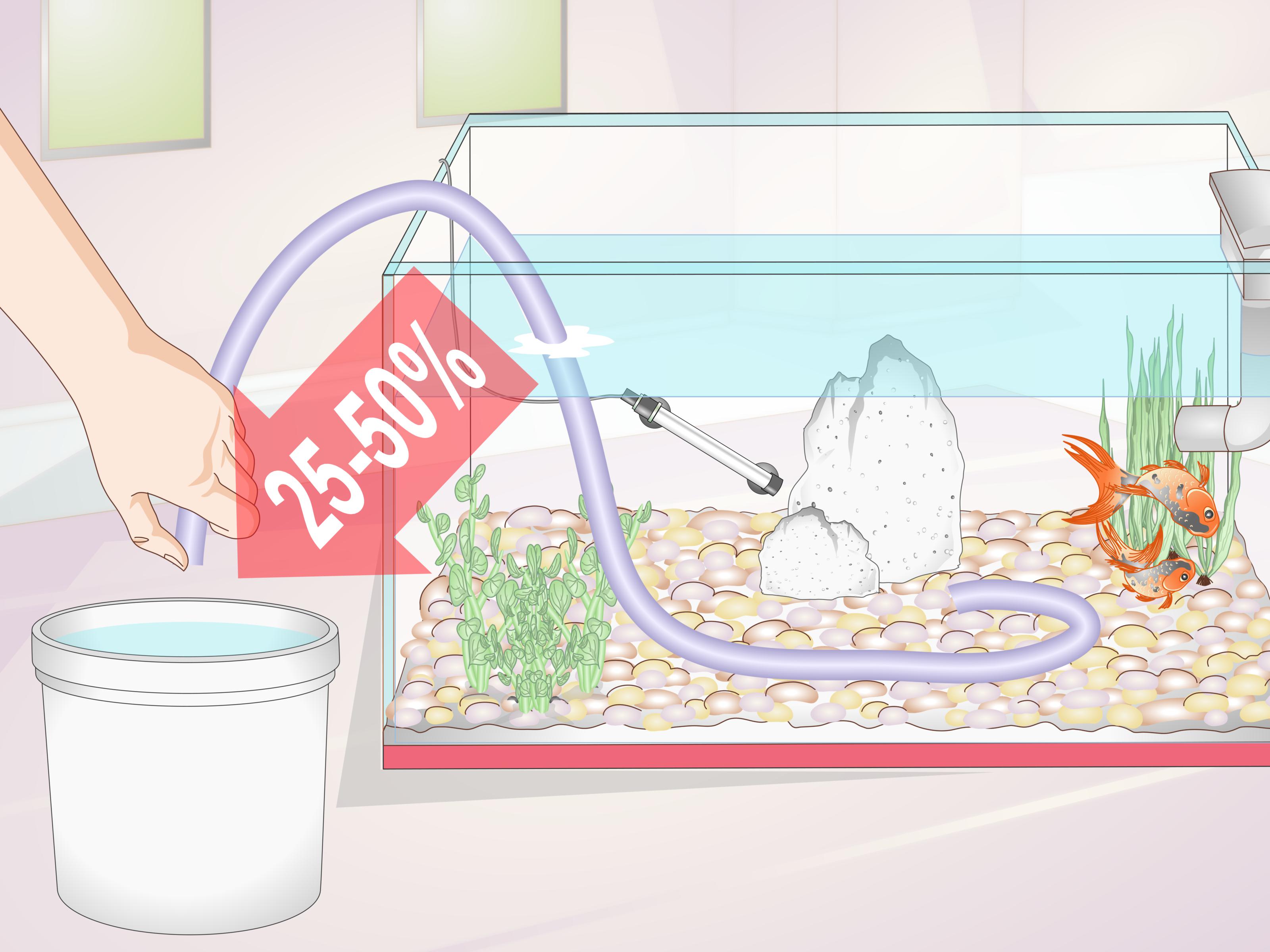
Regular partial water changes are the backbone of goldfish care. Instead of dumping all the water at once, remove part of it on a routine schedule, vacuum debris from the substrate, and replace it with conditioned water that is close in temperature. Sudden swings in water chemistry or temperature can stress goldfish, so consistency beats dramatic “deep cleans.”
Also, top-offs are not the same as water changes. Adding water replaces what evaporated. It does not remove dissolved waste. Your fish notices the difference, even if your lazy side pretends not to.
3. Feed Less Than Your Goldfish Thinks It Deserves
Goldfish are professional beggars. They will swim up to the glass with the confidence of a pet that has never eaten in its life, even if you fed them 30 seconds ago. Do not fall for the act. They are dramatic, not starving.
Overfeeding is a classic beginner mistake
Too much food leads to two big problems. First, your goldfish may struggle with digestion and buoyancy issues. Second, leftover food rots in the tank and worsens water quality. So the “extra love” you sprinkled in can boomerang into stress, cloudy water, and a fish that looks miserable.
Feed small amounts once or twice a day, and only give what your goldfish can finish promptly. If food is drifting to the bottom and sitting there like unwanted confetti, that is your sign to cut back. Remove uneaten food instead of letting it decompose.
Pick a balanced diet
Goldfish are omnivores, so a quality goldfish pellet or sinking food is usually a smart foundation. Many keepers also offer variety with occasional treats such as blanched vegetables or other appropriate supplemental foods. The key word here is occasional. A goldfish is not a tiny gourmet influencer who needs a tasting menu every evening.
Sinking foods are often easier for fancy goldfish because they reduce frantic gulping at the surface. Whatever you feed, stick with consistency, watch how your fish responds, and remember that a slightly hungry goldfish is usually safer than an overfed one.
4. Keep the Environment Stable, Calm, and Goldfish-Friendly
Goldfish do best when their world is boring in the best possible way. They like clean, oxygen-rich water, a dependable routine, and a setup that does not swing wildly from one extreme to another. Think “steady suburban life,” not “aquatic reality show.”
Focus on oxygen and steady temperature
Goldfish are cool-water fish and generally do well in moderate temperatures. They do not need tropical heat, and rapid temperature swings can cause trouble. A stable environment matters more than constant tinkering. If your room temperature changes a lot, monitor the tank closely so your fish is not riding an accidental thermal roller coaster.
Good aeration matters too. Goldfish have high oxygen demands, especially in warmer water or crowded tanks. Surface movement from a properly sized filter helps, and some setups benefit from extra aeration. If your fish is hovering at the top and gulping, do not shrug that off as a personality quirk.
Do not overstock the tank
Too many fish in too little water makes everything harder. Waste rises faster, oxygen gets used up more quickly, and maintenance turns into a constant chase. Goldfish are already heavy waste producers, so stuffing several into a small tank is basically asking your filter to perform miracles.
Be careful with tank mates as well. Fancy goldfish are slower swimmers and may struggle with fast, nippy, or highly competitive fish. Even if two species can technically share water, “technically” is not always the same as “stress-free.”
Keep the tank clean without going overboard
Maintenance should be regular, not chaotic. Clean algae from the glass, check the equipment, vacuum debris, and service the filter according to its instructions. But avoid the beginner panic move of scrubbing everything until it looks chemically blessed. Over-cleaning can disrupt beneficial bacteria and destabilize the tank.
Your goal is a clean, functioning ecosystem, not a sterile showroom.
5. Watch for Trouble Early and Act Fast
Healthy goldfish are active, alert, and interested in food. When that changes, pay attention. Fish often show subtle signs before things get serious, and catching those signs early can save a life.
Learn your goldfish’s normal behavior
Spend a minute or two observing your fish each day. It sounds simple, but this habit is gold. You will quickly learn what is normal for your pet and what is not. Warning signs can include clamped fins, rubbing against objects, gasping, white spots, torn fins, bloating, difficulty swimming, sudden hiding, or refusing food.
One of the most common fish diseases beginners notice is ich, which appears as tiny white spots and spreads easily. The best defense is prevention: quarantine new fish when possible, avoid sharing contaminated equipment, and keep water quality strong so your fish is not already stressed when a pathogen shows up.
Do not treat symptoms blindly
It is tempting to pour in medication the moment your goldfish looks weird. Resist that urge until you check the basics. Many fish problems begin with water quality, and no bottle can fix ammonia. Test the tank first. If the numbers are off, correct the environment before assuming your fish needs a pharmacy aisle dumped into its home.
If symptoms continue, research carefully, isolate affected fish when appropriate, and consult a veterinarian with fish experience if you can. Quick action matters, but smart action matters more.
Conclusion
Keeping a goldfish alive is not about fancy gear, secret hacks, or whispering encouraging words into the tank. It comes down to five very doable habits: use a real tank, keep the water clean and cycled, feed modestly, maintain a stable environment, and notice problems before they become disasters.
That may not sound glamorous, but it works. Goldfish are tough, personable, and surprisingly rewarding when cared for properly. Give them space, clean water, and a routine that makes sense, and they stop being the “easy pet that always dies” and start being the pet that proves how much good husbandry matters.
In short, the best way to keep a goldfish alive is to stop treating it like a temporary decoration and start treating it like the real pet it is. Your fish may not send a thank-you card, but it will show its appreciation by doing something even better: sticking around.
Goldfish-Keeping Experiences: The Lessons People Learn the Hard Way
Almost everyone who successfully keeps goldfish for the long haul has a story that starts with a mistake. Maybe it was a tiny starter bowl that seemed “good enough.” Maybe it was overfeeding because the fish looked hungry every time someone walked into the room. Maybe it was assuming clear water meant clean water. Goldfish have a funny way of teaching their owners that appearances can be wildly misleading.
One of the most common experiences new keepers describe is the shock of realizing how interactive goldfish can be. At first, people expect a silent little fish that drifts around like an orange screensaver. Then the fish starts recognizing movement, racing to the front glass at feeding time, and investigating every hand, siphon, or object that enters the tank. The owner gets attached, which is usually the exact moment they discover that goldfish care is more demanding than the pet store made it sound.
Another common lesson arrives during the first water test. The tank looks sparkling. The fish seems mostly okay. Then the test kit reveals ammonia or nitrite, and suddenly the owner understands that water chemistry is the invisible part of fishkeeping. That moment changes everything. It turns fish care from “I change the water when it looks gross” into “I manage an environment on purpose.” Oddly enough, that is when fishkeeping starts becoming more enjoyable, not less. Once the mystery disappears, the routine makes sense.
Feeding is another area where experience humbles people quickly. Goldfish act perpetually offended by portion control. Owners laugh the first few times their fish begs. Then they overfeed, the tank gets dirty faster, and the fish starts floating awkwardly or leaving uneaten food behind. That is when many people learn the golden rule that applies to goldfish and holiday desserts alike: just because someone wants more does not mean more is a good idea.
Experienced keepers also learn that stability beats perfection. Beginners often want to fix everything at once. They scrub the decor, replace all the media, change all the water, move the tank, add treatments, and buy five new gadgets in one weekend. Veteran owners tend to be calmer. They test first, change one variable at a time, and trust consistency. That patience usually leads to healthier fish and fewer emergencies.
Perhaps the most important experience of all is the moment a goldfish thrives long enough for its owner to see its personality. Some are bold. Some are nosy. Some are absolute food goblins. Some act like underwater pensioners who prefer a slow lap and a quiet afternoon. Once people notice those differences, they stop seeing goldfish as generic pets and start seeing them as individual animals. That shift in perspective often leads to better care automatically.
So yes, people can and do keep goldfish alive for years. Usually, they do it after learning that goldfish are not disposable, bowls are not enough, and routine matters more than luck. The real experience of goldfish ownership is not just keeping a fish from dying. It is watching your care choices create a healthier, more stable little world, then seeing your fish respond to it day after day.