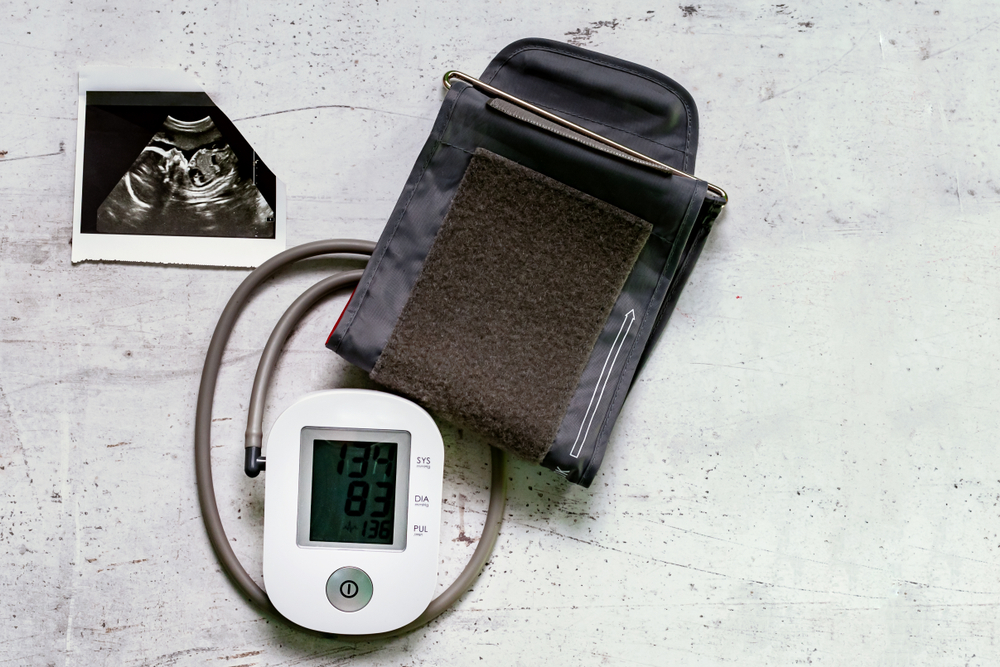
Pregnancy is already full of numbers. Weeks of gestation. Glucose values. Kick counts. Nursery paint samples that somehow cost more than rent. Then blood pressure joins the party and suddenly everyone is staring at the monitor like it just spoiled the season finale.
To be fair, blood pressure numbers matter. They matter a lot. Clear thresholds help clinicians identify danger, reduce confusion, and act fast when pregnancy becomes medically complicated. But personalized hypertension care in pregnancy means recognizing something equally important: a blood pressure reading is a starting point, not the whole story. Two patients can have the same reading and very different risks, symptoms, histories, goals, and next steps.
That is why the future of excellent care is not “ignore the evidence” or “treat every pregnant patient exactly the same.” It is using evidence-based thresholds wisely while building care around the individual in front of you. In other words, the cuff gives you a number. Good clinical judgment gives that number meaning.
Why Blood Pressure Thresholds Still Matter
Let’s start with the obvious truth: thresholds exist for a reason. In pregnancy, hypertension is generally identified at 140/90 mm Hg or higher, while 160/110 mm Hg or higher signals severe hypertension and raises the urgency considerably. Those numbers help clinicians sort normal discomfort from real danger and create a shared language across prenatal care, labor and delivery, emergency departments, and postpartum follow-up.
They also help define the major categories of hypertensive disorders of pregnancy. Chronic hypertension usually means high blood pressure that was present before pregnancy or diagnosed before 20 weeks. Gestational hypertension develops after 20 weeks without clear evidence of organ injury. Preeclampsia is more than elevated blood pressure; it includes signs that the condition is affecting organs such as the kidneys, liver, brain, lungs, or blood system. In severe cases, seizures can occur, which is called eclampsia. Some patients also develop HELLP syndrome, a dangerous complication involving liver and blood abnormalities.
Recent evidence has changed how clinicians think about chronic hypertension in pregnancy. For years, there was concern that treating “mild” chronic hypertension too aggressively might lower blood pressure at the expense of placental blood flow or fetal growth. The CHAP trial changed that conversation in a big way. It showed that treating chronic hypertension using a threshold of 140/90, rather than waiting for more severe readings, improved pregnancy outcomes without increasing fetal growth problems. That was not a minor footnote. It was a major shift.
Still, if all we do is memorize a threshold and stop thinking, we are not practicing personalized care. We are just doing math with a stethoscope nearby.
Why “Beyond Thresholds” Is the Real Work
Blood pressure is not a one-size-fits-all measurement in pregnancy. The same reading can carry different meaning depending on who has it, when it happens, and what else is going on.
Baseline Risk Changes the Meaning of a Number
A reading of 142/92 at 14 weeks does not land the same way in every patient. A person with chronic hypertension, kidney disease, diabetes, autoimmune disease, or a history of preeclampsia enters pregnancy with a different risk profile than someone whose blood pressure has always been normal. Multifetal pregnancy changes the context. So does obesity. So does a pregnancy conceived through assisted reproductive technology. So does a previous pregnancy complicated by fetal growth restriction or medically indicated preterm birth.
Personalization starts by asking, “What did this patient look like before pregnancy?” and “What happened in prior pregnancies?” That context can shape surveillance, preventive strategies, medication decisions, and the threshold for concern when symptoms show up.
Trends Often Matter More Than a Single Snapshot
Pregnancy care is full of opportunities to overreact to one number or underreact to a pattern. Personalized care tries to do neither. A single mildly elevated reading might reflect pain, stress, caffeine, or a poorly fitting cuff. But a steady upward trend over two weeks, especially after 20 weeks, deserves real attention. A patient whose pressure rises from the low 100s systolic to the high 130s may be telling you something important, even before crossing a dramatic threshold.
The trajectory matters. The gestational age matters. Whether symptoms are present matters. Whether laboratory findings are changing matters. A patient may not look “severe” on paper and still be moving toward a serious hypertensive disorder. That is why good care is never just about seeing a number. It is about seeing the pattern.
Symptoms and Organ Signals Matter Too
Preeclampsia is not merely “high blood pressure plus paperwork.” It can bring headaches that do not go away, vision changes, shortness of breath, upper abdominal pain, sudden worsening swelling, abnormal labs, or decreased urine output. Some patients feel terrible. Others feel almost normal until their blood pressure or labs reveal a brewing emergency. Personalized care means listening carefully to symptoms instead of treating them as background pregnancy noise. Yes, pregnancy can cause headaches and swelling. No, that does not mean every headache and every swollen hand gets a free pass.
What Personalized Hypertension Care Looks Like Before and During Pregnancy
Preconception Planning, When Possible
The most personalized hypertension care in pregnancy often starts before conception. Patients with known chronic hypertension benefit from a medication review, a discussion of pregnancy goals, and a check on kidney function, cardiovascular risk, and related conditions. Some blood pressure medications are considered safer in pregnancy than others, so this is not the time for a casual shrug and a “we’ll see what happens.”
Preconception counseling also helps patients understand their specific risk of preeclampsia, growth restriction, early delivery, and postpartum hypertension. It turns a vague warning into a practical plan. That plan may include medication adjustments, baseline labs, home blood pressure tracking, and earlier prenatal contact once pregnancy begins.
Prevention Should Be Individualized, Not Generic
Patients at high risk for preeclampsia may be advised to take low-dose aspirin, 81 mg daily, after 12 weeks of gestation. That recommendation is evidence-based, but its application is individualized. Not every pregnant patient needs aspirin. The point is to identify those who do, based on history and risk factors, and to begin it in time for it to help.
Personalized prevention also includes realistic counseling on physical activity, sleep, stress, nutrition, and follow-up. It should fit the patient’s life. Telling someone to “reduce stress” while they are juggling shift work, child care, and a 90-minute bus commute is not a care plan. It is a motivational poster with bad timing.
Home Blood Pressure Monitoring Can Be a Game-Changer
For many patients, personalized hypertension care includes home monitoring. This is especially useful for chronic hypertension, suspected gestational hypertension, postpartum blood pressure follow-up, and patients who need closer surveillance but may not be able to come into the office constantly. Home readings can reveal whether a concerning office value was a one-off event or part of a real pattern. They can also catch worsening blood pressure between visits.
But home monitoring only helps when it is done well. The right cuff size matters. Resting before the reading matters. Consistent timing matters. Writing the readings down or sending them through a patient portal matters. A home cuff is not magic. It is a tool. Used correctly, it supports personalized care. Used randomly, it mostly creates group-chat anxiety.
Medication Decisions Should Match the Person, Not the Myth
One of the most persistent myths in pregnancy care is that taking blood pressure medication automatically means the pregnancy is spiraling. Not true. Sometimes medication is exactly what protects the patient and the baby. Personalized care looks at how high the readings are, whether the patient already has chronic hypertension, how early in pregnancy the issue appears, whether symptoms or lab abnormalities are present, and how the fetus is growing.
Medication decisions are also shaped by tolerance, side effects, access, and adherence. A theoretically excellent medication does not help if it causes side effects the patient cannot live with or requires a schedule that falls apart in real life. Personalized care includes picking a regimen the patient can actually follow.
When Hypertension Becomes a Placental and Fetal Issue
Hypertension in pregnancy is not only about maternal stroke prevention, although that is crucial. It is also about the placenta. High blood pressure can affect how well the placenta delivers oxygen and nutrients, which means fetal growth, amniotic fluid, and timing of delivery all come into the conversation.
This is where individualized care becomes especially important. A patient with stable chronic hypertension and reassuring fetal growth may need a very different plan than a patient whose blood pressure is only mildly elevated but whose fetus is measuring small, whose Doppler studies are concerning, or whose symptoms are evolving. The number on the monitor matters, but so does what the baby is telling us through growth, movement, and surveillance.
That is also why the old fear of treating chronic hypertension too early deserves a more updated view. Untreated hypertension is not “gentler” just because it avoids medication. The disease itself can compromise placental function. Personalized care means balancing maternal safety, placental health, fetal growth, and gestational age rather than treating medication as the automatic villain.
Preeclampsia Demands Context, Vigilance, and Speed
Preeclampsia can develop in patients with or without chronic hypertension. It can appear after 20 weeks, worsen rapidly, and in some cases show up after delivery. This is exactly why “beyond thresholds” matters. A patient with borderline blood pressure but severe headache, visual symptoms, and abnormal labs may be in more danger than someone with a higher number who is otherwise stable. Personalized care means respecting both the number and the clinical picture.
It also means having a clear escalation plan. Patients need to know what symptoms count as red flags, when to call their clinician, when to go to labor and delivery, and when to seek emergency care immediately. Severe headache, visual changes, severe shortness of breath, chest pain, severe right upper abdominal pain, or severe blood pressure readings should not be left to chance. Pregnancy is not the time for the “let’s wait and see if it goes away” strategy when serious warning signs are involved.
Postpartum Care Is Not Optional Extra Credit
One of the biggest gaps in hypertension care happens after the baby is born, when everyone naturally focuses on the newborn and the recovering parent is expected to function on three hours of sleep and one granola bar. Unfortunately, hypertensive disorders do not always read the discharge paperwork. Blood pressure can remain high after delivery, worsen, or begin for the first time postpartum.
Personalized postpartum care means making a blood pressure plan before discharge, not after a panicked phone call on day five. That plan may include a home cuff, telehealth or text-based check-ins, medication adjustments, symptom education, and earlier follow-up than the traditional six-week visit. Research reviewed by AHRQ suggests remote blood pressure monitoring can improve follow-up and may help reduce disparities in postpartum care. That matters because postpartum complications are often missed not because they are invisible, but because the system makes them too easy to miss.
And postpartum care should not stop at the first normal reading. A history of gestational hypertension or preeclampsia raises the future risk of chronic hypertension and cardiovascular disease. In plain English: pregnancy can act like an early stress test. If hypertensive disease shows up, it may be signaling a need for long-term heart and vascular prevention. Personalized care therefore extends beyond delivery, beyond six weeks, and honestly beyond the baby book.
What a Truly Personalized Plan Includes
A strong hypertension plan in pregnancy does not rely on a single office reading and a hopeful smile. It usually includes several layers working together:
First, baseline risk assessment. What were the patient’s pressures before pregnancy? Any kidney disease, diabetes, autoimmune disease, prior preeclampsia, or prior growth restriction?
Second, tailored monitoring. Some patients can be followed with routine prenatal care. Others need more frequent blood pressure checks, home monitoring, labs, fetal growth ultrasounds, or antenatal testing.
Third, prevention. When indicated, use low-dose aspirin and address modifiable risks with realistic counseling rather than generic advice.
Fourth, individualized treatment. Choose medication and timing based on severity, gestational age, maternal symptoms, tolerability, and fetal well-being.
Fifth, a postpartum transition plan. Because the end of pregnancy is not the end of risk.
That is personalized care. Not mysterious. Not trendy. Just thoughtful, evidence-based, and centered on the patient’s real clinical picture.
Experiences From the Real World: What Personalized Care Feels Like
The following are composite, realistic examples based on common clinical patterns rather than individual patient stories.
One common experience is the patient who enters pregnancy with chronic hypertension and is terrified that medication will harm the baby. She has read too many scary posts, heard too many conflicting opinions, and arrives at her first prenatal visit ready to apologize for her blood pressure like it is a character flaw. Personalized care changes the tone immediately. Instead of shaming or oversimplifying, the clinician explains the current evidence, reviews her medication list, switches anything that is not pregnancy-friendly if needed, and sets a monitoring plan. Suddenly, the patient is not “high-risk and doomed.” She is informed, supported, and part of a strategy. That emotional shift matters more than many people realize.
Another common experience is the patient whose pregnancy has been completely normal until the third trimester, when the numbers begin to drift upward. Nothing looks dramatic at first. Maybe the reading is only mildly elevated. Maybe the headache seems explainable. Maybe the swelling feels like typical late-pregnancy discomfort. Personalized care means someone takes the whole picture seriously. The clinician repeats the blood pressure, reviews symptoms carefully, orders labs, and arranges close follow-up instead of brushing it off as “probably just pregnancy.” In some cases, that kind of attention catches preeclampsia early enough to prevent a much more dangerous turn.
Then there is the postpartum experience, which is often the most underestimated of all. A patient goes home after delivery feeling relieved that the hard part is over. Two days later, she has a pounding headache, notices her blood pressure is climbing on a home cuff, and wonders whether she is just exhausted. Personalized postpartum care means she already knows those symptoms matter. She has been told exactly what numbers to report, who to call, and when to go in immediately. Instead of waiting until the situation becomes an emergency, she gets evaluated early. That is not overreaction. That is good design.
Patients also experience personalization in practical ways. Some need text-based blood pressure check-ins because getting back to the clinic is hard. Some need medication schedules that work around nausea, night shifts, or caring for older children. Some need extra counseling because a previous traumatic pregnancy makes every elevated reading feel catastrophic. Some need very direct reassurance that asking for help is not weakness and that calling about warning signs is not “being dramatic.” Personalized care respects those realities instead of pretending every patient lives inside an ideal medical textbook.
Clinicians experience this too. The best hypertensive care plans in pregnancy often come from teams that stop treating the diagnosis as a single problem with a single answer. They recognize that a threshold can trigger action, but judgment determines the right action. One patient needs medication adjustment. Another needs more fetal surveillance. Another needs admission. Another needs a home cuff, a symptom list taped to the refrigerator, and a nurse call in 48 hours. Same diagnosis family. Different plan. That is what “beyond evidence-based thresholds” really looks like when the rubber meets the road.
Conclusion
Evidence-based thresholds remain essential in pregnancy hypertension care. They identify risk, guide treatment, and save lives. But excellent care does not end when the systolic and diastolic numbers appear on the screen. Personalized hypertension care in pregnancy means interpreting those numbers through the lens of history, gestational age, symptoms, labs, fetal well-being, access to care, and postpartum risk. It means using evidence as the foundation, not the ceiling.
In the end, the goal is simple even if the work is not: protect the pregnant patient, protect the baby, and tailor the plan so the right intervention happens at the right time for the right person. Blood pressure thresholds are part of that story. They are just not the entire plot.