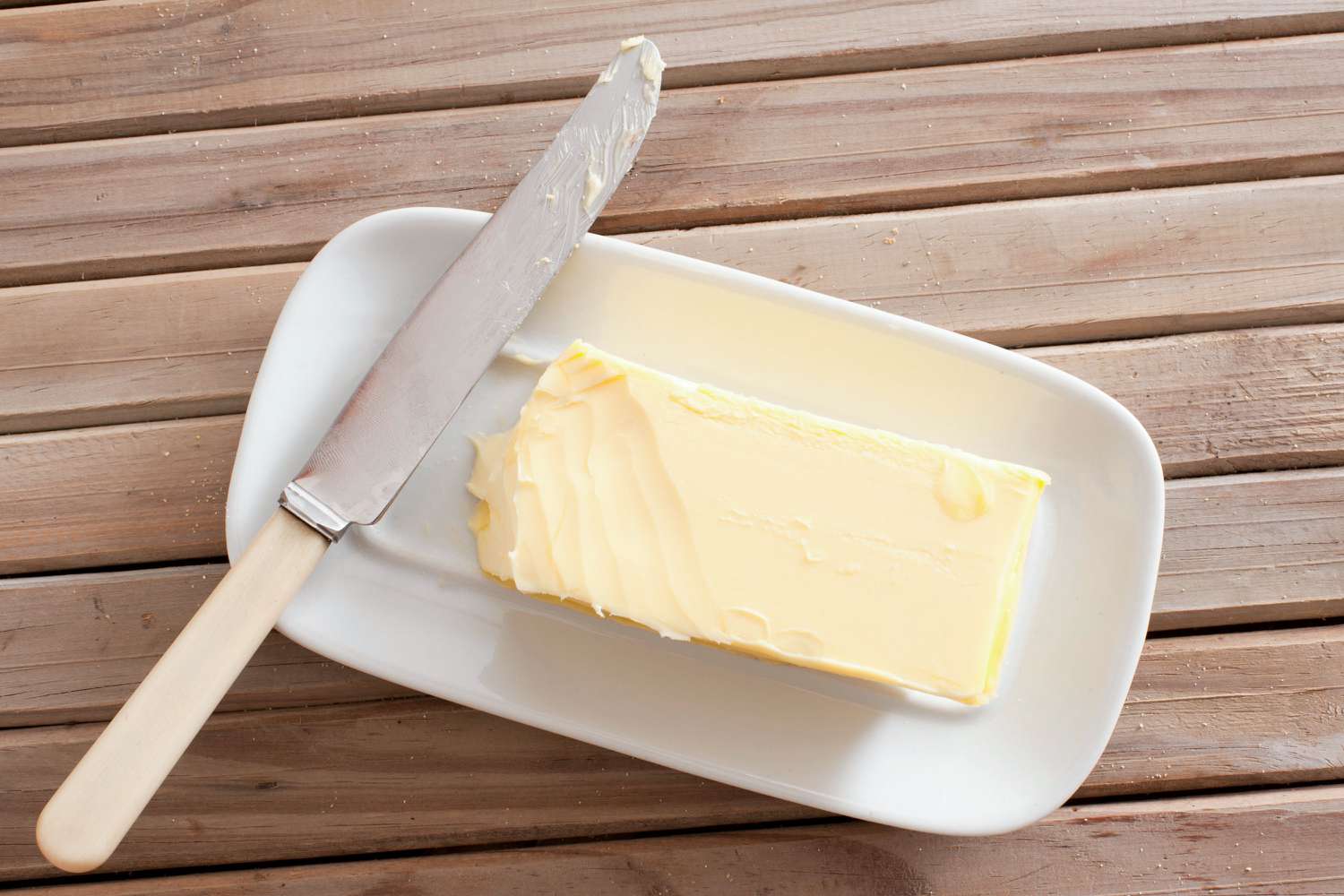
Running out of unsalted butter feels a little like discovering your Wi-Fi died five minutes before a deadline: technically survivable, emotionally rude. The good news is that you do not need to abandon your cookies, cake, biscuits, or skillet dinner just because the butter dish looks tragic. The better news is that there are several excellent unsalted butter substitutes, and the “best” one depends on what the butter was doing in the recipe in the first place.
That is the real trick. Butter is not just there to look pretty in stick form. In baking, it adds flavor, tenderness, moisture, and sometimes structure. In recipes that call for creaming butter with sugar, it also helps trap air, which gives cakes and cookies lift and a softer crumb. In cooking, butter brings richness and a glossy finish, but it is often easier to replace because you can taste as you go. Once you understand the job butter is doing, choosing the right substitute becomes far less dramatic.
This guide breaks down the best unsalted butter substitutes for baking and cooking, when to use each one, when not to use it, and how to avoid turning a simple swap into a kitchen science experiment gone off the rails.
Why Recipes Ask for Unsalted Butter
Before talking about substitutes, it helps to know why unsalted butter shows up in so many American recipes. The short version: control. Unsalted butter lets bakers control how much salt goes into the final product. That matters in cookies, cakes, pie crusts, biscuits, and frosting, where a little extra salt can push the flavor from balanced to “why does my snickerdoodle taste like it has opinions?”
Unsalted butter is also fairly predictable. Standard American butter is usually around 80% fat, with the rest made up mostly of water and milk solids. When you swap it out, you are not just replacing flavor. You are replacing a specific balance of fat and moisture. That is why some substitutes work beautifully in muffins but flop in sugar cookies, and why a buttery cake can become dense or greasy if the wrong fat steps in without a plan.
The Best Unsalted Butter Substitutes at a Glance
If you are in a hurry, here is the quick-reference version:
- Salted butter: Best overall emergency substitute; usually swap 1:1 and reduce added salt slightly.
- Plant-based butter or margarine: Great 1:1 substitute for many baked goods and frostings.
- Shortening: Reliable 1:1 swap when texture matters more than butter flavor.
- Neutral oil: Excellent for moist cakes, muffins, and quick breads; usually use about 3/4 as much as butter unless the recipe uses melted butter.
- Coconut oil: Useful in many baked goods, especially when you need a solid fat.
- Greek yogurt: Best for cakes, muffins, and quick breads where tenderness matters.
- Applesauce or fruit puree: Works in soft baked goods, but not in recipes that rely on creaming butter and sugar.
- Ghee or clarified butter: Better for cooking than for most baking.
1. Salted Butter: The Easiest Unsalted Butter Substitute
If the recipe calls for unsalted butter and all you have is salted butter, congratulations: your butter emergency has already been downgraded to a mild inconvenience. Salted butter is the easiest and most practical substitute for unsalted butter in both cooking and baking.
Use it in a 1:1 ratio. Then reduce the added salt in the recipe a little. A common rule of thumb is to cut about 1/4 teaspoon of salt per 1/2 cup of butter, but because salt levels vary by brand, this is more of a polite estimate than a sworn legal statement.
Best for: cookies, cakes, muffins, brownies, pancakes, sauces, and sautéed dishes.
Watch out for: recipes with delicate flavor balance, such as shortbread, buttercream, or very lightly sweet baked goods where salt stands out more.
2. Plant-Based Butter or Margarine: The Closest Match
When you want something that behaves most like butter, plant-based butter or stick margarine is often the strongest substitute. These products are designed to mimic butter’s fat structure, spreadability, and baking performance. For many home bakers, this is the substitute that causes the fewest surprises.
In most recipes, you can swap plant-based butter or margarine for unsalted butter at a 1:1 ratio. It works especially well in cookies, cakes, bars, biscuits, pie crust, and even some frostings. Stick-style products are usually better than soft tub spreads because tubs tend to contain more water, which can mess with texture.
Best for: cookies, cakes, pie dough, biscuits, buttercream, and vegan baking.
Watch out for: low-fat spreads labeled “light” or extra-whipped products. Those are not true butter twins; they are more like distant cousins with different priorities.
3. Shortening: Not as Romantic, but Very Effective
Shortening does not have butter’s rich flavor, and no one is putting it on warm toast for emotional support, but it is a dependable substitute in baking. Because it is 100% fat and contains no water, shortening can create tender baked goods and sometimes more height or a crisper edge, depending on the recipe.
Use shortening as a 1:1 substitute for unsalted butter. It is particularly useful in pie crusts, biscuits, sugar cookies, and recipes where structure and tenderness matter more than classic butter flavor.
Best for: pie crust, biscuits, drop cookies, cutout cookies, and some frostings.
Watch out for: cakes or cookies where butter flavor is a major selling point. A butter cookie made with shortening is still a cookie, but it may feel like it forgot its lines.
4. Neutral Oil: The Moisture Champion
If your goal is a moist, tender crumb, neutral oil is one of the best unsalted butter substitutes around. Canola oil, vegetable oil, avocado oil, or another mild-flavored oil can work beautifully in cakes, muffins, quick breads, and some brownies.
The usual rule is to use about 3/4 cup oil for every 1 cup butter. If the recipe calls for melted butter, a 1:1 swap is often easier and more successful because the recipe already treats the fat as liquid.
Oil tends to keep baked goods softer for longer than butter. That is great for snack cakes and banana bread. It is less great for cookies that rely on creamed butter to build structure and flavor.
Best for: muffins, quick breads, loaf cakes, snack cakes, brownies, and cornbread.
Watch out for: creamed-butter recipes such as classic sugar cookies or pound cake. Oil does not trap air the same way softened butter does, so the final texture can be denser and flatter.
5. Coconut Oil: Useful When You Need a Solid Fat
Coconut oil sits in a handy middle ground. Like butter, it is solid at cooler room temperatures, which makes it more suitable than liquid oil for some doughs and pastries. Refined coconut oil is especially helpful when you want the function of coconut oil without a strong coconut flavor.
In many recipes, coconut oil can replace unsalted butter at a 1:1 ratio. It works well in cookies, scones, muffins, and vegan baking. Because it melts a bit differently from butter, dough may benefit from a quick chill before baking.
Best for: vegan cookies, scones, muffins, bars, and some pie doughs.
Watch out for: recipes where butter flavor is essential, or very warm kitchens where coconut oil turns liquid faster than expected and makes dough harder to handle.
6. Greek Yogurt: Smart for Cakes and Quick Breads
Greek yogurt is not a butter clone, but it can be a surprisingly effective substitute in the right recipe. It adds moisture, tenderness, and a slight tang that can make cakes and muffins taste more interesting rather than merely “healthy.” That alone is a victory.
Plain, unsweetened Greek yogurt can often be used as a 1:1 substitute in recipes that call for less than 1 cup of butter, especially in cakes, muffins, and quick breads. It works best when the recipe does not depend heavily on butter for creaming and lift.
Best for: muffins, snack cakes, loaf cakes, quick breads, and pancakes.
Watch out for: flaky pastries, pie crust, butter cookies, and anything requiring a solid fat to build texture. Also use plain yogurt, not vanilla yogurt unless you enjoy surprise dessert improv.
7. Applesauce or Fruit Puree: Good for Soft, Casual Baking
Unsweetened applesauce is one of the most common butter substitutes in lighter baking, and it can absolutely work. It adds moisture and can reduce fat, but it does not replicate butter’s richness, browning power, or creaming ability. That means it is best in recipes that are already forgiving.
Applesauce works well in muffins, snack cakes, quick breads, and some brownies. It is often used as a partial swap, though some bakers use it more aggressively in simple batters. The biggest warning is this: do not rely on applesauce in recipes that require creaming butter with sugar. That is where disappointment tends to move in and unpack.
Best for: muffins, simple cakes, banana bread, spice cakes, and breakfast bakes.
Watch out for: sugar cookies, butter cakes, biscuits, laminated doughs, or anything where butter is there to create air pockets and structure.
8. Ghee or Clarified Butter: Great for Savory Cooking
For stovetop cooking, ghee is a strong substitute for unsalted butter. It offers a rich buttery flavor and a higher smoke point, which makes it especially useful for sautéing, pan-frying, and finishing savory dishes. In baked goods, however, ghee is a little trickier because it lacks the water and milk solids found in regular butter.
If you are making eggs, roasted vegetables, garlic shrimp, or a pan sauce, ghee is terrific. If you are making a classic cake or chewy cookies, it is less predictable unless the recipe was designed for it.
Best for: sautéing, roasting, skillet dinners, rice dishes, and savory sauces.
Watch out for: baking recipes that depend on butter’s exact moisture balance.
How to Choose the Right Substitute by Recipe Type
For Cookies
Use salted butter, plant-based butter, or shortening first. Coconut oil can work in many cookies too. Avoid applesauce in classic butter cookies unless you are intentionally changing the texture.
For Cakes
Use salted butter, plant-based butter, oil, or Greek yogurt depending on the desired result. Oil gives the longest-lasting moisture, while butter-style substitutes give a more classic flavor.
For Muffins and Quick Breads
This is the most flexible category. Oil, Greek yogurt, applesauce, and plant-based butter can all work well here.
For Pie Crust and Biscuits
Stick with shortening, plant-based butter, salted butter, or coconut oil. These recipes usually need a solid fat for layering or tenderness.
For Frosting
Use plant-based butter, salted butter with adjusted salt elsewhere, or shortening. Yogurt and applesauce are not invited to this party.
For Savory Cooking
Salted butter, olive oil, ghee, avocado oil, and coconut oil are all useful depending on flavor and heat level.
Common Mistakes When Replacing Unsalted Butter
- Ignoring the method: If a recipe starts by creaming butter and sugar, a liquid swap may change the texture dramatically.
- Using soft tub spreads: These often contain extra water and can make baked goods greasy or flat.
- Forgetting to adjust salt: Salted butter is easy to use, but only if you trim the added salt a little.
- Expecting identical flavor: Shortening, yogurt, and applesauce can work well, but none tastes exactly like butter.
- Choosing a strong-flavored oil carelessly: Olive oil can be delicious in some cakes, but maybe not in your vanilla birthday cupcakes unless that is the plot twist you wanted.
The Bottom Line on Unsalted Butter Substitutes
The best unsalted butter substitute is not always the fanciest one. Most of the time, salted butter is your easiest backup, plant-based butter is your closest match, shortening is your texture specialist, and oil is your moisture wizard. Greek yogurt and applesauce can be useful in the right kinds of baked goods, while ghee shines mostly in savory cooking.
So the next time a recipe calls for unsalted butter and your fridge answers with silence, do not panic. Check the method, pick a substitute that matches the recipe’s needs, and carry on like the capable kitchen genius you are. Or at least like someone who refuses to let a missing stick of butter win.
Kitchen Experiences and Real-Life Lessons With Unsalted Butter Substitutes
Anyone who bakes regularly eventually develops a relationship with butter substitutes, and it usually begins with a minor household tragedy. Maybe you started a batch of chocolate chip cookies, reached for the second stick of butter, and found only one lonely tablespoon wrapped in paper like a tiny dairy apology. Maybe you promised muffins for breakfast, realized the store was closed, and suddenly had to make peace with Greek yogurt. That is how most people meet butter substitutes: not in a calm academic setting, but in a moment of culinary panic with flour already on the counter.
One of the most common experiences is learning that not all substitutes fail in the same way. Oil-based cakes often come out surprisingly great, sometimes even better on day two because they stay moist. That can feel like discovering a cheat code. On the other hand, replacing butter with oil in a sugar cookie recipe can produce a cookie that spreads like gossip and loses that soft, slightly chewy center people love. Same kitchen, same baker, completely different result. That is the moment when many home cooks realize butter is not a single-purpose ingredient. It is a whole job description.
Another relatable lesson comes from using applesauce. It sounds wonderfully wholesome, and in banana bread or a cinnamon snack cake it can be a helpful swap. But plenty of people have made the mistake of assuming applesauce can go anywhere butter goes. Then they pull a tray of flat, oddly soft cookies from the oven and stare at them like they have been personally betrayed by fruit. Applesauce can absolutely work, but it works best when the recipe is already soft, moist, and forgiving.
Greek yogurt tends to create a more pleasant surprise. In muffins and loaf cakes, it often adds tenderness without making the result taste “diet.” In fact, many bakers end up liking the slight tang it brings. The experience is less “I am settling” and more “Wait, this is actually good.” It is one of those substitutes that teaches confidence because it feels practical, accessible, and not weirdly experimental.
Then there is the classic salted-butter emergency. This one is almost a rite of passage. After making the swap and trimming a little added salt, most people discover the final dessert is still excellent. That experience alone takes a lot of fear out of baking. It reminds you that good recipes are often more flexible than they first appear, as long as you respect the role each ingredient plays.
Over time, those small substitutions build kitchen intuition. You start to remember that shortening is helpful in pie crust, oil is brilliant in quick breads, and plant-based butter is the MVP when you want a near-butter result without much drama. Eventually, running out of unsalted butter stops feeling like a catastrophe and starts feeling like a puzzle you already know how to solve. And honestly, that may be one of the most satisfying cooking experiences of all.