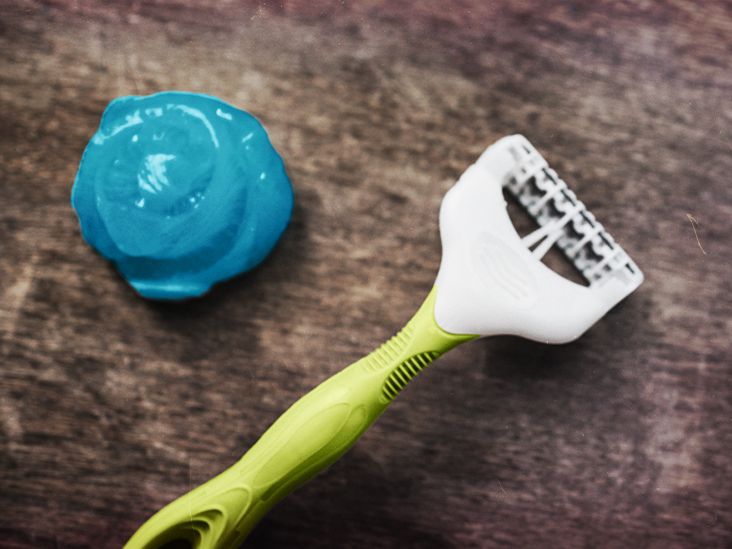
Razor burn on legs has a special talent for appearing at the worst possible moment. You shave because you want smooth, comfortable skin, and suddenly your legs feel like they just had a disagreement with sandpaper. Redness, stinging, itching, tiny bumps, and that “why did I do this?” feeling can turn a simple grooming routine into a full-blown bathroom drama.
The good news is that razor burn is usually preventable. Even better, most of the best fixes are simple: soften the skin first, use a clean sharp blade, shave gently, moisturize afterward, and avoid treating your legs like a race track. The goal is not just to remove hair. The goal is to remove hair while keeping the skin barrier calm, hydrated, and very much not furious.
This guide explains how to reduce razor burn on legs, what causes it, how to calm irritation when it happens, and how to build a shaving routine that works for sensitive skin, dry skin, coarse hair, and everyday life.
What Is Razor Burn on Legs?
Razor burn is skin irritation that happens after shaving. On the legs, it often appears as redness, tenderness, itching, a warm or burning feeling, or small irritated patches. It may show up immediately after shaving or several hours later, especially if the skin is dry, the razor is dull, or the shave was too aggressive.
Razor burn is not exactly the same as razor bumps. Razor burn is usually irritation from friction and shaving technique. Razor bumps are often related to ingrown hairs, which happen when shaved hair curls back into the skin or gets trapped under dead skin cells. The two can appear together, which is why your legs may feel irritated and look bumpy at the same time.
Common Causes of Razor Burn on Legs
Dry Shaving
Dry shaving is one of the fastest ways to irritate the skin. Without water and shaving cream, the razor drags instead of glides. That friction can disturb the outer layer of skin and leave your legs red, itchy, and uncomfortable.
Using a Dull Razor
A dull blade does not cut hair cleanly. Instead, it tugs, scrapes, and forces you to go over the same spot repeatedly. That extra pressure increases the chance of razor burn, tiny nicks, and angry-looking skin.
Shaving Against the Direction of Hair Growth
Many people shave upward on the legs because it can feel like a closer shave. However, shaving against the direction of hair growth may increase irritation, especially for people prone to razor bumps or ingrown hairs.
Too Much Pressure
A razor should glide over the skin. It should not be pressed down like you are trying to scrape paint off a fence. Pressing too hard removes more than hair; it can disturb the skin barrier and trigger burning, redness, and bumps.
Skipping Moisturizer
Shaving removes hair, but it can also remove some natural oils from the skin. If you skip moisturizer afterward, your legs may become dry and more reactive. Dry skin and razor burn are not exactly best friends, but they do spend a suspicious amount of time together.
How to Reduce Razor Burn on Legs Before You Shave
Shave at the End of a Warm Shower
Warm water helps soften hair and hydrate the outer layer of skin. Shaving at the end of a shower gives your leg hair time to soften, which makes it easier for the razor to cut cleanly. This reduces tugging and friction.
Cleanse Gently First
Before shaving, wash your legs with a gentle cleanser. This helps remove sweat, oil, sunscreen, lotion, and dirt that may clog the razor or irritate freshly shaved skin. Avoid harsh scrubs right before shaving if your skin is already sensitive.
Use Shaving Cream or Gel
A moisturizing shaving cream or gel creates a protective layer between your skin and the blade. This helps the razor move smoothly instead of scraping. If your legs are easily irritated, choose a fragrance-free or sensitive-skin formula.
Let the Product Sit for a Minute
Do not apply shaving cream and immediately attack your legs with a razor like you are late for a meeting with destiny. Let the cream sit briefly so it can soften the hair and cushion the skin. Even 60 seconds can make the shave feel smoother.
The Best Shaving Technique to Prevent Razor Burn
Use Light, Short Strokes
Short strokes give you more control and reduce the need to press down. Start with gentle pressure and let the razor do the work. If the blade is sharp, you should not need to force it.
Shave in the Direction of Hair Growth
For people who get frequent razor burn or ingrown hairs, shaving in the direction of hair growth is usually gentler. On legs, hair growth can vary by area, so pay attention. The lower leg may not grow in exactly the same direction as the thigh.
Rinse the Razor Often
Hair, shaving cream, and dead skin cells can build up between blades. Rinse the razor after every few strokes so it stays clean and effective. A clogged razor drags, and dragging is where the trouble begins.
Avoid Shaving the Same Area Again and Again
Repeated passes over the same patch of skin are a major cause of irritation. If you missed a spot, reapply shaving cream before going over it again. Never keep scraping bare skin just because one stubborn hair is auditioning for a survival show.
Do Not Stretch the Skin Too Tight
Pulling the skin tight can create an ultra-close shave, but that may increase the risk of hair being cut below the skin surface. When hair grows back, it can become trapped and form bumps. Keep the skin relaxed and use gentle technique.
Choosing the Right Razor for Your Legs
Replace Blades Regularly
Old blades are one of the biggest razor burn villains. Replace disposable razors or cartridge blades after several shaves, especially if you notice tugging, rust, buildup, or discomfort. A blade that feels rough is not “still good.” It is retired. Let it enjoy its tiny metal pension.
Store Razors in a Dry Place
Leaving a razor in a wet shower can encourage rust and buildup. After shaving, rinse it well, shake off extra water, and store it somewhere dry. A clean razor is kinder to the skin.
Consider Fewer Blades if You Get Bumps
Multi-blade razors can give a close shave, but some people find that they increase irritation or ingrown hairs. If your legs often develop bumps after shaving, trying a single-blade or fewer-blade razor may help reduce friction and overly close cutting.
What to Do After Shaving to Calm the Skin
Rinse with Cool Water
After shaving, rinse your legs with cool water. This helps remove leftover shaving cream and can calm the skin. You can also apply a cool, damp washcloth for a few minutes if your legs already feel hot or irritated.
Pat, Do Not Rub
Use a soft towel and gently pat your legs dry. Rubbing freshly shaved skin can increase irritation. Your towel should not be part of the exfoliation department today.
Apply a Gentle Moisturizer
Moisturizing after shaving helps support the skin barrier and reduce dryness. Look for fragrance-free lotions or creams with soothing ingredients such as glycerin, ceramides, colloidal oatmeal, aloe vera, or shea butter. If your skin stings after applying a product, switch to something simpler and gentler.
Avoid Fragrance and Alcohol-Based Products
Perfumed lotions may smell like a tropical vacation, but freshly shaved legs may not appreciate the trip. Fragrance and alcohol-based aftershaves can sting and worsen irritation, especially on sensitive skin.
How to Treat Razor Burn on Legs Fast
Pause Shaving Until the Skin Calms Down
If your legs are already red, itchy, or bumpy, take a break from shaving. Continuing to shave over irritated skin can prolong the problem. Give the skin time to recover before using a razor again.
Use a Cold Compress
A cold compress can reduce the burning sensation and calm redness. Soak a clean cloth in cool water, wring it out, and apply it to the irritated area for several minutes. Repeat as needed.
Try Aloe Vera
Aloe vera gel can feel cooling and soothing on razor burn. Choose a simple aloe product without added fragrance or drying alcohol. Apply a thin layer and let it absorb before putting on clothing.
Use Colloidal Oatmeal for Itching
Colloidal oatmeal is commonly used in soothing skin care products and baths. If your legs feel itchy or irritated, an oatmeal bath or oatmeal-based lotion may help calm discomfort.
Consider a Short-Term Hydrocortisone Cream
For stronger itching or inflammation, an over-the-counter 1% hydrocortisone cream may help when used briefly according to label directions. Do not use it on open cuts, infected-looking bumps, or for long periods unless a healthcare professional advises it.
How to Prevent Ingrown Hairs on Legs
Ingrown hairs can look like small red bumps, dark spots, or pimple-like bumps after shaving. They are more likely when hair is coarse, curly, shaved too closely, or trapped under dead skin cells.
Exfoliate Between Shaves
Gentle exfoliation can help remove dead skin cells that trap hair. For legs, many people do well with a mild chemical exfoliant such as lactic acid, glycolic acid, or salicylic acid used on non-shaving days. Avoid strong exfoliants right after shaving because they may sting.
Do Not Pick at Bumps
Picking at razor bumps can cause more inflammation, scabbing, or dark marks. If an ingrown hair is painful, swollen, filled with pus, or not improving, it is better to ask a healthcare professional than to perform bathroom surgery with tweezers and optimism.
Wear Loose Clothing After Shaving
Tight leggings, rough jeans, and sweaty workout clothes can rub against freshly shaved skin. If you are prone to razor burn, wear loose, breathable clothing for a few hours after shaving.
Best Routine to Reduce Razor Burn on Legs
Step 1: Prepare
Shave near the end of a warm shower. Cleanse your legs gently and apply a moisturizing shaving cream or gel. Let it sit briefly before shaving.
Step 2: Shave Carefully
Use a sharp, clean razor. Shave with light pressure, short strokes, and in the direction of hair growth if irritation is common. Rinse the blade frequently.
Step 3: Rinse and Soothe
Rinse your legs with cool water, pat dry, and apply a fragrance-free moisturizer. If your skin feels warm or irritated, use a cool compress first.
Step 4: Maintain Between Shaves
Moisturize daily. Exfoliate gently one or two times per week if your skin tolerates it. Replace blades regularly and avoid shaving irritated areas.
What Not to Do When You Have Razor Burn
- Do not shave over red, painful, or inflamed skin.
- Do not use harsh scrubs immediately after shaving.
- Do not apply heavily fragranced lotion to irritated legs.
- Do not press harder to get a closer shave.
- Do not share razors with anyone.
- Do not ignore signs of infection, such as worsening pain, pus, swelling, or spreading redness.
When to See a Dermatologist
Most razor burn improves with simple care. However, you should consider seeing a dermatologist or healthcare professional if the irritation keeps coming back, lasts for weeks, becomes painful, shows signs of infection, or leaves dark marks that do not fade. A professional can check whether the issue is razor burn, folliculitis, eczema, keratosis pilaris, contact dermatitis, or another skin condition.
If shaving always causes problems, you may also want to discuss other hair removal options. Electric trimmers, depilatory creams designed for sensitive skin, waxing, sugaring, or laser hair reduction may work better for some people. Each option has pros and cons, so choose based on your skin type, hair type, budget, and tolerance for discomfort. Beauty should not require a weekly battle scene.
Extra Experience Section: Real-Life Lessons for Reducing Razor Burn on Legs
One of the most useful lessons about razor burn is that prevention starts before the razor touches the skin. Many people treat shaving like a quick final step before leaving the house: splash water, swipe fast, hope for the best, and then wonder why their legs feel spicy by lunchtime. In real life, that rushed approach is often the problem. A slower routine usually gives better results.
For example, someone with dry skin may notice that shaving in the morning before school, work, or errands leads to more irritation because there is not enough time to soften the hair or moisturize properly. Moving shaving to the evening can help. The skin has more time to calm down overnight, and loose pajamas are usually kinder than tight jeans or leggings.
Another common experience is realizing that “more blades” does not always mean “better shave.” A five-blade razor may work beautifully for one person and cause bumps for another. If your legs always feel irritated after using a multi-blade cartridge, test a simpler razor for a few weeks. Skin care is personal. Your legs do not care what the commercial promised. They care what actually works.
Moisturizer also makes a bigger difference than many people expect. A basic fragrance-free lotion used daily can reduce dryness, which makes shaving smoother later. Think of it like maintaining a lawn before mowing. If the ground is cracked and dry, everything is harder. If the skin is hydrated and comfortable, the razor glides more easily.
People who exercise often may need to plan shaving around sweat and friction. Shaving right before a long run, cycling session, or hot yoga class can lead to irritation because sweat and tight clothing rub against freshly shaved skin. A better approach is to shave after the workout and shower, then moisturize and wear loose clothes.
Another practical tip is to stop chasing a perfectly smooth shave every single day. Sometimes the best way to reduce razor burn on legs is to shave less often. If your skin gets irritated easily, shaving every other day or a few times a week may be more comfortable than daily shaving. Smooth skin is nice. Comfortable skin is nicer.
It also helps to keep a small “post-shave rescue kit” nearby. This does not need to be fancy. A gentle moisturizer, aloe vera gel, and a clean soft washcloth for cool compresses can handle many mild flare-ups. If your legs start stinging after shaving, skip perfume, skip exfoliating acids that day, and keep things boring. Boring skin care is often the skin care that saves you.
Finally, pay attention to patterns. If razor burn appears only after using a certain shaving cream, your skin may dislike an ingredient. If bumps appear mostly behind the knees or on the thighs, those areas may need lighter pressure. If irritation happens after every shave no matter what you do, it may be time to ask a dermatologist for help. The best routine is not the trendiest routine. It is the one your skin can tolerate again and again.
Conclusion
Reducing razor burn on legs comes down to preparation, technique, and aftercare. Shave when the skin and hair are warm and soft. Use a moisturizing shaving cream. Choose a clean, sharp razor. Shave gently, rinse often, and avoid going over the same area repeatedly. Afterward, cool the skin, moisturize well, and give your legs a break if irritation appears.
Razor burn may be common, but it does not have to be your normal. With a few smart changes, shaving can become less of a gamble and more of a calm, predictable routine. Your legs deserve better than redness, bumps, and bathroom regret. Treat them kindly, and they will usually return the favor.