Noni fruit is not the kind of fruit that wins people over with a cute smile and a candy-sweet first impression. It is lumpy, pale, pungent, and famous for having a smell that makes people pause, blink twice, and ask, “Are we sure this is food?” And yet, noni has been eaten for generations across tropical regions and continues to show up in juices, purees, powders, and home kitchen experiments.
If you are curious about how to eat noni fruit, the biggest secret is this: timing and prep matter more than bravery. Eat it too early and it can taste extra bitter and harsh. Handle it when fully ripe, and it becomes much easier to turn into something drinkable, spoonable, or at least less dramatic.
This guide covers how to choose ripe noni, the easiest ways to eat it, how to prep it without making your kitchen smell like a mystery science project, and the smartest ways to store it. We will also talk honestly about taste, because no one deserves to be ambushed by a fruit that smells like a rebellious cheese board.
What Is Noni Fruit?
Noni, also known as Morinda citrifolia, is a tropical fruit sometimes called cheese fruit or Indian mulberry. It has a knobby surface, pale green-to-yellow-white color as it ripens, and a strong aroma that becomes even more noticeable when the fruit softens. That smell is one reason many people prefer to blend noni into juice or puree instead of biting into it like an apple. That would be a bold choice. Not impossible, but bold.
When noni is fully ripe, it usually feels soft, looks more translucent, and releases more juice. That is the stage most people want for eating or juicing. If the fruit is still hard and greenish, it is not ideal for flavor, texture, or juice yield.
What Does Noni Fruit Taste Like?
Let’s not pretend here: noni is an acquired taste. The flavor is often described as bitter, earthy, sour, and a little funky. Some people detect a slightly fruity note underneath all that intensity, while others get a strong fermented-cheese vibe and immediately start looking for pineapple juice.
The good news is that noni does not have to be eaten plain. In fact, it usually tastes better when paired with naturally sweet, bright ingredients such as:
- pineapple
- orange
- mango
- banana
- lime or lemon
- ginger
- coconut water
- honey, if you want to soften the edges
If your first spoonful makes you reconsider every life decision that led you to this moment, that is not failure. That is simply noni being noni.
How to Tell When Noni Fruit Is Ripe
If you want the best shot at enjoying noni fruit, do not start with an underripe one. A ripe noni is usually:
- soft to the touch
- yellowish-white or pale translucent
- more aromatic, for better or worse
- slightly juicy when cut
An underripe noni is firmer, greener, and generally more bitter. It also tends to yield less juice. If you bought fruit that is not ready yet, let it sit at room temperature for a day or a few days until it softens. Once it reaches that ripe stage, use it soon. Noni waits for no one.
How to Prep Noni Fruit
1. Wash it first
Rinse the fruit well under cool running water. As with any fresh produce, wash your hands, use a clean knife, and work on a clean cutting board. If you are prepping more than one fruit, line your workspace with paper towels. This is a practical choice and also a gift to your future self.
2. Cut it open
Slice the ripe fruit lengthwise or chop it into chunks. The flesh will be soft and wet, and the aroma may become stronger once opened. This is normal. It is not a warning from the universe.
3. Decide on texture
You have two main options:
- Keep the pulp if you are making a smoothie or puree.
- Strain it through a fine mesh sieve or cheesecloth if you want a smoother juice.
4. Pair it with something friendly
Noni plays much more nicely with sweet or citrusy flavors. If this is your first time, do not try to be a hero. Blend it with fruit you already enjoy.
How to Eat Noni Fruit: The Best Ways
Eat it fresh in small amounts
If your noni is fully ripe, you can eat a small spoonful of the flesh as-is. This is the simplest approach and the fastest way to decide whether you are a true noni fan or someone who prefers the “mixed with other fruit” lifestyle. Start small. There is no award for taking a giant first bite.
Blend it into a smoothie
This is one of the easiest and most beginner-friendly methods. Add ripe noni to a blender with banana, mango, pineapple, orange juice, or coconut water. Ginger works well too if you want a brighter, fresher finish.
Easy noni smoothie idea:
- 1 ripe noni fruit, chopped
- 1 banana
- 1 cup pineapple chunks
- 1/2 cup orange juice or coconut water
- 1 teaspoon fresh ginger
- ice, optional
Blend until smooth. Taste it. If it still tastes too assertive, add more pineapple or a little honey.
Make fresh noni juice
If you want a drink rather than a full smoothie, blend the fruit with a little liquid, then strain it. Fresh-squeezed noni juice is usually lighter in color and fruitier than long-fermented noni juice. For home kitchens, that makes it a good starting point.
Simple fresh noni juice method:
- Chop 1 to 2 ripe noni fruits.
- Blend with water, coconut water, or orange juice.
- Strain through a fine mesh sieve or cheesecloth.
- Serve cold, ideally mixed with pineapple, citrus, or ginger.
Turn it into puree
Noni puree works when you want to freeze portions, stir some into smoothies later, or mix it with yogurt-style bowls and fruit blends. Puree is practical because it lets you control the amount you use. With noni, portion control is not a punishment. It is wisdom.
Freeze it into cubes
If the taste is intense but you still want to use it, freeze puree or juice in ice cube trays. Later, toss one or two cubes into a smoothie with sweeter fruit. This is an excellent method for people who want the convenience of noni without the full-force flavor experience every morning.
Try fermented noni juice carefully
Traditional fermented noni juice exists, and it tends to be darker, more sour, and more intense than fresh-squeezed juice. Some producers let ripe fruit ferment for weeks or even longer. At home, that kind of project requires clean equipment, food-safe containers, attention to storage conditions, and a tolerance for very strong flavor. For most casual cooks, a fresh blended version is the simpler, safer, and more approachable option.
Tips for Making Noni Taste Better
- Use only ripe fruit. This is the difference between “interesting” and “why did I do this?”
- Chill it well. Cold temperatures soften strong aromas.
- Pair it with tropical fruit. Pineapple and mango are especially helpful.
- Add acid. Lime or lemon can sharpen the flavor in a good way.
- Blend, then strain. This gives you a smoother drink with less texture drama.
- Start with small portions. A little noni goes a long way.
How to Store Noni Fruit
Whole, unripe fruit
If the fruit is still firm, keep it at room temperature until it softens and ripens. Check it daily. Once it becomes soft and translucent, it is ready to use and should not linger on the counter for long.
Whole, ripe fruit
Ripe noni is best used quickly. If you need a short delay, refrigerate it in a container or produce bag and use it as soon as possible. Because ripe fruit is soft and highly aromatic, refrigeration helps slow further breakdown and keeps your kitchen from smelling like a fermented dare.
Cut fruit or puree
Once noni is cut, blended, or mashed, store it in a covered container in the refrigerator. As a food-safety rule, cut fruit should be refrigerated promptly. A smart home guideline is to use refrigerated cut fruit or puree within 2 to 4 days for best quality and safety.
Fresh juice
Store homemade noni juice in a sealed glass jar or other food-safe container in the refrigerator. Drink it within a few days for the freshest flavor. If you made a larger batch, freeze portions so you do not end up with a sad science project in the back of the fridge.
Frozen noni
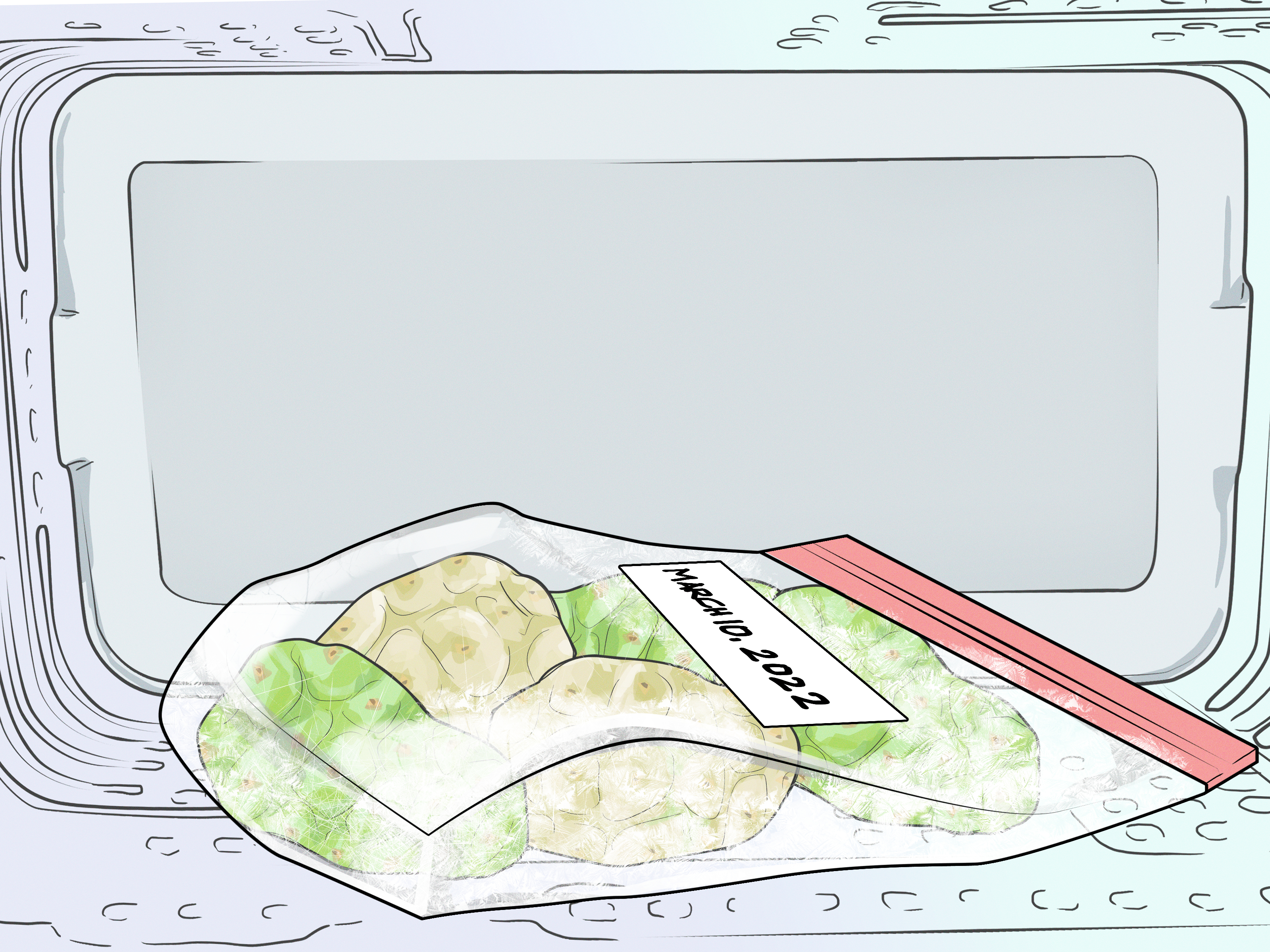
Noni puree, chopped fruit, or juice cubes can be frozen for longer storage. Freeze in airtight containers or freezer-safe bags, and label the date. Frozen noni is especially handy for smoothies because you can use only what you need.
Common Mistakes to Avoid
- Using underripe fruit: harder texture, harsher taste, less juice.
- Leaving ripe fruit too long: noni gets softer, smellier, and less pleasant fast.
- Trying it plain first: technically allowed, emotionally risky.
- Making too much juice at once: fresh batches are easier to enjoy and store.
- Ignoring food safety: refrigerate cut fruit promptly and keep containers clean.
Is Noni Fruit Healthy?
Noni fruit and noni juice contain compounds that have attracted attention for antioxidant activity and other possible health effects. Some research and reviews suggest potential benefits, but the evidence is still limited and not strong enough to treat noni like a cure-all. That is important, because the internet occasionally likes to turn tropical fruit into mythology.
It is also worth remembering that many commercial noni juices are blended with other fruit juices and may contain more sugar than you expect. Always check the label if you are buying bottled noni products.
Who Should Be Careful with Noni?
Noni is not for everyone. If you have kidney disease, need to limit potassium, have liver disease, or take medications that affect potassium levels, blood pressure, or the liver, talk with a healthcare professional before using noni regularly. There have also been reports linking noni products to liver injury in some cases, so “natural” does not automatically mean “risk-free.”
If you are simply trying noni as a food once in a while, the most sensible approach is moderation. Small servings, clean prep, careful storage, and realistic expectations are the winning combo.
The Best Beginner Approach
If you have never eaten noni before, here is the easiest entry point:
- Wait until the fruit is fully ripe and soft.
- Wash it and cut it into chunks.
- Blend it with pineapple, banana, and citrus.
- Strain if you want a smoother texture.
- Chill it well and drink a small amount first.
This method gives you the nutritional curiosity of noni without forcing you into a full-on flavor showdown on day one.
Kitchen Experiences: What It’s Really Like to Work with Noni Fruit
The experience of eating noni fruit is often less like trying a typical tropical fruit and more like joining a small, slightly confused club. Nearly everyone remembers their first encounter. The fruit looks intriguing enough, but the smell arrives before confidence does. One minute you are thinking, “This doesn’t seem so bad,” and the next minute your kitchen smells like someone hid a wheel of very opinionated cheese behind the toaster.
That said, people who stick with noni usually learn the same handful of lessons pretty quickly. The first is that ripeness changes everything. A fruit that is still too firm feels uncooperative in every possible way: harder to cut, harsher in taste, stingier with juice. But once it softens, the prep becomes easier and the flavor becomes more manageable, especially when blended. A lot of first-time frustration is really just a timing problem.
The second common experience is that noni teaches humility in the kitchen. You may begin with grand plans to eat it raw and appreciate its natural character. Then you take one bite, pause for reflection, and quietly reach for pineapple, orange, ginger, or honey. This is not cheating. This is adaptation. Good cooks do not fight ingredients when ingredients are clearly winning.
Another thing people notice is how much temperature matters. Chilled noni is generally easier to handle than warm noni. Cold juice smells less aggressive, tastes more refreshing, and feels more like something you chose on purpose. Freezing it into cubes is often the turning point for people who want the convenience of noni without committing to a full glass of it every time.
Storage also shapes the experience more than most people expect. Ripe noni has a narrow window where it is useful, flavorful enough, and not completely overwhelming. Leave it too long and the aroma gets stronger, the texture gets sloppier, and your enthusiasm may leave the building. People who enjoy working with noni tend to prep it soon after ripening, portion it out, and refrigerate or freeze it before chaos begins.
There is also a funny social side to noni. It is the kind of fruit people react to immediately. Some are curious. Some are skeptical. Some take one sniff and back away like they have just discovered a biological prank. But once it is blended into a cold tropical smoothie, the reaction changes. Suddenly, the same fruit that seemed impossible becomes surprisingly drinkable. That contrast is part of noni’s charm.
In the end, the most useful real-world lesson is simple: noni rewards practical people. Do not romanticize it. Do not expect dessert. Treat it like a strong ingredient that needs the right partners, the right ripeness, and the right storage plan. Do that, and noni becomes much easier to enjoy. Maybe not candlelit-dinner enjoyable, but definitely “I know what I’m doing now” enjoyable, which in the kitchen is often even better.
Final Thoughts
Learning how to eat noni fruit is mostly about understanding what the fruit wants from you: patience for ripening, a little prep work, and a willingness to pair it with brighter flavors. When ripe, noni can be eaten fresh in small amounts, blended into smoothies, turned into juice, or frozen into convenient portions. The key is using it at the right stage and storing it properly so you get the best flavor and texture possible.
Noni may never become the most crowd-pleasing fruit in your kitchen, but it can absolutely become one of the most memorable. And honestly, any fruit that requires equal parts curiosity, caution, and pineapple deserves a little respect.