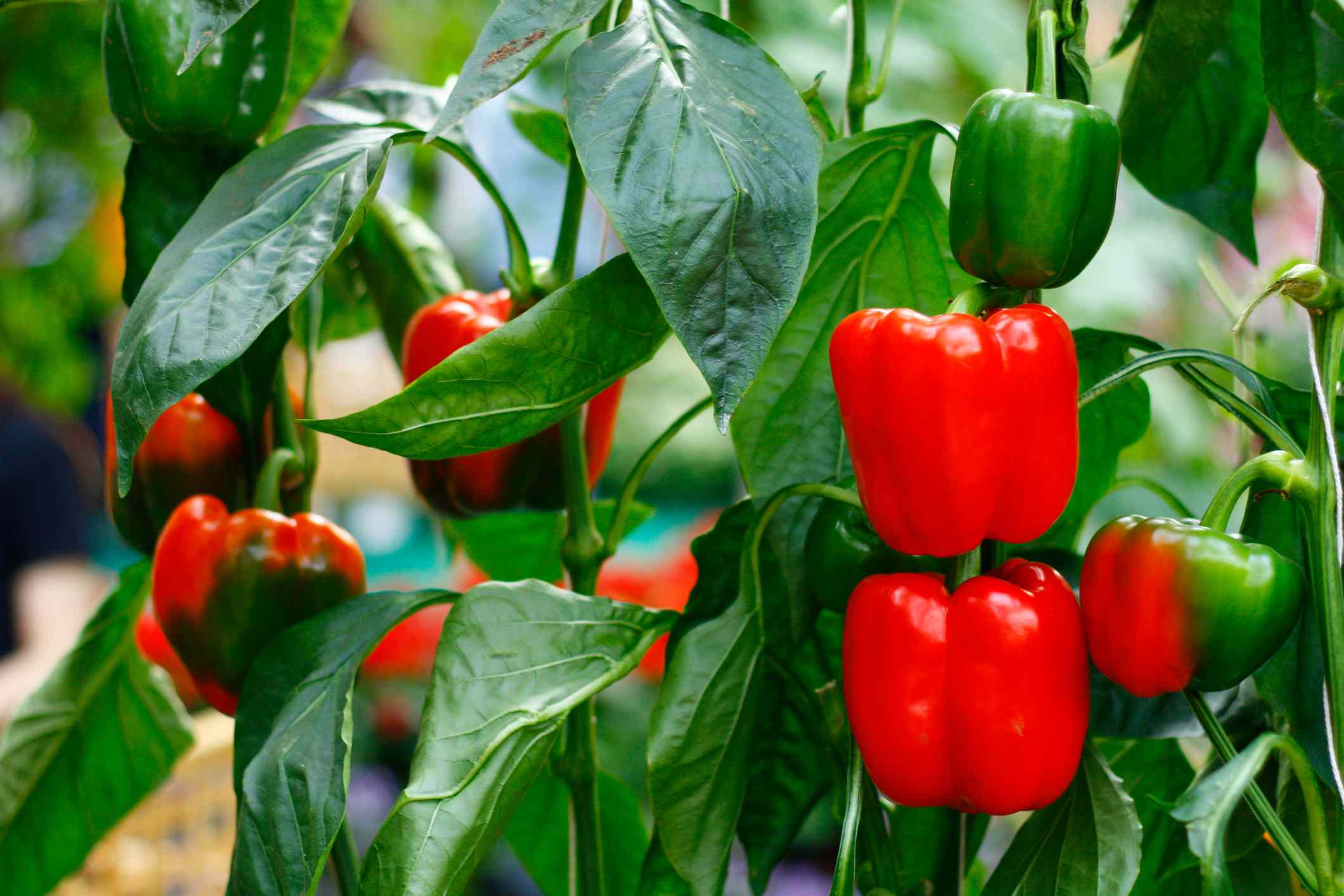
Peppers are generous little garden citizens. Give them sun, warm soil, steady water, and a decent amount of elbow room, and they will usually repay you with glossy bell peppers, snappy jalapeños, sweet banana peppers, or fiery habaneros that make your salsa feel like it has a personality. But crowd them too closely, and suddenly your pepper patch becomes a leafy traffic jam: weak airflow, more disease pressure, harder harvesting, and plants competing like they are all trying to get the last seat on a bus.
That is why pepper plant spacing matters. It is not just a tiny detail printed on the plant tag to make gardeners squint. Proper spacing affects root growth, sunlight exposure, pest control, watering efficiency, fruit size, and yield. Whether you are planting sweet peppers in a backyard garden, hot peppers in a raised bed, or compact varieties in containers on a patio, the right spacing helps each plant grow strong instead of fighting its neighbors for light, nutrients, and breathing room.
The short answer? Most pepper plants should be spaced 18 to 24 inches apart, with rows about 24 to 36 inches apart. However, the best spacing depends on the pepper type, garden style, climate, support system, and whether you are growing in the ground, a raised bed, or containers. This guide breaks it all down in plain English, with practical examples you can use before your next planting day.
Why Pepper Plant Spacing Matters
Spacing peppers correctly is one of those gardening choices that looks boring on paper but becomes very exciting when your plants are loaded with fruit instead of tangled together in a leafy wrestling match. Pepper plants need enough room for three major reasons: roots, airflow, and sunlight.
Roots Need Room to Work
Peppers have fairly compact root systems compared with sprawling crops like pumpkins, but they still need access to moisture and nutrients. When plants are too close, their roots overlap heavily and compete for the same resources. That competition can lead to slower growth, smaller plants, fewer flowers, and less fruit.
Good spacing gives each pepper plant a personal underground pantry. The roots can spread, absorb nutrients, and support the plant during flowering and fruiting. Peppers are medium feeders, which means they appreciate fertile soil but do not want to be bullied by hungry neighbors on every side.
Airflow Helps Reduce Disease Problems
Dense foliage can trap humidity around leaves. In warm, wet weather, that can create a cozy environment for fungal and bacterial diseases. Gardeners often blame bad luck when pepper leaves start spotting or wilting, but poor airflow is sometimes part of the plot twist.
Proper plant spacing helps leaves dry faster after rain or watering. It also makes it easier to inspect plants, remove damaged leaves, and spot pests before they throw a pepper party without your permission.
Sunlight Reaches More Leaves and Fruit
Peppers grow best in full sun, ideally six or more hours of direct sunlight daily. When plants are crowded, upper leaves shade lower leaves and fruit. Some shade can help reduce sunscald in very hot climates, but too much shade can reduce flowering and delay ripening.
Think of pepper spacing like seating at a dinner table. Everyone needs enough space to enjoy the meal. Put ten people at a two-person café table, and somebody is going home hungry.
The Best General Spacing for Pepper Plants
For most home gardens, a reliable spacing rule is:
- 18 inches apart for most pepper plants within a row
- 24 to 36 inches between rows for walking, harvesting, airflow, and maintenance
- 14 to 18 inches apart in intensive raised beds, if soil fertility and watering are excellent
- 24 inches apart for large, vigorous varieties or humid climates
If you are unsure, start with 18 inches between plants. It is the sweet spot for many bell peppers, jalapeños, banana peppers, and common garden varieties. If your garden tends to be humid or your peppers grow large and bushy, give them 24 inches. The extra room may feel wasteful in May, but by August, your plants may look like they have joined a leafy gym.
Pepper Spacing by Type
Not all peppers grow the same way. Some stay compact and polite. Others become wide, branching plants that lean into their neighbors like they are sharing garden gossip. Use the variety’s mature size as your guide.
Bell Pepper Spacing
Bell peppers usually do best when planted 18 to 24 inches apart. These plants can become stocky and fruit-heavy, especially when grown in fertile soil with steady water. If you plant in rows, keep rows 24 to 36 inches apart.
For a small family garden, six to twelve bell pepper plants may be plenty, depending on how often you cook with peppers. If you freeze, roast, stuff, or pickle peppers, you may want more. Pepper math has a way of becoming emotional once the seed catalog arrives.
Jalapeño and Serrano Pepper Spacing
Jalapeños and serranos are often slightly more compact than large bell peppers, so they can usually be spaced 14 to 18 inches apart in rich, well-managed beds. In traditional rows, 18 inches is a safe and simple choice.
If you grow hot peppers in a raised bed, staggered planting works especially well. Instead of making straight rows like soldiers on parade, offset the plants so each one sits between the plants in the neighboring row. This improves light exposure and uses space efficiently.
Banana, Cubanelle, and Italian Frying Pepper Spacing
Long-fruited sweet peppers such as banana peppers, Cubanelle peppers, and Italian frying peppers typically need 18 inches between plants. Some varieties produce lots of fruit and may appreciate staking or small cages to prevent branches from bending under the weight.
Give these peppers enough room to hang their fruit freely. Crowding long peppers can cause bent fruit, hidden fruit, and harvesting sessions that feel like botanical hide-and-seek.
Habanero and Super-Hot Pepper Spacing
Habaneros, Scotch bonnets, ghost peppers, and other super-hot types often grow into bushier plants with longer seasons. Space them 18 to 24 inches apart. In warm regions with long growing seasons, 24 inches is often better because these plants may continue branching and producing for months.
Super-hot peppers are not just spicy in flavor; they can be spicy in attitude. Give them room, give them warmth, and keep them away from curious snackers who think “just one bite” is a personality test.
Compact and Patio Pepper Spacing
Dwarf, patio, and ornamental peppers can often be spaced 12 to 18 inches apart, depending on the mature size listed on the seed packet or plant tag. These varieties are useful for containers, small raised beds, and decorative edible landscapes.
Even compact peppers should not be jammed together. Small does not mean invisible. They still need light, airflow, and enough soil volume to stay productive.
Spacing Peppers in Rows
Traditional row planting is simple and easy to manage. It works especially well in larger in-ground gardens where you need space to walk, weed, water, and harvest.
A practical row layout looks like this:
- Plant peppers 18 inches apart within the row.
- Keep rows 30 to 36 inches apart if you want comfortable walking space.
- Use 24-inch row spacing only if you can still reach plants easily and maintain airflow.
Wider rows make maintenance easier. You can mulch, stake, prune damaged leaves, and harvest without stepping on roots. Narrower rows may increase yield per square foot, but they demand better planning and closer attention to watering and disease prevention.
Spacing Peppers in Raised Beds
Raised beds allow more intensive spacing because the soil is usually loose, fertile, and easy to manage. Since you do not need wide paths between every row inside the bed, you can plant peppers in a grid or staggered pattern.
For a typical 4-foot-wide raised bed, try one of these layouts:
Two-Row Raised Bed Layout
Plant two rows of peppers, each row about 12 to 18 inches from the bed edge. Space plants 18 inches apart within each row. This arrangement leaves enough room for airflow while keeping plants easy to reach from both sides of the bed.
Staggered Raised Bed Layout
In a staggered layout, plants in one row are offset from the plants in the next row. This creates a triangular pattern that gives plants more diagonal space. It is a great option for jalapeños, serranos, compact bells, and other medium-sized peppers.
Use 14 to 18 inches between plants in staggered raised beds. Choose the wider end of the range if your climate is humid or your varieties are large.
How Far Apart to Space Pepper Rows
Row spacing depends on how you garden. If you use a hoe, wheelbarrow, or garden cart, give yourself more room. If you garden in compact beds by hand, you can keep paths narrower.
For home gardeners, these row spacing guidelines work well:
- 24 inches between rows: Good for compact gardens and hand harvesting.
- 30 inches between rows: A balanced spacing for most backyard gardens.
- 36 inches between rows: Best for large plants, humid climates, or easy access.
Do not forget the human part of the garden design. If you cannot comfortably reach the peppers, harvest them, or water them, the spacing is too tight. A garden should feed you, not require acrobatics.
Container Pepper Spacing
Container peppers are less about distance between plants and more about soil volume. In most cases, plant one pepper plant per container. A single bell pepper can grow well in a container that is at least 14 inches wide, though many gardeners prefer 5-gallon pots for stronger plants and easier watering.
For hot peppers and compact varieties, a 3- to 5-gallon container may work, depending on the variety. Larger containers hold moisture better and reduce stress during hot weather. Small pots dry out quickly, and peppers dislike going from swampy to crispy and back again.
If using a long planter box, space pepper plants 18 inches apart. Make sure the container has drainage holes. Peppers like consistent moisture, but they do not want their roots lounging in a bathtub.
Can You Plant Peppers Close Together?
Yes, you can plant peppers closer together in certain situations, but there is a difference between “efficient” and “crowded enough to start a neighborhood dispute.” In cooler climates, slightly closer spacing can help create a warmer plant canopy. In very sunny climates, a little leaf overlap may reduce sunscald on fruit.
However, close spacing only works well when the garden has excellent soil, steady watering, good fertility, and regular monitoring. If you plant peppers 12 inches apart, expect to work harder. You may need to prune lightly, stake plants, water consistently, and watch closely for disease.
For most gardeners, spacing peppers closer than 14 inches is risky unless the variety is compact. If you are growing large bell peppers, 18 inches is a much safer minimum.
What Happens If Peppers Are Too Crowded?
Crowded pepper plants may still grow, but they often underperform. Common problems include:
- Poor airflow and higher disease risk
- Reduced sunlight on lower leaves
- More competition for water and nutrients
- Smaller plants and fewer fruits
- More difficult harvesting
- Hidden pests and damaged fruit
- Branches breaking because plants grow into each other
Overcrowding can be especially troublesome in humid regions where leaves stay wet longer after rain. If your garden already struggles with fungal or bacterial leaf issues, give peppers the wider spacing option. Space is cheaper than replacing sad plants.
What Happens If Peppers Are Too Far Apart?
Spacing peppers too widely is usually less harmful than crowding, but it can reduce yield per square foot. Bare soil between plants also invites weeds, dries out faster, and may heat unevenly. If you have a large garden, wide spacing is not a major problem. If you garden in a small raised bed, every inch counts.
The goal is balance. You want plants close enough to use space efficiently but far enough apart to stay healthy and productive. For most gardeners, that balance lands right around 18 inches.
Should You Stake or Cage Pepper Plants?
Spacing and support go together. Pepper plants are not vines, but many become top-heavy when loaded with fruit. Large bell peppers, Italian frying peppers, and productive hot pepper plants may lean or snap after wind or rain.
Use small tomato cages, bamboo stakes, or garden twine to support plants. If you stake peppers, place the support at planting time or shortly after, while roots are still small. Trying to drive a stake into mature pepper roots is like arriving late to a movie and stepping on everyone’s toes.
Supported plants can sometimes tolerate slightly closer spacing because they stay upright and organized. Still, support is not a magic wand. Plants need air and light even when standing tall.
Spacing Peppers with Companion Plants
Peppers can share garden space with low-growing companions, but choose carefully. Basil, parsley, lettuce, radishes, and marigolds are common options around peppers. The key is to avoid planting companions so densely that they compete with pepper roots or block airflow.
Fast-growing spring crops can be planted between young pepper transplants and harvested before the peppers mature. For example, radishes or leaf lettuce may fit between newly planted peppers early in the season. Once peppers begin filling out, remove or harvest those companions so the peppers can take over the space.
Avoid planting peppers too close to large, aggressive crops such as tomatoes, squash, or corn. These plants can shade peppers or compete heavily for water and nutrients.
Soil, Water, and Mulch: The Spacing Support Team
Even perfect spacing will not rescue peppers planted in cold, compacted, dry, or nutrient-poor soil. Peppers prefer warm, well-drained soil with plenty of organic matter. Transplant them outdoors after frost danger has passed and nighttime temperatures are consistently mild.
Use Mulch Wisely
Mulch helps conserve moisture, reduce weeds, and moderate soil temperature. Organic mulch such as straw, shredded leaves, or untreated grass clippings can be placed around plants after the soil has warmed. In cooler regions, black plastic mulch is sometimes used to warm soil earlier in the season.
Keep mulch slightly away from the main stem to avoid trapping moisture directly against the plant. Peppers enjoy a cozy blanket, not a wet scarf.
Water Consistently
Peppers need even moisture, especially during flowering and fruit development. Irregular watering can contribute to stress, blossom drop, and blossom-end rot. Water deeply at the base of the plant rather than splashing leaves.
Drip irrigation or soaker hoses work especially well with properly spaced peppers. They deliver water near the root zone while keeping foliage drier, which supports healthier plants.
How Many Pepper Plants Do You Need?
The number of pepper plants you need depends on how your household eats. A casual gardener may be happy with four to six plants. A salsa maker, freezer-filler, or hot sauce enthusiast may want twelve, twenty, or more. Once homemade hot sauce enters the picture, restraint often leaves the garden quietly through the back gate.
As a general guide:
- 2 to 4 plants: Good for occasional fresh peppers.
- 6 to 12 plants: Good for regular cooking and mixed varieties.
- 12 to 24 plants: Good for preserving, freezing, roasting, or making salsa.
- 25+ plants: Serious pepper hobbyist territory. Prepare jars.
When planning, remember to multiply plant spacing by the number of plants. Ten pepper plants spaced 18 inches apart need about 15 feet of row, not counting row-end access.
Simple Pepper Spacing Chart
| Pepper Type | Plant Spacing | Row Spacing | Best Use |
|---|---|---|---|
| Bell peppers | 18-24 inches | 24-36 inches | In-ground rows, raised beds |
| Jalapeños | 14-18 inches | 24-30 inches | Raised beds, rows, containers |
| Serranos | 14-18 inches | 24-30 inches | Compact beds, hot pepper gardens |
| Banana peppers | 18 inches | 24-36 inches | Rows, raised beds |
| Habaneros | 18-24 inches | 30-36 inches | Warm climates, long seasons |
| Compact patio peppers | 12-18 inches | 18-24 inches | Containers, small beds |
Common Pepper Spacing Mistakes
Mistake 1: Trusting Tiny Transplants Too Much
Young pepper plants look small and innocent at planting time. It is tempting to tuck them close together because the bed looks empty. Do not be fooled. Healthy peppers expand quickly once warm weather arrives.
Mistake 2: Forgetting Harvest Access
Plants need space, but so do gardeners. Leave enough room to reach the center of the bed or walk between rows. If harvesting requires yoga poses and mild regret, the layout needs improvement.
Mistake 3: Ignoring Climate
In dry climates, closer spacing may work well with irrigation. In humid climates, wider spacing is safer because airflow is more important. Garden spacing is not one-size-fits-all; it is more like choosing shoes. The size matters, but so does where you are walking.
Mistake 4: Mixing Large and Small Varieties Without a Plan
A compact jalapeño and a large bell pepper may not need the same space. Put larger varieties where they will not shade smaller ones. In a raised bed, place taller or bushier peppers toward the north side so they do not block sunlight from shorter crops.
Practical Planting Examples
Example 1: A 4-by-8 Raised Bed
In a 4-by-8 raised bed, you can plant two staggered rows of peppers. Space plants 18 inches apart. This usually fits about 8 to 10 pepper plants comfortably, depending on the exact layout and variety size.
Example 2: A 10-Foot Garden Row
A 10-foot row equals 120 inches. If you space peppers 18 inches apart, you can fit about 6 to 7 plants in that row. Leave a little extra room at the row ends for access.
Example 3: A Patio Container Garden
Use one 5-gallon container per pepper plant. For a small patio, three containers can provide a nice mix: one bell pepper, one jalapeño, and one sweet banana pepper. Place containers where they receive full sun and can be watered easily.
Extra Growing Experience: Lessons from Real Pepper Spacing
One of the best lessons about pepper spacing is that the garden will always tell the truth eventually. At planting time, every pepper transplant looks like it could share space politely with six friends. By midsummer, that same plant may be leaning, branching, flowering, and quietly swallowing the plant tag. This is why experienced gardeners learn to imagine the mature plant, not the baby transplant.
In a raised bed, 18-inch spacing often feels like a perfect compromise. The plants grow close enough to shade the soil, which helps reduce weeds and conserve moisture, but they are not so close that harvesting becomes a treasure hunt. A staggered pattern is especially helpful because it gives each plant more diagonal room. When peppers are planted in straight, tight squares, leaves can overlap heavily. Staggering opens the canopy just enough to let light and air move through.
Another useful experience is to separate large sweet peppers from smaller hot peppers. Bell peppers often become heavier plants, especially when they set multiple fruits at once. Jalapeños and serranos may be more upright and easier to tuck into smaller spaces. If you plant them all together, give the bells the roomier spots and place smaller hot peppers where they will not be shaded.
In humid summers, wider spacing is worth it. A gardener may squeeze in two extra plants and feel clever in June, only to fight leaf spots and poor airflow in August. When the weather is sticky and rain is frequent, 24 inches between large pepper plants can be a smart investment. The harvest may actually be better because each plant stays healthier.
Containers teach another lesson: soil volume matters as much as spacing. Two pepper plants in one small pot may look cute for a few weeks, but they soon compete for water and nutrients. One strong plant in a generous container usually beats two stressed plants in a cramped one. A 5-gallon pot gives roots more room, holds moisture longer, and supports better fruiting during hot spells.
Staking also changes the experience. Unsupported pepper branches can flop into neighboring plants, making a well-spaced garden feel crowded. A simple stake or small cage keeps each plant upright and makes the spacing work as intended. This is especially helpful for bell peppers and long-fruited varieties that become heavy after rain.
The final lesson is to keep notes. Write down the variety, spacing, planting date, and how the plants performed. Did 14 inches work for jalapeños? Did bell peppers need more room? Did the raised bed dry out too fast? Next season’s garden becomes much easier when you are not relying on memory, optimism, and that one plant tag you accidentally threw away.
Conclusion
Pepper plant spacing is simple once you understand the goal: give each plant enough room to grow, breathe, and produce without wasting valuable garden space. For most gardeners, spacing peppers 18 inches apart is the best starting point. Use 24 inches for large varieties, humid climates, or extra airflow. In raised beds, 14 to 18 inches can work well for compact types when soil, water, and fertility are well managed. For containers, grow one pepper plant per pot and choose a container large enough to support steady moisture and strong roots.
Good spacing does not just make your garden look organized. It helps prevent disease, improves harvest access, supports stronger roots, and gives your peppers the sunlight they need to ripen beautifully. In other words, spacing is not empty space. It is growing space. And your peppers will thank you with crunch, color, heat, sweetness, and possibly enough jalapeños to make your neighbors avoid eye contact in late summer.