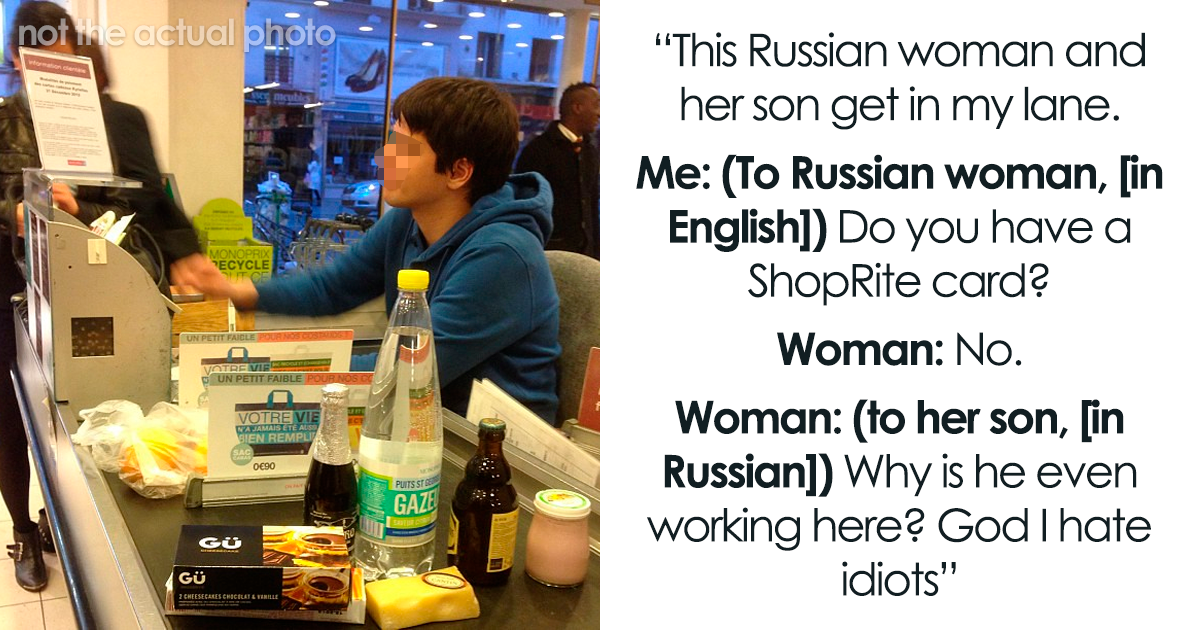
There are few social plot twists more deliciously awkward than hearing someone talk about you in another languageonly for them to discover, several seconds too late, that you understood every single spicy syllable. It is the real-life equivalent of accidentally hitting “reply all,” except with more facial expressions and a sudden interest in the floor.
The internet loves these moments because they sit at the perfect intersection of comedy, culture, and human overconfidence. In online groups, bilingual and multilingual people often share stories about strangers, coworkers, tourists, classmates, and even family friends assuming their language was a private curtain. Spoiler: the curtain was made of glass.
This article explores 30 embarrassing and funny situations inspired by the kinds of stories people share online when someone did not realize their language was understood. The goal is not to shame anyone for speaking another languagemultilingualism is a superpowerbut to laugh at the universal lesson: never assume your words are invisible just because they are not in English.
Why These Language Mix-Ups Are So Funny
The humor comes from the gap between what people think is happening and what is actually happening. One person believes they are speaking in a secret code. The other person is quietly receiving the full director’s commentary. That mismatch creates suspense, awkwardness, and sometimes a perfect punchline.
In the United States, multilingual encounters are increasingly common. Many people grow up hearing one language at home, using English at school or work, and switching between languages depending on who is in the room. That means appearance, accent, hairstyle, skin tone, or passport nationality tells you very little about what someone understands. A blond American may speak Mandarin. A red-haired student may understand Spanish. A quiet person on the train may be fluent in Tagalog, French, Hebrew, Vietnamese, Arabic, Korean, or three languages you never guessed.
30 Embarrassing And Funny Situations When Someone Forgot Their Language Was Understood
1. The “Tourist Price” Menu Miracle
A traveler sits down at a restaurant and is handed the English menu. Then they flip it over and notice the local-language version has the same food for much lower prices. They order fluently in the local language, and suddenly the waiter’s smile becomes a software update in progress.
2. The Compliment That Was Not Supposed To Be Heard
Sometimes the secret comment is not mean at all. Someone in a café might quietly admire a stranger’s outfit, hair, or, in one very awkward category of online stories, their backside. When the “target” responds in the same language with a cheerful “thank you,” everyone’s ears turn into emergency lights.
3. The Bathroom Gossip Disaster
Bathrooms are apparently where people forget that doors are not soundproof and languages are not invisibility cloaks. A person washing their hands hears strangers discussing their appearance, hygiene, or outfit. Then they turn around and answer politely. The silence that follows could be bottled and sold as premium embarrassment.
4. The Airport Pickup Surprise
Volunteers helping international students sometimes hear visitors make assumptions about their hosts. A student may comment that the person picking them up looks boring, strict, or clueless. Then the host answers in that student’s language with directions to the dorm. Welcome to campus. Your first lesson is humility.
5. The Train Ride Translation Trap
Public transportation is a classic setting for these stories. A family or couple chats freely on a subway, bus, or commuter train, assuming nobody nearby understands them. Then the quiet passenger across the aisle responds to a question they were not technically asked. Suddenly, everyone studies the advertisement above the window.
6. The “They Don’t Speak Our Language” Workplace Comment
At work, this can get less cute and more risky. Employees sometimes assume a coworker cannot understand side comments during meetings, customer calls, or lunch breaks. When that coworker calmly switches languages, the office air gets thicker than cold oatmeal.
7. The Starbucks Drive-Thru Twist
One popular type of story involves customers speaking in another language while ordering coffee. They may joke about the barista, complain about the service, or debate whether they received enough whipped cream. Then the barista replies in their language with perfect customer-service brightness. Nothing pairs with a latte like instant regret.
8. The Museum Commentary Nobody Requested
Museums bring out big opinions. Tourists may critique exhibits, other visitors, or even the country they are visiting. The problem? A fellow museum-goer may understand every word and decide to add a helpful correction about dinosaur bones, ancient pottery, or basic manners.
9. The Flirty Comment That Escaped
Some stories are harmlessly funny because the overheard comment is flirtatious. Someone whispers that a stranger is cute, handsome, or “definitely my type.” When the stranger answers with a grin, it becomes either the start of a rom-com or the fastest exit in human history.
10. The Family Secret Said Too Loudly
At weddings, reunions, and holiday dinners, relatives may switch languages to discuss things they think the younger generation cannot follow. Unfortunately for them, heritage language skills have a way of activating at the juiciest possible moment.
11. The Taxi Driver Stereotype Slip
Taxi and rideshare conversations can get surprisingly honest. Drivers sometimes complain about tourists from certain countries, not realizing the passenger understands the language being used. It is a risky strategy when the back seat contains a multilingual human with excellent listening skills.
12. The “Foreign-Looking Means Foreign-Speaking” Mistake
Many online stories reveal how people make assumptions based on looks. Someone may not “look” like they speak Korean, Arabic, Spanish, Mandarin, or Polishbut languages are learned, inherited, studied, loved, and practiced. They are not stamped on foreheads like airport visas.
13. The School Hallway Roast
Students can be bold when they think they are linguistically hidden. A group may roast a classmate in another language, only to learn that the classmate took years of lessons, grew up bilingual, or simply has grandparents who taught them the important words firstespecially the insults.
14. The Shopkeeper Negotiation Backfire
In markets and small shops, sellers sometimes discuss what price to offer a customer. A shopper who understands may patiently wait, then negotiate in the same language. The conversation changes immediately from “they will never know” to “special discount, my friend.”
15. The Romantic Partner Who Underestimated Listening Skills
Some of the most dramatic stories involve dating. A person may speak to friends or family in another language about their partner, assuming the partner is lost. Then the partner answers. That is not a red flag; that is the entire flag factory catching fire.
16. The Restaurant Kitchen Whisper
Servers and kitchen staff sometimes speak freely when they think customers cannot understand. Most workers are professional, but online stories include moments where customers overhear comments about orders, tips, or appearances. A calm reply in the same language can season the meal better than paprika.
17. The Elevator With No Escape
Elevators are terrible places for secret conversations because nobody can flee gracefully. If someone says something rude and discovers the person beside them understands, they must ride several more floors in a tiny metal box of shame.
18. The Complaining Tourist Circle
Tourists often assume locals do not understand them. They complain about food, weather, bathrooms, signs, or prices. Then a local replies kindly in their language. The tourist learns two lessons: the world is multilingual, and the bathroom was actually to the left.
19. The Child Translator Ambush
Children in bilingual families are often underestimated. Adults may say something around a child, thinking it is safe. Then the child translates it loudly, accurately, and without mercy. Toddlers are adorable. They are also tiny court reporters.
20. The Gym Commentary Mistake
Gyms are full of mirrors and opinions. Someone may quietly comment on another person’s form, body, or effort in another language. If the person responds between sets, the weights are not the only heavy things in the room.
21. The Salon Chair Confession
Hair salons and nail shops appear often in these stories because customers and workers may speak across languages for long stretches. When assumptions are wrong, a casual comment about someone’s haircut, tip, or relationship drama can become a very memorable appointment.
22. The Hotel Lobby Review
Guests sometimes criticize hotel staff in another language while standing right at the front desk. The staff member then answers in that language with professional calm. That is five-star service with a side of poetic justice.
23. The Airplane Seatmate Situation
Airplanes create long, awkward listening opportunities. A passenger may comment on seatmates, flight attendants, or crying babies in another language. Then the person beside them asks, in that language, if they could please pass the pretzels. Turbulence has entered the chat.
24. The “Secret” Shopping Mall Debate
In malls, people often debate purchases, prices, and strangers’ fashion choices. The funniest versions happen when someone being judged responds with a fashion tip in the same language. Nothing says confidence like correcting someone’s insult and their grammar at once.
25. The Online Gaming Voice Chat Shock
Language surprises are not limited to physical spaces. In gaming chats, players sometimes speak in another language to strategize or trash-talk. Then a teammate reveals they understood the whole plan. Game over, but make it linguistic.
26. The Conference Call Oops
In business settings, multilingual colleagues may stay quiet during side chatter until a key moment. When they answer in the same language, the room remembers that global workplaces require global manners.
27. The Street Vendor Compliment
Not every overheard comment is embarrassing in a bad way. A vendor may tell another vendor that a customer seems kind, generous, or beautiful. When the customer thanks them in their language, everyone laughsand sometimes the customer gets extra fruit.
28. The Library Whisper That Was Not Whispering
Libraries are quiet enough for every syllable to travel like it has a boarding pass. People who whisper in another language may still be understood by the person at the next table. The lesson: volume control matters in all languages.
29. The Heritage Speaker Reveal
Some people understand a language better than they speak it. That makes them especially stealthy. They may listen silently for several minutes before responding with one perfect sentence. It is the linguistic version of a plot twist.
30. The Polite Correction That Ends The Show
The best stories often end with grace. Instead of yelling, the person who understood simply says, “I speak that language, by the way.” No drama. No lecture. Just one sentence that makes everyone’s soul leave their body, look around, and quietly return with better manners.
What These Stories Teach Us About Language And Assumptions
Funny language misunderstandings reveal something deeper than comedy. They show how quickly people make assumptions about identity. A person’s face, accent, clothing, or location does not tell the full story of what languages they know. In a multilingual society, language ability can come from family, immigration, travel, school, work, friendship, romance, military service, media, or pure curiosity.
They also remind us that speaking another language is not automatically rude. People have every right to use the language that feels natural to them. The issue is not the language itself; the issue is using any language as a shield for disrespect. If a comment would be embarrassing when translated out loud, it probably should not be said in public at all.
Why Bilingual And Multilingual People Often Stay Quiet
Many bilingual people do not immediately reveal what they understand because listening quietly can be safer, easier, or simply more entertaining. Sometimes they do not want confrontation. Sometimes they are curious how far the conversation will go. And sometimes the comment is so absurd that interrupting too early would ruin the comedy.
There is also a difference between understanding and speaking confidently. Someone may fully understand a language but feel nervous replying. That silent listener may catch every joke, complaint, compliment, and insult while choosing whether the moment deserves a response. In online stories, the most satisfying reveals are often short and calm. A single sentence can do more than a ten-minute speech.
How To Avoid Becoming The Main Character In One Of These Stories
The easiest rule is simple: speak as if someone nearby might understand you. Because they might. This does not mean you should be paranoid every time you use another language in public. It means you should not use language as a curtain for cruelty.
If you need to discuss something private, step away or save it for later. If you want to compliment someone, consider saying it kindly to their face. If you are frustrated, keep it respectful. And if you accidentally say something awkward and get caught, apologize like a normal human being. A sincere “I’m sorry, that was rude” works much better than pretending you were discussing soup.
The Sweet Side Of Being Understood
Not all stories are cringe-fests. Some are genuinely heartwarming. A lonely traveler may hear their native language unexpectedly and feel less alone. A cashier may brighten when a customer speaks to them in their mother tongue. A child may realize their heritage language connects them to grandparents, neighbors, and strangers across the world.
Language can embarrass us, but it also builds bridges. It lets people share jokes, memories, warnings, recipes, directions, and tiny moments of recognition. The same multilingual surprise that exposes rudeness can also create friendship. The difference is what people choose to say when they think nobody is listening.
Extra Experiences: The Everyday Comedy Of Accidental Understanding
One of the most relatable parts of these stories is how ordinary the settings are. The drama rarely begins in a spy movie alleyway or a diplomatic summit. It starts in grocery stores, airports, school hallways, restaurants, elevators, and waiting rooms where people are tired, hungry, distracted, or convinced they are being discreet. That is what makes the stories so funny: the stage is normal, but the reveal feels theatrical.
Imagine standing in line at a bakery while two people behind you debate whether you look like someone who would order the last chocolate croissant. You do, in fact, order it. Then, with perfect timing, you turn around and say in their language, “It was calling my name.” That is not just a purchase. That is a performance.
Or picture a student sitting quietly in a college lounge while international classmates assume they only speak English. They complain about the professor, the homework, and the cafeteria soup with the confidence of people behind a locked door. Then the quiet student asks, in their language, whether they also thought the soup tasted like wet cardboard. The room eruptsnot because anyone was harmed, but because the invisible wall disappeared in one sentence.
These moments are especially common for heritage speakers. A person may grow up in the United States speaking English most of the time but hearing another language at home. They may not use that language daily, and strangers may not expect them to understand it. But passive comprehension can be powerful. Someone might struggle to write a formal essay in the language yet perfectly understand gossip about their shoes. The brain has priorities.
There is also a special kind of joy in overhearing a compliment that was not meant for you to hear. A grandmother at the market says you have kind eyes. A tourist says your dog is adorable. A customer tells a friend the cashier has a beautiful voice. When you respond with a smile, the embarrassment is gentle and warm. The surprise becomes a shared laugh instead of a social crash landing.
Of course, not every situation is pleasant. Some people overhear prejudice, mockery, or insults. Those experiences can sting, especially when the speaker assumes language creates permission. But even then, the reveal can restore power. The person who was talked about becomes the person who controls the ending. They can confront, joke, ignore, or educate. The language that was supposed to exclude them becomes the tool they use to answer back.
The biggest personal lesson from these stories is that multilingual spaces require humility. You never really know who is listening, what they understand, or what life path taught them that language. The stranger beside you might have studied abroad, married into a bilingual family, watched thousands of hours of foreign dramas, served overseas, grown up between cultures, or learned from grandparents at the dinner table.
So the next time you are tempted to comment about someone in a language you assume they do not understand, pause for two seconds. Ask yourself: would I be comfortable if they turned around and replied? If the answer is no, congratulationsyou have just avoided becoming an internet story titled “The Time Someone Thought I Couldn’t Understand Them.” Your dignity thanks you. So does the stranger with suspiciously excellent listening skills.
Conclusion
Funny language mix-ups are popular because they are more than awkward stories. They reveal how multilingual the world really is and how unreliable our assumptions can be. The person beside you might understand every word, even if they do not look, sound, or act the way you expect. Sometimes that leads to comedy. Sometimes it leads to embarrassment. Occasionally, it leads to a surprisingly sweet human connection.
The safest rule is also the kindest one: do not say something in another language that you would be ashamed to repeat in English. Language is a bridge, not a hiding place. And if you do get caught? Apologize, laugh gently at yourself, and remember that the world has subtitles now.