An olive oil drizzler can may sound like a tiny kitchen accessory with an inflated résumé, but anyone who has accidentally dumped half a bottle of extra virgin olive oil onto a salad knows better. One second you are “lightly dressing greens,” and the next your arugula is swimming like it booked a Mediterranean cruise. That is exactly why a good olive oil drizzler can matters: it gives you control, keeps your countertop cleaner, helps protect your oil, and makes everyday cooking feel just a little more polished.
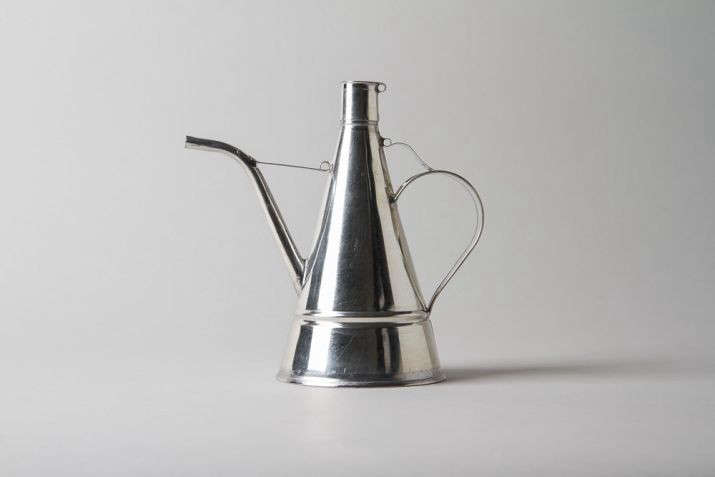
At its simplest, an olive oil drizzler can is a refillable container designed to pour olive oil in a thin, steady stream. It may be stainless steel, ceramic, tinted glass, copper, or food-safe coated metal. Some models look like miniature restaurant oil cans with long spouts. Others resemble elegant cruets. The best ones do three things well: they pour smoothly, limit mess, and help preserve the flavor of the oil inside.
That last point is important. Olive oil is not immortal. It does not age like wine, no matter how fancy the label looks. Heat, oxygen, light, and time gradually weaken its fresh aroma, peppery bite, and fruity flavor. A smart drizzler can supports better storage habits by encouraging you to keep a smaller working amount close at hand while storing the main bottle or tin in a cool, dark pantry.
What Is an Olive Oil Drizzler Can?
An olive oil drizzler can is a controlled-pour oil dispenser used for cooking, finishing, dressing, and serving. Unlike a wide-mouth bottle, it has a narrow spout that slows the flow of oil. That means you can add a ribbon of extra virgin olive oil over tomatoes, swirl oil into a skillet, coat roasted vegetables, or finish pasta without creating a golden puddle large enough to reflect your ceiling lights.
The “can” style usually refers to metal or stainless-steel dispensers with a handle and elongated spout. This design is common in home kitchens, cafés, and restaurants because it is durable, easy to grab, and excellent for quick one-handed pouring. A drizzler can also looks charming on the counter, which is not a requirement for good food, but let’s be honest: attractive kitchen tools get used more often.
Why Use an Olive Oil Drizzler Can Instead of the Original Bottle?
Better Pour Control
The biggest advantage is precision. Pouring straight from a large olive oil bottle or bulk tin can be awkward, especially when your hands are busy or slightly slippery. A drizzler can gives you a thinner stream, so it is easier to measure by eye and harder to overdo it. This is especially useful for delicate foods like burrata, grilled fish, focaccia, sliced avocado, or a simple bowl of soup that needs a final glossy swirl.
Less Mess on the Counter
Olive oil has a mysterious talent for escaping down the side of a bottle. A quality drizzler can reduces drips with a well-shaped spout and balanced flow. Some models include a small hinged cap or self-closing top to reduce exposure to air and keep dust away. If your current bottle leaves an oil ring on the counter like a tiny crime scene, upgrading to a drizzler can is a small act of kitchen self-respect.
Fresher Flavor Through Smarter Storage
Extra virgin olive oil tastes best when protected from heat, light, oxygen, and age. A drizzler can helps because you can decant a small amount for daily use and keep the rest sealed in its original dark bottle, tin, or bag-in-box container. This prevents you from repeatedly opening a large container and exposing all of your oil to fresh oxygen every time you cook eggs.
Best Materials for an Olive Oil Drizzler Can
Stainless Steel
Stainless steel is one of the most practical choices for an olive oil drizzler can. It blocks light completely, feels sturdy, resists breakage, and often has that professional-kitchen look. A stainless-steel oil can is ideal for frequent cooking because it can sit near your prep area without making you nervous every time your elbow moves. Choose food-grade stainless steel and check that the spout fits snugly.
Ceramic
Ceramic olive oil dispensers are beautiful and naturally opaque, which helps block light. They are excellent for tabletop serving and finishing oils. A ceramic cruet or drizzler can can make even a Tuesday night salad feel like it belongs beside a sunny patio in Tuscany. The downside is that ceramic can chip or break, so it may not be the best option for a chaotic family kitchen where everything eventually meets the floor.
Tinted Glass
Tinted glass is popular because it lets you see the oil level while offering more light protection than clear glass. Dark green or amber glass is better than transparent glass for preserving oil quality. However, glass still needs careful placement. Keep it away from windows, bright under-cabinet lighting, and the stove. Clear glass dispensers are convenient, but they are best for oil you use quickly.
Copper or Decorative Metal
Copper-style olive oil cans look warm and elegant, especially in traditional kitchens. If you choose one, make sure the interior is food-safe and designed for oil storage. Decorative finishes are lovely, but the inside of the can matters more than the outside. Your olive oil does not care whether the dispenser matches your backsplash; it cares whether the container protects it.
How to Choose the Best Olive Oil Drizzler Can
1. Look for a Thin, Controlled Spout
The spout is the star of the show. A long, narrow spout gives you more control than a short, wide one. It should pour smoothly without sputtering and stop cleanly without leaving a long drip. If you want to use the can for finishing dishes, choose a spout that creates a fine stream. If you mainly cook with it, a slightly faster pour may be more convenient.
2. Choose the Right Size
Bigger is not always better. Olive oil tastes best when used within a reasonable time after opening, so a smaller drizzler can is usually smarter than a giant one. For most home kitchens, a capacity of 12 to 18 ounces is practical. Heavy olive oil users may prefer 24 ounces, but only if they refill and clean it regularly. If the can is so large that oil sits around for months, the convenience is not worth the flavor loss.
3. Prefer Opaque or Dark Materials
Light speeds up quality loss in olive oil. That is why opaque stainless steel and ceramic dispensers are excellent choices. Dark glass is also a good compromise. If you love the look of clear glass, use it for a small amount of everyday oil and keep it in a cupboard, not on a sunny counter where it can audition as a science experiment.
4. Check the Lid and Seal
A good drizzler can should close securely. It does not need to be vacuum-sealed like a spaceship, but it should reduce unnecessary air exposure. A loose cap or wobbly spout can lead to spills, faster oxidation, and frustration. If the spout has a flap, make sure it opens easily and closes without sticking.
5. Make Sure It Is Easy to Clean
Olive oil residue builds up over time. A wide enough opening makes refilling and cleaning easier. Narrow decorative bottles can look wonderful but become annoying when you are trying to scrub old oil out of the bottom. If you cannot fit a small bottle brush inside, cleaning will require patience, hot water, soap, and perhaps a motivational speech.
How to Use an Olive Oil Drizzler Can Like a Pro
Start by filling the drizzler can with a small amount of olive oil you expect to use within a few weeks. Keep your premium finishing oil separate from your everyday cooking oil if you use both. Everyday olive oil can live in the drizzler can for sautéing, roasting, and skillet work. A special peppery extra virgin olive oil can be saved for finishing salads, soups, grilled bread, and cheese.
When pouring, tilt slowly and let the spout do the work. You do not need to dramatically raise your arm like a cooking show host unless you are also narrating your dinner to an imaginary audience. For salads, drizzle around the bowl rather than dumping oil in one spot. For pans, move the stream in a quick spiral. For roasted vegetables, use several light passes and toss well.
A drizzler can is also helpful for portion awareness. Olive oil is nutritious, flavorful, and rich in unsaturated fat, but it is still calorie-dense. A controlled pour lets you enjoy the benefits and flavor without accidentally adding three tablespoons when you meant one. Precision is not about being stingy; it is about making the oil work harder for your food.
Best Foods to Finish With an Olive Oil Drizzler Can
Some foods practically beg for a final drizzle of olive oil. Fresh tomatoes with flaky salt, grilled sourdough, hummus, lentil soup, minestrone, roasted carrots, mozzarella, scrambled eggs, white beans, grilled shrimp, pasta, and pizza all benefit from a thin ribbon of good extra virgin olive oil. The right drizzle adds aroma, richness, and a restaurant-style finish without much effort.
For example, spoon warm white beans into a shallow bowl, add lemon zest, parsley, black pepper, and a controlled drizzle of olive oil from the can. Suddenly, beans become “rustic Mediterranean small plate” instead of “I forgot to grocery shop.” Another easy move: drizzle olive oil over Greek yogurt with herbs and serve it as a dip. Your guests will assume you planned everything days in advance. Let them believe that.
How to Clean an Olive Oil Drizzler Can
Clean your olive oil drizzler can before each full refill, especially if it has been sitting for a while. Old oil can turn stale and affect the flavor of fresh oil. Empty any remaining oil, then wash the can with warm water and mild dish soap. Use a bottle brush if the opening allows. Rinse thoroughly until no soap remains.
Drying matters. Water left inside the can is not your friend. Turn the dispenser upside down on a drying rack and give it plenty of time to air dry. If the spout is removable, wash and dry it separately. Avoid harsh cleaners, strong fragrances, or abrasive scrubbers that may damage the interior or leave unwanted odors.
If your drizzler can smells waxy, musty, or stale even after washing, it may be holding onto old oil residue. Try soaking it with warm soapy water, rinsing well, and drying completely. If the smell remains, it may be time to replace the dispenser. Olive oil deserves better than a haunted container.
Common Mistakes to Avoid
Storing It Next to the Stove
Keeping olive oil beside the stove is convenient, but heat can reduce quality over time. If you cook quickly through the oil in your drizzler can, it may be acceptable for everyday use. For your best extra virgin olive oil, choose a cooler cabinet or pantry. The back of the stove is not a spa retreat for oil; it is a flavor danger zone.
Refilling Without Washing
Pouring fresh oil on top of old residue is a shortcut that can make good oil taste tired. Wash and dry the can regularly. This is especially important for finishing oils, where aroma and flavor matter most.
Using One Can for Every Oil
Olive oil, chili oil, sesame oil, and infused oils have different flavors and storage needs. If you switch between oils without deep cleaning, flavors can linger. Garlic-infused oil in your vanilla cake pan? Nobody asked for that plot twist.
Buying a Beautiful but Impractical Design
A dispenser can be gorgeous and still annoying. Before buying, imagine filling it, gripping it with one hand, pouring it over a pan, and cleaning it. If the design fails any of those steps, it may be kitchen décor pretending to be a tool.
Olive Oil Drizzler Can vs. Bottle, Cruet, and Squeeze Bottle
An olive oil drizzler can is best for people who want durability, light protection, and a classic controlled pour. A glass bottle is useful when you want to see the oil level, but it should be tinted or stored away from light. A ceramic cruet is beautiful for tabletop use and excellent at blocking light. A plastic squeeze bottle offers restaurant-style control and speed, but it is less elegant and may not be ideal for long-term storage.
The best choice depends on how you cook. If you roast vegetables every night, a stainless-steel drizzler can is a workhorse. If you serve salads and bread at the table, ceramic may be more appealing. If you meal-prep in bulk, a squeeze bottle can make fast, even distribution easy. Some serious home cooks keep more than one: a practical can for cooking and a pretty cruet for finishing. This is not excess. This is civilization.
Does an Olive Oil Drizzler Can Make Food Taste Better?
The can itself does not magically improve olive oil, but it helps you use oil better. A controlled drizzle spreads flavor more evenly. Better storage protects freshness. Cleaner pouring prevents waste. Together, these small advantages can make everyday meals taste more balanced and intentional.
Think of olive oil as a seasoning, not just a fat. When used carefully, it adds fruitiness, bitterness, pepper, softness, and shine. A drizzler can helps you apply those qualities exactly where they belong. A little over grilled zucchini? Lovely. A stream over tomato soup? Perfect. A finishing swirl on pasta with lemon and Parmesan? That is dinner wearing a nice jacket.
Personal Experience: What Living With an Olive Oil Drizzler Can Teaches You
The first thing you notice after using an olive oil drizzler can is how much oil you were probably wasting before. Not in a dramatic, “call the financial advisor” way, but in small daily glugs that added up. A bottle without a proper spout tends to pour in moods. Sometimes it gives you nothing. Sometimes it gives you a tablespoon and a half before you can blink. A drizzler can is calmer. It behaves like it has been to etiquette school.
In everyday cooking, the biggest improvement is control. When making eggs, a quick circle of oil in the pan is enough. When roasting potatoes, the can lets you move across the tray in thin lines instead of dropping oil into one corner and hoping tossing will solve the problem. It usually does not. One potato becomes glossy and luxurious while another remains dry and emotionally neglected. The drizzler can fixes that by spreading oil more evenly from the start.
It also changes how you finish food. A bowl of soup with a careful swirl looks more appetizing. Toast with ricotta, honey, black pepper, and olive oil becomes a real breakfast instead of a fridge cleanout. Even leftovers improve. Cold pizza warmed in a skillet with a tiny drizzle around the crust becomes crisp and fragrant. Rice bowls, roasted vegetables, beans, grilled chicken, and simple salads all benefit from that final controlled touch.
The second lesson is that cleanliness matters. A drizzler can is not a forever-fill object. After a few weeks, oil residue can collect around the spout and lid. If ignored, it gets sticky and attracts dust, which is not the garnish anyone requested. A quick wash before refilling keeps the oil tasting clean and the can looking presentable. The habit takes only a few minutes, but it makes the whole setup feel more professional.
Another experience: size matters more than expected. A giant dispenser seems convenient until you realize the oil is sitting there too long. A smaller can encourages rotation. You refill more often, but the oil stays fresher. For most homes, that trade-off is worth it. If you buy olive oil in bulk, decanting a smaller amount into the drizzler can and storing the rest in a dark, cool pantry is the sweet spot.
Finally, an olive oil drizzler can makes cooking feel easier. That may sound minor, but good tools reduce friction. When oil is easy to grab, pour, and control, you are more likely to cook confidently. You stop wrestling with caps, wiping bottle necks, and guessing quantities. You simply drizzle, cook, taste, and move on. It is a small upgrade, but kitchens are built from small upgrades. A sharp knife, a sturdy cutting board, a reliable pan, and yes, a well-behaved olive oil drizzler canthese are the quiet heroes of dinner.
Conclusion
An olive oil drizzler can is more than a decorative kitchen accessory. It is a practical tool that improves pour control, reduces mess, supports better olive oil storage, and makes food look and taste more thoughtfully finished. The best options are easy to clean, comfortable to hold, properly sealed, and made from opaque or dark materials such as stainless steel, ceramic, or tinted glass.
If you use olive oil often, a drizzler can quickly earns its place on your counter or in your pantry. It helps prevent over-pouring, keeps your cooking area tidier, and turns a basic ingredient into a finishing touch. Choose one that matches your cooking habits, clean it regularly, and keep your main oil supply away from heat and light. Your salads, skillets, soups, and countertops will all be better for it.