Optimizely used to be the name marketers dropped whenever someone said, “We should probably A/B test that button before the CEO decides orange is the new blue.” Today, it is much bigger than a split-testing tool. It is now a broad digital experience platform that stretches across experimentation, content management, personalization, commerce, analytics, and marketing workflows. In other words, Optimizely did not just bring snacks to the party. It rented the venue, hired the DJ, and tried to organize the guest list too.
That is both the appeal and the risk.
If you are shopping for an enterprise-grade platform that helps teams plan content, build pages, personalize experiences, test ideas, manage feature releases, and measure outcomes, Optimizely deserves a serious look. But if you only need a lightweight testing tool, or if your budget gets nervous when it hears the phrase “custom pricing,” this platform can feel like buying a commercial kitchen to make one grilled cheese sandwich.
In this Optimizely review, we will break down what the platform does well, where it stumbles, who it is best for, and whether the price and complexity actually make sense for your business.
What Is Optimizely, Exactly?
At its core, Optimizely is a digital experience platform built for companies that want to improve customer experiences with data rather than guesswork. Its modern ecosystem includes Web Experimentation, Feature Experimentation, Content Management System, Content Marketing Platform, Personalization, Analytics, Data Platform, Digital Asset Management, and B2B commerce tools.
That matters because Optimizely is no longer just competing with simple A/B testing tools. It is competing with a stack of software products at once: CMS platforms, feature-flagging tools, personalization engines, analytics tools, and marketing workflow systems. The upside is obvious. One vendor, one connected workflow, fewer duct-taped integrations. The downside is also obvious. One platform trying to do many jobs can become expensive, complex, and occasionally overwhelming.
The Good: Where Optimizely Shines
1. Experimentation is still the headline act
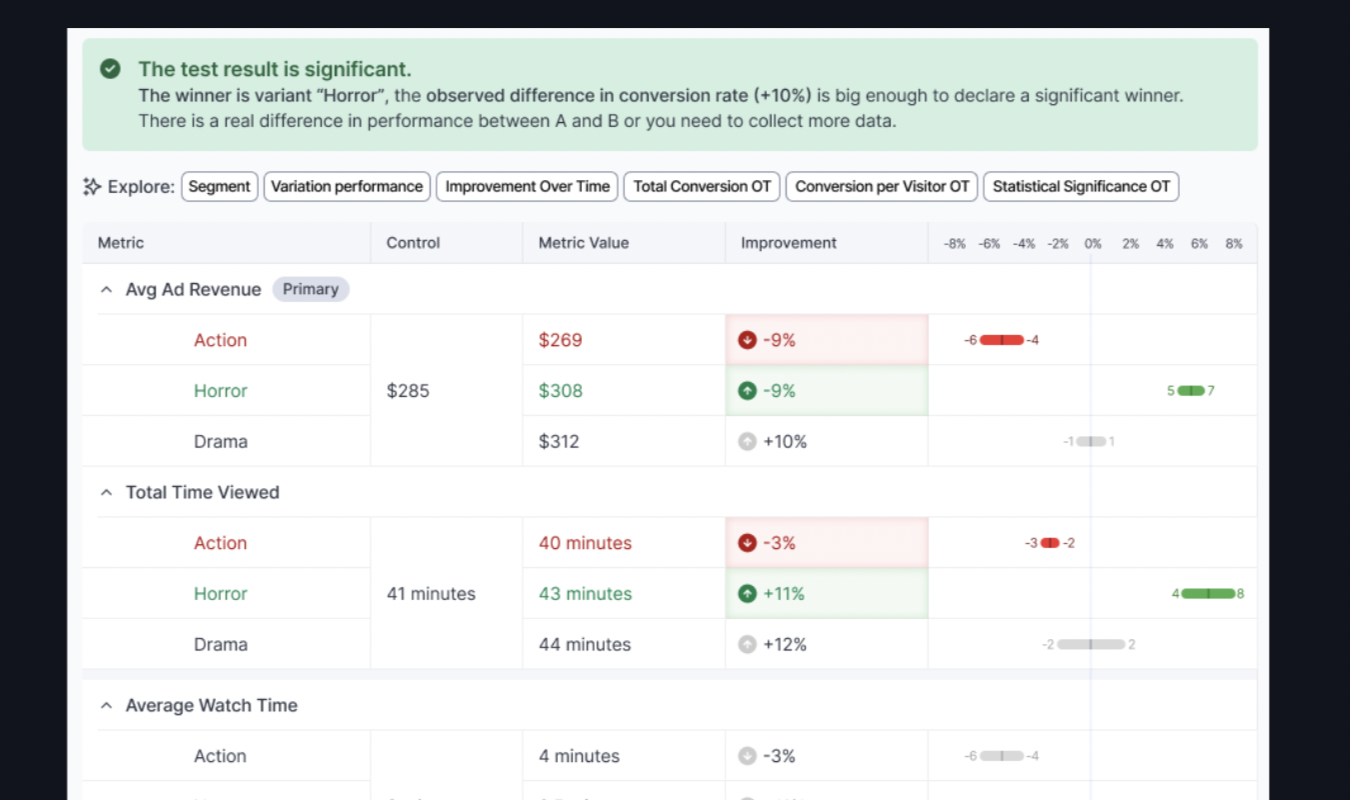
Optimizely’s strongest reputation still comes from experimentation, and that reputation is not an accident. The platform gives teams a polished environment for running A/B tests, multivariate tests, and personalized experiences without turning every experiment into a week-long engineering project. For marketing teams, that is a huge plus. Basic visual changes can be made quickly, and more advanced users can still bring in custom code when needed.
That balance is important. Many platforms are either too simple for serious testing programs or so technical they scare off everyone who does not dream in JavaScript. Optimizely generally lands in the middle: approachable enough for marketers, powerful enough for mature experimentation teams.
2. The “all-in-one” story is actually compelling
A lot of software vendors claim to be unified. Then you log in and discover “unified” means five separate products wearing matching sweaters. Optimizely is trying to make the handoff between content, experimentation, personalization, and analytics much more seamless, and for the right organization, that is a real advantage.
For example, a team can plan content, build experiences, personalize pages, test variants, and analyze outcomes inside the same broader ecosystem. That connected workflow is not just nice on paper. It can reduce tool sprawl, simplify governance, and keep marketers from living in 14 browser tabs all day.
3. The CMS is built for both marketers and developers
Optimizely’s CMS is one of the more interesting parts of the suite because it tries to keep both camps happy. Marketers get a visual editing experience, drag-and-drop tools, and easier publishing workflows. Developers get API-first flexibility, headless support, and a composable architecture that can work with modern front-end frameworks.
That dual appeal makes it attractive for organizations that need more than a simple website builder but do not want to force editors to submit support tickets every time they want to update a hero banner. If your business lives in the Microsoft and .NET world, the Optimizely CMS story is even more attractive.
4. Feature Experimentation is a serious product, not a side dish
Optimizely is not just for landing pages and conversion rate optimization anymore. Its Feature Experimentation product brings together feature flags, controlled rollouts, and experimentation for product teams. That makes it useful for software companies and digital product teams that want to release features gradually, test impact safely, and avoid the classic “ship first, explain to support later” strategy.
The availability of SDKs across multiple programming languages also helps. That means Optimizely can fit into real product development workflows instead of acting like a marketing-only platform wearing a fake mustache.
5. Personalization is more mature than the average buzzword
Many platforms say they do personalization. Sometimes that means changing a headline if the visitor came from a paid ad. Optimizely goes deeper, especially for teams that want audience targeting, behavior-based experiences, and more connected customer journeys. If your site has varied audiences, different buyer paths, or layered content strategies, Optimizely can help make those experiences feel more relevant.
And yes, there is AI in the mix too. Thankfully, Optimizely is not just sprinkling “AI-powered” on the label like parsley on a restaurant plate. Its Opal capabilities are increasingly embedded into content, workflow, and optimization use cases, which gives the AI story more substance than many marketing platforms manage.
6. Analytics is getting stronger
One of the more notable developments in the Optimizely ecosystem is its analytics direction, especially around warehouse-native experimentation analytics. That is good news for teams that care deeply about data trust, governance, and using their warehouse as the source of truth.
In practical terms, this helps close a common gap in experimentation programs: teams run tests, but they still have to reconcile results somewhere else before anyone believes the numbers. If your analysts are tired of playing referee between platform data and warehouse data, this part of Optimizely will sound very appealing.
The Bad: Where Optimizely Gets Complicated
1. Pricing is opaque, and likely painful for smaller teams
Let us begin with the part that makes finance teams inhale sharply: pricing. Optimizely does not lead with transparent self-serve plans for its major products. Instead, it uses quote-based pricing across the platform. That usually means one thing: this tool is aimed at companies with enterprise budgets, not bootstrapped teams comparing software between coffee refills.
That does not automatically make Optimizely overpriced. Enterprise software is often priced around business impact, scale, support, and customization. But it does mean smaller organizations may struggle to justify the cost, especially if they only need one slice of what Optimizely offers. In review discussions and competitor comparisons, price comes up often enough that it cannot be brushed aside as a minor complaint.
2. The learning curve is real
Optimizely can be friendly for common tasks, but it is not a toy. Once you move past the basics, complexity shows up quickly. Teams may need onboarding, training, process discipline, and technical support to get the full value from the platform. That is especially true if you are using multiple modules, advanced workflows, feature flags, deep personalization, or a composable CMS implementation.
This is one of those platforms where buyers should ask a brutally honest question: do we want powerful software, or do we want simple software? Sometimes you can get both. Often you cannot. Optimizely leans toward power first.
3. You may get the most value only if you buy into the ecosystem
One of Optimizely’s biggest strengths is that its products connect to each other. One of its biggest weaknesses is that this same fact can make a single product feel less cost-effective on its own. If you only want a basic A/B testing tool, Optimizely may be too much platform for the job. If you only want a CMS, you may find other options that are simpler, cheaper, or more focused.
Optimizely makes the strongest case when you want content, experimentation, personalization, and measurement working together. If that is not your strategy, you may be paying for potential rather than practical value.
4. Advanced customization still requires real technical muscle
Marketing-friendly does not mean engineering-free. Advanced experimentation setups, complex targeting, headless CMS implementations, integrations, and enterprise-grade governance all require strong technical resources. Even when the UI is polished, the back-end reality can still involve developers, analysts, architects, and implementation partners.
That is not unusual for enterprise platforms, but buyers should not confuse easy demos with easy rollouts. A software demo is a vacation brochure. Your actual implementation is the luggage line.
5. Reporting and interpretation are not always effortless
Some users praise the detail in Optimizely’s reporting, while others point out that results can be difficult to interpret without experience. That is an important distinction. Rich analytics are valuable only if teams know how to use them correctly. Otherwise, you risk running more experiments without making smarter decisions.
In other words, Optimizely can absolutely help you become data-driven. It cannot magically save you from bad hypotheses, poor test design, or a meeting where someone says, “Let’s just ship variant B because I like the vibe.”
6. Enterprise platforms come with enterprise baggage
With large platforms, there is always some operational overhead: migrations, architecture shifts, permissions, data governance, infrastructure changes, release management, and occasional service issues. Optimizely is no exception. That does not mean the platform is unreliable, but it does mean you should expect the normal maintenance and complexity that come with software built for large organizations, not weekend side projects.
Who Should Use Optimizely?
Optimizely is a strong fit for:
- Mid-market and enterprise companies with serious digital growth goals
- Teams that want experimentation, content, and personalization under one roof
- Organizations with mature marketing or product operations
- Companies that already live comfortably in the .NET or Microsoft ecosystem
- B2B brands with complex buyer journeys and multiple stakeholder teams
Optimizely is a weaker fit for:
- Small businesses that need a simple, budget-friendly testing tool
- Teams without internal technical support or implementation capacity
- Buyers who want transparent pricing before talking to sales
- Organizations looking for a narrow point solution rather than a platform
Optimizely vs. Simpler Alternatives
If your main goal is basic website testing, Optimizely can feel like using a private jet to commute across town. There are simpler tools that may be easier to buy, easier to launch, and easier to afford. Likewise, if you are shopping only for a headless CMS, you may compare Optimizely against more focused content platforms that skip the broader digital experience story entirely.
But that is also why Optimizely stays relevant. It is not really trying to win only the “quick test on a pricing page” use case anymore. It is trying to win the much larger conversation around digital experience orchestration. Whether that is brilliant or bloated depends entirely on your needs.
Final Verdict: Is Optimizely Worth It?
Yes, for the right buyer.
Optimizely is a powerful platform with real depth in experimentation and a growing strength in connected digital experience management. Its best qualities are not hard to spot: sophisticated testing, a strong CMS, meaningful personalization, serious feature experimentation, and a more unified workflow than many competitors can offer. When a company is large enough, digitally mature enough, and invested enough to use that ecosystem properly, Optimizely can absolutely justify its place in the stack.
But this is not bargain software, and it is not beginner software. The price is likely out of reach for smaller teams, the learning curve is real, and the full value often depends on broader platform adoption. That means Optimizely is less of a casual purchase and more of a strategic commitment.
Bottom line: Optimizely is one of the best options for organizations that treat experimentation and digital experience as core business functions. If that is you, it is worth serious consideration. If you just want a lighter tool for occasional tests or a simpler CMS, there are easier and cheaper ways to get the job done.
What Using Optimizely Actually Feels Like: A Longer Experience-Based Perspective
If you want the most honest summary of Optimizely, here it is: using it often feels like working inside a very capable enterprise machine that can make your team smarter, faster, and more coordinated—provided your team is ready for that level of machinery.
For marketers, the first impression is usually positive. The platform feels like it was built for people who need to ship things, not just admire strategy decks. You can plan campaigns, manage content, edit pages, coordinate reviews, and connect work to testing and personalization. That is refreshing. Instead of bouncing between a CMS, a project tool, a testing tool, an analytics dashboard, and a folder named “Final-Final-Homepage-Hero-v7,” you get a more connected workflow. For busy teams, that alone can feel like a quality-of-life upgrade.
But then comes the second impression: this platform has layers. The deeper you go, the more you realize Optimizely is not just helping you publish content or run a test. It wants your organization to become more disciplined. It wants naming conventions, governance, roles, workflows, priorities, audiences, event structures, and better measurement habits. That is not a flaw. In many ways, it is a sign of a serious platform. Still, it means Optimizely can expose operational messes you were previously able to ignore.
For developers, the experience is usually a mix of appreciation and realism. On one hand, there is genuine flexibility here. Optimizely is not trying to trap technical teams inside a cartoonishly limited interface. There is room for APIs, headless delivery, modern front-end approaches, feature flagging, and deeper customization. On the other hand, flexibility has a price: architecture decisions matter, implementation matters, and poor setup choices do not magically become charming just because the dashboard looks polished.
For analysts and optimization teams, Optimizely often feels strongest when the business already has a testing culture. If leadership values experimentation, if product and marketing can work together, and if the data foundation is reasonably solid, the platform can be a real accelerator. You spend less time begging for tools and more time turning ideas into measurable tests. But if the organization is politically chaotic, metrics are fuzzy, or every experiment becomes a debate club meeting, Optimizely will not solve that on its own. Great software cannot rescue a broken decision-making culture.
And that may be the truest “good and bad” summary of all. The good is that Optimizely can support a genuinely mature digital operation. The bad is that it tends to reward maturity more than it creates it. Companies that are ready for enterprise experimentation and connected digital experience management can get a lot from it. Companies that are not ready may end up paying premium prices for features they barely use and workflows they never fully adopt.
So the real experience of Optimizely is not just about clicking around in the product. It is about whether your team is prepared to work in a more intentional, data-informed, cross-functional way. If yes, Optimizely can feel like a very smart investment. If not, it can feel like a very expensive reminder that software does not fix strategy by itself.