Rust has a special talent for appearing exactly where you do not want it: on a favorite garden tool, a steel patio chair, a garage shelf, a wrench that was “definitely dry” when you put it away, or the bottom of a stainless steel sink. The good news? You usually do not need wizardry, industrial machinery, or a dramatic movie montage to remove it. With the right method, patience, and a little elbow grease, you can clean rust off steel and help prevent it from staging a comeback.
Rust forms when iron in steel reacts with oxygen and moisture. That reaction creates iron oxidethe reddish-brown, flaky material that makes metal look neglected even if you only forgot it outside for one rainy weekend. Steel is strong, but rust can weaken surfaces, stain nearby materials, and make tools harder to use. Stainless steel is more rust-resistant than ordinary carbon steel, but it is not completely rust-proof, especially if its protective surface is scratched, exposed to salt, or left wet for too long.
This guide covers four practical ways to remove rust from steel: vinegar soaking, baking soda paste, mechanical scrubbing or sanding, and commercial rust removers. Each method works best in a different situation, so the smartest approach is not “attack everything with the strongest product in the garage.” It is choosing the gentlest method that gets the job done.
Before You Start: Identify the Steel and the Rust Level
Before cleaning rust off steel, take a minute to inspect the item. Light orange staining on a stainless steel sink needs a different approach than deep, crusty rust on an old shovel. Small rust spots can often be removed with household ingredients. Heavy rust, pitting, or flaking metal may require sanding, a commercial remover, repainting, or replacement if the part is structural.
Check these details first
- Is it stainless steel? Use gentler tools like microfiber cloths, soft sponges, baking soda, or non-scratch pads. Avoid harsh abrasives that can damage the finish.
- Is it carbon steel or painted steel? It may tolerate more scrubbing, but paint can lift if you use acids or sanding.
- Is the item used for food? For cookware, knives, grills, or kitchen surfaces, avoid products not labeled safe for food-contact surfaces.
- Is the rust shallow or deep? Surface rust is removable. Deep pitting means the metal has already lost material.
Always wear gloves, protect your eyes when scrubbing, and work in a ventilated area if using store-bought rust removers. Also, do not mix cleaning chemicals. Rust removal is already enough excitement for one afternoon.
Way 1: Remove Rust from Steel with White Vinegar
White vinegar is one of the most popular household methods for removing rust from steel because it contains acetic acid, which helps loosen iron oxide. It is inexpensive, easy to find, and useful for small steel items such as bolts, screws, hinges, hand tools, and removable hardware.
Best for
Small steel tools, removable parts, light to moderate rust, garden tool heads, steel brackets, screws, and non-delicate hardware.
What you need
- White vinegar
- Plastic or glass container
- Gloves
- Old toothbrush, nylon brush, steel wool, or wire brush
- Baking soda and water for neutralizing
- Clean towel
- Light oil, wax, or protective coating
Step-by-step instructions
- Clean off dirt and grease with dish soap and water, then dry the item.
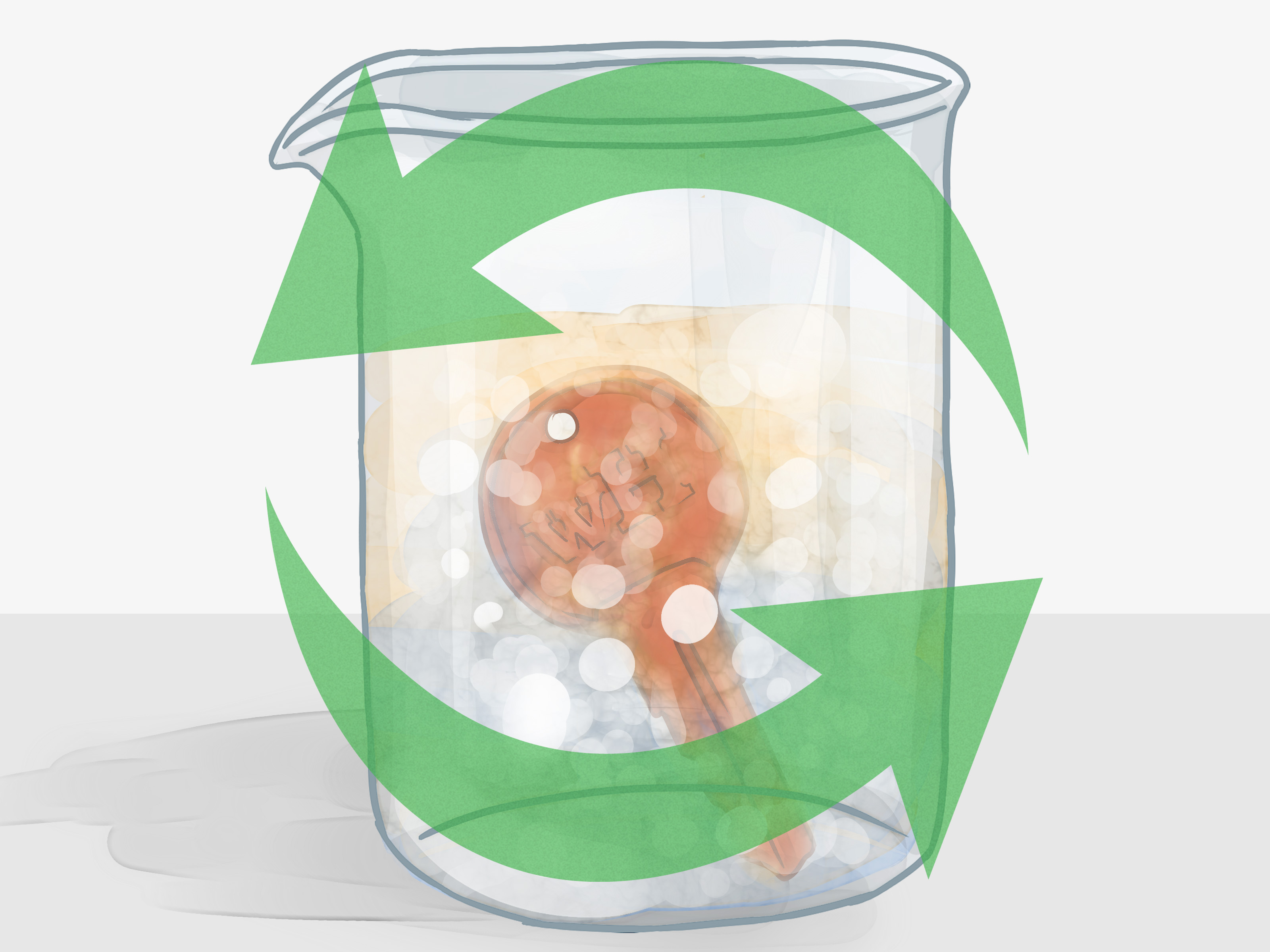
- Place the rusty steel item in a container and cover it with white vinegar.
- Let it soak for several hours. For heavier rust, an overnight soak may work better.
- Remove the item and scrub the loosened rust with a brush, steel wool, or a non-scratch pad.
- Rinse thoroughly. Then wipe with a baking soda and water solution to help neutralize leftover acid.
- Dry immediately and completely.
- Apply a thin layer of oil, paste wax, or another protective finish to prevent flash rust.
If the rusty steel item is too large to soak, saturate a cloth with vinegar and wrap it around the affected area. Let it sit, then scrub and rinse. This works well for table legs, outdoor furniture joints, or steel fixtures that cannot take a relaxing vinegar bath like a spa day for sad metal.
Important cautions
Do not leave steel in vinegar for too long. Acid can darken metal, dull finishes, or affect certain coatings. Vinegar is also not ideal for delicate stainless steel appliances with a brushed finish unless you test a hidden area first. After using vinegar, drying is not optional. Wet steel can develop new rust quickly, sometimes before you have finished admiring your work.
Way 2: Use Baking Soda Paste for Light Rust
Baking soda is a gentle, mildly abrasive cleaner that works well for light rust stains, especially on stainless steel sinks, cookware, and small steel surfaces. It is less aggressive than vinegar, making it a good first choice when you want to clean rust off steel without scratching or discoloring the surface.
Best for
Light rust spots, stainless steel sinks, kitchen tools, steel appliances, minor surface stains, and areas where you want a low-risk method.
What you need
- Baking soda
- Water
- Small bowl
- Soft cloth, sponge, toothbrush, or non-scratch pad
- Clean towel
Step-by-step instructions
- Mix baking soda with a small amount of water until it forms a thick paste.
- Spread the paste over the rusted area.
- Let it sit for 30 minutes to one hour.
- Scrub gently with a damp sponge, toothbrush, or non-scratch pad.
- For stainless steel, rub with the grain rather than in circles.
- Rinse well with clean water.
- Dry the surface immediately with a soft towel.
The phrase “with the grain” matters for stainless steel. Many stainless steel surfaces have fine directional lines. Scrubbing across those lines can leave visible marks. Follow the grain and your sink, pan, or appliance will be much less likely to look like it got into a fight with a brillo pad.
When to add lemon juice
For small stubborn spots, you can mix baking soda with lemon juice instead of water. Lemon juice contains citric acid, which can help loosen rust. However, use it carefully and rinse thoroughly, especially on stainless steel. Acidic ingredients should not sit too long on metal surfaces.
What not to do
Do not use chlorine bleach on rust stains. Bleach can make rust staining worse and may damage stainless steel. Also avoid rough steel wool on polished stainless steel or appliance fronts, because it can scratch the surface and leave behind tiny particles that later rust. That is the cleaning equivalent of inviting the problem back for dinner.
Way 3: Scrub, Sand, or Brush Away Heavy Surface Rust
Mechanical rust removal means physically removing rust with friction. This is the go-to method for steel surfaces with flaky rust, old paint, rough patches, or corrosion that is too thick for a gentle paste. It is practical for tools, gates, fences, steel furniture, workshop parts, and surfaces that will be repainted.
Best for
Outdoor steel furniture, garden tools, garage equipment, steel railings, thick surface rust, and items that need repainting or refinishing.
What you need
- Wire brush, sanding block, sandpaper, or abrasive pad
- Gloves and safety glasses
- Dust mask for sanding
- Dish soap and water
- Clean cloth
- Rust-inhibiting primer, paint, wax, or oil
Step-by-step instructions
- Move the item outdoors or to a well-ventilated workspace.
- Brush off loose rust, dirt, and flakes.
- Use coarse sandpaper or a wire brush for heavy rust.
- Switch to finer sandpaper to smooth the surface.
- Wash away dust and residue with mild soap and water.
- Dry the steel completely.
- Protect the cleaned metal with primer, paint, wax, or oil.
For flat steel surfaces, sandpaper is easy to control. For corners, bolts, and textured areas, a wire brush can reach into tight spaces. For large projects, a drill-mounted wire wheel can save time, but it should be used carefully with eye protection because flying rust flakes have no manners.
Choosing the right grit
Start with a rougher grit, such as 80 to 120, for thick rust on durable steel. Move to 180 to 220 grit to smooth the surface before painting. For visible finished surfaces, go finer and work slowly. The goal is to remove rust, not carve your initials into the metal like a bored raccoon.
When sanding is not enough
If rust has eaten deeply into the steel, sanding can clean the surface but cannot restore lost metal. Pitted tools may still work, but structural items such as load-bearing brackets, railings, or supports should be inspected carefully. If the steel is thin, cracked, bending, or crumbling, replacement is safer than cosmetic repair.
Way 4: Use a Commercial Rust Remover or Rust Converter
Commercial rust removers are designed for tougher jobs. Some products dissolve rust, while others convert rust into a more stable surface that can be primed and painted. These products are useful when vinegar and baking soda are too slow, when rust is widespread, or when you need a cleaner finish before repainting steel.
Best for
Automotive parts, tools, hardware, steel furniture, heavily rusted items, complex shapes, and projects where a predictable result matters.
Types of commercial rust products
- Chelating rust removers: Often used as soaking solutions. They target rust while being less harsh than strong acids.
- Oxalic acid cleaners: Common in some powdered cleansers and rust stain removers. Useful for certain stainless steel and hard surfaces when used correctly.
- Phosphoric acid products: Often found in rust removers and converters. They can help prepare steel for painting.
- Rust converters: Designed to chemically change rust into a paintable layer rather than simply washing it away.
Step-by-step instructions
- Read the product label completely before use.
- Wear gloves and eye protection.
- Clean loose dirt, grease, and flaking rust from the steel.
- Apply the rust remover or soak the item as directed.
- Wait only for the recommended time.
- Scrub or rinse as instructed by the label.
- Dry the steel thoroughly.
- Apply a protective finish, especially if the item will be exposed to moisture.
Commercial products can be very effective, but more power means more responsibility. Some are not suitable for aluminum, chrome, painted surfaces, knives, cookware, or polished stainless steel appliances. A product that works beautifully on a rusty hinge may be too aggressive for a refrigerator door. Always test first.
Rust remover vs. rust converter
Use a rust remover when you want to clean rust off steel and expose bare metal. Use a rust converter when the item will be painted and some rust remains in pores or rough areas. A converter is not magic paint. You still need to remove loose flakes and follow the drying and painting instructions.
How to Prevent Rust After Cleaning Steel
Removing rust feels satisfying, but preventing it from returning is the real victory. Rust needs moisture and oxygen, so your prevention plan should focus on keeping steel dry, sealed, and protected.
Simple rust prevention tips
- Dry steel tools and surfaces immediately after washing.
- Store tools indoors or in a dry shed, not directly on concrete floors.
- Apply light machine oil to carbon steel tools after cleaning.
- Use paste wax on hand tools, table saw tops, and steel work surfaces.
- Repair chipped paint on outdoor steel furniture or railings quickly.
- Use rust-inhibiting primer before repainting bare steel.
- Keep stainless steel clean and avoid harsh chemicals that damage its protective layer.
For outdoor steel, paint is more than decoration. It is armor. Once paint chips, moisture sneaks in and rust begins underneath. For tools, a thin coat of oil or wax is often enough. For stainless steel in kitchens, regular cleaning and drying usually prevents most rust spots.
Common Mistakes When Cleaning Rust Off Steel
Using the strongest method first
Start gentle. Baking soda paste may solve a small rust stain without scratching the surface. Jumping straight to a wire wheel on a stainless steel sink is like using a chainsaw to slice a tomato.
Forgetting to dry the steel
Water left behind after rinsing can cause flash rust. Always dry steel immediately with a towel. For tools and hardware, you can use a hair dryer or leave the item in sunlight briefly after drying by hand.
Skipping protection
Bare steel rusts quickly. After removing rust, protect the surface with oil, wax, primer, paint, or another suitable coating.
Using abrasive pads on polished stainless steel
Stainless steel can scratch. Use soft cloths, non-scratch pads, and gentle pressure. Always scrub with the grain.
Mixing cleaning products
Do not mix vinegar, bleach, ammonia, rust removers, or other cleaners. Mixing chemicals can create dangerous fumes or damage the steel.
Which Rust Removal Method Should You Choose?
For light rust on stainless steel, start with baking soda paste. For removable rusty tools or hardware, vinegar is affordable and effective. For thick, flaky rust on outdoor steel, use sanding or wire brushing. For stubborn corrosion, complex parts, or repainting projects, choose a commercial rust remover or converter.
The best method depends on the item, the finish, and how much rust you are dealing with. A rusty wrench can handle a tougher approach than a stainless steel refrigerator. A garden shovel does not need a mirror finish. A kitchen sink does. Match the method to the surface and you will save time, money, and possibly your patience.
Experience Notes: What Actually Works When Cleaning Rust Off Steel
After dealing with rusty steel around the house, garage, and garden, one lesson becomes obvious: rust removal is usually less about brute force and more about timing. People often scrub too hard too soon. If vinegar, baking soda, or a commercial remover needs time to loosen rust, give it time. A 30-minute wait can save ten minutes of angry scrubbing and several dramatic sighs.
For small tools, vinegar works surprisingly well, especially on pliers, screwdrivers, bolts, and garden shears with surface rust. The trick is to clean the item first so grease does not block the vinegar from reaching the rust. After soaking, the rust often looks darker and softer. That is normal. Scrub it off, rinse, neutralize lightly with baking soda water, and dry the tool completely. The final oiling step matters. Without oil, the tool may develop new orange spots quickly, especially in humid weather.
Baking soda paste is the method I would choose first for visible stainless steel. It is not the fastest, but it is forgiving. On a stainless steel sink, a thick paste and a soft sponge can remove light rust rings from cans, pans, or metal scrubbers left sitting too long. The key is gentle pressure. If you scrub like you are trying to erase a bad report card, you may dull the finish. Work with the grain, rinse well, and dry with a microfiber towel.
Mechanical scrubbing is satisfying on rough steel, but it creates dust and can expose bare metal. That means you need a finishing plan before you start. When restoring an old metal chair or railing, remove the loose rust, sand the edges smooth, wipe away dust, and then prime and paint. If you only sand and walk away, rust will return like it has a key to your house.
Commercial rust removers are worth using when the item has details, threads, or corners that are hard to scrub. A soaking rust remover can clean bolts and tool parts more evenly than sandpaper. Rust converters are helpful for painted outdoor steel when you cannot remove every tiny rust trace, but they work best after loose flakes are brushed away. They should not be used as an excuse to paint over a crunchy rust mountain.
One practical habit makes a huge difference: create a “dry and protect” routine. After using steel garden tools, rinse dirt off, dry them, and wipe the metal with a little oil. After cleaning stainless steel cookware, do not let it air-dry with water spots. After washing outdoor furniture, check chips in the paint. These tiny habits prevent big rust problems.
Finally, know when to stop. If rust has deeply pitted a decorative item, you may be able to clean it and enjoy the aged look. If it has weakened a structural part, replacement is smarter. Rust removal can restore appearance and slow damage, but it cannot rebuild missing steel. Clean what can be cleaned, protect what can be saved, and retire what is no longer safe.
Conclusion
Cleaning rust off steel does not have to be complicated. Start by identifying the type of steel and the severity of the rust. Use baking soda paste for light rust and delicate stainless steel, vinegar for small removable parts, scrubbing or sanding for rough outdoor steel, and commercial rust removers for stubborn or detailed pieces. The most important final step is protection: dry the steel completely and seal it with oil, wax, primer, paint, or another appropriate coating.
Rust is persistent, but it is not unbeatable. With the right method and a little patience, you can bring steel tools, furniture, hardware, and surfaces back from “garage goblin” status to clean, useful, and ready for action.
SEO Tags
Note: This article is written for general home maintenance and web publishing purposes. Always test any rust removal method on a small hidden area first, follow product labels, and use proper safety protection when scrubbing, sanding, or applying commercial cleaners.